
For many nearing or already enjoying their golden years, the question of where to settle down often hinges on a crucial financial consideration: taxes. Specifically, how will state taxes impact hard-earned retirement income, especially Social Security benefits? The United States is a patchwork of different tax laws, and understanding these nuances can significantly influence one’s quality of life and financial freedom during retirement. For those eyeing the vast landscapes and vibrant culture of the Lone Star State, the answer to whether Texas taxes Social Security is unequivocally good news: no, Texas does not tax Social Security benefits.
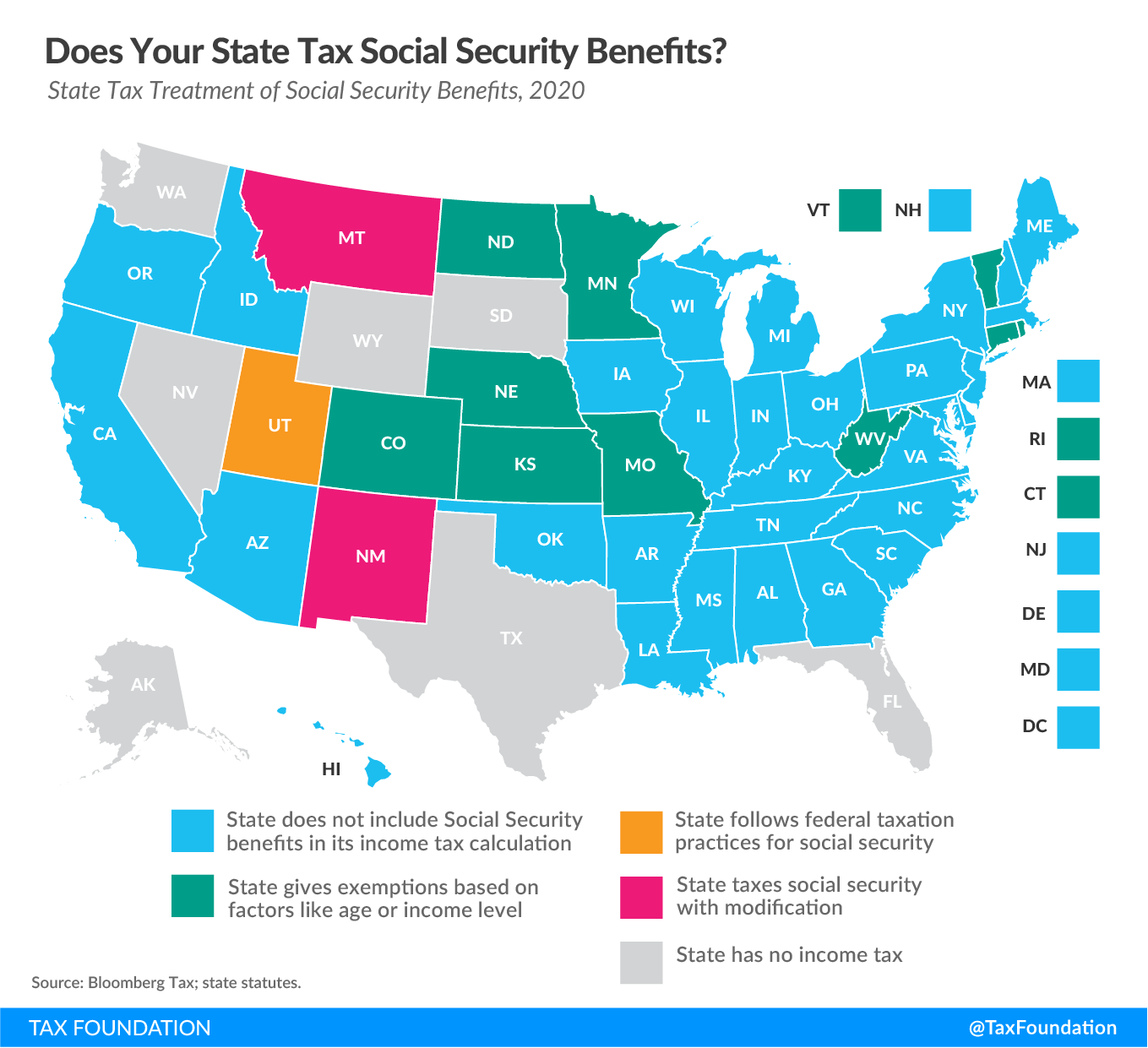
This fact alone positions Texas as an attractive destination for retirees, offering a significant financial advantage that can free up funds for travel, leisure, and an enhanced lifestyle. Beyond just the tax benefits, Texas presents a diverse array of living environments, from bustling metropolitan areas to tranquil Hill Country towns and scenic coastal communities. This blend of financial appeal and lifestyle options makes it a compelling choice for many seeking to maximize their retirement experience. This article will delve into Texas’s tax policies, explore the broader financial landscape for retirees, and highlight how this fiscal environment can shape an enriching retirement lifestyle, complete with opportunities for travel, exploration, and comfortable living within the state’s expansive borders.
The Lone Star State’s Approach to Retirement Income
The absence of a state income tax is the cornerstone of Texas’s appeal to retirees. This fundamental difference sets it apart from many other states and directly impacts the amount of disposable income retirees have at their disposal. When considering retirement, every dollar saved on taxes is a dollar that can be spent on experiences, improved living conditions, or simply provide a greater sense of financial security.
No State Income Tax: A Major Advantage
The most significant draw for retirees looking at Texas is its constitutional prohibition against a state income tax. This means that income earned from wages, salaries, dividends, interest, pensions, and, crucially, Social Security benefits, is not subject to state-level taxation. For many, this translates into substantial savings compared to states that levy a state income tax, especially for those with diversified retirement portfolios.
This policy creates a favorable environment for financial planning, allowing retirees to retain more of their income. Instead of watching a portion of their monthly Social Security check disappear to state coffers, residents of Texas can direct those funds towards their preferred lifestyle choices. This might mean enjoying more frequent trips to explore the diverse Texas landscapes, indulging in the state’s renowned culinary scene, or investing in a more luxurious accommodation that perfectly suits their golden years. The financial breathing room provided by the lack of income tax can be a game-changer, enabling a more robust and enjoyable retirement experience, from budget-conscious travel to lavish resort stays.
Social Security Benefits: Fully Exempt
To clarify further, Texas’s no-state-income-tax policy extends specifically to Social Security benefits. This means that if you are a resident of Texas, your Social Security income will not be taxed by the state government. It’s important to note that federal taxes on Social Security may still apply depending on your combined income, as dictated by federal regulations. However, at the state level, Texas offers a complete exemption.
This makes Texas one of a handful of states that do not tax Social Security benefits at all, making it a prime consideration for those prioritizing the preservation of this vital income stream. The benefit of this policy is tangible: more money in your pocket each month. This added financial flexibility can empower retirees to pursue passions, engage in community activities, or simply enjoy a higher standard of living without the constant worry of state income tax deductions chipping away at their fixed income. Whether it’s planning a long-term stay in a charming Texas town, booking a suite at a premier hotel like the Hotel Emma for a special occasion, or embarking on an adventure to Big Bend National Park, the savings from not paying state taxes on Social Security can significantly enhance one’s travel and lifestyle budget.
Beyond Social Security: Understanding Texas’s Broader Tax Landscape
While the absence of a state income tax and the full exemption of Social Security benefits are significant advantages, it’s crucial for prospective residents to understand the complete tax picture in Texas. States must generate revenue somehow, and without an income tax, the burden often shifts to other forms of taxation. In Texas, this largely means property taxes and sales taxes. Understanding these components is key to accurately assessing the overall cost of living and making an informed decision about retirement in the Lone Star State.
The Role of Property Taxes
Property taxes are the primary source of revenue for local governments in Texas, funding schools, city services, and infrastructure. Consequently, property tax rates in Texas can be higher than the national average. This is an important consideration for retirees who plan to own a home. The amount you pay will depend on the value of your property and the specific tax rates set by your local county, city, and school districts. For instance, a luxury villa in a prime area like The Woodlands or a historic home in Austin might incur significantly higher property taxes than a modest dwelling in a more rural setting.
However, Texas does offer some relief for seniors. Homeowners aged 65 or older are eligible for a homestead exemption that lowers the taxable value of their primary residence. Additionally, school districts offer a “tax ceiling” for homeowners 65 and older, freezing the amount of school district property taxes at the amount paid in the year they qualified. This can provide considerable stability for retirees on fixed incomes, protecting them from rising school tax rates. When considering accommodation, it’s vital to research specific property tax rates for potential locations, as they can vary widely, impacting your long-term housing budget and how much you can allocate to travel and other lifestyle amenities. Some choose to bypass property ownership altogether, opting for long-term rentals in retirement communities or serviced apartments in cities like Plano or Irving to simplify their financial commitments.
Sales Tax and Other Levies
Another significant revenue stream for Texas is sales tax. The statewide sales tax rate is 6.25%, but local jurisdictions can add up to 2%, bringing the combined rate to a maximum of 8.25% in many areas. This tax applies to most goods and services, excluding groceries and prescription drugs. While it might seem like a small percentage, sales tax can add up, especially for those who frequent shopping destinations like Galleria Dallas or enjoy dining out in cities known for their culinary scenes like Houston or San Antonio.
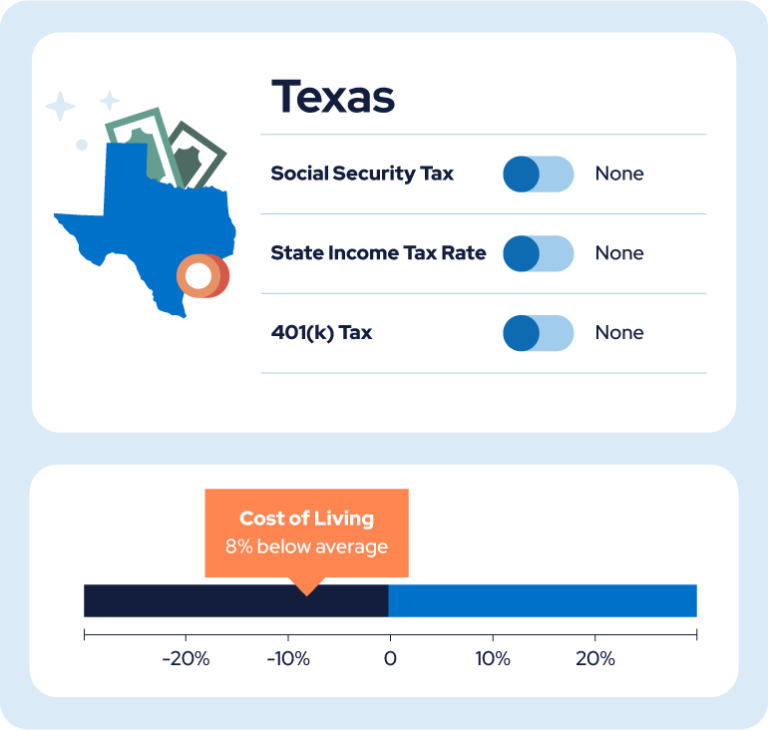
Retirees often enjoy exploring local markets, dining in various restaurants, and purchasing souvenirs from their travels, all of which incur sales tax. While the impact might not be as direct as income or property tax, it’s an important element of the overall cost of living. Other taxes to be aware of include motor vehicle sales and use tax, which is 6.25% of the sales price, and various excise taxes on specific goods like fuel and tobacco. Understanding these taxes helps in budgeting for daily expenses, travel, and leisure activities, ensuring that the financial freedom gained from no state income tax on Social Security isn’t unexpectedly diminished by other expenditures.
Lifestyle and Living in Texas: A Retirement Perspective
Beyond the tax implications, Texas offers a rich and varied canvas for retirement living. The state’s massive geographical expanse translates into incredibly diverse climates, landscapes, cultures, and opportunities for leisure and travel. From bustling urban centers brimming with cultural attractions to serene rural retreats and sun-drenched coastal towns, there’s a lifestyle to suit nearly every preference, all potentially enhanced by the financial benefits of Texas’s tax policies.
Top Destinations for Retirement
Texas boasts numerous cities and regions that are particularly popular among retirees, each offering unique attractions and amenities.
- San Antonio: Rich in history and culture, San Antonio is home to the iconic Alamo and the picturesque Riverwalk, offering vibrant urban experiences blended with a relaxed pace. It’s a fantastic place for history buffs and foodies, with plenty of museums, historical sites, and renowned Tex-Mex cuisine. The city also has several highly-rated hotels and resorts, such as the Hyatt Regency San Antonio Riverwalk, perfect for visiting family.
- Austin: Known for its “Keep Austin Weird” motto, the state capital is a hub for live music, outdoor activities around Lady Bird Lake and Zilker Park, and a thriving culinary scene. It attracts active retirees who enjoy a dynamic, youthful atmosphere with access to world-class events like South by Southwest. The Four Seasons Hotel Austin offers luxury accommodation right on the lake.
- Dallas & Fort Worth: These twin cities offer a blend of sophisticated urban living and Western heritage. Dallas is a center for arts, shopping, and fine dining, with a vibrant Arts District and upscale accommodations like the Omni Dallas Hotel. Fort Worth embraces its cowboy roots with the Fort Worth Stockyards National Historic District, world-class museums, and a more laid-back charm. Both offer excellent healthcare facilities and diverse communities.
- Houston: As the largest city in Texas, Houston is a global hub for energy, space exploration (Space Center Houston), and a remarkably diverse culinary landscape. Its expansive Museum District and numerous parks make it appealing for those seeking big-city amenities. The Post Oak Hotel at Uptown Houston exemplifies luxury living and stays.
- Texas Hill Country: For those seeking scenic beauty and a slower pace, towns like Fredericksburg offer rolling hills, vineyards, and charming small-town atmospheres. It’s perfect for nature lovers and wine enthusiasts, providing a tranquil escape while still being within driving distance of major cities. Many boutique hotels and cozy bed-and-breakfasts dot this region, ideal for weekend getaways.
- Coastal Texas: Areas like Galveston, Corpus Christi, and South Padre Island offer beach living, fishing, birdwatching, and a relaxed, breezy lifestyle. These areas are excellent for those who dream of waking up to ocean views and enjoying water-based activities year-round. Resorts like Moody Gardens Hotel Spa and Convention Center in Galveston provide ample amenities.
The Allure of Texas Living: Attractions and Activities
The sheer size and diversity of Texas mean that retirees will never run out of things to do. The tax savings on Social Security can be channeled directly into enjoying these experiences.
- Nature and Outdoors: From hiking and stargazing in Big Bend National Park or Guadalupe Mountains National Park in West Texas to exploring the stunning Palo Duro Canyon State Park near Amarillo, the state offers unparalleled natural beauty. The numerous state parks, lakes, and rivers provide opportunities for fishing, boating, and wildlife observation. Many active adult communities are designed with direct access to golf courses, walking trails, and natural preserves.
- Culture and History: Dive into Texas’s rich past at the Alamo, visit presidential libraries, or explore the Sixth Street entertainment district in Austin. Cities like Waco offer unique historical insights and modern attractions like the Magnolia Market at the Silos. Art lovers can explore world-class museums in Dallas, Houston, and Fort Worth.
- Entertainment and Events: Texas hosts everything from rodeos and professional sports (NFL, NBA, MLB, MLS teams in Dallas, Houston, San Antonio) to vibrant music festivals and culinary events. Retirees can enjoy Broadway shows, symphony performances, and lively local festivals throughout the year. The Grapevine area, for instance, is known for its festive events and winery tours.
- Food and Drink: Texas cuisine is a destination in itself, from authentic barbecue and Tex-Mex to upscale international dining in its major cities. The Texas Hill Country has also emerged as a significant wine region, offering delightful tours and tastings.
Accommodation Choices and Travel for Retirees
The financial relief from not taxing Social Security income provides retirees with more flexibility in their accommodation and travel choices.
- Diverse Housing Options: Texas offers a wide range of housing, from luxurious high-rise apartments in downtown Dallas or Houston to sprawling ranch homes in the countryside, and vibrant active adult communities catering specifically to retirees. Many communities offer resort-style amenities, from golf courses and clubhouses to fitness centers and planned social activities, embracing a holistic lifestyle approach.
- Exploratory Travel: For those considering a move, the tax savings can fund exploratory trips. Retirees can spend extended periods in different cities, perhaps trying out a serviced apartment in Katy or a boutique hotel in Fredericksburg, to get a true feel for various communities before making a permanent decision. This kind of “try before you buy” approach to relocation becomes more feasible when more of your retirement income remains untaxed.
- Enhanced Travel Budget: The additional disposable income also means more funds available for actual travel. Retirees can take advantage of Texas’s vast geography for road trips, visiting landmarks like Cadillac Ranch near Amarillo or the Space Center Houston. They can also enjoy more frequent visits from family, booking them into comfortable hotels or resorts. The ability to afford a wider range of hotels, from budget-friendly options to luxury suites, makes every family reunion or personal getaway more enjoyable.

Making an Informed Decision: Is Texas Right for Your Retirement?
Deciding where to spend your retirement years is a deeply personal choice, influenced by a myriad of factors ranging from family proximity and climate preferences to lifestyle aspirations and, crucially, financial considerations. Texas, with its no-state-income-tax policy and full exemption of Social Security benefits, presents a compelling financial argument for retirees. However, a holistic view is essential to determine if the Lone Star State truly aligns with your retirement vision.
On the advantageous side, the absence of state income tax means that more of your pension, investment income, and, most importantly, your Social Security benefits remain in your pocket. This financial freedom can translate into a higher quality of life, allowing for more extensive travel, better accommodation, and more frequent engagement with the state’s rich array of cultural and natural attractions. Imagine being able to budget for annual visits to the Dallas World Aquarium or the Houston Zoo, or perhaps more luxurious stays at resorts like the JW Marriott San Antonio Hill Country Resort & Spa when family comes to visit. The diversity of Texas also means you can find a community that perfectly matches your desired pace, whether it’s the bustling energy of Austin, the historical charm of San Antonio, or the serene beauty of the Hill Country.
Conversely, prospective residents must weigh these benefits against other financial considerations, primarily property taxes and sales taxes. While homestead exemptions and tax ceilings for seniors offer some relief on property taxes, they remain a significant expenditure, especially in rapidly growing areas or for higher-valued homes. The statewide sales tax, combined with local levies, also means that daily purchases and luxury goods will be slightly more expensive. It’s crucial to factor these into your budget to ensure that the overall cost of living aligns with your financial plan. Considering the various types of accommodation, from active adult communities in Georgetown or Frisco to quiet single-family homes in Lubbock or Midland, understanding how property taxes will impact your specific choice is paramount.
Ultimately, making an informed decision about retirement in Texas requires a balanced assessment. It’s highly advisable to consult with a financial advisor who specializes in retirement planning and understands the nuances of state tax laws. Furthermore, immersing yourself in the Texas experience through travel is perhaps the best way to truly gauge if it’s the right fit. Spend time in different cities and regions, explore the local culture, sample the cuisine, and check out potential neighborhoods and amenities. A short-term stay in a well-appointed apartment or a memorable visit to a local resort can provide invaluable insight into what life in the Lone Star State truly entails, helping you visualize your ideal retirement lifestyle.
In conclusion, for those asking, “Does Texas tax Social Security?”, the answer is a resounding no, offering a significant financial boon for retirees. This, coupled with the state’s diverse landscapes, vibrant cultures, and numerous opportunities for travel and leisure, makes Texas an extremely attractive retirement destination. By carefully considering the full tax picture and exploring the myriad lifestyle options, retirees can determine if the Lone Star State is indeed the perfect place to embark on their next chapter, enjoying their golden years with greater financial freedom and an abundance of experiences.
LifeOutOfTheBox is a participant in the Amazon Services LLC Associates Program, an affiliate advertising program designed to provide a means for sites to earn advertising fees by advertising and linking to Amazon.com. Amazon, the Amazon logo, AmazonSupply, and the AmazonSupply logo are trademarks of Amazon.com, Inc. or its affiliates. As an Amazon Associate we earn affiliate commissions from qualifying purchases.