
The name “Texas” conjures images of vast landscapes, cowboy lore, and a distinct cultural identity. It’s a name imbued with a sense of grandeur and independence, recognized worldwide. But how did this iconic name come to be? Its origin story is a captivating journey through centuries of cultural exchange, exploration, and the blending of languages, deeply rooted in the land’s indigenous heritage and shaped by European colonization. For anyone planning a visit to this magnificent state, understanding the etymology of “Texas” offers a richer appreciation of its history and the diverse influences that forged its unique character. It’s a story that begins not with cowboys and oil, but with a simple word meaning “friends” among the native peoples who first called this land home.
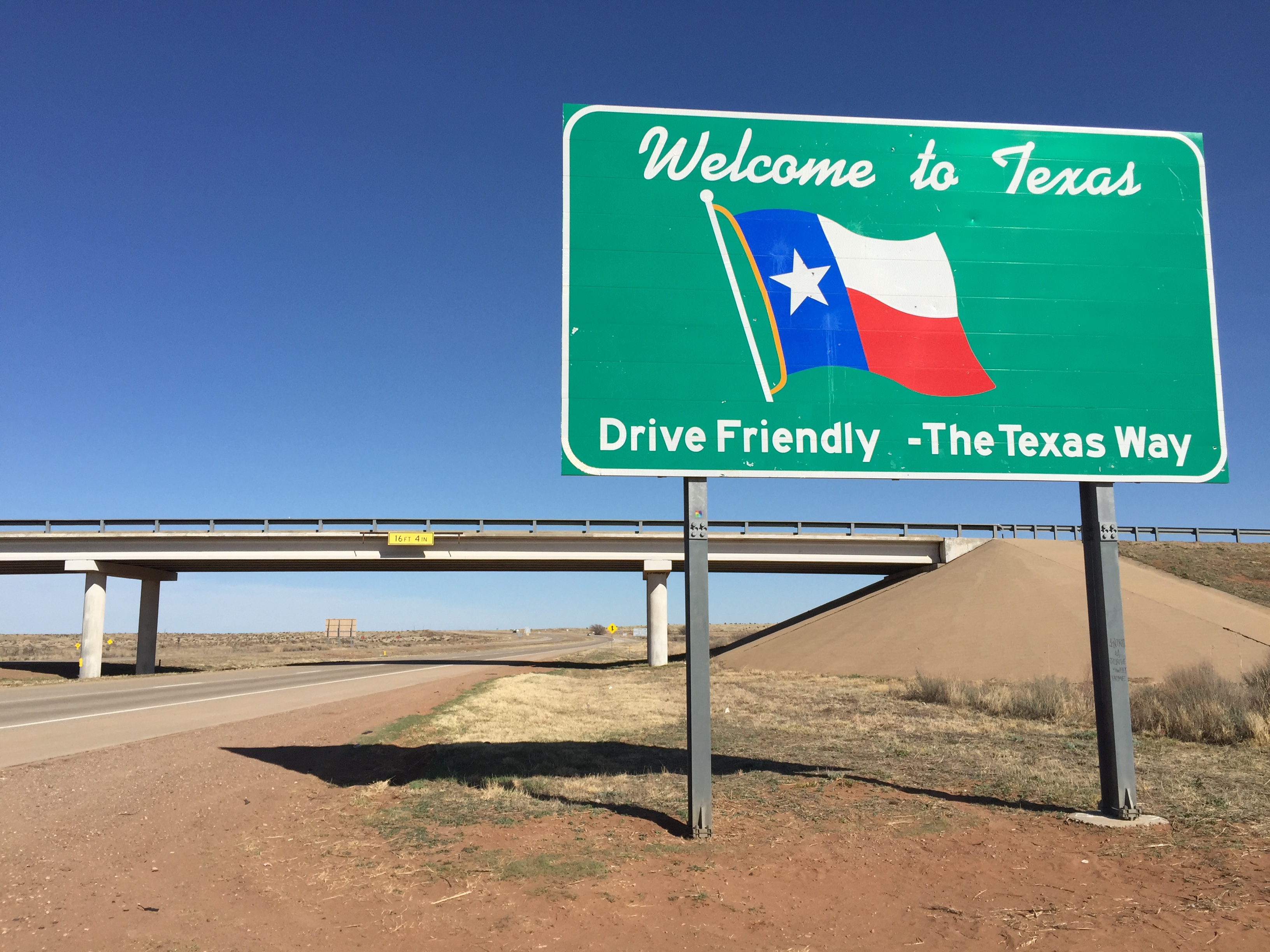
The Indigenous Roots: ‘Tejas,’ the Word for ‘Friends’
The true genesis of the name “Texas” can be traced back to the indigenous inhabitants of the region, specifically the Caddo people. Long before European explorers set foot on these vast plains, the Caddo, a sophisticated agricultural society, thrived in what is now East Texas and parts of Louisiana, Arkansas, and Oklahoma. Their language held the key to the state’s future designation.
The word in question was “táysha” or “teyshas,” which the Caddo used to signify “friends,” “allies,” or “confederates.” This term was often used when addressing outsiders in a gesture of welcome and cooperation, particularly to distinguish members of their confederacy from other tribes who might be considered enemies. It was a sign of hospitality, a verbal olive branch extended to those entering their territory.
The first Europeans to encounter the Caddo were Spanish explorers in the late 17th century. One of the most significant encounters occurred in 1689, when Alonso de León, the Spanish governor of Coahuila (a region of modern-day Mexico), led an expedition into the territory. His mission was to locate a French settlement established by René-Robert Cavelier, Sieur de La Salle, which posed a threat to Spanish claims. During this expedition, De León and the accompanying Franciscan missionary, Father Damián Massanet, encountered the Caddo people.
The Caddo repeatedly greeted the Spanish with the word “táysha,” meaning “friends” or “allies.” The Spanish, attempting to transcribe this unfamiliar sound into their own language, rendered it as “Tejas.” Initially, they believed ” Tejas” was the name of a specific tribe or even a specific chief, not realizing it was a common greeting or a description of their friendly confederacy. This misunderstanding, however, would inadvertently give a name to an entire region.
Father Massanet was particularly instrumental in popularizing the term. He noted in his writings how the ” Tejas” people were welcoming and open to the Christian faith. His glowing reports back to the Spanish viceroyalty in Mexico City ignited a newfound interest in the region, seen as fertile ground for missionary work and a strategic buffer against French expansion. The “Kingdom of the Tejas” quickly became the informal designation for this expansive, relatively unexplored territory north of the Rio Grande.
Early Spanish Mapping and the Spread of ‘Tejas’
As Spanish interest in the area grew, so did the usage of ” Tejas” on maps and official documents. Early Spanish cartographers began to label the vast, vaguely defined territory between the Red River and the Nueces River as “Los Tejas” or “El País de los Tejas.” This informal name quickly took root, reflecting the point of contact where the Spanish had encountered the friendly Caddo people. The term became a placeholder for a region that was both promising and challenging, a frontier full of potential and danger.
The shift from “táysha” to ” Tejas” exemplifies the linguistic assimilation that often occurs during colonial encounters. The sound was adapted, the meaning slightly reinterpreted, but the core essence of interaction — friendship and alliance — remained embedded in the name. This initial naming laid the groundwork for the enduring legacy of ” Texas.”
From ‘Tejas’ to Texas: Spanish Colonial Influence and Evolution
The adoption of ” Tejas” by the Spanish was not merely a linguistic convenience; it marked the beginning of official Spanish efforts to colonize and control the region. Over the next century, ” Tejas” became integral to the administrative and military structure of New Spain.
Establishing a Presence: Missions, Presidios, and Settlements
Following Massanet’s reports, the Spanish Crown authorized the establishment of missions and presidios (forts) throughout ” Tejas.” These outposts served a dual purpose: to convert native populations to Christianity and to solidify Spanish claims against encroaching French and later, American interests.
One of the most iconic of these establishments was Mission San Antonio de Valero, founded in 1718, which later became famously known as The Alamo. This mission, along with a presidio and civilian settlement, formed the nucleus of what would become San Antonio, one of Texas’s most historic and popular travel destinations today. Other significant missions, like Mission Concepción, Mission San José, Mission San Juan Capistrano, and Mission Espada (now part of the San Antonio Missions National Historical Park), dotted the landscape, each playing a role in extending Spanish influence.
As the Spanish presence grew, so did the administrative definition of the territory. The province was officially designated “Texas” or “New Philippines of Texas” (Nuevas Filipinas de Tejas) by a royal decree in 1716, in honor of King Philip V of Spain. While the ” Philippines” part eventually faded, the name “Texas” stuck, firmly establishing the region’s identity within the Spanish colonial empire. The spelling gradually evolved from ” Tejas” to ” Texas” as English-speaking settlers and cartographers became more prevalent, especially after the Louisiana Purchase brought the United States to Texas’s eastern border. The “x” in ” Texas” reflects the older Spanish pronunciation of the “j” sound, which was similar to the “sh” or “ch” in English, as heard in “Don Quixote.”
This period was characterized by a slow but steady influx of Spanish and Mexican settlers, creating a unique Tejano culture that blended Spanish traditions with the rugged frontier lifestyle. Landmarks from this era, like the aforementioned missions and the Governor’s Palace in San Antonio, stand as testament to this foundational period. For history buffs exploring Texas, these sites offer invaluable insights into the state’s diverse heritage. Many hotels and resorts in San Antonio today, such as the historic Mokara Hotel & Spa or the charming Hotel Contessa, are situated within easy reach of these cultural treasures, providing luxurious accommodation with a sense of place.
The allure of the Texas frontier was also a defining characteristic of this era. Despite being sparsely populated and facing constant challenges from various Native American tribes and rival European powers, the vastness and promise of the land continued to draw adventurers and settlers. The name “Texas” began to represent not just a geographical area, but a vision of opportunity and a spirit of resilience that would define its future.
A Republic and a State: Solidifying the Name
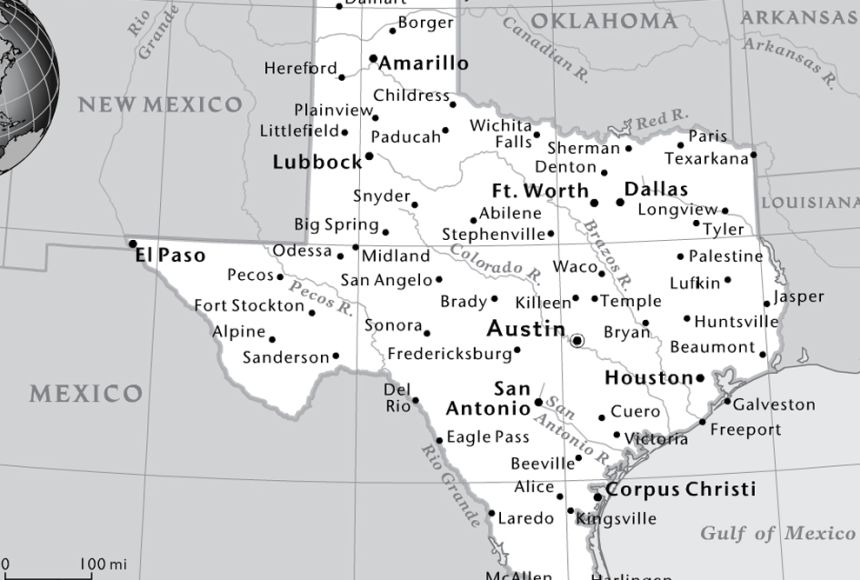
The journey of ” Texas” from a native greeting to an official designation culminated in its identity as an independent nation and then a U.S. state. This period was marked by dramatic shifts in power and the emergence of an iconic frontier spirit.
The Mexican Era and the Push for Independence
After Mexico gained independence from Spain in 1821, “Texas” became a part of the newly formed Mexican Empire, initially as a combined state with Coahuila. During this time, the Mexican government encouraged immigration from the United States to populate the vast northern territories, leading to figures like Stephen F. Austin establishing successful Anglo-American colonies. These new settlers, accustomed to the Anglicized spelling, further cemented ” Texas” as the dominant form.
However, cultural differences, political instability in Mexico, and increasing centralization of power led to growing tensions between the Texian settlers and the Mexican government. These simmering conflicts eventually ignited into the Texas Revolution in 1835. The events of this revolution, including the legendary stand at The Alamo and the decisive victory at the Battle of San Jacinto led by Sam Houston, are foundational to the Texas identity. These pivotal moments cemented the name “Texas” in the annals of history, symbolizing courage, sacrifice, and the fight for freedom.
The Republic of Texas and Statehood
In 1836, following its victory, Texas declared itself an independent nation: the Republic of Texas. For nearly a decade, it existed as a sovereign country, with its capital rotating between several cities, including Columbia, Houston, and finally Austin. During this period, the name “Texas” became internationally recognized, appearing on world maps and in diplomatic correspondence. It represented a bold experiment in self-governance and a beacon for those seeking new opportunities.
In 1845, after much debate and negotiation, the Republic of Texas voluntarily joined the United States, becoming the 28th state. With statehood, the name “Texas” was permanently enshrined within the American lexicon, synonymous with its distinctive history and expansive territory. The process of statehood, while solidifying its political status, also ensured that the name, which began as a simple greeting of friendship, would endure for generations to come.
This era of dramatic change left an indelible mark on the landscape and culture of Texas. Historic sites like the San Jacinto Battleground State Historic Site near Houston, where Texas won its independence, are crucial landmarks for anyone interested in the state’s revolutionary past. Visitors to modern Houston can easily explore these sites, staying at world-class accommodations like the Marriott Marquis Houston or the Hyatt Regency Houston, which blend luxury with accessibility to historical and cultural attractions. The name “Texas” had now become more than just a place; it was a testament to a people’s unwavering spirit and a land’s transformative power.
Texas Today: A Name Synonymous with Adventure, Culture, and a Warm Welcome
Today, the name “Texas” resonates globally, far beyond its historical origins as a word for “friends.” It represents a vibrant, diverse state that offers an incredible array of experiences for every type of traveler. The spirit of hospitality, echoing the original “táysha” greeting, remains a cornerstone of the Texas lifestyle and tourism industry.
Exploring the Diverse Destinations of Texas
Texas boasts an impressive range of destinations, each with its own unique flavor.
- Houston, the largest city, is a bustling hub of international commerce, arts, and innovation. Home to Space Center Houston, world-class museums in the Museum District, and a thriving culinary scene, it’s a city that blends futuristic aspirations with deep cultural roots. From luxury hotels like The Post Oak Hotel at Uptown Houston to boutique stays, Houston caters to every preference.
- San Antonio, with its historic Alamo and enchanting River Walk, is a living testament to its Spanish and Mexican heritage. It’s a city rich in landmarks, vibrant local culture, and delicious Tex-Mex cuisine. Accommodations here range from charming historic inns to modern resorts.
- Austin, the state capital, is known as the “Live Music Capital of the World.” It’s a progressive city with a laid-back vibe, outdoor activities along Lady Bird Lake, and an innovative food truck scene. Austin offers a mix of luxury hotels, quirky boutique accommodations, and plenty of options for budget travel.
- Dallas, a cosmopolitan metropolis, is renowned for its upscale shopping, vibrant arts district, and iconic Dallas Cowboys. Visitors can explore the Sixth Floor Museum at Dealey Plaza or enjoy a luxurious stay at resorts like The Ritz-Carlton, Dallas.
Landmarks, Nature, and Outdoor Adventures
Beyond its major cities, Texas offers an incredible array of natural landmarks and outdoor experiences.
- Big Bend National Park in West Texas offers stunning desert landscapes, dramatic canyons carved by the Rio Grande, and unparalleled stargazing opportunities. It’s an adventurer’s paradise, perfect for hiking, river trips, and exploring vast wilderness.
- The Texas Hill Country, located west of Austin and San Antonio, is famous for its rolling hills, pristine rivers, charming small towns like Fredericksburg, and a burgeoning wine industry. It’s an ideal destination for scenic drives, winery tours, and enjoying boutique hotels or cozy cabins.
- The Padre Island National Seashore, near Corpus Christi, protects the longest undeveloped barrier island in the world, offering miles of pristine beaches, birdwatching, and camping opportunities.

A Lifestyle Defined by Hospitality and Diversity
The “friends” origin of “Texas” lives on in the state’s renowned hospitality. Whether you’re a luxury traveler seeking five-star resorts and gourmet dining or a budget-conscious adventurer looking for unique local experiences and affordable stays, Texas welcomes all. The state’s tourism sector is designed to accommodate diverse needs, from family trips exploring theme parks like Six Flags Over Texas to business stays in its major metropolitan centers.
The local culture is a vibrant tapestry woven from its indigenous, Spanish, Mexican, and American threads. This fusion is evident in everything from its world-famous BBQ and Tex-Mex cuisine to its music scene, which spans country, blues, and conjunto. Engaging with these aspects of local life offers a genuine experience of what it means to be in Texas.
In conclusion, the name “Texas” is far more than just a label on a map. It carries with it a rich, multi-layered history, beginning with a simple word for “friends” spoken by the Caddo people. It was transformed by Spanish explorers, solidified by colonial administration, and forged in the crucible of revolution and statehood. Today, “Texas” stands as a testament to this incredible journey, inviting visitors to discover a place where history, culture, and natural beauty converge, all delivered with the enduring spirit of friendship that first gave it its name. Whether you’re seeking a historical tour, an urban adventure, or a serene natural escape, “Texas” promises an unforgettable experience.
LifeOutOfTheBox is a participant in the Amazon Services LLC Associates Program, an affiliate advertising program designed to provide a means for sites to earn advertising fees by advertising and linking to Amazon.com. Amazon, the Amazon logo, AmazonSupply, and the AmazonSupply logo are trademarks of Amazon.com, Inc. or its affiliates. As an Amazon Associate we earn affiliate commissions from qualifying purchases.