
The story of Texas is one of epic proportions, a grand narrative woven from threads of exploration, conquest, revolution, and cultural amalgamation. It’s a tale that transforms a vast, wild frontier into a cornerstone of the United States, shaped by diverse peoples and defining moments. For travelers today, understanding “how we got Texas” isn’t just a history lesson; it’s an immersive journey through a landscape rich with tangible landmarks, vibrant traditions, and a spirit of independence that continues to define the state. From Spanish missions to battlefields of liberty, Texas offers a unique blend of historical discovery and modern adventure, appealing to every type of lifestyle, from luxury historical tours to budget-friendly cultural explorations.
The Spanish Footprint: Exploration, Missions, and Enduring Heritage
Long before it was known as Texas, this immense territory was a distant frontier of New Spain, largely ignored for centuries after the initial forays of explorers like Álvar Núñez Cabeza de Vaca in the 16th century. It wasn’t until the late 17th and 18th centuries that Spain truly began to exert its influence, primarily through the establishment of missions and presidios. These outposts served a dual purpose: to convert indigenous populations to Catholicism and to solidify Spanish claims against encroaching French interests from Louisiana.
The enduring legacy of this era is perhaps best experienced today in San Antonio, a city that embodies the heart of Spanish colonial Texas. Here, travelers can immerse themselves in the history of the San Antonio Missions National Historical Park, a UNESCO World Heritage Site. This remarkable collection includes Mission San José, Mission Concepción, Mission San Juan Capistrano, and Mission Espada. Each mission tells a story of perseverance, faith, and the complex interactions between European settlers and native peoples. Walking through their stone walls, exploring the intricate frescoes, and envisioning daily life provides an unparalleled historical experience. It’s a perfect destination for those interested in local culture and history, offering a deep dive into the foundational layers of Texan identity.
Of course, the most famous of these missions is the Alamo, though its greatest fame would come later during the Texas Revolution. Initially established as Mission San Antonio de Valero, it served as a crucial religious and defensive outpost. Today, visiting the Alamo is a pilgrimage for many, a chance to reflect on the layers of history it holds, from its days as a mission to its transformation into a fortress of freedom.
For travelers seeking a deeper understanding of this period, exploring these landmarks is essential. Many San Antonio hotels offer proximity to these historical sites, with some even residing in beautifully restored historic buildings, providing an accommodation experience that blends comfort with a sense of the past. Imagine booking a suite in a charming boutique hotel in the historic district, just a short walk from the River Walk and the mission trail. The local culture here is vibrant, with Tex-Mex cuisine and mariachi music echoing the deep Spanish and Mexican roots. This fusion of history, tourism, and lifestyle makes San Antonio a premier destination for discovering Texas’s origins.
Mexican Independence and American Colonization
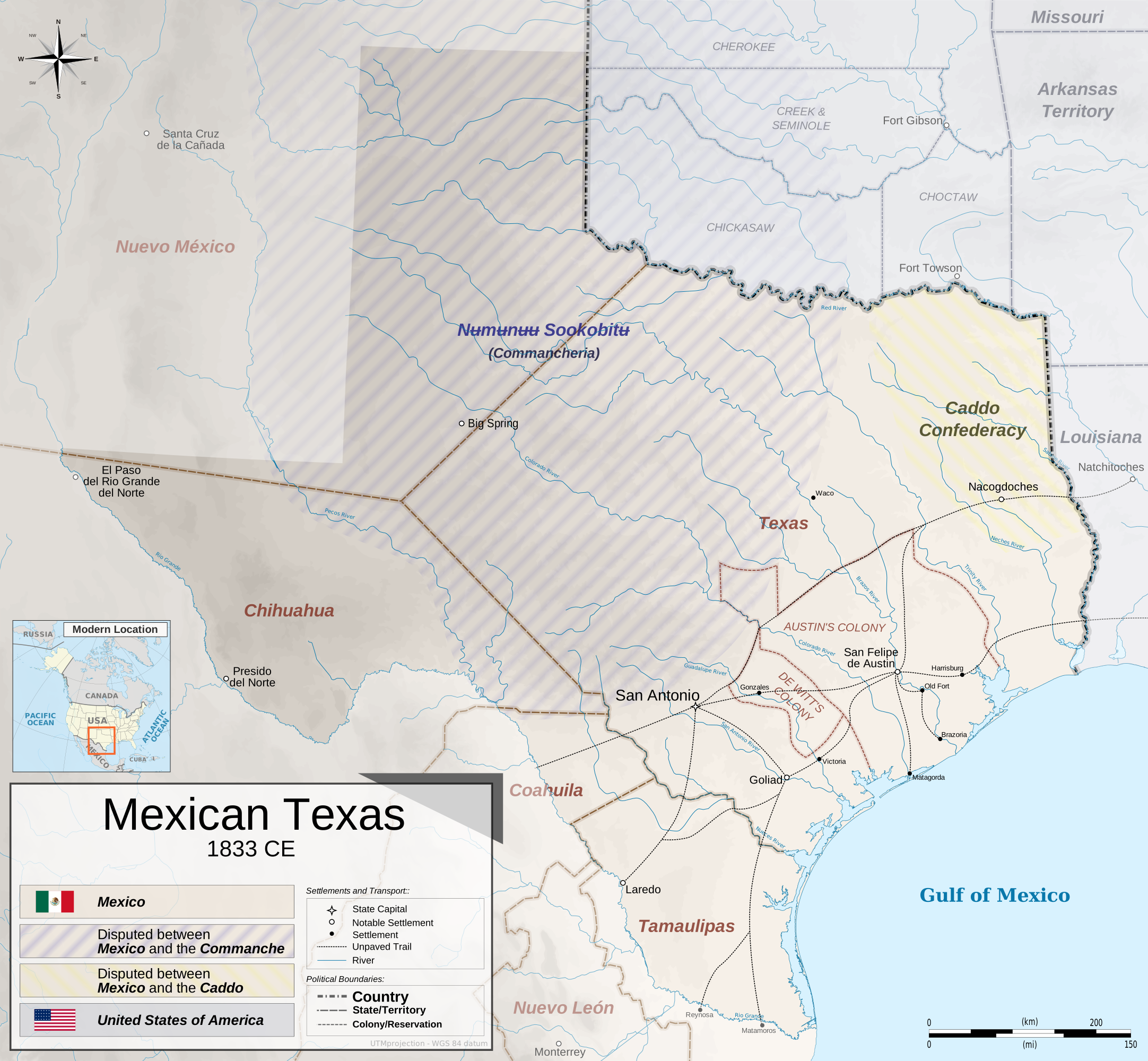
The early 19th century brought dramatic shifts. Mexico gained its independence from Spain in 1821, inheriting the vast, sparsely populated territory of Texas. Keen to develop the region and provide a buffer against potential U.S. expansion, the newly formed Mexican government initiated an empresario system, inviting American settlers to establish colonies. The most successful of these empresarios was Stephen F. Austin, who brought his “Old Three Hundred” families to the rich lands between the Brazos and Colorado Rivers.
These American settlers, largely Anglo-Protestant and accustomed to self-governance, quickly transformed the landscape. They brought with them cotton farming, a slave-based economy, and a culture distinct from the predominantly Catholic, Spanish-speaking Mexican population. This period laid the groundwork for future conflicts, as cultural differences, coupled with Mexico’s increasing centralization of power and restrictions on immigration and slavery, created growing tensions.
For modern travelers, tracing the path of these early settlers provides a unique historical journey. Sites like Washington-on-the-Brazos State Historic Site offer a tangible connection to this era. Known as the “Birthplace of Texas,” it’s where the Texas Declaration of Independence was signed. Visitors can explore a replica of Independence Hall, pioneer farmsteads, and a museum that vividly portrays the lifestyle and challenges faced by these early colonists. This is a must-see landmark for anyone interested in the American Westward expansion and the formation of new societies. The experience offers educational insights into the rugged lifestyle of the time, perfect for family trips or history enthusiasts.
The Call to Arms: The Texas Revolution
The simmering tensions between the Mexican government and the American colonists erupted into open rebellion in 1835. What followed was a series of pivotal events that would forever shape the destiny of Texas, creating legendary figures and battle cries that resonate to this day.
The Siege of the Alamo and Goliad Massacre
The early stages of the revolution were marked by fierce determination against overwhelming odds. The siege of the Alamo in February-March 1836 is arguably the most famous and poignant episode. Under the command of William B. Travis, and including iconic figures like Davy Crockett and James Bowie, a small force of Texan defenders held out for 13 days against thousands of Mexican troops led by General Antonio López de Santa Anna. Their valiant stand, though ending in defeat and the annihilation of nearly all defenders, became a rallying cry: “Remember the Alamo!”
Just weeks later, another tragedy unfolded at Goliad. After surrendering, Colonel James Fannin and his men were massacred by Mexican forces under Santa Anna’s orders. These devastating losses, rather than crushing the Texan spirit, galvanized it, fueling a thirst for revenge and independence.

Today, visiting the Alamo in San Antonio is an incredibly moving experience. While the physical structure is smaller than often imagined, its spiritual weight is immense. Guides and exhibits help visitors understand the sacrifices made there. Similarly, Goliad State Park & Historic Site offers a somber yet essential stop, featuring a reconstructed Mission Espíritu Santo and the Presidio La Bahía, where Fannin’s men were imprisoned. These sites are crucial landmarks for understanding the ferocity and cost of the revolution. Accommodation options near these historical sites often include charming local hotels or even camping facilities for those seeking a more rugged, immersive experience.
The Battle of San Jacinto and the Birth of the Republic
The tide turned decisively at the Battle of San Jacinto on April 21, 1836. Led by General Sam Houston, the Texan army, fueled by the memory of the Alamo and Goliad, launched a surprise attack on Santa Anna’s forces near present-day Houston. The battle was a resounding victory for the Texans, lasting only 18 minutes, and resulted in Santa Anna’s capture. This decisive engagement secured Texas’s independence from Mexico.
The San Jacinto Monument and Museum of History stands as a towering tribute to this victory. At 567 feet, it is the tallest masonry column in the world, taller than the Washington Monument. Visitors can take an elevator to the observation deck for panoramic views of the battlefield and the Houston Ship Channel. The museum at its base provides a comprehensive overview of early Texas history, making it a pivotal landmark for understanding the state’s path to statehood. For those planning a trip to Houston, dedicating a day to this site offers a powerful educational experience and a chance to explore a significant piece of American history. Nearby, travelers can find a range of hotels, from budget-friendly options to luxury resorts, catering to various travel styles.
The Republic and Annexation: A New Nation Joins the Union
Following the victory at San Jacinto, Texas existed for nearly a decade as an independent nation – the Republic of Texas. This period (1836-1845) was fraught with challenges, including continued threats from Mexico, financial instability, and debates over its future. Prominent figures like Sam Houston and Mirabeau B. Lamar served as presidents, navigating the young republic through its tumultuous early years.
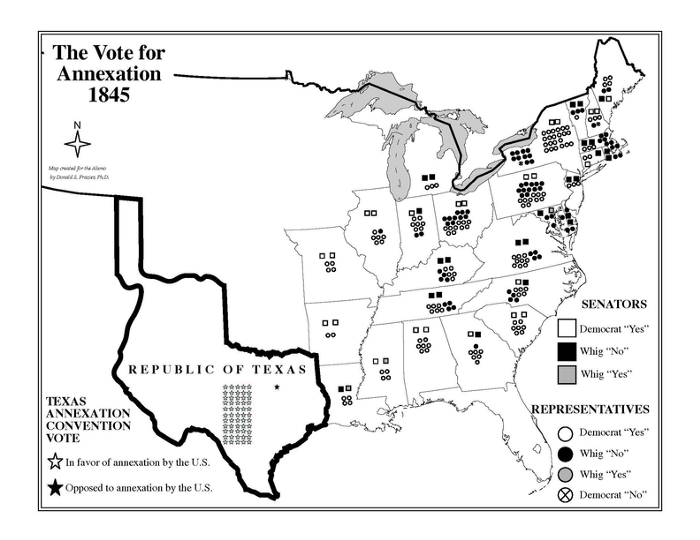
The ultimate desire of most Texans, and many Americans, was annexation by the United States. However, the issue was highly contentious in the U.S., primarily due to the debate over slavery and the potential for war with Mexico. After years of political maneuvering, Texas was finally annexed by the U.S. in 1845, becoming the 28th state.
Visiting the former capital sites of the Republic of Texas provides a fascinating glimpse into this era. While the current state capital, Austin, boasts the impressive Texas State Capitol building (another significant landmark), it’s important to remember that cities like Columbia (now West Columbia) and Houston also served as capitals. Exploring Austin today offers a vibrant blend of history and a bustling modern lifestyle, with excellent hotels, diverse cuisine, and a lively music scene, all set against the backdrop of iconic historical architecture.
The Mexican-American War and the Final Boundaries
Annexation did, as many feared, lead directly to war with Mexico. Disputes over the exact boundary of Texas – the U.S. claimed the Rio Grande, while Mexico insisted on the Nueces River – were a primary catalyst. The Mexican-American War (1846-1848) resulted in a decisive American victory and fundamentally reshaped the map of North America.
The war concluded with the signing of the Treaty of Guadalupe Hidalgo in 1848. Under this treaty, Mexico ceded vast territories, including present-day California, Nevada, Utah, Arizona, and parts of Wyoming, Colorado, and New Mexico, to the United States. Crucially for Texas, the treaty officially recognized the Rio Grande as its southern and western border. This established the final boundaries of Texas as we know them today, completing the complex process of its acquisition.
While specific battlefields of the Mexican-American War might be further afield for a dedicated Texas historical tour, the war’s impact is visible in the cultural tapestry of cities like El Paso, which sits directly on the border, embodying a vibrant blend of American and Mexican influences. Exploring these border regions offers a unique perspective on the historical and ongoing cultural exchange that defines this part of Texas. Travelers interested in local culture and food will find an incredible culinary scene in El Paso, reflecting centuries of cross-cultural interaction.
Experiencing the Legacy: Travel and Tourism in Historical Texas
Understanding “How Did We Get Texas?” is more than just recalling dates and names; it’s about connecting with a profound narrative that has shaped a unique American identity. For those passionate about travel, history, and rich cultural experiences, Texas offers an unparalleled journey through its past.
Planning Your Historical Texas Adventure:
- Historical Road Trips: Consider a multi-day road trip that connects San Antonio’s missions and the Alamo, Goliad’s somber historical park, Washington-on-the-Brazos’s birthplace of independence, and the towering San Jacinto Monument near Houston. Each stop provides distinct insights into the formation of Texas.
- Accommodation with Character: Seek out boutique hotels in historic districts of San Antonio or Austin, offering a blend of modern amenities and period charm. Many cities offer unique accommodation experiences, from historic inns to luxurious resorts that cater to a lifestyle of refined exploration.
- Cultural Immersion: Beyond the landmarks, delve into the local culture. Enjoy authentic Tex-Mex cuisine, attend a rodeo, listen to live country or Tejano music, and explore local museums that showcase the art and heritage of Texas’s diverse populations.
- Family-Friendly Exploration: Many historical sites offer interactive exhibits and educational programs designed for children, making a historical tour of Texas an engaging and enriching family trip.
- Budget to Luxury: Whether you’re a budget traveler or seeking luxury travel experiences, Texas has options. From affordable state park camping near historical sites to five-star hotels in bustling cities like Dallas or Houston, you can tailor your trip to your preferences.
The narrative of how Texas came to be is a testament to the human spirit’s resilience, ambition, and pursuit of freedom. It’s a story etched into its landscapes, preserved in its landmarks, and celebrated in its vibrant culture. Embarking on a journey through historical Texas is more than just sightseeing; it’s an immersive experience that allows travelers to walk in the footsteps of pioneers, patriots, and revolutionaries, gaining a deeper appreciation for the rich heritage of the Lone Star State.
LifeOutOfTheBox is a participant in the Amazon Services LLC Associates Program, an affiliate advertising program designed to provide a means for sites to earn advertising fees by advertising and linking to Amazon.com. Amazon, the Amazon logo, AmazonSupply, and the AmazonSupply logo are trademarks of Amazon.com, Inc. or its affiliates. As an Amazon Associate we earn affiliate commissions from qualifying purchases.