
Navigating the complexities of vehicle registration can often feel like a journey through an unfamiliar landscape, especially when you’re new to a state or acquiring a new vehicle. For those establishing roots or simply planning an extended stay in the vast and vibrant state of Texas, understanding the car registration process is not just a bureaucratic necessity, but a crucial step towards unlocking the full potential of its open roads, bustling cities, and serene natural landmarks. Whether you’re dreaming of road-tripping through the scenic Hill Country, exploring the historic streets of San Antonio, enjoying the vibrant culture of Austin, or experiencing the metropolitan energy of Houston and Dallas, a properly registered vehicle is your ticket to seamless exploration and convenience. This comprehensive guide aims to demystify the process, ensuring your car is legally ready for all your adventures across the Lone Star State.
Understanding the Texas Car Registration Landscape
Texas operates under a system that requires all vehicles to be properly registered with the state. This involves a multi-step process that ensures your vehicle meets safety and environmental standards, and that you contribute to the state’s infrastructure through registration fees. The primary agencies involved in this process are the Texas Department of Motor Vehicles (TxDMV), the Texas Department of Public Safety (TxDPS), and local County Tax Assessor-Collector offices. Each plays a distinct role, from issuing titles and registration stickers to conducting inspections and collecting fees. Familiarizing yourself with these entities and their functions will streamline your registration journey.
The registration requirement applies to all residents who own or lease a vehicle and intend to operate it on public roads. Even if you’re a long-term visitor, understanding the grace periods for new residents is essential. Typically, new residents have 30 days to register their out-of-state vehicles once they establish residency in Texas. Failing to comply can result in fines and other penalties, so prompt action is always advisable. This guide will walk you through everything from gathering your documents to understanding the inspection process and finally securing your registration sticker.
The Initial Registration Process: A Step-by-Step Guide
Registering your car for the first time in Texas, whether it’s a brand-new purchase or a vehicle brought from another state, involves a few distinct stages. Being prepared at each stage is key to avoiding delays and ensuring a smooth experience.
Gathering Your Essential Documents
Before you even think about heading to an inspection station or a government office, the first crucial step is to meticulously gather all the necessary paperwork. Missing even one document can set you back significantly.
- Proof of Ownership: This is typically your vehicle’s title. If you’ve just purchased a new vehicle from a dealership, they usually handle the title transfer for you. For private sales, you’ll need a properly assigned title (from the seller to you) and potentially a Bill of Sale. If you’re moving from another state, you’ll need your out-of-state title or, if your vehicle is financed, your current registration and lienholder information.
- Proof of Texas Liability Insurance: All drivers in Texas are legally required to carry minimum liability insurance. You’ll need to provide proof of this insurance, such as an insurance card or policy declaration, valid for operation in Texas. Make sure your policy meets the state’s minimum coverage requirements, which are currently 30/60/25 (meaning $30,000 per injured person, up to $60,000 per accident, and $25,000 for property damage). Many reputable insurance providers operate within the state, offering various plans to suit your needs, whether you’re living in a bustling city like Houston or a more rural setting.
- Current Identification: You’ll need a valid photo ID, such as a Texas Driver’s License or an unexpired out-of-state driver’s license.
- Proof of Vehicle Inspection: This document comes after your vehicle has passed its safety and emissions inspection, which is the next critical step.
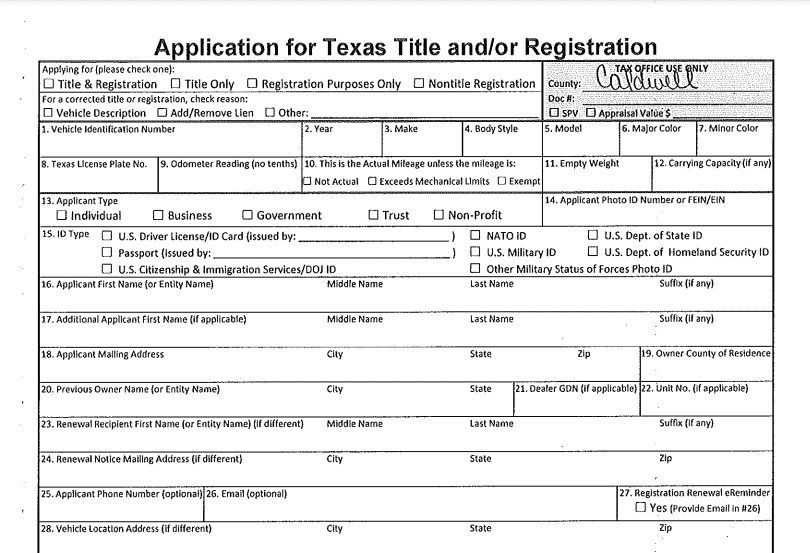
- Form 130-U, Application for Texas Title and/or Registration: While not always required to be filled out beforehand for a simple renewal, for initial registration, especially for out-of-state vehicles, having this form ready can expedite the process. It’s available on the TxDMV website.
- Payment for Fees and Taxes: Be prepared to pay applicable registration fees, sales tax (if purchasing privately and sales tax hasn’t been paid), and any other county-specific fees. Payment methods usually include cash, check, or credit/debit card, though this can vary by county office.
The Vehicle Inspection Requirement
Before you can officially register your vehicle, it must pass a safety inspection and, in certain counties, an emissions inspection. This “two-steps, one sticker” system means that once your vehicle passes, the inspection station will electronically report the results to the state, and you’ll receive a Vehicle Inspection Report (VIR).
- Safety Inspection: All vehicles registered in Texas must pass an annual safety inspection. This check includes brakes, lights, tires, steering, horn, mirrors, seatbelts, window tint, and exhaust system. The goal is to ensure your vehicle is safe to operate on Texas roads, protecting not just you but also other drivers and pedestrians.
- Emissions Inspection: If you reside in one of Texas’s 17 designated counties, including those that encompass major metropolitan areas like Houston (Harris County), Dallas (Dallas County), Fort Worth (Tarrant County), Austin (Travis County), and San Antonio (Bexar County), your vehicle will also need to pass an emissions inspection. This test checks for harmful pollutants and is part of the state’s efforts to maintain air quality, particularly in densely populated areas where tourism thrives and a high quality of life is desired.
- Finding an Inspection Station: You can find an authorized vehicle inspection station by looking for signs displaying the “Official Vehicle Inspection Station” logo. Many repair shops and dealerships are authorized to conduct these inspections. The inspection fee is typically paid directly to the station. Once passed, the electronic record is created, allowing you to proceed to the next step.
Visiting Your County Tax Assessor-Collector
With your documents in hand and your inspection passed, the final step for initial registration is a visit to your local County Tax Assessor-Collector office. This is where you’ll officially register your vehicle and receive your registration sticker and license plates.
- Location: The County Tax Assessor-Collector office is usually listed on your county’s official website. For example, if you live in Austin, you’d visit the Travis County Tax Assessor-Collector. If you’re in Houston, it would be the Harris County Tax Assessor-Collector.
- What to Bring: Make sure you have your:
- Proof of Ownership (Title, or current registration for out-of-state financed vehicles)
- Proof of Texas Liability Insurance
- Valid Photo ID
- Proof of Passed Vehicle Inspection (VIR)
- Payment for registration fees, title fees, and any applicable sales tax (for private purchases where sales tax hasn’t been paid).
- The Process: At the office, a clerk will review your documents, verify your vehicle’s inspection status (via the electronic record), collect the necessary fees, and issue your new Texas license plates and registration sticker. The sticker must be affixed to the lower-right corner of your vehicle’s front windshield.

Renewing Your Texas Vehicle Registration
Once your vehicle is initially registered, you’ll need to renew it annually. Texas has made the renewal process quite convenient, offering several options to suit your preference.
Online, Mail, or In-Person Renewal
Approximately six weeks before your registration expires, you should receive a renewal notice in the mail from the TxDMV. This notice will include your current registration information, inspection requirements, and renewal options.
- Online Renewal (Texas by Texas portal or TxDMV website): This is often the quickest and most convenient method. You’ll need your registration renewal notice (or license plate number and last 4 digits of your VIN), proof of current Texas liability insurance, and a valid inspection report on file. Most vehicles are eligible for online renewal unless there’s a hold on your record (e.g., unpaid tolls, outstanding tickets). The new sticker will be mailed to you.
- Mail Renewal: You can mail your renewal notice, proof of insurance, and payment to your County Tax Assessor-Collector office. Ensure you send it with ample time before your expiration date.
- In-Person Renewal: If you prefer, or if you have specific issues that require a face-to-face interaction, you can renew in person at your County Tax Assessor-Collector office or at authorized subtax collector locations (e.g., some grocery stores or private businesses that offer this service). You’ll need your renewal notice, proof of insurance, and payment. This option allows you to receive your sticker immediately.
Regardless of the method, remember that your vehicle must have a current passed safety and emissions inspection (if applicable) on record before you can renew your registration. The “two-steps, one sticker” system means the inspection must be completed before the renewal.
Navigating Special Circumstances and Common Questions
While the general registration process is straightforward, certain situations might require additional steps or considerations.
Out-of-State Vehicles and New Residents
As mentioned, new residents to Texas have 30 days to register their out-of-state vehicles after establishing residency. The process largely follows the initial registration steps outlined above. You’ll need your out-of-state title (or current registration and lienholder details if financed), proof of Texas insurance, a passed Texas inspection, and your valid identification. The state will issue you new Texas license plates. This is a critical step for anyone relocating to Texas to explore its diverse job markets, vibrant cities, or relaxed lifestyle.
Leased Vehicles and Other Scenarios
- Leased Vehicles: If your vehicle is leased, the leasing company typically holds the title. You’ll still be responsible for the inspection and providing proof of insurance. The leasing company will often handle the registration and renewal, but you should confirm their process and your responsibilities. You may need to provide them with the inspection report.
- Non-Operational Vehicles: If your vehicle is not operational and will not be driven on public roads, it doesn’t need to be registered. However, if you plan to operate it even occasionally, it must be registered.
- Temporary Permits: If you’ve just purchased a vehicle and need to drive it before you can complete the full registration process, you might be eligible for a temporary permit. These are usually issued by dealerships or the TxDMV under specific circumstances.
Tips for a Seamless Registration Experience
Making your car registration experience as smooth as possible allows you to focus on enjoying all that Texas has to offer, from exploring historical landmarks to indulging in local cuisine and diverse tourism experiences.
- Plan Ahead: Don’t wait until the last minute. Start gathering documents and scheduling your inspection well before your registration expires or the 30-day new resident window closes.
- Utilize Online Resources: The TxDMV website (www.txdmv.gov) is an invaluable resource for forms, detailed instructions, and FAQs. You can also use online tools to check your inspection status or find your local County Tax Assessor-Collector office. The Texas by Texas portal (Texas by Texas) offers a convenient platform for various state services.
- Double-Check Documents: Before leaving your home, review all your documents to ensure nothing is missing or expired.
- Check Office Hours and Wait Times: If visiting in person, check the specific office hours of your County Tax Assessor-Collector office. Some offices also provide estimated wait times online. Consider visiting during off-peak hours to minimize delays.
- Be Aware of Fees: Understand the various fees involved: inspection fees, title transfer fees, registration fees, and potentially local option fees. Having the correct payment method ready will prevent holdups.
- Keep Records: After successful registration, keep your Vehicle Inspection Report, registration receipt, and proof of insurance in your vehicle. It’s also wise to keep digital copies on your phone or in the cloud.
Registering your car in Texas is a manageable process when approached systematically. By understanding the requirements, gathering the necessary documents, and utilizing the available resources, you can ensure your vehicle is road-ready, allowing you to fully immerse yourself in the Texas way of life, from its bustling urban centers to its tranquil natural retreats. Whether your journey takes you to the Gulf Coast for a beach vacation or deep into the heart of the state for a ranch experience, a properly registered vehicle ensures you’re ready for every adventure.
LifeOutOfTheBox is a participant in the Amazon Services LLC Associates Program, an affiliate advertising program designed to provide a means for sites to earn advertising fees by advertising and linking to Amazon.com. Amazon, the Amazon logo, AmazonSupply, and the AmazonSupply logo are trademarks of Amazon.com, Inc. or its affiliates. As an Amazon Associate we earn affiliate commissions from qualifying purchases.