
In a world increasingly defined by wanderlust and the pursuit of a flexible, location-independent lifestyle, entrepreneurs are constantly seeking innovative ways to combine their passion for travel with their professional ambitions. For many, establishing a robust legal framework for their business is a critical first step towards achieving this dream. If you’re considering launching a venture that offers the freedom to explore diverse destinations, manage a short-term rental portfolio, consult remotely, or even operate a boutique travel agency, forming a Limited Liability Company (LLC) in Texas can provide an ideal foundation.
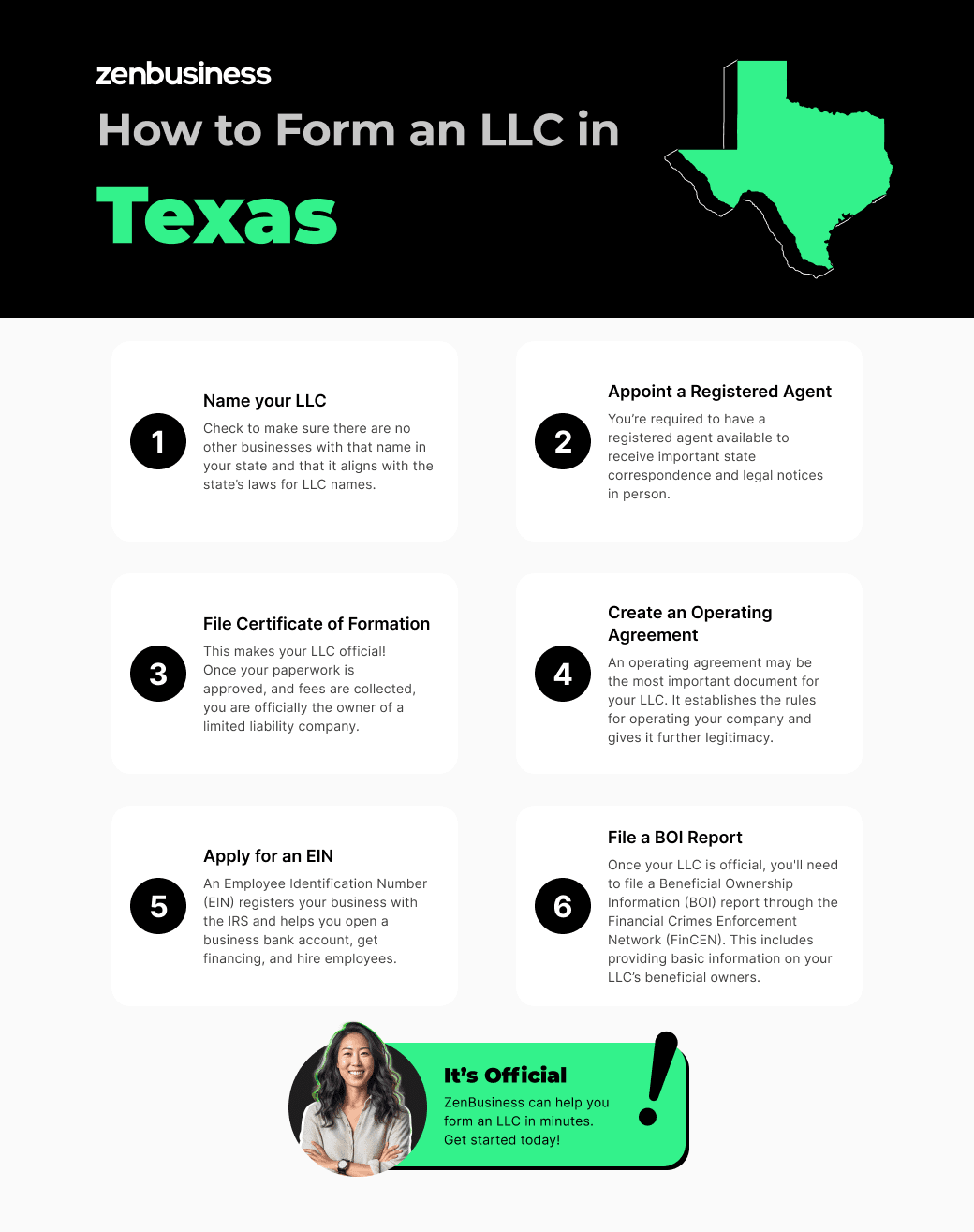
The Lone Star State stands out not only for its rich history, vibrant culture, and stunning landmarks, but also for its incredibly business-friendly environment. From the bustling metropolitan hubs of Dallas and Houston to the artistic enclaves of Austin and the historic charm of San Antonio, Texas offers a diverse landscape for both personal adventure and entrepreneurial success. This guide will walk you through the process of forming an LLC in Texas, specifically tailored for those looking to build a business that supports or is directly involved in a travel-rich lifestyle.
Why Texas is a Prime Launchpad for Your Travel Business
Before diving into the specifics of LLC formation, it’s worth understanding why Texas is such an appealing choice for entrepreneurs, especially those eyeing a mobile or travel-centric business model. The state offers a unique blend of economic advantages and cultural richness that can significantly benefit your venture.
The Entrepreneurial Spirit of the Lone Star State
Texas has long been synonymous with big ideas and even bigger opportunities. Its economy is diversified and robust, fostering an environment where innovation thrives. For travel entrepreneurs, this means access to a broad market, potential collaborators, and a dynamic ecosystem. Whether you’re conceptualizing a new travel tech platform, managing accommodation options like vacation rentals across various Texas cities, or developing specialized tours and experiences, the state provides fertile ground. The spirit of self-reliance and enterprise is palpable, making it an inspiring place to establish your business roots before taking your services global.
Favorable Business Environment and No State Income Tax
One of the most significant drawcards of forming an LLC in Texas is the state’s favorable tax structure. Unlike many other states, Texas does not levy a state income tax on individuals or businesses. While LLCs are subject to a franchise tax (more on that later), the absence of state income tax can result in substantial savings, freeing up more capital to invest in your travels, expand your business, or simply enhance your lifestyle. This fiscal advantage, combined with a generally pro-business regulatory environment, makes Texas an attractive legal home for your ventures, particularly if your goal is to minimize overheads while maximizing profit to fund your global adventures.
The Essential Steps to Forming Your Texas LLC
Creating an LLC in Texas is a straightforward process, designed to be accessible even for those new to business formation. By following these key steps, you can confidently establish your legal entity and begin operating your travel-focused business.
Step 1: Choosing and Securing Your LLC Name
The first and arguably most creative step is selecting a distinctive name for your LLC. This name will represent your brand, whether you’re curating luxury travel experiences or offering budget-friendly guides to hidden attractions. Your chosen name must:
- Be distinguishable from other registered business entities in Texas.
- Include “Limited Liability Company,” “Limited Company,” or an abbreviation like “LLC” or “LC.”
- Not contain words that might imply governmental affiliation (e.g., “Treasury,” “State Department”).
- Not include certain restricted words (e.g., “Bank,” “Attorney,” “University”) without additional licensure or documentation.
It’s crucial to perform a name availability search through the Texas Secretary of State website to ensure your desired name hasn’t already been taken. Once you’ve confirmed its availability, you might consider reserving the name for a fee, which holds it for 120 days while you complete the other formation steps. This is particularly useful if your business name is catchy and you want to protect it while you’re busy planning your next trip or designing your website.
Step 2: Designating a Registered Agent
Every LLC in Texas is required to have a registered agent. This is a critical point for digital nomads and frequent travelers. The registered agent is an individual or a company physically located in Texas who is authorized to receive legal documents, service of process, and official government correspondence on behalf of your LLC.
- Who can be a Registered Agent? An individual who is a resident of Texas or a domestic or foreign entity authorized to transact business in Texas. They must have a physical street address in Texas (not a P.O. box).
- Why is this important for travelers? As a travel entrepreneur, you might often be away from your primary residence or even outside the state. A reliable registered agent ensures that you never miss important legal notices or government communications, regardless of where your travels take you, from a resort in the Caribbean to a remote village in Southeast Asia. Many entrepreneurs choose a professional registered agent service for this reason, providing an extra layer of peace of mind.
Step 3: Filing Your Certificate of Formation
This is the foundational document that officially creates your LLC in Texas. The Certificate of Formation must be filed with the Texas Secretary of State. It requires basic information about your LLC, including:
- The name of your LLC.
- The name and address of your registered agent.
- The names and addresses of the organizer(s) of the LLC (the person or entity filing the document).
- A declaration that the LLC has one or more members.
- The purpose of the LLC (which can be broad, such as “for any lawful purpose”).
- The effective date of formation.
You can typically file this document online through the Texas Secretary of State’s SOSDirect website, by mail, or in person. Filing online is generally the fastest method, allowing you to get your business up and running swiftly so you can focus on planning your next adventure.
Step 4: Crafting a Robust Operating Agreement

While not legally required to file with the state, an Operating Agreement is perhaps the most crucial internal document for any LLC. It’s essentially the rulebook for your business, outlining the rights and responsibilities of members, how profits and losses are distributed, voting rights, and procedures for adding or removing members.
- Key components: Member contributions, profit/loss distribution, management structure (member-managed or manager-managed), decision-making processes, buy-sell provisions, and dissolution procedures.
- Why it’s essential for travel entrepreneurs: Especially if you have business partners or are planning to scale, a clear operating agreement prevents disputes and provides a solid framework for managing your business, even when you’re geographically dispersed. Imagine running a global booking platform from a beachside hotel in Bali – a well-defined operating agreement ensures everyone understands their role and responsibilities, maintaining seamless operations regardless of your location. It offers clarity and security, essential components for any aspiring digital nomad.
Step 5: Obtaining an Employer Identification Number (EIN)
An EIN is a nine-digit tax identification number issued by the IRS, much like a Social Security number for an individual. Most LLCs will need an EIN, especially if:
- You plan to hire employees (even if you’re traveling, you might hire virtual assistants or local guides).
- Your LLC has multiple members.
- You elect for your LLC to be taxed as a corporation.
You can obtain an EIN for free directly from the IRS website. It’s a quick online application that usually takes just a few minutes. Once you have your EIN, you can open a business bank account, which is a critical step for maintaining financial clarity and separating personal and business finances – a hallmark of responsible entrepreneurship, vital when managing finances across different time zones and currencies.
Leveraging Your Texas LLC for a Global Lifestyle
With your Texas LLC formally established, you’ve unlocked a powerful tool to support your travel-centric lifestyle. The benefits extend beyond mere legal compliance, offering strategic advantages for digital nomads and travel entrepreneurs alike.
Asset Protection for Peace of Mind While Traveling
One of the primary reasons to form an LLC is the limited liability protection it offers. As an LLC owner, your personal assets (your home, personal bank accounts, savings for future trips) are generally shielded from the business’s debts and liabilities. If your business faces a lawsuit or financial challenges, your personal wealth remains protected. This peace of mind is invaluable when you’re exploring remote destinations or enjoying a stay at a luxurious resort. Knowing your personal finances are secure allows you to focus fully on your travel experiences without the lingering worry of business risks impacting your family’s financial future.
Enhancing Your Professional Image and Credibility
Operating under a formal business structure like an LLC instantly elevates your professional image. Whether you’re pitching to clients for a travel photography gig, partnering with hotels for promotional content, or negotiating with tour operators for group packages, having an LLC signals seriousness and legitimacy. It can make it easier to secure contracts, attract investors, and build trust with clients who might be spread across various countries. A business name followed by “LLC” projects a sense of stability and commitment, which is particularly important in the competitive travel industry.
Navigating Tax Benefits and Deductions
While we noted the absence of state income tax, an LLC can also open doors to various federal tax benefits and deductions relevant to a travel business. Depending on how your LLC is taxed (pass-through entity or S-Corp/C-Corp election), you might be able to deduct legitimate business expenses, including:
- Business travel: If your travel directly relates to your business (e.g., scouting new destinations for your travel blog, meeting hotel partners, attending tourism conferences), these expenses could be deductible.
- Home office deductions: For digital nomads operating from a dedicated space, even if it’s a co-working space you rent in various cities, certain costs may be deductible.
- Professional development: Costs associated with learning new skills or technologies relevant to your travel business (e.g., digital marketing courses, photography workshops in exotic locales).
It’s always advisable to consult with a tax professional specializing in small businesses and international tax law to fully understand and maximize these benefits, especially when your operations and travels span multiple jurisdictions.
Maintaining Your Texas LLC for Long-Term Success
Forming your LLC is just the beginning. To ensure its longevity and continued compliance, especially as you travel and grow your business, ongoing maintenance is crucial.
Annual Compliance and Franchise Tax Considerations
In Texas, LLCs are subject to an annual franchise tax report. This report, filed with the Texas Comptroller of Public Accounts, calculates a tax based on your business’s gross receipts, with certain exemptions and deductions available. Many smaller LLCs fall below the revenue threshold that requires actual tax payment, but the report itself must still be filed annually. Failing to file can lead to penalties and eventually the forfeiture of your LLC’s good standing, which can have significant legal and financial repercussions. Keeping track of these deadlines, perhaps with the help of your registered agent or accounting software, is essential, even when you’re enjoying a local food tour in Mexico City or exploring ancient ruins in Rome.

Business Bank Accounts and Financial Management
As mentioned earlier, opening a separate business bank account for your LLC is not just a good practice—it’s vital for maintaining the limited liability protection. Co-mingling personal and business funds can “pierce the corporate veil,” potentially exposing your personal assets to business liabilities. A dedicated business account simplifies accounting, especially when tracking expenses for tax purposes, and provides clarity for financial decisions related to booking flights, reserving accommodations, or investing in new travel technology. Utilizing online banking tools and cloud-based accounting software can make managing your Texas LLC’s finances seamless, no matter where in the world you choose to set up your temporary office.
Forming an LLC in Texas offers an empowering pathway for travel enthusiasts and digital nomads to formalize their business ventures, secure their assets, and enhance their professional standing. By carefully navigating the formation steps and diligently adhering to ongoing compliance, you can build a resilient foundation for a business that not only thrives but also actively facilitates the enriching, adventurous lifestyle you envision. Whether your goal is to manage a portfolio of short-term rental villas in Texas, offer specialized tours of global landmarks, or simply run a remote consultancy that funds your continuous journey, a Texas LLC can be your reliable partner on the road to success and endless exploration.
LifeOutOfTheBox is a participant in the Amazon Services LLC Associates Program, an affiliate advertising program designed to provide a means for sites to earn advertising fees by advertising and linking to Amazon.com. Amazon, the Amazon logo, AmazonSupply, and the AmazonSupply logo are trademarks of Amazon.com, Inc. or its affiliates. As an Amazon Associate we earn affiliate commissions from qualifying purchases.