
Embarking on the journey to obtain a learner’s permit in Texas is more than just a step towards getting a driver’s license; it’s the gateway to unprecedented freedom, exploration, and the ability to weave your own travel narratives across the vast landscapes of the Lone Star State. Imagine the open road stretching before you, leading to charming small towns, vibrant cityscapes, and majestic natural landmarks. This permit is your first true milestone on the path to independent travel, offering a taste of the adventure that awaits when you can navigate Texas on your own terms. Whether your aspirations involve a scenic drive through the Texas Hill Country, a weekend escape to Galveston Island, or simply the convenience of running errands, the learner’s permit is where it all begins. It signifies a transition, a new chapter in your lifestyle that promises enhanced mobility and the thrill of discovery. This guide will meticulously walk you through every requirement and step, ensuring your path to securing a learner’s permit in Texas is as smooth and straightforward as a well-planned itinerary.

Eligibility and Preparation: Laying the Foundation for Your Texas Road Trip
Before you can even dream of hitting the highway, understanding the fundamental requirements and preparing adequately is paramount. Think of this phase as your preliminary research for an exciting destination; just as you’d check visa requirements and local customs, you need to confirm your eligibility and gather the necessary “travel documents” for your learner’s permit application. This foundational work ensures that when you arrive at the Texas Department of Public Safety (DPS) office, you are fully equipped for success, avoiding any unnecessary detours or delays.
Who Can Apply? Age Requirements and Driver Education
In Texas, the journey to a learner’s permit typically begins at the age of 15. This minimum age requirement is a critical starting point, signaling that applicants are approaching a stage in life where they can begin to take on the responsibilities of driving. However, simply turning 15 isn’t enough; the state mandates that all applicants under 18 complete a comprehensive driver education course. This isn’t just a formality; it’s an essential component designed to instill safe driving practices and a thorough understanding of road rules before you ever sit behind the wheel.
There are several pathways to fulfilling the driver education requirement, catering to various learning lifestyles and schedules. You can opt for a traditional classroom setting, where structured lessons and peer interaction can enrich the learning experience. Many find this method beneficial for direct engagement with instructors and clear curriculum progression. Alternatively, the flexibility of an online driver education course has become increasingly popular. These courses allow you to learn at your own pace, from the comfort of your home, making it an ideal choice for those balancing school, work, or other commitments. For instance, reputable online providers offer state-approved programs that are easily accessible, much like booking an accommodation online for a future trip. Some high schools also offer driver education as part of their curriculum, providing a convenient option for students. Regardless of the method chosen, the course typically involves 32 hours of classroom instruction (or its online equivalent) and an additional 14 hours of in-car observation and practice.
For applicants under 18, parental consent is another non-negotiable requirement. A parent or legal guardian must accompany the minor to the DPS office to sign the application, affirming their approval for the minor to begin the driving process. This ensures that guardians are aware and supportive of their child’s pursuit of a permit, emphasizing the shared responsibility in fostering new drivers. Completing driver education and securing parental consent are the initial but vital steps, setting a solid foundation for your upcoming driving adventures, much like securing your passport and flight details before embarking on an international tourism experience.
Gathering Your Essential Documents: A Checklist for Your Journey
Just as a seasoned traveler meticulously packs their luggage and organizes travel documents, obtaining a learner’s permit demands careful preparation of required paperwork. Think of these documents as your itinerary and identification for your personal journey towards driving independence. Arriving at the DPS office without the complete set of required items can lead to immediate rejection, necessitating a frustrating return trip. To avoid such a setback, it’s crucial to prepare a comprehensive checklist.
First and foremost, you’ll need proof of identity. This typically includes a valid birth certificate or a U.S. passport. These documents establish who you are with undeniable certainty. Next, proof of your Social Security number is required; your Social Security card is the easiest way to provide this. For those who may not have their card readily available, other forms of documentation, such as a W-2 form or a Social Security Administration (SSA) statement, can sometimes be accepted, but it’s always best to bring the card itself if possible.
Crucially, you’ll also need proof of U.S. citizenship or lawful presence. For U.S. citizens, the birth certificate or passport typically covers this. Non-citizens applying for a permit will need to present appropriate immigration documents from the U.S. Department of Homeland Security that verify their legal status in the country. This is akin to providing visa documentation when entering a foreign country.
Proof of Texas residency is another vital component. The DPS requires two documents that confirm your current address in Texas. Examples include a utility bill, a bank statement, a school transcript, or a lease agreement. These documents must clearly show your name and current residential address. For minors, parental residency documents coupled with a statement establishing the parent-child relationship can often suffice.
For students under 18, proof of school enrollment or a high school diploma/GED is mandatory. This confirms that you are either actively pursuing an education or have completed secondary schooling. Acceptable forms include a verification of enrollment (VOE) form from your school, a high school diploma, or a GED certificate.
Finally, you must present your Driver Education Certificate of Completion. This is the official document proving you’ve successfully finished your required driver education course, whether it was online, in a classroom, or through your high school.
Having all these documents organized in a folder or travel wallet will streamline your application process at the DPS office, much like having all your hotel booking confirmations and flight tickets in order ensures a smooth check-in at your chosen accommodation or during boarding for an exciting destination.
The Application Process: Navigating the DPS Office
With your eligibility confirmed and documents meticulously gathered, the next phase is the actual application process at a Texas DPS office. This step involves a series of interactions and tests that are essential for validating your readiness to learn to drive. Navigating the DPS can sometimes feel like traversing a bustling airport or a popular tourist attraction during peak season, so preparation and understanding the flow of the process are key to a smooth experience.
Scheduling Your Visit: Planning Your Stop at the DPS
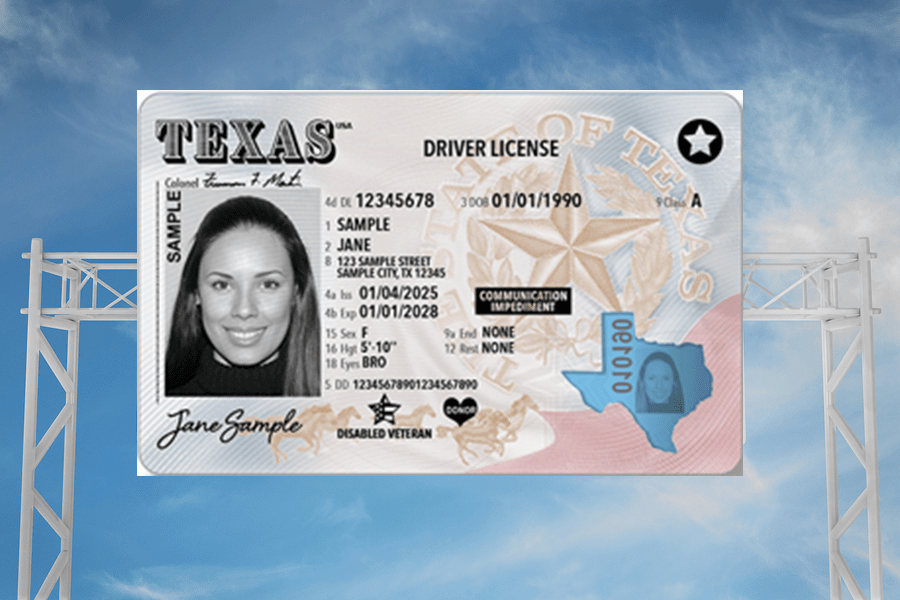
In many parts of Texas, particularly in major metropolitan areas such as Houston, Dallas, Austin, and San Antonio, DPS offices can experience significant wait times. To optimize your visit and minimize potential delays, it is highly recommended to schedule an appointment in advance. The DPS website offers an online scheduling system that allows you to select a specific date and time that works best for you. This proactive approach is akin to booking a coveted suite at a resort or securing tickets to a popular attraction ahead of time – it guarantees your spot and significantly reduces the stress associated with walk-in visits.
When scheduling, remember to choose a DPS location that is convenient for you. While some larger cities might have multiple offices, smaller towns may only have one. Consider the travel time and parking availability, treating it like planning logistics for visiting a famous landmark. Arriving promptly for your scheduled appointment is crucial; being late might result in your slot being forfeited, requiring you to reschedule. Before heading out, double-check the DPS website for any specific instructions or requirements related to appointments, as these can occasionally change. Proper planning ensures that your stop at the DPS is as efficient as checking into a pre-booked hotel, allowing you to proceed with your application without unnecessary hitches.
The Knowledge Test: Your First Step Towards the Open Road
Once you’ve successfully navigated the appointment system and presented your documents, the next significant hurdle is the written knowledge test. This exam is designed to assess your understanding of Texas traffic laws, road signs, and safe driving practices. Think of it as your essential guide to local customs and navigation before exploring a new destination. The test typically consists of multiple-choice questions covering a wide range of topics, from speed limits and right-of-way rules to what different road signs signify.
The primary resource for preparing for this test is the official Texas Driver Handbook. This comprehensive guide is available for free on the DPS website and often in print at their offices. It meticulously details everything you need to know to pass the test and, more importantly, to drive safely and responsibly. Studying this handbook thoroughly is non-negotiable. Don’t just skim it; internalize the rules, understand the reasoning behind them, and pay close attention to sections on road signs, traffic signals, and pavement markings. Many online platforms also offer practice tests, which can be invaluable tools for familiarizing yourself with the format and types of questions you’ll encounter. Utilizing these resources is like reviewing a detailed travel guide or practicing a foreign language before your trip—it builds confidence and competence. Successfully passing the knowledge test is not merely about getting your permit; it’s about demonstrating your commitment to responsible driving, a critical aspect of personal lifestyle and public safety on the roads of Texas.
Vision Test and Fees: Final Checks Before Departure
After successfully passing your knowledge test, there are a couple more crucial checks before your learner’s permit is issued. The first is a vision test. This quick screening is administered right at the DPS office to ensure your eyesight meets the minimum standards required for safe driving. Just as a pilot needs clear vision to navigate the skies, a driver needs adequate eyesight to perceive road hazards, read signs, and react appropriately. If you wear corrective lenses (glasses or contacts), you should wear them during the test, and your permit will be marked with a restriction indicating that you must wear them while driving. Should your vision not meet the standard, you might be required to consult an eye specialist and provide further documentation.
The final step involves the application fee. There is a state-mandated fee for obtaining a learner’s permit in Texas. The exact amount can be found on the DPS website, and it’s always a good idea to confirm the current fee before your visit. Most DPS offices accept various forms of payment, including cash, check, money order, and major credit cards, though it’s prudent to confirm accepted payment methods beforehand, especially in smaller offices. Paying the fee is the last transactional hurdle, much like settling your bill at a hotel checkout or purchasing a ticket for a tourism experience. Once these final checks are complete and your application is fully processed, you will be issued your official Texas Learner’s Permit, marking a significant milestone on your journey to driving independence.
What Comes Next? Driving with a Learner’s Permit in Texas
Receiving your learner’s permit is an exciting moment, a tangible symbol of your newfound freedom. However, it’s essential to understand that this permit comes with specific rules and responsibilities. Think of it as having access to a fantastic resort but needing to follow certain guidelines to ensure everyone’s safety and enjoyment. Your learner’s permit signifies that you are authorized to begin supervised driving practice, which is the most critical phase in developing the skills and confidence necessary to become a fully licensed driver.
Understanding the Restrictions: Navigating Your Provisional Freedom
Driving with a learner’s permit in Texas is not without its limitations, which are designed to ensure safety during your learning phase. The most significant restriction is that you must always have a licensed adult (21 years or older) occupying the front passenger seat next to you while you are driving. This supervising adult must hold a valid driver’s license and be capable of taking control of the vehicle if necessary. This rule is non-negotiable and is in place to provide guidance, intervene in emergencies, and reinforce safe driving habits. This is similar to having a seasoned tour guide when exploring complex or unfamiliar destinations.
Another crucial restriction is the prohibition of cell phone use. While holding a learner’s permit, you are not permitted to use a wireless communication device, even with a hands-free device, unless it’s an emergency. This rule emphasizes the importance of focused attention on the road and minimizing distractions, which is a vital lesson for all drivers, regardless of experience level. These restrictions are not meant to hinder your progress but rather to cultivate responsible driving behaviors from the very beginning, laying the groundwork for a safe and enjoyable driving lifestyle. The learner’s permit is typically valid for two years, providing ample time to complete the required practice hours and progress to the next stage of licensing. It’s a structured journey, much like following a well-designed itinerary for an extended travel experience.
The Journey to a Provisional License: Logging Your Driving Hours
The learner’s permit is essentially a training pass, and the most critical aspect of this training is accumulating supervised driving hours. For applicants under 18, Texas law mandates that you complete at least 30 hours of supervised driving practice, including a minimum of 10 hours driven at night. These hours must be logged, and a parent or guardian must certify their completion. This rigorous requirement ensures that new drivers gain extensive practical experience under various conditions before they apply for a provisional license.
Think of these driving hours as an experiential journey, allowing you to gradually explore the nuances of operating a vehicle in different environments. Practicing during the day helps you master basic maneuvers, traffic flow, and road navigation. The 10 hours of night driving are particularly vital, as driving in low-light conditions presents unique challenges, such as reduced visibility and different perceptions of distance and speed. This diverse practice helps you build confidence and competence, much like gaining experience by visiting various types of attractions and trying different activities during a tourism trip. Each hour behind the wheel, with a supervising adult providing real-time feedback, is an invaluable step towards becoming a skilled and safe driver, preparing you for the independent travel that awaits.

Exploring Texas with Your Permit: Preparing for Future Adventures
While the primary purpose of your learner’s permit is to facilitate supervised driving practice, it also offers a unique opportunity to begin exploring your immediate surroundings and beyond, all while under the watchful eye of an experienced driver. This early exposure to different driving environments within Texas can be an exciting prelude to future solo road trips and independent travel adventures. You can take advantage of these supervised drives to visit local parks, historical sites, or even different neighborhoods in your city, like the vibrant cultural districts of Houston or the historic streets of San Antonio.
Imagine driving with your supervisor to a nearby state park, getting comfortable with rural roads, or navigating the busier streets leading to a specific landmark. These experiences, even under supervision, help you gain familiarity with various road conditions, traffic patterns, and the practicalities of longer drives. You can even plan short weekend “day trips” within Texas, practicing your driving skills while concurrently discovering new parts of the state. For instance, a drive to the outskirts of Austin to visit a swimming hole, or a trip towards Dallas for a museum visit, can be both excellent practice and enjoyable mini-adventures. This gradual exposure prepares you for the sheer diversity of Texas driving, from the bustling highways to the quiet country roads. It’s an investment in your future lifestyle of independent travel, allowing you to dream of future expeditions to far-flung Texas destinations like Big Bend National Park or the beaches of Corpus Christi, knowing that you are steadily building the skills to reach them.
Getting your learner’s permit in Texas is more than just navigating bureaucratic steps; it’s embarking on a foundational journey that paves the way for a lifestyle of self-reliance and boundless exploration. From meticulously gathering your documents to diligently practicing behind the wheel, each stage builds towards the ultimate goal of independent travel and the freedom to discover every corner of the Lone Star State. This permit is your first key to unlocking the open road, allowing you to envision future road trips to vibrant cities, serene natural landmarks, and cherished personal destinations. Embrace the process, commit to responsible learning, and soon you’ll be charting your own courses and creating unforgettable memories across the vast and beautiful landscape of Texas.
LifeOutOfTheBox is a participant in the Amazon Services LLC Associates Program, an affiliate advertising program designed to provide a means for sites to earn advertising fees by advertising and linking to Amazon.com. Amazon, the Amazon logo, AmazonSupply, and the AmazonSupply logo are trademarks of Amazon.com, Inc. or its affiliates. As an Amazon Associate we earn affiliate commissions from qualifying purchases.