
Embarking on a road trip across Texas is an adventure that many travelers dream of. As the second-largest state in the USA, Texas offers an unparalleled diversity of landscapes, cultures, and experiences that can only be fully appreciated from behind the wheel. From the arid deserts of the west to the piney woods of the east, and from the northern plains to the subtropical Gulf Coast, traversing Texas is more than just a drive; it’s a journey through a living tapestry of American history and natural beauty. But how long does it really take to drive across Texas? The answer, like the state itself, is complex, multifaceted, and depends heavily on your chosen route, pace, and desire to explore the myriad attractions along the way.
This comprehensive guide will break down the realistic timelines, essential routes, and must-see stops, ensuring your Texas road trip is not just a drive, but an unforgettable travel experience. Whether you’re planning a quick dash or a leisurely exploration, understanding the scale of the Lone Star State is your first step towards an incredible journey.
The Vastness of the Lone Star State: Understanding the Scale
Texas is truly enormous, covering approximately 268,596 square miles. Its sheer size means that driving from one end to another can be a monumental task, often taking longer than driving across several smaller states combined. Understanding this scale is crucial for planning your trip effectively.
Geographic Extent and Major Driving Routes
To give you a sense of scale, let’s consider some of the longest possible drives across Texas:
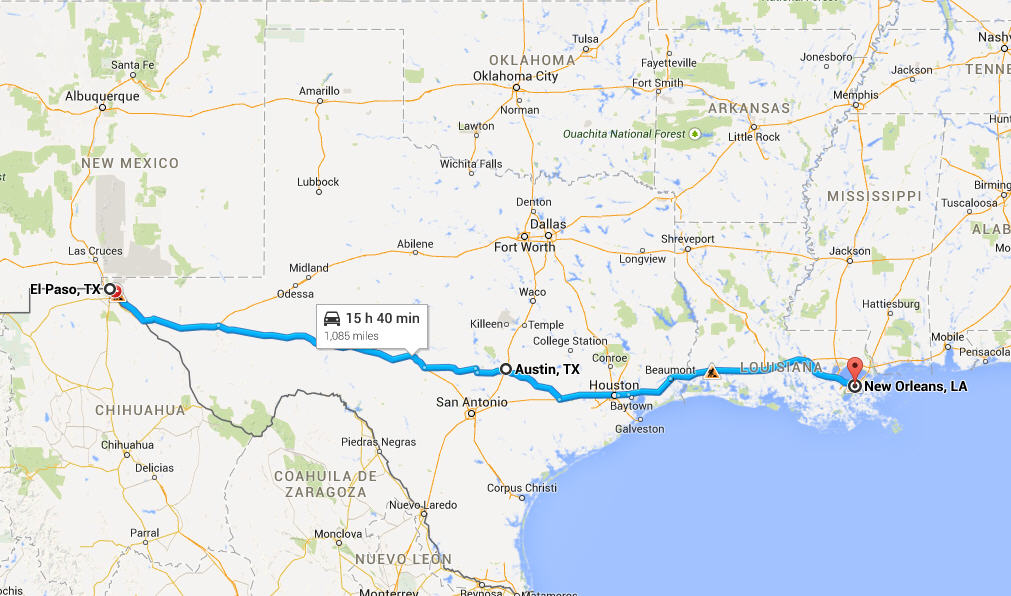
- East to West (via I-10): The most common route for trans-continental travelers, Interstate 10 (I-10), stretches from Orange on the Louisiana border to El Paso near the New Mexico border. This route covers approximately 879 miles.
- North to South (via US-83): From Dalhart in the Panhandle to Brownsville at the southern tip, US-83 traverses about 887 miles.
- Northeast to Southwest (via I-30/I-35/I-10): A common route connecting the major metropolitan areas might start near Texarkana on the Arkansas border, travel through Dallas and Fort Worth via I-30 and I-35 down to San Antonio, and then west on I-10 towards El Paso. This diagonal journey can easily exceed 800-900 miles depending on specific points.
At average highway speeds (around 70-75 mph), a non-stop drive across the state would theoretically take between 12 to 14 hours. However, this is a highly unrealistic expectation.
Factors Affecting Driving Time
Several elements will inevitably extend your actual driving time:
- Speed Limits and Traffic: While Texas boasts some high-speed limits (up to 85 mph on certain toll roads), urban areas like Houston, Dallas, Austin, and San Antonio are notorious for heavy traffic, especially during peak hours. Expect significant delays when passing through or near these major cities.
- Rest Stops and Meals: Regular breaks are essential for safety and comfort. You’ll need to stop for fuel, food, and stretching. Planning for a stop every 2-3 hours is wise.
- Sightseeing and Attractions: The primary reason for a road trip is to experience the journey, not just endure it. Pulling over to explore a historical marker, visit a landmark, or simply take in a panoramic view adds invaluable time, but also priceless memories.
- Weather Conditions: Texas weather can be unpredictable. Summers bring intense heat, which can affect vehicle performance and driver fatigue. Spring and fall can bring severe thunderstorms and even tornadoes. Winter, while generally mild in the south, can see ice storms in the north and Panhandle.
- Construction: Road construction is a constant reality on busy interstates. Be prepared for lane closures and detours that can add significant time to your trip.
Considering these factors, a realistic drive across Texas in a single day, even for the most dedicated drivers, would be an arduous 16-18 hour endeavor. For a comfortable and enjoyable journey, most travelers will opt for a multi-day itinerary.
Crafting Your Texas Road Trip: Routes and Regions
To truly appreciate the diversity of Texas, planning a multi-day trip is highly recommended. This allows you to break up long drives and immerse yourself in the unique character of different regions.
East to West: The I-10 Experience
The I-10 corridor is arguably the most straightforward way to cross Texas east to west. Starting from the border with Louisiana, you’ll first encounter the lush, humid landscape of East Texas, gradually transitioning into the bustling metropolis of Houston.
- Houston: Plan at least a day, if not more, to explore attractions like the Space Center Houston (formerly known as NASA Space Center), the Museum District, or catch a live show. For accommodation, consider staying at a luxurious Four Seasons or Hyatt Regency in downtown for an elevated experience.
- San Antonio: A few hours west lies San Antonio, a city rich in history and culture. The Alamo and the San Antonio River Walk are must-sees. Indulge in authentic Tex-Mex cuisine and consider a stay at the iconic Hotel Emma for a blend of history and luxury.
- West Texas Deserts: Beyond San Antonio, the landscape dramatically changes to the expansive, rugged beauty of West Texas. Stops like Fort Stockton offer a glimpse into frontier history. The drive through the Trans-Pecos region, especially around the Davis Mountains and towards Big Bend National Park, is breathtaking. While Big Bend National Park itself requires a significant detour (several hours south of I-10), it is an unparalleled natural wonder worth the extra time if your itinerary allows.
- El Paso: Your journey ends in El Paso, a vibrant border city with a unique blend of American and Mexican cultures.
A comfortable pace for this route would be 2-3 days, allowing for decent stops in Houston and San Antonio, and an overnight stay in a smaller West Texas town if not detouring to Big Bend.
North to South: Exploring I-35 and Beyond
For those traversing Texas vertically, I-35 is the main artery connecting the major northern cities to the southern parts of the state.
- North Texas Metros: Starting from the Oklahoma border, I-35 will take you through the sprawling Dallas-Fort Worth Metroplex. Spend time in Dallas exploring the Sixth Floor Museum at Dealey Plaza, the Dallas Arts District, or the Dallas World Aquarium. In Fort Worth, experience the authentic cowboy culture at The Stockyards National Historic District and visit the Fort Worth Zoo. Luxury accommodation options include The Joule Dallas or the W Hotels in both cities.
- Austin: Further south lies Austin, the state capital and a hub for live music, unique food trucks, and outdoor activities around Lady Bird Lake and Zilker Park. Don’t miss the Texas State Capitol or the Bullock Texas State History Museum. Commodore Perry Estate offers a lavish stay.
- Texas Hill Country: South of Austin, I-35 continues to San Antonio, passing through or near the beautiful Texas Hill Country. This region is famous for its wineries, charming small towns like Fredericksburg, and historic dance halls like Gruene Hall and Luckenbach Texas. Consider a detour to experience its scenic beauty and hospitality, perhaps staying at the JW Marriott Hill Country Resort & Spa for a luxurious retreat.
- South Texas: Continuing past San Antonio, the drive through South Texas takes you towards the subtropical climate and rich cultural heritage near the Mexico border and the Gulf of Mexico. The journey to Brownsville reveals a different side of Texas, with influences from Latin American culture prevalent in food, music, and art. A detour to South Padre Island or Padre Island National Seashore offers stunning beach experiences.
This route generally requires 2-4 days, depending on how deeply you wish to explore each major city and the Hill Country.
The Panhandle to the Gulf Coast
Another fascinating, albeit less direct, cross-state journey could take you from the northern reaches of the Panhandle to the southern Gulf Coast.
- Panhandle Plains: Starting in Dalhart or Amarillo (via US-287 or US-83), explore attractions like the famous Cadillac Ranch or the stunning Palo Duro Canyon State Park near Canyon.
- Central Plains and West Texas: Head south through Lubbock, the hometown of Buddy Holly, before connecting to routes that lead towards Central Texas and eventually the coast. This middle stretch is often about covering ground, but small towns can offer unexpected charms.
- Coastal Bend: As you approach the Gulf Coast, cities like Corpus Christi and Galveston offer beach experiences, fresh seafood, and maritime history.
This cross-state journey would typically take 2-3 days, depending on how many detours you make to natural parks or coastal towns.
Making the Most of Your Journey: Attractions and Experiences
A Texas road trip isn’t just about the miles; it’s about the moments. From historic landmarks to culinary adventures, there’s something for every type of traveler.
Iconic Landmarks and Cultural Hotspots
Texas is brimming with sites that tell its unique story:
- The Alamo (San Antonio): A symbol of Texan independence, this historic mission is a poignant reminder of the state’s fierce struggle for freedom.
- Big Bend National Park (West Texas): A remote wilderness of mountains, desert, and the Rio Grande, offering incredible hiking, stargazing, and tranquility. Don’t forget nearby Big Bend Ranch State Park for more rugged beauty.
- Space Center Houston (Houston): Get an insider’s look at space exploration, home to the historic Mission Control and a vast collection of artifacts.
- Cadillac Ranch (Amarillo): An eccentric art installation featuring a line of buried Cadillacs, inviting visitors to add their own spray paint artwork.
- Texas State Capitol (Austin): An impressive architectural marvel, taller than the US Capitol, offering free tours and a glimpse into Texan politics.
- Palo Duro Canyon State Park (Canyon): Known as the “Grand Canyon of Texas,” it offers stunning vistas, hiking, and camping.
- Monahans Sandhills State Park (Monahans): Experience a surreal landscape of shifting sand dunes, perfect for sandboarding and photography.
- Enchanted Rock State Natural Area (Fredericksburg): Hike to the top of a massive pink granite dome for panoramic views of the Hill Country.
- Washington-on-the-Brazos State Historic Site: Located on the Brazos River, this is where Texas declared its independence from Mexico in 1836.
Culinary Delights: A Taste of Texas
No Texas road trip is complete without indulging in the state’s legendary cuisine:
- Texas BBQ: From brisket to ribs, every region has its own style. Lockhart, Luling, and Austin are considered BBQ meccas, but you’ll find incredible joints across the state.
- Tex-Mex: A delicious fusion of Mexican and Texan flavors, think sizzling fajitas, cheesy enchiladas, and potent margaritas. San Antonio and Houston are hotspots.
- Steak: Being cattle country, Texas is known for its incredible steakhouses.
- Kolaches: A sweet or savory pastry brought by Czech immigrants, a staple in Central Texas bakeries.
- Seafood: Along the Gulf Coast, fresh shrimp, oysters, and fish are abundant.
Where to Stay: Accommodation Across Texas
Texas offers a vast array of accommodation options to suit every budget and travel style, from luxury resorts to charming boutique hotels and family-friendly motels.
- Luxury Stays: For those seeking indulgence, cities like Dallas, Houston, and Austin boast world-class hotels like The Joule Dallas, Hotel Emma in San Antonio, or the JW Marriott Hill Country Resort & Spa. These properties often offer exceptional amenities, fine dining, and prime locations for exploring.
- Boutique Hotels: Discover unique charm in places like Marfa or Fredericksburg, where hotels offer distinct character and local flair.
- Budget-Friendly Options: Chain hotels like Best Western, Holiday Inn Express, and others are widely available along major highways and in every city, providing reliable and comfortable stays for the budget-conscious traveler.
- Unique Stays: Consider renting a cabin in the Hill Country, a beachfront condo on South Padre Island, or even a rustic guesthouse near Big Bend for an authentic experience.
Booking in advance, especially during peak seasons or for popular destinations, is always advisable to secure the best rates and desired accommodation.
Practical Tips for a Smooth Texas Drive
Preparing properly can make all the difference for an enjoyable Texas road trip.
Best Time to Travel
The ideal times to drive across Texas are spring (March to May) and fall (September to November).
- Spring: Offers pleasant temperatures, blooming wildflowers (especially bluebonnets in the Hill Country), but also the possibility of severe thunderstorms.
- Fall: Generally brings cooler, drier weather, perfect for outdoor activities, and vibrant fall foliage in East Texas and the Panhandle.
- Summer (June to August): Extremely hot, especially in West Texas and the major cities. If traveling in summer, plan drives for early mornings or late evenings and ensure your vehicle’s A/C is in top condition.
- Winter (December to February): Mild in the south, but northern and western Texas can experience freezing temperatures and occasional ice storms, which can make driving hazardous.
Essential Road Trip Preparations
Before you hit the road, make sure you’re ready:
- Vehicle Check: Ensure your car is in excellent condition, especially tires, brakes, fluids, and air conditioning. A breakdown in rural Texas can be a significant inconvenience.
- Navigation: While GPS is invaluable, carrying a physical map as a backup is always a good idea, especially in remote areas where cell service might be spotty.
- Water and Snacks: Always have plenty of water, especially in hotter months, and non-perishable snacks. Distances between services can be long in certain parts of the state.
- Entertainment: Long stretches of highway can be monotonous. Prepare playlists, podcasts, audiobooks, or games for passengers.
- Emergency Kit: Include a first-aid kit, jumper cables, flashlight, and extra blankets.
- Sun Protection: Sunscreen, hats, and sunglasses are vital year-round, especially if you plan to spend time outdoors.
Safety and Regulations
- Speed Limits: Observe posted speed limits. While many highways have high limits, exceeding them can lead to tickets.
- Rest Stops: Utilize the numerous state-run rest areas for safe breaks.
- Wildlife: Be mindful of wildlife, especially deer, particularly at dawn and dusk on rural roads.
- Driving Conditions: Pay attention to weather forecasts. Flash floods can occur quickly, and dust storms can reduce visibility in West Texas.

Conclusion
Driving across Texas is more than just racking up miles; it’s an immersive journey that offers a deep dive into the diverse landscapes, vibrant cultures, and rich history of the Lone Star State. While a non-stop journey might theoretically take 12-14 hours, a realistic and enjoyable cross-state adventure should span at least two to four days, depending on your chosen route and the number of stops you plan to make.
By strategically planning your route, incorporating stops at iconic landmarks and hidden gems, and indulging in the state’s legendary cuisine, your Texas road trip will transform from a simple drive into an unforgettable exploration. So fuel up, pack your bags, and prepare to discover why everything truly is bigger, and often better, in Texas!
LifeOutOfTheBox is a participant in the Amazon Services LLC Associates Program, an affiliate advertising program designed to provide a means for sites to earn advertising fees by advertising and linking to Amazon.com. Amazon, the Amazon logo, AmazonSupply, and the AmazonSupply logo are trademarks of Amazon.com, Inc. or its affiliates. As an Amazon Associate we earn affiliate commissions from qualifying purchases.