
Texas, the Lone Star State, is renowned for its vast landscapes, rich history, and vibrant culture. But beyond its iconic landmarks and bustling metropolises, Texas is also a colossal hub for higher education, drawing students, academics, and visitors from across the globe. For anyone contemplating a move, visiting family, or simply curious about the academic fabric of this expansive state, a fundamental question arises: just how many colleges are in Texas? The answer is as grand and diverse as the state itself, reflecting a commitment to education that spans from world-class research institutions to community-focused colleges.
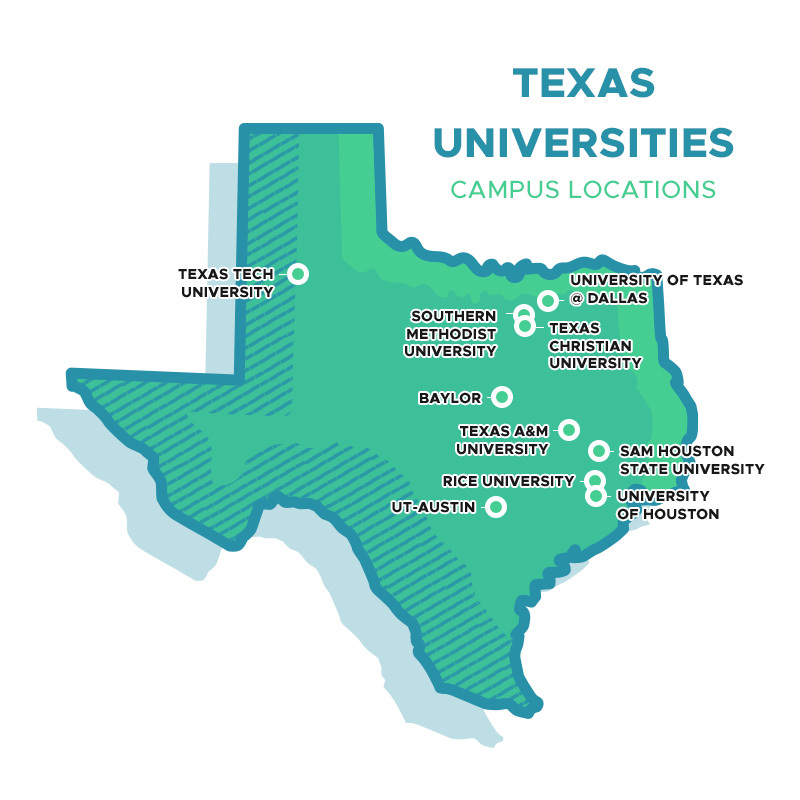
Understanding the collegiate landscape of Texas is more than just counting institutions; it’s about appreciating the unique blend of educational opportunities, the economic impact on local communities, and the incredible travel and tourism experiences available to those who venture to these academic centers. From the bustling urban campuses of Houston and Dallas to the historic charm of San Antonio and the quirky coolness of Austin, each collegiate city offers a distinctive lifestyle and a wealth of attractions for students and visitors alike.
The Expansive Educational Landscape of Texas
Texas boasts one of the largest and most comprehensive higher education systems in the United States. The sheer volume and variety of institutions ensure that there’s a place for almost every academic pursuit and personal preference.
A Numerical Overview: More Than Just a Number
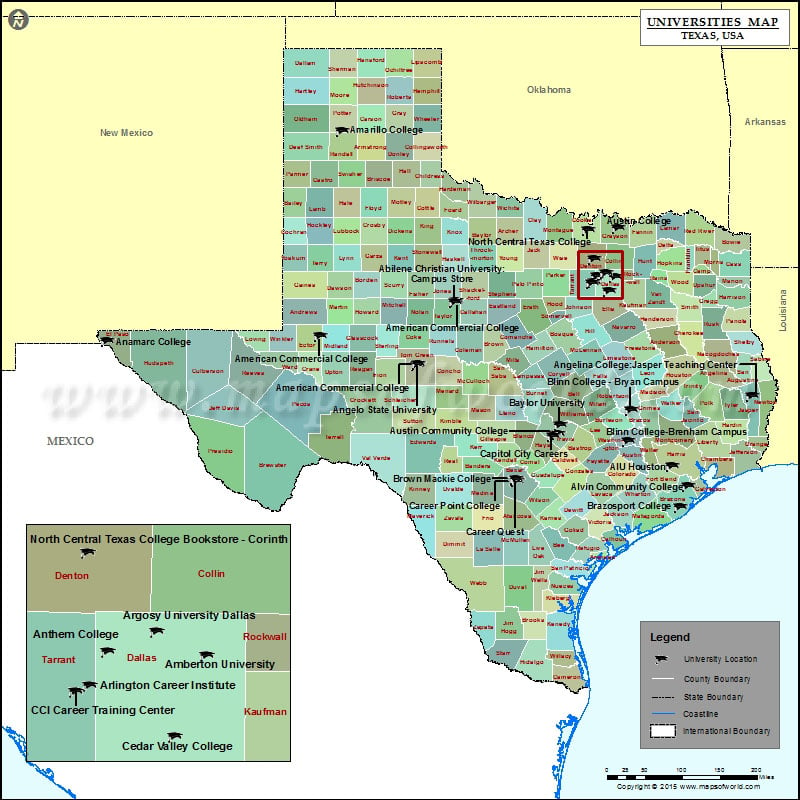
Pinpointing an exact, static number of colleges can be tricky due to mergers, closures, and the establishment of new branches. However, generally speaking, Texas is home to over 200 institutions of higher education. This includes a broad spectrum of:
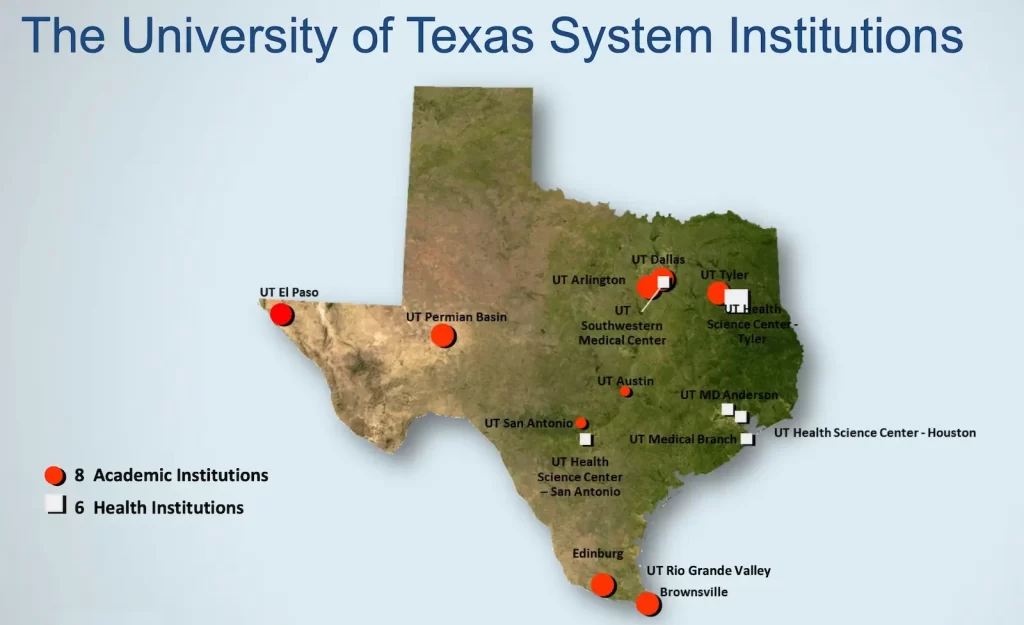
- Public Universities: These are part of larger state systems, such as the renowned University of Texas System and the Texas A&M University System. With multiple campuses spread across the state, these systems collectively serve hundreds of thousands of students.
- Private Universities: Independent institutions that often have specific religious affiliations, smaller class sizes, or specialized academic programs.
- Community Colleges: Over 50 community college districts operate throughout Texas, providing affordable education, vocational training, and pathways to four-year universities.
- Health-Related Institutions: Specialized medical, dental, and health science centers that are crucial for training healthcare professionals.
- Technical and Career Schools: These institutions focus on specific trades and skills, preparing students for immediate entry into the workforce.
The two dominant public university systems, the University of Texas System and the Texas A&M University System, alone comprise over 25 institutions and educate a significant portion of the state’s college student population. Other notable public university systems include the Texas State University System and the University of North Texas System. This intricate network ensures that quality education is accessible across metropolitan areas and smaller regional communities.
Diverse Types of Institutions: Catering to Every Ambition
The diversity extends beyond just public or private status. Texas offers a wide array of educational experiences:
- Flagship Research Universities: Institutions like The University of Texas at Austin and Texas A&M University in College Station are globally recognized for their cutting-edge research, extensive graduate programs, and contributions to science, technology, engineering, and mathematics (STEM) fields. These universities often attract significant federal and private funding for research and development, creating dynamic academic environments.
- Liberal Arts Colleges: While less numerous than in some other states, institutions such as Southwestern University in Georgetown offer a holistic education with a strong emphasis on critical thinking, humanities, and broad intellectual inquiry.
- Historically Black Colleges and Universities (HBCUs): Texas is home to several vital HBCUs, including Prairie View A&M University and Texas Southern University, which have played a crucial role in providing higher education opportunities for African American students and contributing to the cultural richness of the state.
- Specialized Institutions: From law schools and medical centers (like those within the Texas Medical Center in Houston) to colleges focusing on agriculture, engineering, or fine arts, Texas provides specialized training for a multitude of professions.
This rich tapestry of educational institutions not only shapes the intellectual capital of the state but also profoundly influences the local cultures, economies, and tourism sectors of the cities they inhabit.
Major Collegiate Hubs and Their Tourism Appeal
Many of Texas’s most vibrant cities owe a significant part of their energy, economy, and unique character to the universities within their bounds. These academic centers become destinations in themselves, offering a blend of historical landmarks, modern attractions, diverse culinary scenes, and a wide range of accommodation options.
Austin: The Capital of Culture and Academia
Austin, the state capital, is synonymous with “Keep Austin Weird” and the home of the flagship The University of Texas at Austin (UT). The university’s influence is palpable throughout the city, contributing to its reputation as a hub for live music, technology, and progressive ideas. Visitors exploring UT’s stunning campus can also easily access iconic Austin landmarks like the Texas State Capitol, the vibrant South Congress Avenue, and recreational havens like Zilker Park and Barton Springs Pool.
Accommodation in Austin caters to all tastes, from luxury hotels such as the JW Marriott Austin and Hotel ZaZa Austin to charming boutique stays and budget-friendly options, especially important for families visiting prospective students. The city’s tourism is significantly boosted by UT events, from football games at Darrell K Royal-Texas Memorial Stadium to academic conferences and commencement ceremonies.
Houston: A Global City of Learning
As Texas’s largest city, Houston is a melting pot of cultures and a significant center for higher education. It hosts several major universities, including the University of Houston, a Carnegie-designated Tier One research university, and the highly prestigious Rice University, known for its beautiful campus and strong academic programs. The presence of the Texas Medical Center, the largest medical complex in the world, brings countless students and researchers, further cementing Houston’s reputation as a global leader in health and science.
Tourism in Houston thrives on its diverse population, world-class museums in the Museum District, professional sports teams, and an unparalleled culinary scene. Visitors to Houston universities can easily explore the Space Center Houston, stroll through Hermann Park, or enjoy upscale shopping in Uptown. Hotels like The Post Oak Hotel at Uptown Houston offer luxury, while numerous other hotels and extended-stay apartments cater to families, business travelers, and academics.
Dallas-Fort Worth: Sprawling Opportunities
The Dallas-Fort Worth Metroplex is a sprawling urban area with a vibrant collection of colleges and universities. Dallas is home to Southern Methodist University (SMU), known for its beautiful campus and strong programs in business and law. In nearby Fort Worth, Texas Christian University (TCU) offers a dynamic campus environment with a strong sense of community. Other key institutions include the University of North Texas (UNT) in Denton and the University of Texas at Dallas (UTD), particularly strong in engineering and computer science.
The twin cities offer distinct tourism experiences. Dallas boasts modern architecture, a thriving arts district, and upscale shopping, while Fort Worth embraces its Western heritage, notably in the Stockyards National Historic District. Visitors can choose from historic hotels like The Adolphus Hotel in Dallas or luxury resorts and boutique hotels across the Metroplex, ensuring comfort for campus tours, alumni events, or leisure travel.
San Antonio: History Meets Higher Ed
San Antonio seamlessly blends its rich historical past with a growing higher education sector. Institutions such as the University of Texas at San Antonio (UTSA), Trinity University, and Our Lady of the Lake University contribute to the city’s intellectual vibrancy. Students and visitors alike are immersed in a city brimming with history, from the iconic The Alamo and the historic San Antonio Missions National Historical Park to the charming Riverwalk.
Tourism is a cornerstone of San Antonio’s economy, with unique cultural experiences, delicious Tex-Mex cuisine, and family-friendly attractions like SeaWorld San Antonio. Accommodation ranges from romantic Riverwalk hotels like Hotel Contessa to larger chains, providing options for every budget and preference, making it an attractive destination for academic and leisure travel.
College Station & Bryan: Home of the Aggies
Distinct from the larger urban centers, the twin cities of College Station and Bryan are dominated by the immense presence of Texas A&M University. This quintessential college town experience is defined by Aggie traditions, spirited football weekends, and a strong sense of community. Visitors come primarily for university-related events, embracing the unique culture found nowhere else.
Accommodation here is highly focused on serving the university community, with numerous hotels, suites, and short-term rentals designed for visiting families, prospective students, and alumni. Local attractions are often centered around the university, including the George Bush Presidential Library and Museum and Bonfire Memorial.
Planning Your Collegiate Visit: Travel, Accommodation, and Lifestyle
For prospective students, visiting families, or alumni returning for a reunion, navigating Texas’s college towns requires thoughtful planning. The journey often combines academic objectives with opportunities for travel, tourism, and experiencing the unique local lifestyle.
Seamless Travel to Campus Towns
Getting to Texas’s university cities is generally straightforward. Major cities are served by international airports: Dallas-Fort Worth International Airport (DFW) and Dallas Love Field for the Dallas-Fort Worth area, George Bush Intercontinental Airport (IAH) and William P. Hobby Airport (HOU) for Houston, Austin-Bergstrom International Airport (AUS) for Austin, and San Antonio International Airport (SAT) for San Antonio. These airports connect Texas to national and international destinations, making college visits accessible. Once on the ground, visitors can utilize rental cars, ride-sharing services, or in some cities, public transportation to reach campuses and explore local attractions.
For those planning to visit multiple campuses, renting a car is often the most practical option, allowing for flexibility to traverse the state’s vast distances and explore smaller towns along the way. Texas highways are generally well-maintained, offering scenic drives through diverse landscapes.
Accommodation Choices for Every Visitor
The demand generated by universities ensures a wide array of accommodation options in Texas’s college towns. When booking, consider:
- Hotels and Resorts: From luxury resorts to mid-range chains, most university cities offer a full spectrum of hotels. For important events like graduation or homecoming, booking well in advance is essential as rooms fill up quickly and prices can surge. Websites like lifeoutofthebox.com provide excellent resources for comparing hotels, reading reviews, and finding the best deals.
- Suites and Apartments: For longer stays, such as orientation weeks or extended family visits, properties offering suites or serviced apartments can provide more space and amenities like kitchenettes, making them feel more like a home away from home.
- Villas and Vacation Rentals: Platforms like Airbnb and VRBO offer numerous private homes, apartments, and even villas, which can be ideal for families or groups seeking a more personalized and often more affordable experience, especially for long-term stays.
- Budget-Friendly Options: Many university towns also have a good selection of budget hotels and motels, providing essential comfort without breaking the bank, perfect for students or those on a tighter travel budget.
Always check the proximity to the campus you are visiting and consider the local public transport options or parking availability, especially if you plan to attend events on campus.
Embracing the Student Lifestyle
Beyond the academic grind, Texas’s college towns offer a vibrant lifestyle. From student-friendly eateries and coffee shops to lively music venues and local sports bars, there’s always something happening. Visitors can often partake in campus events, cultural performances, and lectures, offering a glimpse into the intellectual and social life of the university community. Exploring the local scene around campuses provides a different perspective on Texas tourism, showcasing youthful energy, innovative culinary trends, and grassroots arts scenes.
Many universities also boast impressive museums, art galleries, and botanical gardens that are open to the public, such as the Blanton Museum of Art at UT Austin or the Moody Center for the Arts at Rice University. These cultural offerings contribute significantly to the appeal of visiting a college town.
Beyond the Books: Exploring Texas’s Landmarks and Tourism
A visit to a Texas college doesn’t have to be confined to campus tours and admissions offices. The state’s vastness means there are countless landmarks, natural attractions, and unique experiences waiting to be discovered, often just a short drive from university hubs.
Maximizing Your Texas Experience
Combining a college visit with broader Texas tourism is an excellent way to make the most of your trip.
- Natural Wonders: From the rugged beauty of Big Bend National Park in West Texas to the stunning Guadalupe Mountains National Park and the lush Lost Maples State Natural Area in the Texas Hill Country, outdoor enthusiasts will find plenty to explore. The coastal regions offer beautiful beaches like those in Galveston and South Padre Island, perfect for a relaxing escape after intense campus visits.
- Historical Sites: Beyond The Alamo, Texas is rich with historical sites telling tales of its journey from a Spanish colony to an independent republic and ultimately a U.S. state. Explore the historic missions, old courthouses, and battlefields that dot the landscape.
- Unique Attractions: Each region has its own charm. In North Texas, you can visit the Fort Worth Stockyards for a taste of the Old West. In Central Texas, the Hill Country wineries offer a different kind of experience. The diversity ensures that there’s always a unique activity to complement your academic journey.
Local Culture and Culinary Delights
Texas is famous for its culinary scene, heavily influenced by its diverse cultural heritage. No visit is complete without indulging in authentic Texas BBQ, savoring Tex-Mex dishes, or exploring the burgeoning farm-to-table restaurants in cities like Austin. College towns often have their own local favorites, from dive bars with legendary burgers to upscale eateries frequented by faculty and visitors. Engaging with the local food scene is an integral part of the travel experience and offers insights into the community’s identity.
In conclusion, Texas is home to well over 200 institutions of higher education, forming a vibrant and diverse academic landscape. These colleges and universities are not just centers of learning; they are vital components of the state’s travel, tourism, and lifestyle offerings. Whether you’re a prospective student, a proud alumnus, or simply a curious traveler, exploring Texas’s collegiate hubs promises a rich experience filled with intellectual discovery, cultural immersion, and memorable adventures. With careful planning for travel and accommodation, and an openness to explore beyond the campus gates, a visit to Texas’s colleges can be an incredibly rewarding journey.
LifeOutOfTheBox is a participant in the Amazon Services LLC Associates Program, an affiliate advertising program designed to provide a means for sites to earn advertising fees by advertising and linking to Amazon.com. Amazon, the Amazon logo, AmazonSupply, and the AmazonSupply logo are trademarks of Amazon.com, Inc. or its affiliates. As an Amazon Associate we earn affiliate commissions from qualifying purchases.