
San Antonio, Texas, stands as a vibrant testament to history, culture, and relentless growth in the heart of the United States. Often referred to as the ” Alamo City,” it’s a destination that captivates millions with its rich heritage, iconic landmarks, and unique blend of traditions. But beyond its undeniable allure as a top tourist spot, San Antonio is also a thriving metropolis, home to a substantial and ever-growing population. Understanding the demographic landscape of this remarkable city offers profound insights into its character, its capacity for tourism, and the diverse lifestyles it accommodates.
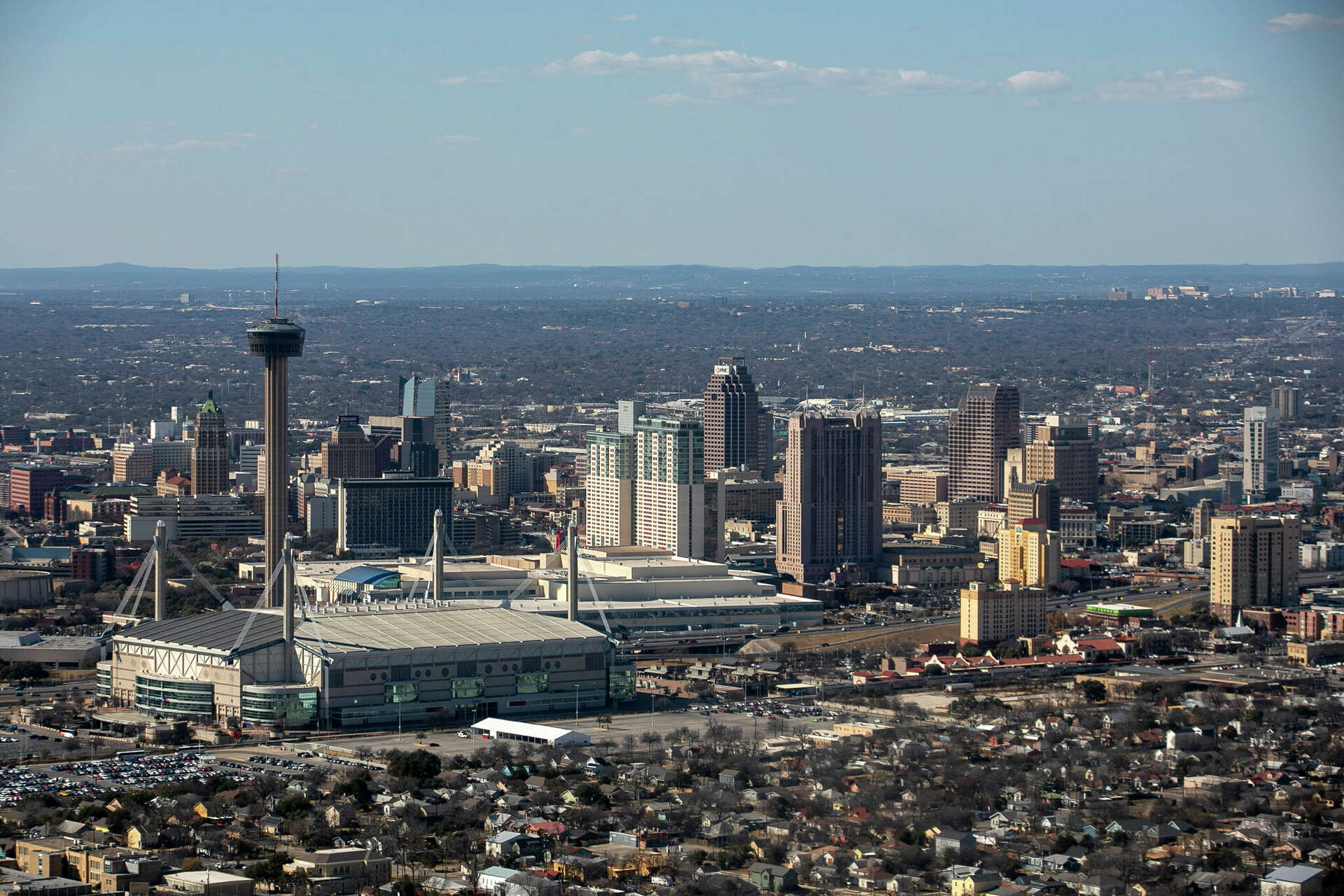
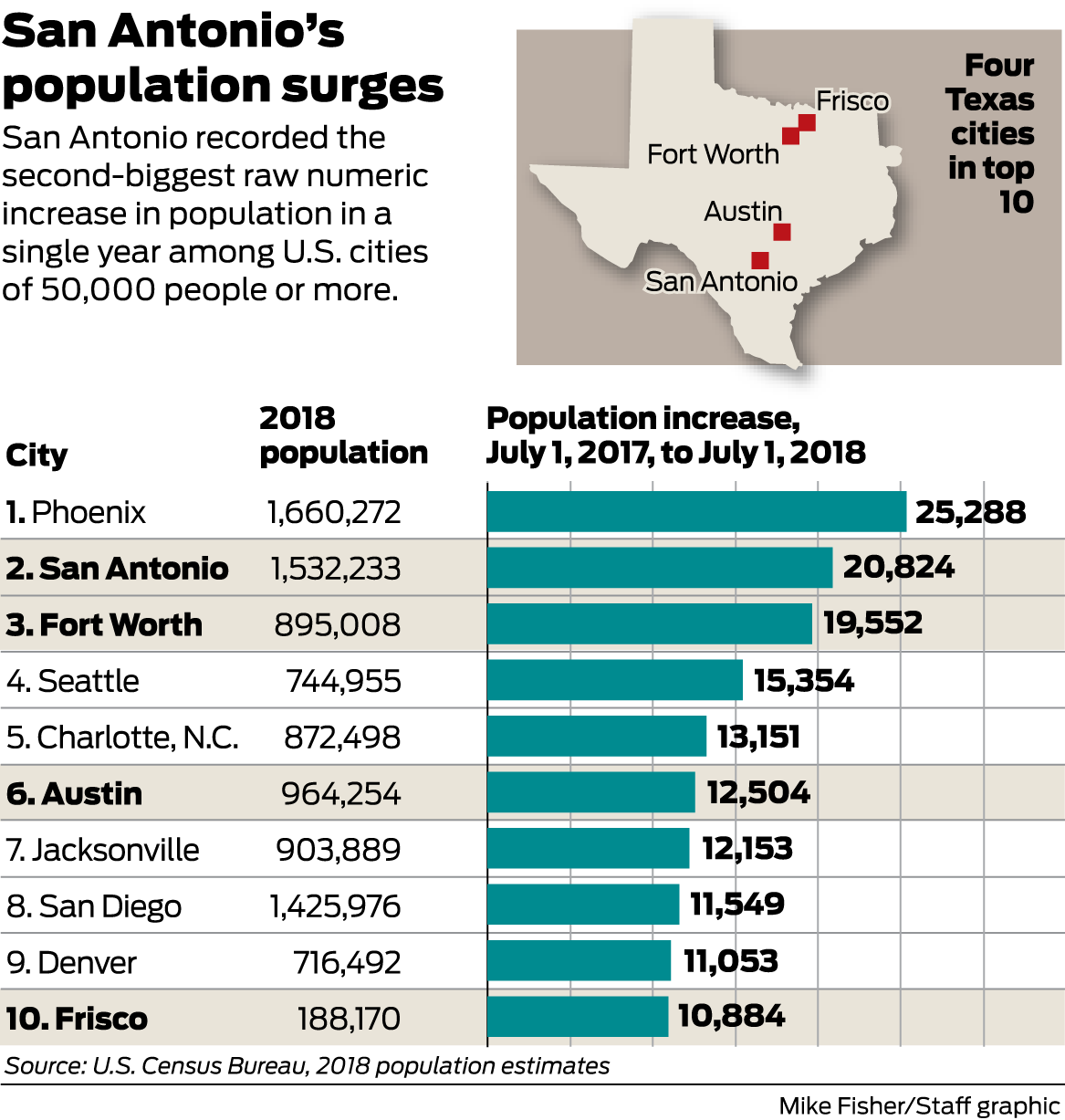
As of the most recent estimates, the population of San Antonio is approximately 1.5 million residents within its city limits. This places it among the largest cities in Texas, consistently ranking as the second-most populous city in the state, just behind Houston, and the seventh-most populous city in the United States. When considering the broader metropolitan area, which encompasses several surrounding counties, the population swells to over 2.6 million people. This significant number isn’t just a statistic; it’s a living, breathing indicator of the city’s robust economy, its diverse cultural tapestry, and its enduring appeal to those seeking a dynamic place to live, work, and explore.
This burgeoning population is a critical factor influencing every facet of San Antonio’s identity, from the bustling local culture and the sprawling network of hotels to the wealth of tourist activities and the continuous development of its urban infrastructure. For travelers, a large resident base translates into a more diverse food scene, a wider array of entertainment options, and a greater emphasis on preserving and enhancing the very attractions that draw visitors from around the globe. For those considering relocation or a long-term stay, the population size reflects a robust job market, a variety of neighborhoods, and an established community that offers a rich lifestyle.
Understanding San Antonio’s Population Dynamics
The growth of San Antonio’s population is not merely a recent phenomenon but a continuation of a historical trajectory that began centuries ago. From its Spanish colonial roots to its pivotal role in the Texas Revolution and its subsequent development as a major economic and military hub, the city has consistently attracted new residents. This sustained influx has shaped its unique demographic profile and continues to drive its urban evolution.
Historical Growth and Demographic Shifts
San Antonio’s population history is a fascinating narrative of convergence. Initially established as a mission and presidio in the early 18th century, it served as a critical outpost in Spanish Texas. Over centuries, it witnessed waves of settlement, including early Spanish and Mexican immigrants, followed by European settlers, particularly those of German descent, and later, Anglo-Americans. This multi-ethnic foundation is reflected in the city’s contemporary demographics, which are notably diverse. Today, a significant portion of San Antonio’s population identifies as Hispanic or Latino, reflecting its deep historical ties to Mexico and Latin America. This rich cultural mosaic is a defining characteristic, imbuing the city with a distinct flavor that permeates its cuisine, music, art, and traditions – elements that are a massive draw for tourism.
The city has experienced consistent growth, particularly since the mid-20th century. Factors contributing to this include a generally lower cost of living compared to other major United States cities, a robust job market, and a high quality of life. This steady expansion has necessitated continuous development in infrastructure, housing, and public services, which in turn fuels the local economy and creates opportunities across various sectors, including those supporting travel and hospitality. New residential areas emerge, commercial centers expand, and public spaces are continuously revitalized, all catering to an ever-increasing populace.
The Economic Landscape and Its Attractors
The economic vitality of San Antonio is a primary magnet for its population growth. The city boasts a diversified economy with significant contributions from several key industries. Military installations play a monumental role, with major bases like Lackland Air Force Base and the broader Joint Base San Antonio employing tens of thousands of personnel and civilians. This military presence not only contributes to the population count but also fuels a considerable amount of related travel and accommodation demand, as families visit loved ones stationed in the city.
Healthcare is another cornerstone of San Antonio’s economy, with a large medical center district that serves as a regional hub for research and patient care. Technology and cybersecurity have also seen rapid expansion, attracting skilled professionals and fostering innovation. Education is well-represented by institutions like the University of Texas at San Antonio (UTSA) and Trinity University, which draw students and faculty from across the globe, further contributing to the city’s dynamic population.
Crucially, tourism and hospitality form an indispensable pillar of the San Antonio economy. A large resident population provides the workforce necessary to support a thriving tourism sector – from hotel staff and restaurant workers to tour guides and attraction operators. The sheer volume of residents also creates a substantial local market for these businesses, ensuring their stability and promoting variety. This economic stability, coupled with the city’s cultural appeal, makes San Antonio an attractive place for individuals and families, reinforcing its population growth cycle.
San Antonio: A Magnet for Tourism and Lifestyle
The expansive population of San Antonio is intricately linked to its status as a premier travel destination. A city with 1.5 million residents possesses the infrastructure, cultural depth, and economic resilience to offer an exceptional experience for both short-term visitors and those seeking a longer immersion in its unique lifestyle. From world-famous landmarks to an eclectic culinary scene and a diverse range of accommodations, the city’s population density underpins its broad appeal.

Iconic Landmarks and Cultural Immersion
The sheer number of people residing in and visiting San Antonio allows for the continuous upkeep and enhancement of its numerous iconic landmarks and attractions. The most famous, of course, is The Alamo, a historic mission and fortress compound that served as a pivotal battleground in the Texas Revolution. Millions visit this site annually, and the city’s large population ensures the availability of resources and personnel to manage and preserve this cherished monument.
Equally renowned is the San Antonio River Walk (Paseo del Río), an enchanting network of walkways along the banks of the San Antonio River, lined with shops, restaurants, and hotels. The constant flow of residents and tourists animates the River Walk, making it a bustling hub of activity day and night. The diverse tastes of the local population are reflected in the wide array of dining options available here, from authentic Tex-Mex to upscale contemporary cuisine.
Beyond these two titans, San Antonio is home to four other Spanish colonial missions – Mission Concepción, Mission San José, Mission San Juan Capistrano, and Mission Espada – collectively forming the San Antonio Missions National Historical Park, a UNESCO World Heritage Site. A city of this size has the cultural depth and infrastructure to maintain such significant historical assets, offering visitors a profound journey into the past along the Missions Trail.
Other attractions thriving on the city’s robust population include Hemisfair Park with its majestic Tower of the Americas, the historic Pearl District (a revitalized brewery complex now home to upscale dining, shopping, and a vibrant farmers market), and family-friendly theme parks like Six Flags Fiesta Texas and SeaWorld San Antonio. The resident population ensures a constant demand for these amenities, allowing them to continually evolve and offer new experiences. The city’s rich Mexican heritage is celebrated through numerous festivals, most notably Fiesta San Antonio, an annual event that draws millions and highlights the deep cultural roots shared by residents and visitors alike. This blend of history, culture, and modern entertainment forms the core of San Antonio’s tourism appeal.
Accommodation Choices for Every Traveler
A city with a population of 1.5 million requires a vast and varied array of accommodation options, not just for its residents but also for the millions of tourists, business travelers, and military families who pass through its gates each year. San Antonio excels in this regard, offering everything from luxurious resorts to budget-friendly apartments and charming boutique hotels.
For those seeking an opulent stay, hotels like the Hyatt Regency San Antonio Riverwalk, The Hotel Contessa, or The St. Anthony, a Luxury Collection Hotel, provide world-class amenities and prime locations, often with stunning views of the River Walk or the downtown skyline. Beyond the urban core, expansive resorts such as the JW Marriott San Antonio Hill Country Resort & Spa and La Cantera Resort & Spa cater to luxury travelers and families seeking comprehensive leisure experiences, complete with golf courses, elaborate pools, and wellness facilities. These high-end establishments are supported by the consistent demand generated by both leisure tourism and a robust convention industry.
Mid-range and budget-friendly hotels are also abundant, offering comfortable and convenient stays for various travel styles, from family trips to business stays. The sheer volume of hotels reflects the constant flow of people through the city, ensuring competitive pricing and a broad selection. For longer stays, or for those preferring a more local experience, serviced apartments and vacation rentals have become increasingly popular, mirroring the lifestyle choices of a diverse population that includes temporary residents, extended-stay business travelers, and digital nomads.
The local culture significantly influences accommodation offerings. Many hotels embrace the city’s Spanish and Mexican heritage in their architecture and décor, providing an immersive experience. The demand generated by a large and growing population ensures that the hospitality sector is dynamic, constantly innovating to meet traveler expectations and offer new amenities, from pet-friendly rooms to sustainable tourism initiatives. This symbiotic relationship between population size, tourism, and accommodation variety solidifies San Antonio’s reputation as a welcoming and versatile destination.
The Interplay of Population, Tourism, and Urban Development
The steady increase in San Antonio’s population is not just a statistical footnote; it is a driving force behind the city’s ongoing urban development and its strategy for sustainable tourism. A growing populace demands more housing, better transportation, expanded public services, and continued investment in recreational and cultural assets. This development cycle directly benefits tourism, creating a more attractive, functional, and diverse city for visitors.
Urban planning in San Antonio often balances the needs of its residents with the economic benefits of tourism. Projects to revitalize historic districts, expand green spaces, and improve walkability (such as further extensions of the River Walk or new trails in the city’s extensive park system) serve both populations. Improved infrastructure, whether it’s the expansion of public transit or enhanced digital connectivity, makes the city more accessible for tourists while simultaneously improving the quality of life for residents.
The diverse lifestyle preferences within San Antonio’s large population also contribute to its multifaceted appeal. From luxury travelers seeking high-end boutiques and gourmet dining in areas like the Pearl District, to budget travelers exploring free attractions and authentic local eateries, the city caters to a broad spectrum. Families find numerous kid-friendly activities and accommodations, while business travelers benefit from a well-connected city with ample conference facilities. This versatility is a direct consequence of accommodating a diverse resident base.
Moreover, the cultural vibrancy sustained by millions of residents fuels a dynamic events calendar, ranging from major sporting events to live music concerts, art exhibitions, and community festivals. These events not only provide entertainment for locals but also serve as significant tourist draws, further blurring the lines between resident life and visitor experience. The confluence of a rich history, a booming population, and strategic urban development positions San Antonio as not just a city with a large number of inhabitants, but a truly integrated experience where every person, whether a lifelong resident or a first-time visitor, contributes to its unique and captivating essence in South Texas.
LifeOutOfTheBox is a participant in the Amazon Services LLC Associates Program, an affiliate advertising program designed to provide a means for sites to earn advertising fees by advertising and linking to Amazon.com. Amazon, the Amazon logo, AmazonSupply, and the AmazonSupply logo are trademarks of Amazon.com, Inc. or its affiliates. As an Amazon Associate we earn affiliate commissions from qualifying purchases.