
The Lone Star State, Texas, is a land of immense natural beauty and staggering diversity, a true titan among United States destinations. From the arid desert landscapes of the Trans-Pecos to the lush, pine-scented forests of the Piney Woods, and from the rolling hills of the Hill Country to the sandy shores of the Gulf Coast, Texas offers an unparalleled tapestry of environments for travelers to explore. At the heart of preserving these natural treasures, offering both solace and adventure, is the extensive network of Texas State Parks. For anyone planning a visit, a crucial question often arises: just how many Texas State Parks are there, and what incredible experiences do they offer?
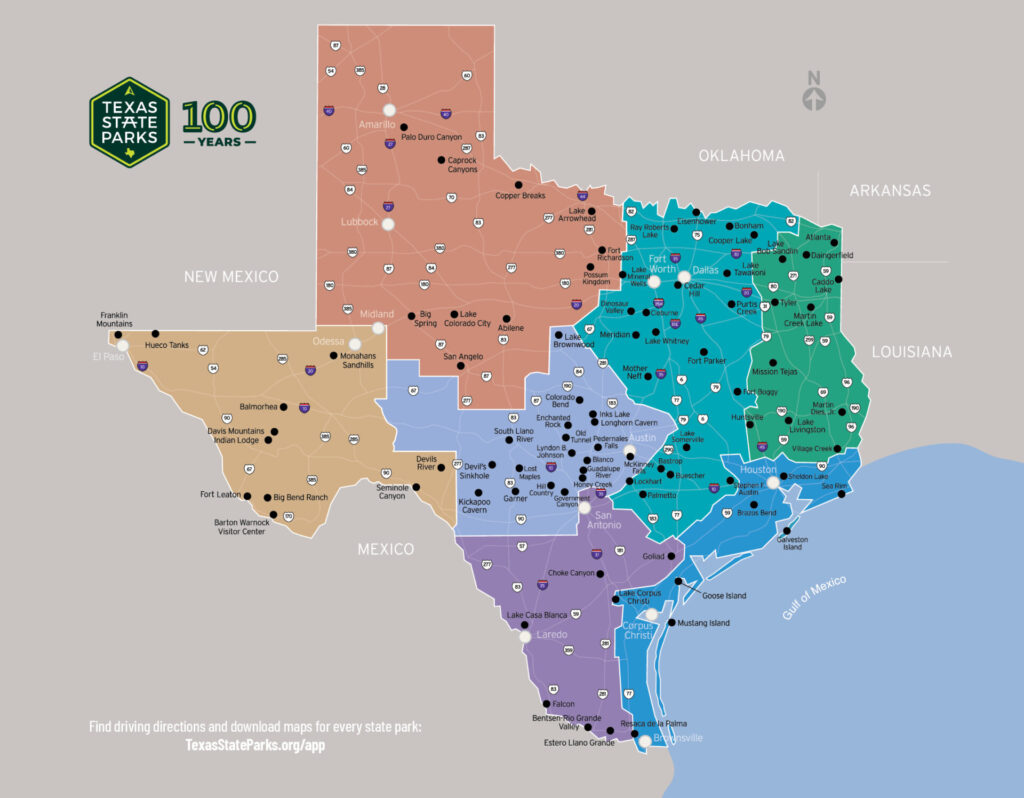
The answer, in its simplest form, is that Texas Parks and Wildlife Department manages over 89 state parks and natural areas, encompassing more than 640,000 acres. This vast collection of protected lands ensures that no matter where you are in Texas, an opportunity for outdoor adventure, historical exploration, or tranquil relaxation is likely within reach. These parks are not merely patches of nature; they are vital pieces of the state’s heritage, offering a window into its geological past, its rich ecosystems, and the stories of its people. They serve as essential destinations for tourism, attracting millions of visitors annually seeking unique experiences, whether it’s an adrenaline-pumping hike, a serene fishing trip, or an immersive historical tour.
A Vast Network of Natural Wonders: The Scale of Texas State Parks
Texas boasts an impressive portfolio of state parks, each managed with the dual purpose of conservation and public enjoyment. The number hovers around 89 distinct state parks and natural areas, though this figure can fluctuate slightly with new acquisitions or reclassifications. This extensive network is a testament to Texas’s commitment to preserving its diverse landscapes and providing accessible outdoor recreation for all.
These parks are strategically located across all 10 distinct ecological regions of the state:
- The Piney Woods of East Texas.
- The Gulf Coast with its barrier islands and estuaries.
- The vast South Texas Plains.
- The iconic Hill Country of Central Texas.
- The expansive Prairies and Lakes region.
- The rugged Panhandle Plains.
- The unique Cross Timbers area.
- The Rolling Plains to the west.
- The Permian Basin with its oil history.
- And finally, the dramatic mountains and deserts of the Trans-Pecos and the Chihuahuan Desert.
This geographic spread means that whether you’re based in a major metropolitan area like Houston, Dallas, Austin, or San Antonio, or exploring more remote corners of the state, a remarkable park experience is never far away. The sheer number and variety contribute significantly to Texas’s appeal as a top travel destination, offering everything from adrenaline-fueled adventures to serene natural retreats for any lifestyle.
Iconic Parks and Hidden Gems
Among the nearly 90 state parks, some stand out for their sheer scale, unique geological features, or profound historical significance. For instance, Big Bend Ranch State Park is the largest state park in Texas, offering unparalleled wilderness experiences in the Chihuahuan Desert. Its vast, rugged terrain makes it a premier destination for backcountry hiking, mountain biking, and stargazing, appealing to those seeking an adventurous, off-the-grid lifestyle.
On the other end of the spectrum, parks like Dinosaur Valley State Park near Glen Rose provide a fascinating glimpse into the distant past, where visitors can walk in real dinosaur footprints in the Paluxy River bed. This park is not just a natural attraction but also a unique historical landmark, offering an educational and awe-inspiring experience for families and geology enthusiasts alike.
Other notable examples include:
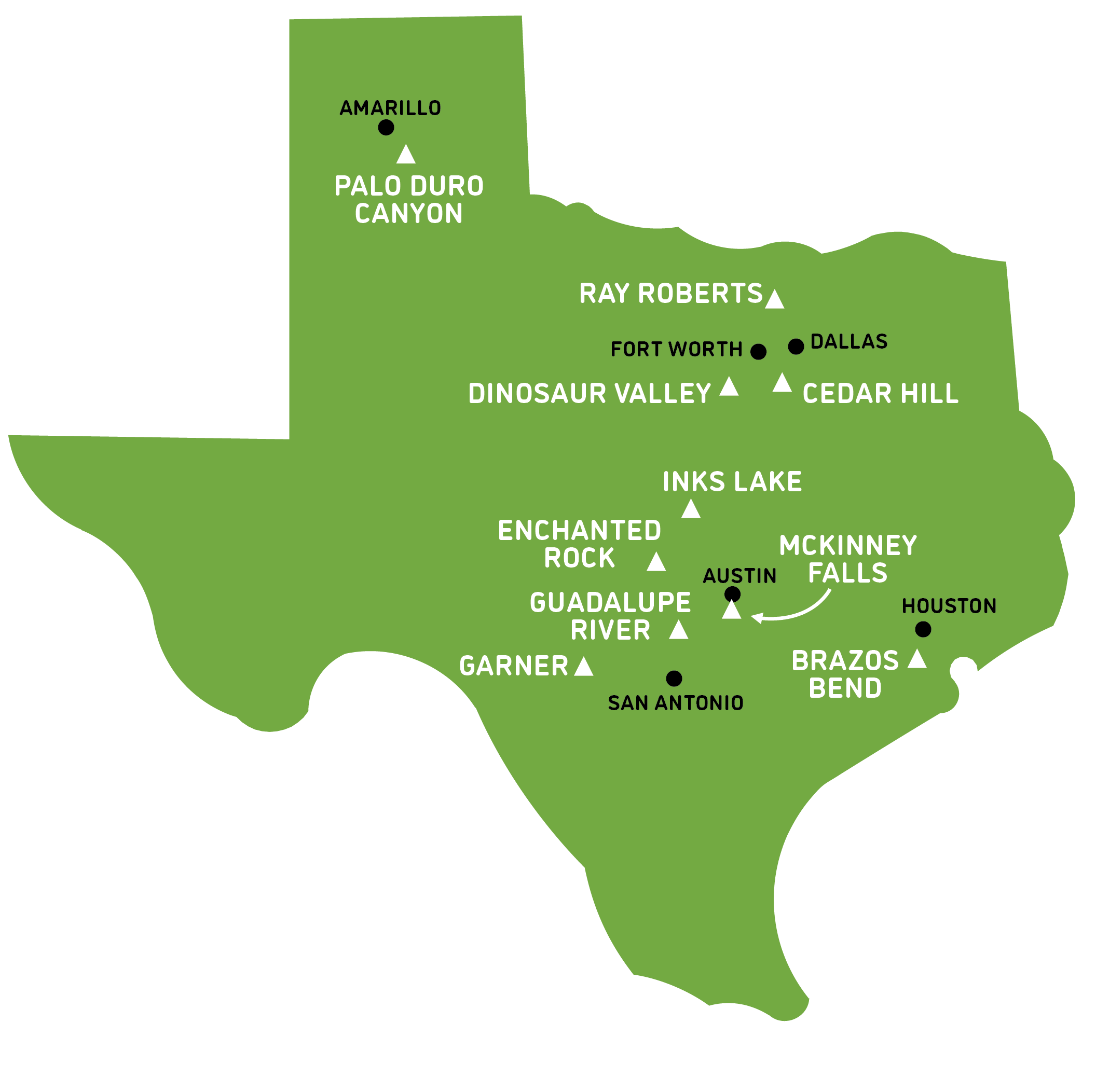
- Palo Duro Canyon State Park, the second-largest canyon in the United States, offering dramatic vistas and extensive trails for hiking, horseback riding, and camping near Amarillo.
- Mustang Island State Park and Galveston Island State Park, which provide crucial access to the Gulf Coast beaches, birdwatching opportunities, and coastal camping.
- Enchanted Rock State Natural Area, a massive pink granite dome in the Hill Country revered by rock climbers and hikers for its challenging ascent and panoramic views.
- Caddo Lake State Park, a mystical bayou experience in East Texas, famous for its cypress trees draped in Spanish moss, fishing, and paddling.
Each of these parks, and many others, offer unique attractions and experiences, catering to a wide range of interests and showcasing the incredible diversity that defines Texas as a premier travel destination.
Diverse Landscapes and Unforgettable Experiences
The true magic of the Texas State Parks system lies not just in its quantity but in the incredible quality and variety of experiences it offers. From arid deserts to dense forests, and from shimmering lakes to coastal wetlands, these parks are living classrooms, adventure playgrounds, and peaceful retreats all rolled into one. They embody the essence of Texas’s natural heritage and are invaluable for both education and recreation.
From Deserts to Piney Woods
The geographical diversity of Texas is perfectly encapsulated within its state parks. In West Texas, the stark beauty of the Chihuahuan Desert can be explored at parks like Big Bend Ranch State Park and Franklin Mountains State Park near El Paso. Here, visitors can engage in rugged hiking, challenging mountain biking, and incredible stargazing under some of the darkest skies in North America. The high-desert elevation of Davis Mountains State Park provides cooler temperatures and unique “sky island” ecosystems, perfect for those seeking to escape the heat and delve into a different kind of natural beauty.
Contrast this with the lush, green expanses of East Texas, where parks like Caddo Lake State Park and Village Creek State Park transport visitors to a world of towering pine trees, bald cypress swamps, and serene bayous. These areas are ideal for kayaking, canoeing, fishing, and birdwatching, offering a tranquil escape into dense, humid ecosystems. The rich biodiversity here supports a different array of wildlife, from alligators to migratory birds, providing distinct wildlife viewing opportunities.
Waterways, Coasts, and Cultural Significance
Texas’s state parks also embrace its numerous waterways and extensive coastline. Lakes like Lake Livingston State Park, Lake Somerville State Park & Trailway, and Colorado Bend State Park offer superb opportunities for boating, fishing, swimming, and lakeside camping. Rivers such as the Frio River and the Guadalupe River, though not always directly within state parks, often have parks nearby or provide similar recreational appeal, particularly for tubing and paddling, a popular Texas pastime.
Along the Gulf Coast, parks like Mustang Island State Park and Sea Rim State Park protect vital barrier island ecosystems, offering miles of pristine beaches, excellent birdwatching, and unique coastal camping experiences. These parks are critical for protecting migratory bird populations and provide a glimpse into the delicate balance of coastal environments.
Beyond natural beauty, many state parks hold significant cultural and historical value. Washington-on-the-Brazos State Historic Site is known as the “Birthplace of Texas,” where the Texas Declaration of Independence was signed. Seminole Canyon State Park & Historic Site features ancient rock art left by early inhabitants, offering a profound connection to the land’s original stewards. These parks combine outdoor recreation with educational opportunities, making them ideal destinations for families and history enthusiasts.
Planning Your Texas State Park Adventure
Embarking on a journey through the Texas State Parks system requires a bit of planning, but the rewards are well worth the effort. Whether you’re planning a day trip, a weekend getaway, or an extended multi-park tour, understanding the practicalities of travel and accommodation will enhance your experience.
Choosing Your Perfect Park and Essential Preparations
With nearly 90 parks to choose from, selecting the right one depends on your interests, the time of year, and your preferred activities. Are you seeking solitude in the desert, a refreshing swim in a spring-fed lake, or a cultural deep dive into Texas history? The Texas Parks and Wildlife Department website is an invaluable resource, providing detailed information on each park’s features, activities, and amenities.
Before you go, consider these essential preparations:
- Reservations: Especially for popular parks and during peak seasons (spring break, holidays, fall foliage in the Hill Country), campsite and day-use reservations are highly recommended, often required. This is crucial for avoiding disappointment, particularly if you’re traveling with family or planning a specific camping experience.
- Park Pass: Consider purchasing a Texas State Parks Pass. It offers unlimited entry to all state parks for a year for the pass holder and guests, saving money if you plan multiple visits. This is an excellent budget travel strategy for frequent visitors.
- Weather: Texas weather can be extreme. Summers are hot, especially in the western and southern regions, while winters can be mild but occasionally experience cold snaps, particularly in the Panhandle Plains. Pack appropriate clothing, plenty of water, and sun protection.
- Activities: Check specific park rules for activities like hiking, biking, fishing, paddling, and swimming. Some activities may require permits or have specific regulations.
- Leave No Trace: Always practice Leave No Trace principles to help preserve the natural beauty for future visitors.
Accommodation Options Near and Within Parks
While the primary focus of state parks is often camping, many offer diverse accommodation options, ranging from basic campsites to more comfortable cabins and even unique glamping experiences. For those who prefer a more luxurious or traditional stay, numerous hotels and resorts are often found in nearby towns, allowing visitors to enjoy the park during the day and retreat to modern comforts at night.
Within the parks, you might find:
- Campsites: Ranging from primitive walk-in sites to developed sites with water and electricity hookups for RVs. Many also include picnic tables and fire rings.
- Cabins: Several parks offer rustic to modern cabins, providing a comfortable base with beds, air conditioning, and sometimes kitchens or private bathrooms. These are popular for family trips or those seeking a step above tent camping. For instance, Lake Mineral Wells State Park & Trailway and McKinney Falls State Park offer popular cabin rentals.
- Screened Shelters: An excellent option for protection from insects and weather, often featuring basic amenities like electricity and bunk beds.
- Group Facilities: Some parks have large group sites, perfect for events or larger family gatherings.
For those whose lifestyle leans towards more comfort or who are traveling without camping gear, nearby towns provide ample options. For example, when visiting Big Bend Ranch State Park, the small, artistic towns of Terlingua, Marfa, and Alpine offer boutique hotels, unique guesthouses, and delightful local cuisine. Similarly, exploring the Hill Country parks like Pedernales Falls State Park or Inks Lake State Park can be coupled with stays in charming Fredericksburg or Johnson City, known for their vineyards and quaint bed and breakfasts.
Major cities like Austin or San Antonio also serve as excellent hubs for exploring nearby state parks, offering a full range of luxury hotels, budget-friendly options, and unique apartments or villas for long-term stays. This blend of in-park camping and external hotel options allows for flexible trip planning, catering to various preferences and budgets, ensuring that everyone can find their ideal way to experience the natural beauty of Texas.
Beyond the Trails: Enhancing Your Texas State Park Experience
Visiting Texas State Parks isn’t just about hiking trails and setting up camp; it’s an immersive tourism experience that can be enriched by engaging with local culture, savoring regional flavors, and exploring nearby towns. The lifestyle around these parks often involves a blend of outdoor adventure and community charm.
Experiencing Local Flavors and Communities
Many Texas State Parks are situated near small towns that offer a glimpse into local Texas life. These communities often provide essential services, unique shops, and delicious local cuisine that complements a day spent in nature. For instance, after a day exploring the majestic Palo Duro Canyon State Park, a visit to Amarillo can provide a taste of genuine Texas hospitality and a legendary steak.
In the Hill Country, towns like Fredericksburg, Luckenbach, and Wimberley offer charming boutiques, art galleries, and acclaimed wineries and breweries, providing an excellent way to unwind after exploring Enchanted Rock or Pedernales Falls. These towns are destinations in themselves, offering a richer understanding of the local culture and economy beyond the park gates. The local food scene, from barbecue joints to Tex-Mex restaurants, is an integral part of the Texas experience and should not be overlooked. Many visitors plan their trips around these culinary experiences, elevating their entire travel itinerary.
Extending Your Stay: Hotels, Resorts, and Unique Accommodations
For those who appreciate a blend of nature and comfort, extending your stay beyond the park’s campgrounds opens up a world of possibilities. Many areas surrounding state parks have developed excellent accommodation infrastructure, from charming boutique hotels to luxurious resorts. This allows visitors to enjoy the rugged beauty of the parks during the day and retreat to amenities like swimming pools, spas, and fine dining in the evenings.
Consider these options for a well-rounded Texas adventure:
- Glamping: A growing trend, many private operators near state parks offer luxury tents, yurts, or cabins with amenities like comfortable beds, private bathrooms, and even concierge services. This is a perfect option for those seeking a “luxury travel” experience while remaining close to nature.
- Ranch Stays: In regions like the Hill Country or West Texas, working ranches or guest ranches offer unique accommodation experiences, often including horseback riding, fishing, and farm-to-table dining. This provides an authentic Texan lifestyle immersion.
- Vacation Rentals: Websites offering apartments, villas, or entire homes provide flexibility, especially for families or longer stays. This can be a more personal and cost-effective option than traditional hotels, particularly for those on a “budget travel” plan.
- Hotels and Resorts: Major towns near state parks, such as San Marcos, New Braunfels, or even larger cities like Waco and College Station, feature a wide array of hotels for every budget. Some resorts even offer packages that include guided tours to nearby state parks or outdoor activities.
The nearly 90 Texas State Parks are more than just places to visit; they are gateways to understanding the vastness, beauty, and spirit of Texas. Each park tells a unique story, offering unparalleled opportunities for adventure, relaxation, and discovery. By thoughtfully planning your visit, engaging with local communities, and considering the diverse accommodation options, you can craft an unforgettable journey through the heart of the Lone Star State, creating memories that will last a lifetime.
LifeOutOfTheBox is a participant in the Amazon Services LLC Associates Program, an affiliate advertising program designed to provide a means for sites to earn advertising fees by advertising and linking to Amazon.com. Amazon, the Amazon logo, AmazonSupply, and the AmazonSupply logo are trademarks of Amazon.com, Inc. or its affiliates. As an Amazon Associate we earn affiliate commissions from qualifying purchases.