
The vast expanse of Texas, a state synonymous with grandeur and diverse landscapes, often conjures images of endless highways, towering cityscapes, and rugged natural beauty. From its sun-drenched beaches along the Gulf Coast to the majestic peaks of its western deserts, Texas offers a kaleidoscope of experiences for any traveler. But beyond its rich history, vibrant culture, and unparalleled attractions, there’s a fascinating logistical detail that often surprises visitors and even some residents: Texas operates across not one, but two distinct time zones. This unique geographical nuance, while minor for most of the state, plays a significant role in travel planning, business operations, and the daily lives of those living on its western frontier. Understanding this dual time zone system is key to seamlessly navigating the Lone Star State, ensuring that your travel itineraries, hotel bookings, and sightseeing plans align perfectly with the local clocks.
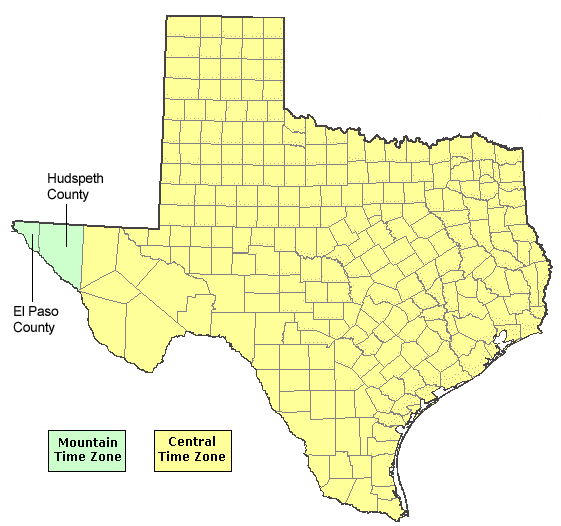
The sheer scale of Texas is a primary reason for this temporal split. Spanning over 268,000 square miles, it is the second-largest state in the United States (after Alaska), stretching nearly 800 miles from east to west and north to south. Such monumental dimensions naturally lead to variations in sunrise and sunset times, making a single, statewide time zone impractical for all its inhabitants. For a travel and lifestyle enthusiast, this fact adds another layer of intrigue to exploring Texas, demanding a mindful approach to planning whether you’re embarking on a luxurious road trip across the state, booking a business stay in Dallas, or seeking adventure in the national parks of West Texas.
Unraveling Texas’s Time Zones: A Geographic Overview
At its core, the division of time zones in Texas is a story of geographical necessity and regional alignment. The vast majority of the state adheres to one time zone, while a distinct portion in the far west follows another. This arrangement reflects the state’s expansive longitude and its proximity to neighboring states with different timekeeping conventions.
Central Standard Time (CST): The Dominant Zone
For most of its landmass and population, Texas falls squarely within the Central Standard Time (CST) zone. This means that major metropolitan areas, bustling tourism hubs, and iconic landmarks across the state operate on UTC-6 during standard time and UTC-5 during Daylight Saving Time (CDT). When you plan a trip to renowned cities like Dallas, Houston, Austin, or San Antonio, you’ll be operating on Central Standard Time.
This time zone encompasses the economic powerhouses of Texas, home to thriving business districts, world-class hotels, and an array of cultural attractions. For instance, a business traveler flying into Dallas/Fort Worth International Airport (DFW) or George Bush Intercontinental Airport (IAH) for a conference will find that all their meetings and dinner reservations are scheduled according to CST. Similarly, families exploring the historic Alamo in San Antonio or indulging in the vibrant live music scene in Austin will find their days unfolding on Central Standard Time. This uniformity across the most populated parts of the state simplifies travel planning for the majority of visitors, allowing them to focus on the experiences rather than intricate time zone calculations. Accommodation options, from luxurious high-rise suites in downtown Houston to charming boutique hotels in the Texas Hill Country, all align with this dominant time, making check-in and check-out times straightforward.
Mountain Standard Time (MST): The Western Frontier
The notable exception to Central Standard Time in Texas lies in its far western region. A small but significant portion of the state, primarily the city of El Paso and the entirety of Hudspeth County, observes Mountain Standard Time (MST). This means they are one hour behind Central Standard Time, operating on UTC-7 during standard time and UTC-6 during Daylight Saving Time (MDT). The decision for this region to align with MST stems from its geographical proximity and strong cultural and economic ties to New Mexico and Arizona, both of which primarily operate on MST.
For travelers venturing into West Texas, this time zone shift is a critical detail. Imagine planning an epic road trip from Dallas to El Paso. As you drive westward, crossing county lines beyond the Pecos River, you’ll literally “gain an hour” as you transition into MST. This can impact everything from scheduled tours of Franklin Mountains State Park to dinner reservations in El Paso, or check-in times at hotels near the Guadalupe Mountains National Park. The landscapes in this part of Texas are dramatically different from the eastern plains, characterized by rugged mountains, vast deserts, and a unique blend of Mexican and American cultures. When exploring attractions like the Wyler Aerial Tramway in El Paso or hiking trails in Big Bend National Park (which is predominantly in CST but close enough that the time change is a factor for regional travel), being aware of the time difference is paramount for a smooth experience. Luxury resorts and charming bed and breakfasts in areas like Fort Davis or Marfa will explicitly state their time zone, which typically aligns with MST for the sake of local convenience, even if geographically slightly east of the strict MST line in some cases due to county boundaries.
The Historical and Practical Implications of Texas’s Dual Time Zones
The existence of two time zones within Texas is not merely a geographical quirk; it’s a decision rooted in historical precedent and practical considerations that continue to shape daily life and travel across the state. Understanding these underpinnings enhances the appreciation for the logistical intricacies of such a massive and diverse region.
A Legacy of Convenience: Why the Division Exists
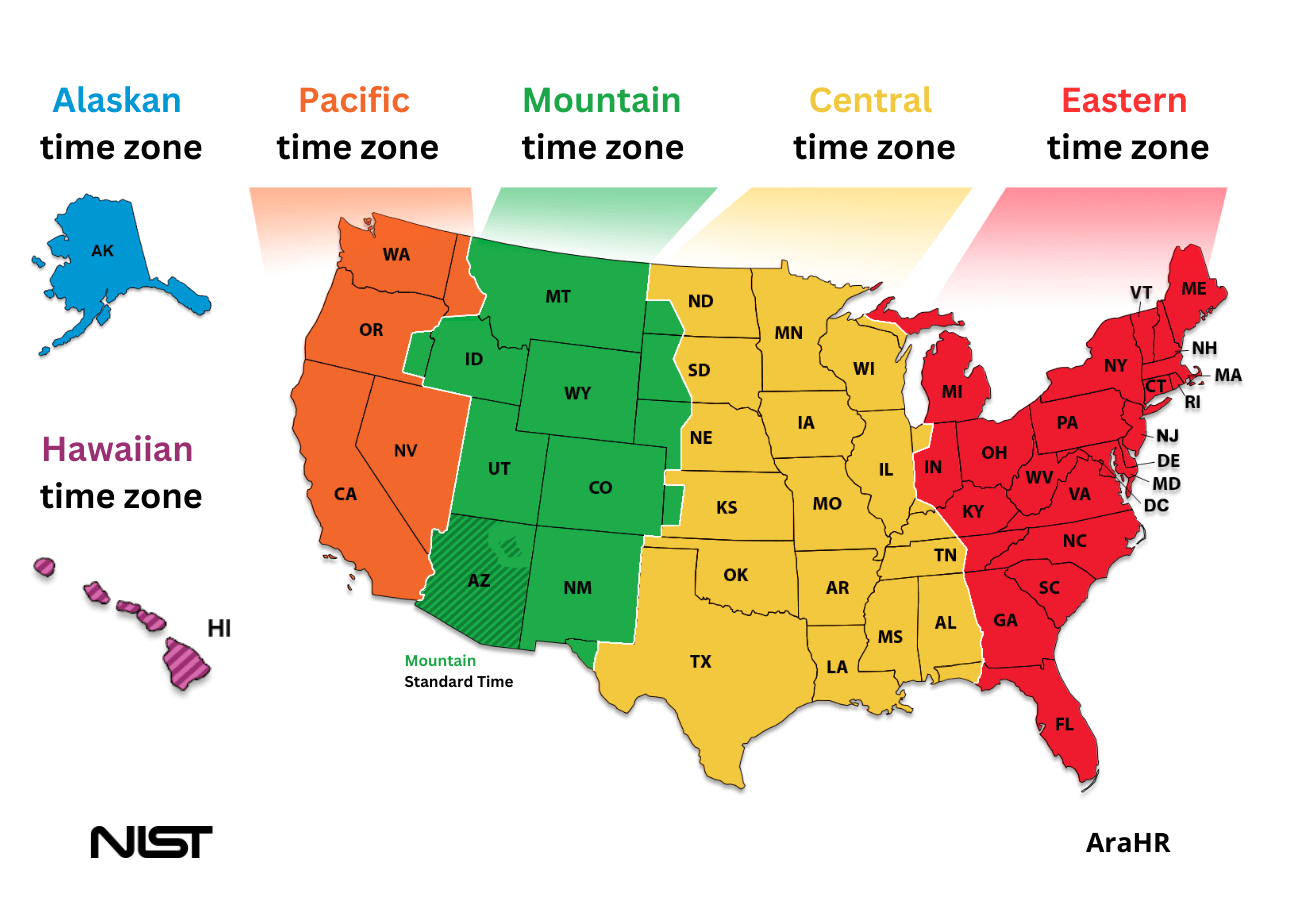
The standardization of time zones in the United States dates back to the late 19th century, primarily driven by the needs of the burgeoning railroad industry. Before 1883, towns across the country operated on their own local solar time, leading to thousands of different local times and immense confusion for train schedules. The implementation of four standard time zones (Eastern, Central, Mountain, and Pacific) by the major railroads in 1883, later formalized by federal law through the Standard Time Act of 1918 and subsequent amendments by the Interstate Commerce Commission (ICC) and the Department of Transportation (DOT), aimed to bring order to this chaos.
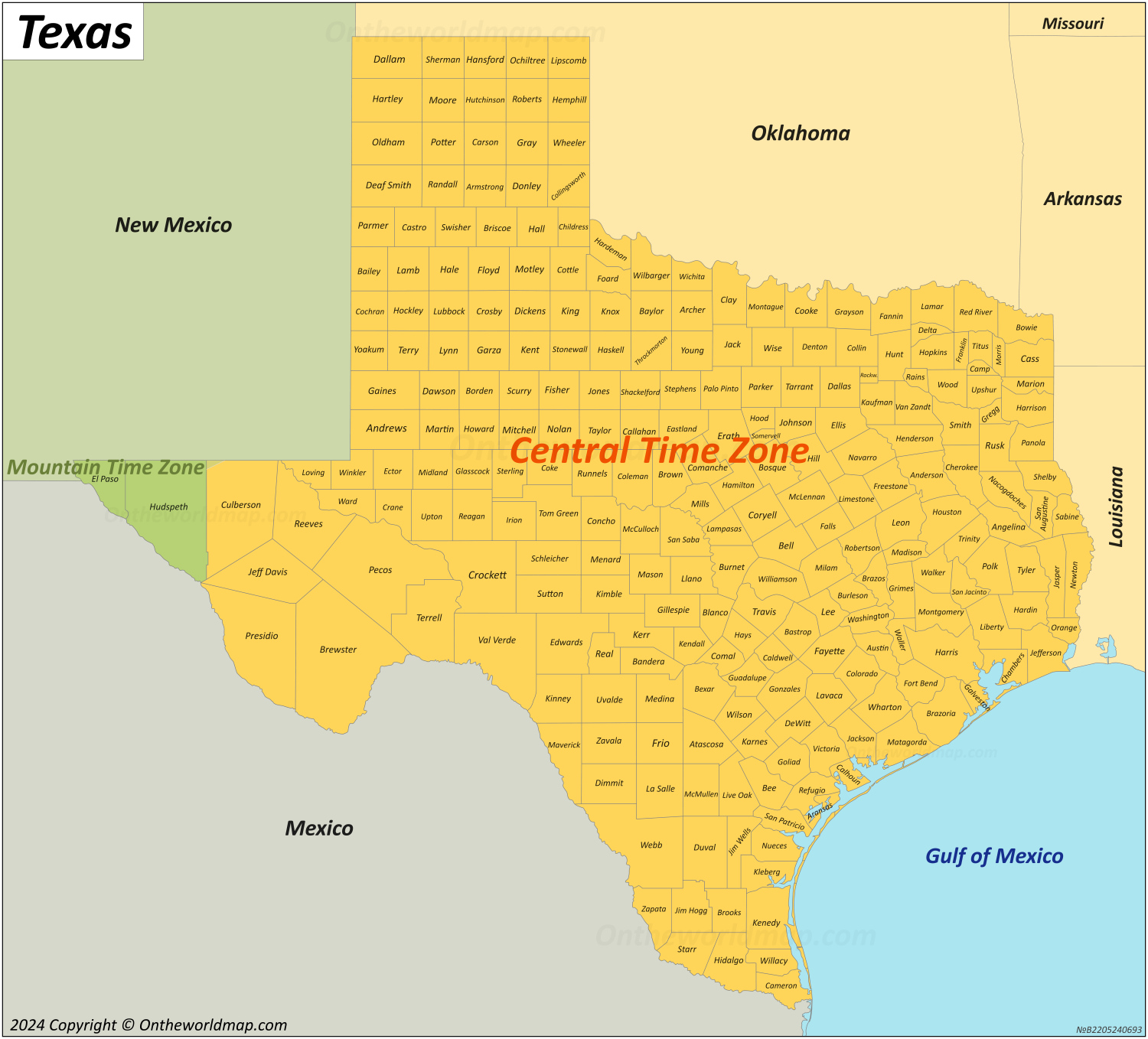
For Texas, the decision to place El Paso and Hudspeth County in Mountain Standard Time was a matter of practical convenience and regional integration. El Paso lies significantly further west than the rest of Texas’s major population centers, making its natural solar time much closer to that of New Mexico and Arizona. To avoid a jarring two-hour time difference with its immediate western neighbors, which would complicate cross-border commerce, communication, and travel, it was deemed more sensible for El Paso to align with MST. This alignment fosters smoother day-to-day interactions, reduces confusion for businesses operating across state lines, and simplifies travel for those frequently crossing into adjacent states. This historical decision, therefore, reflects a pragmatic approach to governance, prioritizing the functional flow of life and commerce for communities situated on the state’s far western edge.
Navigating the Time Zone Divide: Tips for Travelers and Businesses
For anyone planning to explore the vastness of Texas, particularly if your itinerary includes venturing into the western reaches, acknowledging and preparing for the time zone change is essential. This seemingly minor detail can significantly impact travel logistics, accommodation bookings, and even your overall lifestyle during your trip.
When flying into Texas, especially if your final destination is El Paso via El Paso International Airport (ELP), always double-check your flight arrival times. A flight departing from Dallas at 10:00 AM CST and arriving in El Paso at 11:00 AM MST might seem like a quick one-hour journey, but in reality, it’s a two-hour flight plus the hour gained due to the time zone change. The same vigilance applies to hotel check-in and check-out times. Booking a suite in a Dallas downtown hotel might have a 3:00 PM CST check-in, while a resort near Big Bend National Park (primarily CST but often confused with MST areas) or a desert retreat near Marfa will adhere strictly to local MST or CST depending on its specific location. Always confirm the local time zone with your accommodation provider, especially if you’re close to the divide.
For those on a grand Texas road trip, crossing the time zone boundary near Hudspeth County provides a tangible experience of the shift. Many digital devices automatically update, but it’s wise to carry a traditional watch or double-check with local signage. Coordinating meetings, whether for business or family gatherings, across the time zones requires careful planning to avoid confusion. A 9:00 AM meeting in Houston would be 8:00 AM in El Paso. This nuance is especially relevant for businesses with operations spanning the state, or for remote workers and digital nomads leveraging the flexibility of different locations within Texas. Embracing this temporal diversity is part of the unique lifestyle experience of living or traveling in such a magnificent state.
Beyond the Clock: Experiencing the Vastness of Texas
The discussion of time zones in Texas ultimately leads to a deeper appreciation for its sheer size and the incredible diversity it offers. This geographical spread is precisely what allows for such a rich tapestry of travel, tourism, and lifestyle experiences, from vibrant urban explorations to serene natural retreats.
Iconic Destinations and Diverse Experiences
The bulk of Texas operates on Central Standard Time and offers an overwhelming array of attractions. In Dallas, a hub for business and luxury travel, visitors can explore the poignant Sixth Floor Museum, marvel at the marine life in the Dallas World Aquarium, or indulge in high-end shopping and dining. Houston, a sprawling metropolis, beckons with the wonders of Space Center Houston, a thriving arts scene, and diverse culinary offerings. Its proximity to the Gulf Coast also allows for easy day trips to Galveston, where historic architecture meets sandy beaches.
Austin, the self-proclaimed “Live Music Capital of the World,” pulses with an energetic, unique vibe. Travelers can tour the majestic Texas State Capitol, cool off in the natural spring waters of Barton Springs Pool, or explore the city’s myriad food trucks. San Antonio offers a deep dive into Texas history, anchored by the iconic Alamo and the enchanting River Walk, perfect for romantic strolls or family adventures. Beyond these major cities, the Hill Country boasts charming towns like Fredericksburg and Luckenbach, known for wineries, German heritage, and rustic resorts. From budget-friendly motels to opulent five-star hotels and family-friendly resorts with extensive amenities, the accommodation landscape in CST Texas is as varied as its attractions.
Moving into the Mountain Standard Time zone, West Texas unveils a completely different facet of the state. El Paso, often called the “Sun City,” combines a rich Mexican American heritage with stunning desert and mountain vistas. Here, adventurers can hike Franklin Mountains State Park or ride the Wyler Aerial Tramway for panoramic views of three states and two countries. The region is also home to some of the nation’s most breathtaking national parks. Guadalupe Mountains National Park offers challenging hikes to Texas’s highest peak, while the immense Big Bend National Park and nearby Big Bend Ranch State Park provide unparalleled opportunities for stargazing, river trips, and exploring a truly wild frontier. Towns like Marfa, known for its mysterious lights and vibrant arts scene, and Fort Davis, with its historic fort and observatory, offer unique cultural and historical tourism experiences. Accommodation in this region leans towards rustic lodges, comfortable hotels, and scenic campsites, perfect for those seeking an outdoor-centric lifestyle.
Seamless Travel and Accommodation Planning
Given the sheer diversity and size of Texas, meticulous planning is crucial for maximizing your travel experience. Whether you’re on a tight budget or seeking a luxury escape, understanding the geographical and temporal nuances will make your trip smoother. Consider flying into major airports like Dallas/Fort Worth International Airport (DFW), George Bush Intercontinental Airport (IAH), Austin-Bergstrom International Airport (AUS), or San Antonio International Airport (SAT) for adventures in CST, or directly into El Paso International Airport (ELP) for your West Texas journey.
When booking accommodation, always pay attention to the exact location and its corresponding time zone, especially when making reservations for activities or dining experiences that might be sensitive to time. Many booking platforms will display the local time, but a quick cross-reference with a reliable time zone map or a direct call to the hotel or attraction can prevent any missteps. From chic urban suites designed for business stays to family-friendly resorts offering extensive amenities like water parks and kids’ clubs, or secluded villas and apartments perfect for a long-term stay, Texas caters to every accommodation need. For those embracing a budget travel lifestyle, numerous motels, hostels, and campgrounds are available, while luxury travelers can indulge in high-end hotels and exclusive resorts found in every major city and scenic region. Don’t forget to factor in the immense driving distances when planning a multi-city or multi-region itinerary across Texas. A road trip from Houston to El Paso is over 700 miles, making the one-hour time difference a minor but important detail in an already epic journey.
In conclusion, Texas proudly hosts two distinct time zones: Central Standard Time for the vast majority of its land, and Mountain Standard Time for the far western areas around El Paso and Hudspeth County. This temporal division is a testament to the state’s formidable size and its logical alignment with neighboring regions. For travelers, acknowledging and preparing for this nuance ensures a seamless and enjoyable journey through the Lone Star State. From the bustling streets of Dallas to the serene deserts of Big Bend National Park, Texas promises an unforgettable adventure, no matter what time the clock says.
LifeOutOfTheBox is a participant in the Amazon Services LLC Associates Program, an affiliate advertising program designed to provide a means for sites to earn advertising fees by advertising and linking to Amazon.com. Amazon, the Amazon logo, AmazonSupply, and the AmazonSupply logo are trademarks of Amazon.com, Inc. or its affiliates. As an Amazon Associate we earn affiliate commissions from qualifying purchases.