
The allure of a career in real estate often stems from the promise of independence, significant earning potential, and the dynamic nature of helping people find their dream homes or ideal investment properties. In a booming state like Texas, these prospects are particularly enticing. With its diverse economy, growing population, and varied landscapes—from bustling metropolises to serene Texas Hill Country towns—the Lone Star State presents a unique and often lucrative environment for real estate professionals. But what does the financial reality truly look like for a realtor navigating the vast Texas market? This article delves into the various facets of a realtor’s income, exploring the factors that influence earnings, average salaries, and the lifestyle potential that comes with success in this competitive field.
Understanding the Real Estate Landscape in Texas
Texas is not just a state; it’s an economic powerhouse. Its diverse industries, including technology, energy, healthcare, and manufacturing, consistently draw new residents and businesses, fueling a robust housing market. This influx of people translates directly into demand for homes, apartments, and commercial spaces, creating ample opportunities for real estate agents.
A Thriving Market for Opportunity
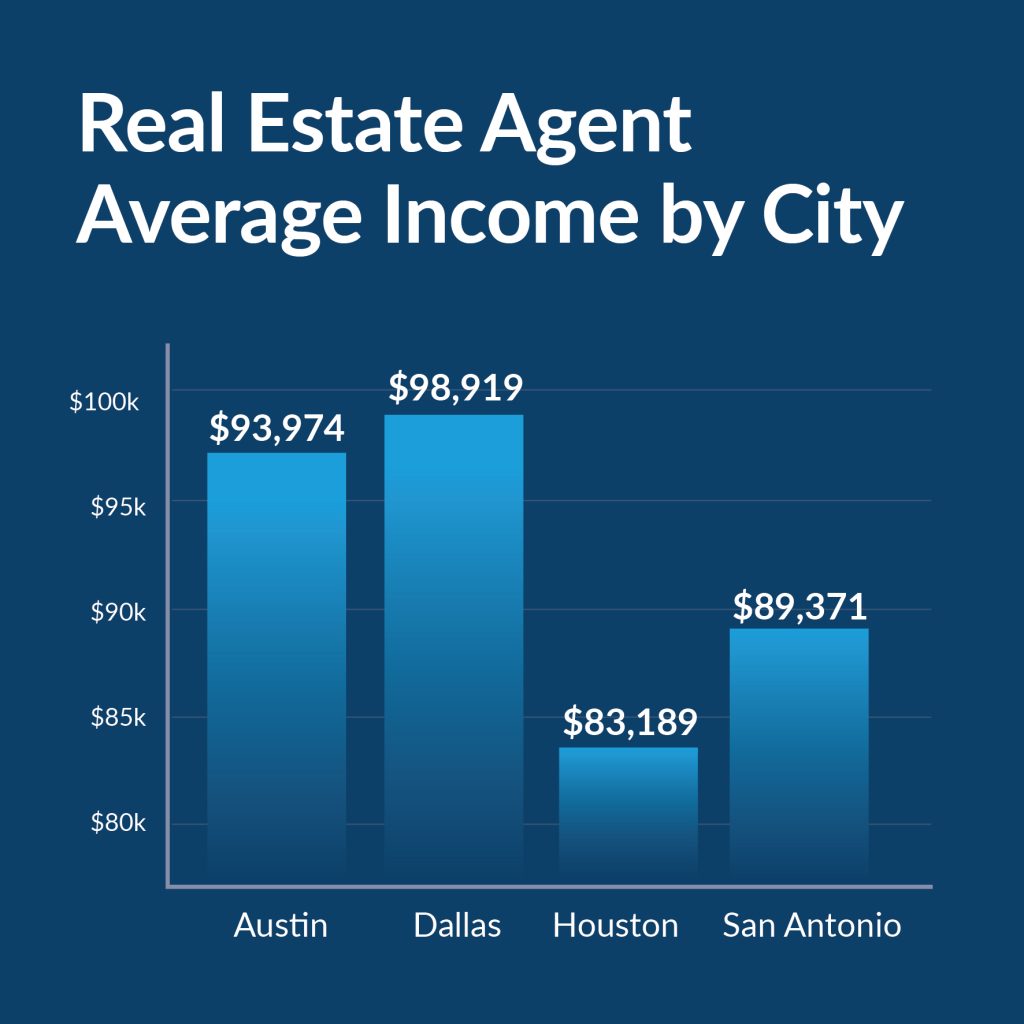
The Texas real estate market is characterized by its sheer size and variety. Major metropolitan areas like Houston, Dallas, Austin, and San Antonio boast some of the most active housing markets in the United States. These cities consistently rank high for job growth and affordability (relative to coastal megacities), attracting a steady stream of newcomers.
- Houston: Known for its energy sector and the Space Center Houston, it has a vast and diverse housing market, from urban condos to sprawling suburban homes.
- Dallas & Fort Worth: The Dallas-Fort Worth Metroplex is a major corporate hub, attracting businesses and high-income earners, leading to strong demand for luxury properties and investment opportunities. Surrounding cities like Plano, Irving, and Frisco also contribute significantly.
- Austin: The state capital and a technology hotspot, Austin’s market is vibrant, though often characterized by higher price points and intense competition. Its unique culture attracts a specific demographic looking for a dynamic lifestyle.
- San Antonio: Rich in history, home to the Alamo, and a growing economic center, San Antonio offers a more historically rooted market with diverse price ranges.
Beyond these major hubs, regions like the Rio Grande Valley and coastal cities such as Corpus Christi and Galveston offer different market dynamics, from seasonal vacation homes to growing communities. This widespread activity means that regardless of where a realtor chooses to practice within Texas, there’s a segment of the market ripe for exploration.
Licensing Requirements and Initial Investment
Becoming a licensed real estate agent in Texas requires meeting specific criteria set by the Texas Real Estate Commission (TREC). This typically includes:
- Being at least 18 years old.
- Being a United States citizen or a lawfully admitted alien.
- Completing 180 hours of TREC-approved real estate courses.
- Passing the Texas real estate licensing exam.
- Undergoing a background check and fingerprinting.
The initial investment for a new realtor can include course fees, exam fees, licensing fees, and professional association dues. Beyond these, there are ongoing costs such as marketing, continuing education, and potentially office space or technology subscriptions. While these upfront costs are manageable, they represent a barrier to entry that new agents must overcome before they can start earning. For many, this is seen as an investment in a future that promises flexibility and the potential for a financially rewarding career, perhaps even enabling them to enjoy luxury travel or invest in their own properties for long-term stay options.
Factors Influencing Realtor Income in Texas
Unlike salaried positions, a realtor’s income is highly variable, directly tied to their sales performance. Several critical factors come into play when determining how much an agent can earn in Texas.
Commission Structures and Splits
The vast majority of a realtor’s income comes from commissions on successfully closed transactions.
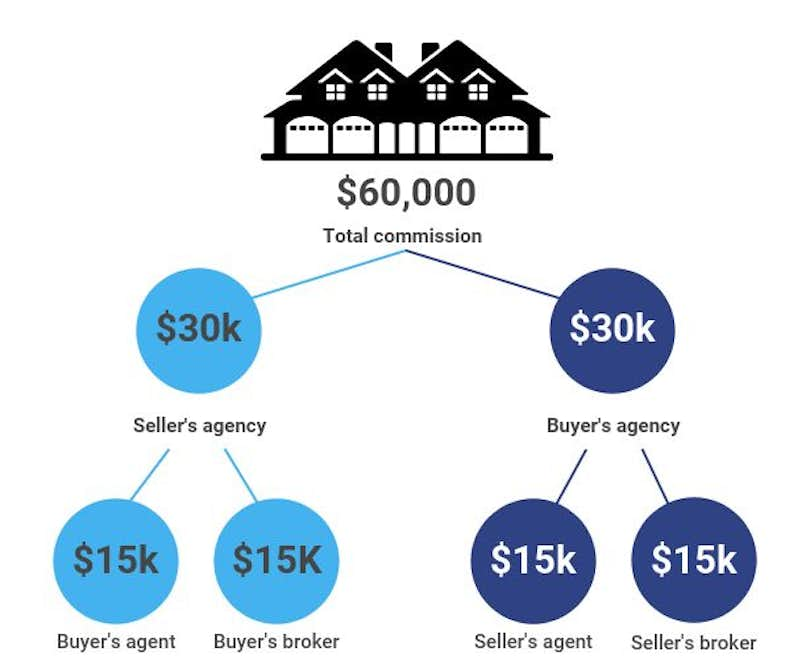
- Commission Rate: In Texas, the typical real estate commission rate ranges from 5% to 6% of the home’s sale price. This commission is usually split between the buyer’s agent and the seller’s agent.
- Brokerage Split: Agents work under a licensed real estate broker. A significant portion of the commission an agent earns is paid to their brokerage, known as a commission split. This split can vary widely, from 50/50 for new agents to 80/20 or even 90/10 for highly experienced or high-producing agents. Some brokerages offer a “cap” model, where once an agent pays a certain amount in commission to the brokerage, they keep 100% of subsequent commissions for the remainder of the year.
- Fees: Beyond the split, some brokerages charge desk fees, technology fees, or transaction fees, which further reduce the agent’s net income.
Understanding these splits and fees is crucial for any aspiring realtor to accurately project their potential take-home pay. For example, on a $350,000 home sale in Dallas with a 6% commission, the total commission is $21,000. If split equally between buyer’s and seller’s agents, each side gets $10,500. A new agent on a 50/50 split would take home $5,250 before taxes and other expenses.
Location, Location, Location: Urban vs. Rural Markets
Where a realtor chooses to practice within Texas can significantly impact their income.
- High-Cost Urban Markets: Cities like Austin, parts of Dallas, and Houston often have higher median home prices, meaning a 6% commission on a $500,000 home ($30,000 total commission) will yield more per transaction than the same percentage on a $200,000 home in a less expensive area. However, these markets are also more competitive, requiring greater effort to stand out.
- Suburban and Rural Areas: While home prices might be lower in areas surrounding El Paso, or in communities in West Texas or East Texas, the volume of sales might be lower, or the competition less intense. Agents in these areas might specialize in land sales, farm and ranch properties, or vacation homes around popular destinations like Lake Travis or South Padre Island. The key is understanding the local market’s specific dynamics and adapting strategies accordingly.
Experience and Specialization
Like many professions, experience plays a vital role in a realtor’s earning potential.
- New Agents: Often earn less in their first year or two as they build their client base, refine their skills, and establish a reputation. Many new agents in Texas might take several months to close their first deal.
- Experienced Agents: With a proven track record, a strong network, and referrals, seasoned agents can close more deals, often handling higher-value properties, leading to substantially higher incomes. They might also negotiate better commission splits with their brokerages.
- Specialization: Agents who specialize in niche markets, such as luxury homes, commercial real estate, farm and ranch properties, investment properties, or specific neighborhoods, can command higher earnings due to their expertise. For instance, an agent specializing in investment villas or properties suitable for long-term stay in Austin might serve a clientele with deeper pockets.
Marketing and Networking Prowess
In a competitive market like Texas, a realtor’s ability to market themselves and build a strong network is paramount.
- Personal Branding: Developing a recognizable brand, whether through online presence, local advertising, or community involvement, is crucial for attracting clients.
- Networking: Building relationships with other agents, lenders, inspectors, and most importantly, past clients, generates referrals, which are often the most cost-effective and highest-converting leads.
- Digital Presence: A strong website, active social media profiles, and engaging content can significantly expand an agent’s reach, especially when catering to younger, tech-savvy buyers moving to Texas for tech jobs.
Average Earnings and Earning Potential
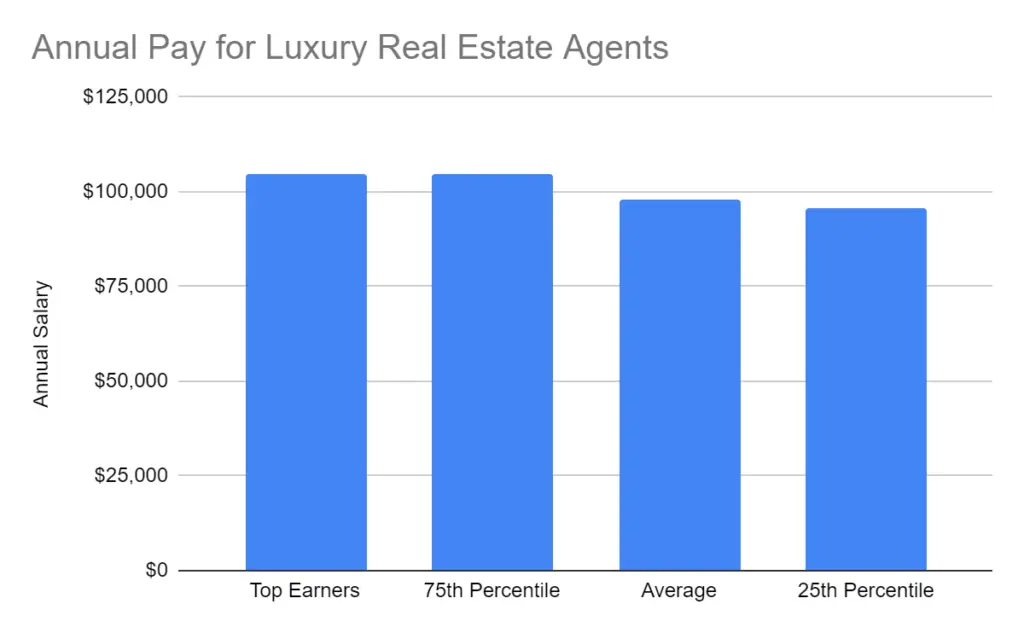
While it’s challenging to pinpoint an exact average due to the commission-based nature of the job, various sources provide estimates for realtor earnings in Texas.
Entry-Level to Seasoned Professionals
- Entry-Level (First 1-2 Years): Many new agents find their first year challenging, with some earning little to no income initially. Those who persevere might make between $25,000 and $40,000, often supplemented by other income streams until their real estate business takes off. This phase is crucial for learning, building a network, and understanding the nuances of local markets like North Texas or Central Texas.
- Mid-Career (3-5 Years Experience): As agents gain experience and a client base, their income typically rises significantly. Many mid-career realtors in Texas can expect to earn between $50,000 and $80,000 annually.
- Experienced Professionals (5+ Years Experience): Highly experienced and successful agents in thriving markets like Houston or Austin can comfortably earn $100,000 per year or more. Top producers, especially those handling luxury properties or commercial deals, can push well into the six figures, sometimes exceeding $200,000 or $300,000 annually.
It’s important to remember that these figures represent gross income before taxes, business expenses, and health insurance. Being an independent contractor means agents are responsible for all these costs.
Top Earners and Their Strategies
The top 10-20% of realtors in Texas are often the ones making substantial incomes. Their strategies typically include:
- Consistent Lead Generation: They have robust systems for attracting and nurturing leads, whether through referrals, online advertising, or community events.
- Exceptional Customer Service: Building lasting relationships leads to repeat business and glowing referrals, which are gold in real estate.
- Market Expertise: They possess deep knowledge of specific neighborhoods, market trends, and property values, making them trusted advisors.
- Strong Negotiation Skills: Their ability to secure the best deals for their clients is a major factor in their success.
- Investment in Themselves: Top agents often invest in coaching, advanced technology, professional photography, and high-quality marketing materials. They also understand the value of a well-deserved break, perhaps indulging in tourism experiences or staying at luxurious resorts during their time off.
The Lifestyle of a Texas Realtor: More Than Just Income
Beyond the financial figures, a career as a realtor in Texas offers a distinct lifestyle that appeals to many. This profession often aligns with the broader themes of independence, personal growth, and the ability to dictate one’s own terms, mirroring the “Life Out of the Box” philosophy.
Flexibility and Independence
One of the biggest draws for many realtors is the flexibility and autonomy. While the job requires significant dedication and often irregular hours (evenings, weekends), agents largely set their own schedules. This can be particularly appealing for those seeking a better work-life balance, allowing them to pursue personal interests, manage family commitments, or plan extensive travel without the constraints of a traditional 9-to-5 job. Imagine being able to take a spontaneous trip to Mexico or explore the remote Big Bend National Park when the market allows, rather than being tied to limited vacation days.
Investing in Your Own Future (and Travel!)
Successful real estate professionals often leverage their income and market knowledge to make personal investments, including their own properties. They might invest in vacation rentals in popular Texas destinations, acquire apartments for rental income, or purchase commercial spaces. This creates additional income streams and builds personal wealth, further enhancing their financial security and ability to enjoy a high-quality lifestyle, including regular travel or stays in unique accommodation like boutique hotels or even villas abroad. The ability to work from anywhere with an internet connection also means that a realtor could potentially manage aspects of their business while exploring new landmarks or indulging in local food experiences.
Navigating the Market’s Ups and Downs
The real estate market is cyclical, and Texas is no exception. Successful realtors learn to adapt to fluctuating market conditions, whether it’s a seller’s market, a buyer’s market, or a period of economic uncertainty. This resilience, combined with continuous learning and strategic planning, is key to sustained success and long-term financial stability. It means understanding that income can ebb and flow, and prudent financial management is essential for riding out slower periods and capitalizing on boom times.
Maximizing Your Earning Potential in Texas Real Estate
For those aspiring to high earnings in the Texas real estate market, a proactive and strategic approach is essential.
Continuous Education and Market Adaptation
The real estate industry is constantly evolving, with new technologies, legal regulations, and market trends emerging regularly. Top agents in Texas are committed to continuous learning. This includes:
- Specialized Certifications: Pursuing designations like Certified Luxury Home Marketing Specialist (CLHMS), Accredited Buyer’s Representative (ABR), or Certified Commercial Investment Member (CCIM) can open doors to higher-paying niches.
- Staying Current on Technology: Embracing virtual tours, CRM software, and digital marketing tools is crucial for efficiency and reaching a wider audience.
- Understanding Economic Indicators: Keeping a pulse on interest rates, job growth, and local development projects in areas like South Texas or Texas’s major urban centers helps anticipate market shifts.
Building a Strong Brand and Client Base
A realtor’s brand is their reputation. In a state as large and competitive as Texas, differentiation is key.
- Niche Marketing: Instead of trying to be everything to everyone, focus on a specific segment. This could be first-time homebuyers, military relocation services (given the state’s numerous bases), luxury properties, or investment properties for vacation rentals near Guadalupe Mountains National Park.
- Exceptional Service: Going above and beyond for clients, providing timely communication, and demonstrating expert knowledge builds trust and generates valuable referrals.
- Community Engagement: Becoming an active and visible member of the local community builds credibility and creates organic networking opportunities.
Leveraging Technology and Social Media
In today’s digital age, a robust online presence is non-negotiable for realtors.
- Professional Website: A well-designed website showcasing listings, testimonials, and local market insights is a powerful tool.
- Social Media Marketing: Platforms like Instagram, Facebook, and LinkedIn can be used to showcase properties, provide market updates, and connect with potential clients. Engaging content, including video tours and neighborhood highlights, can attract a significant following.
- CRM Systems: Customer Relationship Management (CRM) software helps agents manage leads, track client interactions, and streamline follow-ups, ensuring no opportunity is missed.
In conclusion, the question of “How much do realtors make in Texas?” doesn’t have a single, simple answer. It’s a spectrum, ranging from modest beginnings for new agents to significant six-figure incomes for top producers. Success in Texas real estate is a culmination of hard work, strategic planning, continuous learning, and an unwavering commitment to client service. For those willing to put in the effort, the rewards extend beyond just financial gain, offering a flexible, independent, and ultimately fulfilling lifestyle that can open doors to incredible opportunities, including the freedom to explore the world and invest in their own future adventures.
LifeOutOfTheBox is a participant in the Amazon Services LLC Associates Program, an affiliate advertising program designed to provide a means for sites to earn advertising fees by advertising and linking to Amazon.com. Amazon, the Amazon logo, AmazonSupply, and the AmazonSupply logo are trademarks of Amazon.com, Inc. or its affiliates. As an Amazon Associate we earn affiliate commissions from qualifying purchases.