
For many, a driver’s license is more than just a piece of plastic; it’s a passport to independence, a vital travel document, and often the primary form of identification required for everything from booking accommodations to exploring new destinations. Whether you’re a long-time resident of the Lone Star State, contemplating a move, or a traveler planning an extended stay, understanding the nuances of renewing your driver’s license in Texas is essential. Beyond just the legal requirement, a valid license ensures seamless travel, provides peace of mind for car rentals, and underpins countless daily activities that contribute to a fulfilling lifestyle. This comprehensive guide delves into the costs, processes, and crucial considerations for renewing your Texas driver’s license, helping you stay road-ready and travel-prepared.
The process might seem daunting at first glance, but with a clear understanding of the requirements and options available, it can be a straightforward task. Our aim is to demystify this critical aspect of life in Texas, providing insights that are especially relevant for those who value travel, flexible living, and hassle-free experiences. From the financial outlay to the documentation specifics, and even how your renewal status impacts your future adventures, we’ll cover all bases.
Understanding the Essentials: Costs and Eligibility
Renewing a driver’s license involves both a financial commitment and meeting specific criteria set forth by the state. Being aware of these foundational elements is the first step towards a smooth renewal process, ensuring you’re budgeting correctly and not caught off guard by eligibility issues.
The Price Tag: How Much Will It Cost?
The cost of renewing your driver’s license in Texas is relatively consistent, though it can vary slightly based on the type of license and the duration of its validity. Generally, a standard Class C driver’s license renewal will cost $33 for an eight-year term. This eight-year validity period is a significant convenience, reducing the frequency of renewals and providing long-term security for your travel and lifestyle plans. Compared to states with shorter renewal cycles, Texas’s longer term offers considerable value and less administrative burden over time.
For those requiring different classes of licenses, such as a Commercial Driver’s License (CDL), the fees will naturally be higher due to the increased endorsements and regulations involved. A CDL renewal, for instance, typically costs around $61 for an eight-year term. Motorcyclists will also find their fees slightly adjusted, often bundled with a Class C license. It’s always a good practice to verify the most current fee schedule directly on the Texas Department of Public Safety (DPS) website, as these figures can occasionally be updated. Budgeting for this cost is a minor yet necessary part of managing your personal finances, especially if you’re planning extensive travel or a move to a new city where a valid license is paramount for everything from renting a car to securing accommodation.
Who Qualifies? Eligibility Requirements for Renewal
Eligibility for renewing your Texas driver’s license hinges on several factors, primarily designed to ensure public safety and accurate identification. Most Texas residents are eligible to renew their license, provided it hasn’t been expired for too long, typically more than two years. If your license has been expired for over two years, you might be required to apply for a new license altogether, which involves re-taking the driving tests – a considerably more involved process that could disrupt travel plans.
Key eligibility criteria include:
- Age: You must be at least 18 years old. Minors have different renewal processes.
- Residency: You must be a legal resident of Texas. This is crucial for maintaining your status and ties to the state, especially for those who frequently travel or work remotely.
- Driving Record: You should not have any outstanding warrants, revocations, or suspensions on your driving record. Any serious infractions might require you to address them before your renewal can proceed.
- Citizenship/Legal Presence: You must be a U.S. citizen or have lawful presence in the United States. This is particularly relevant for international travelers or those with temporary visas, as the validity of your license might be tied to your immigration status.
- Vision Test: While not always required for online renewals, you must be able to meet the Texas vision standards. For in-person renewals, a vision test will be administered.
Understanding these requirements ahead of time helps prevent delays. For travelers, ensuring your license is current and that you meet all eligibility criteria before embarking on an extended journey is paramount. An expired or invalid license can complicate everything from renting a vehicle in Dallas to checking into a hotel in Houston or even accessing certain attractions.
Seamless Renewal: Methods and Documentation
The convenience of renewing your driver’s license in Texas has significantly improved over the years, with multiple options tailored to different lifestyles and circumstances. Preparing the correct documentation is equally vital, as it forms the backbone of your identity verification.
Choosing Your Path: Online, Mail, or In-Person?
The Texas Department of Public Safety offers several convenient methods for renewal, allowing you to choose the option that best suits your schedule and location, a significant boon for frequent travelers or those with busy lifestyles.
- Online Renewal: This is by far the most convenient method for many, especially those who are constantly on the go or living a nomadic lifestyle. If you are a U.S. citizen and your license has not been expired for more than two years, you can often renew online. This option is unavailable if you’ve had a change in your medical condition that might affect your driving, if you are under 18, or if you need to update your photo. Online renewal saves time, eliminates the need for travel to a DPS office, and can be completed from anywhere with an internet connection, whether you’re relaxing at a resort in San Antonio or planning your next adventure from a remote location. The new license is then mailed to your address, typically within a few weeks.
- Renewal by Mail: Similar to online renewal in its convenience, renewal by mail is an option for eligible U.S. citizens who meet specific criteria, often those who received a mailed invitation to renew. This method is useful if you prefer not to conduct transactions online or if internet access is unreliable. You’ll complete the mailed application form and send it back with the required payment. This method might take longer than online renewal due to postal transit times, so it requires careful planning to ensure your license doesn’t expire before the new one arrives.
- In-Person Renewal: For those who prefer direct interaction, need to update their photo, or are ineligible for online/mail renewal (e.g., non-U.S. citizens, those with expired licenses over two years), an in-person visit to a Texas Department of Public Safety office is necessary. This method often involves waiting times, so it’s advisable to schedule an appointment online if available, or visit during off-peak hours. While less convenient for travelers, an in-person visit guarantees immediate processing and allows you to address any specific concerns directly. It’s also an opportunity to capture a new, updated photo, which can be useful for identification purposes when checking into hotels or during international travel. For those considering a move to a new Texas city like Austin, planning an in-person renewal can be combined with local exploration, turning a chore into part of a broader experience.
Preparing Your Portfolio: Essential Documents for Renewal
Regardless of the renewal method you choose, having the correct documentation ready is paramount. A missing document can lead to delays and multiple trips to the DPS office, which is particularly inconvenient if you’re on a tight travel schedule.
For most standard renewals, you will generally need:
- Your current, expiring, or expired Texas Driver’s License or ID Card.
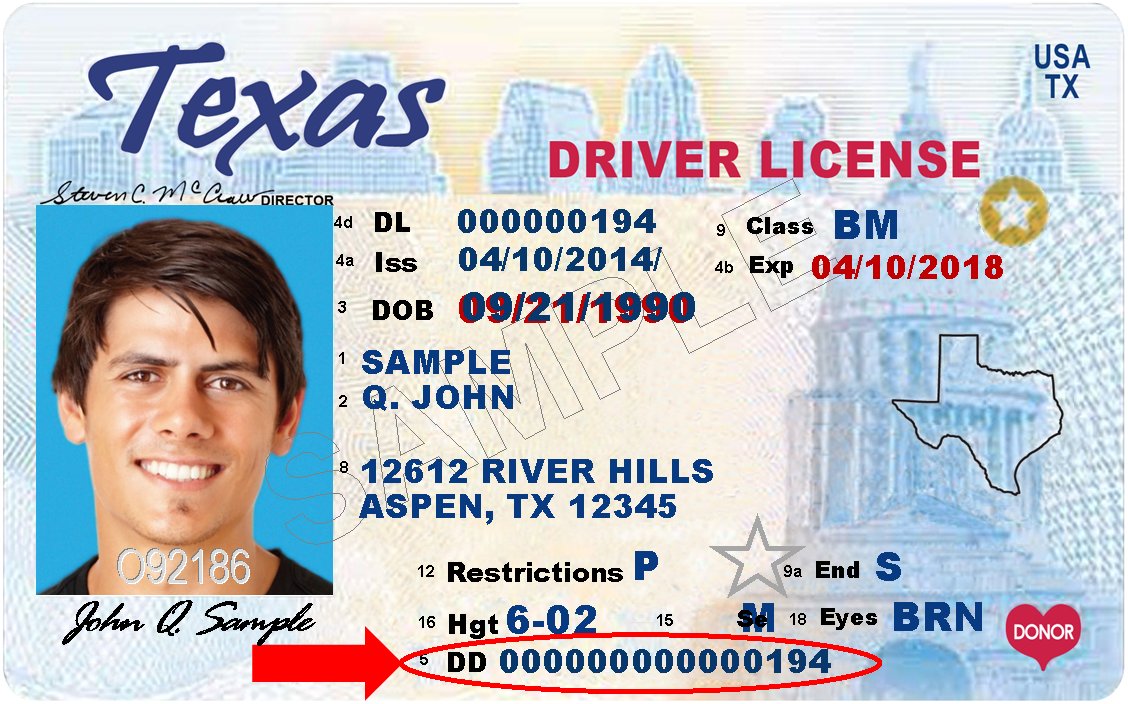
- Proof of Identity: This could be a birth certificate, U.S. passport, or other primary identification document. For non-citizens, valid immigration documents are required. This is especially crucial for REAL ID compliance, which we’ll discuss next.
- Proof of U.S. Citizenship or Lawful Presence: A U.S. birth certificate, passport, Certificate of Naturalization, or valid immigration documents.
- Proof of Texas Residency: Two documents showing your current residential address (e.g., utility bill, lease agreement, bank statement). This is important for ensuring the new license is mailed to the correct location and verifying your ties to the state.
- Social Security Card: Your physical Social Security card or a government document containing your full name and Social Security Number (SSN).
- Renewal Form (DL-14A): If renewing by mail or in person, you’ll complete this application. For online renewals, the information is submitted digitally.
For travelers or those with unconventional living arrangements, gathering proof of residency might require a bit more planning. Using a consistent mailing address or a P.O. Box (if allowed for official documents) is key to ensuring you receive your new license without complications, particularly if you’re frequently moving between hotels or temporary accommodations.
Beyond the Basics: Planning, Travel, and Avoiding Pitfalls
Renewing your driver’s license extends beyond simple compliance; it’s a strategic part of travel planning and lifestyle management. Understanding how it intersects with federal regulations and international travel can save you from potential headaches.
The REAL ID Mandate: How It Impacts Your Travel Plans
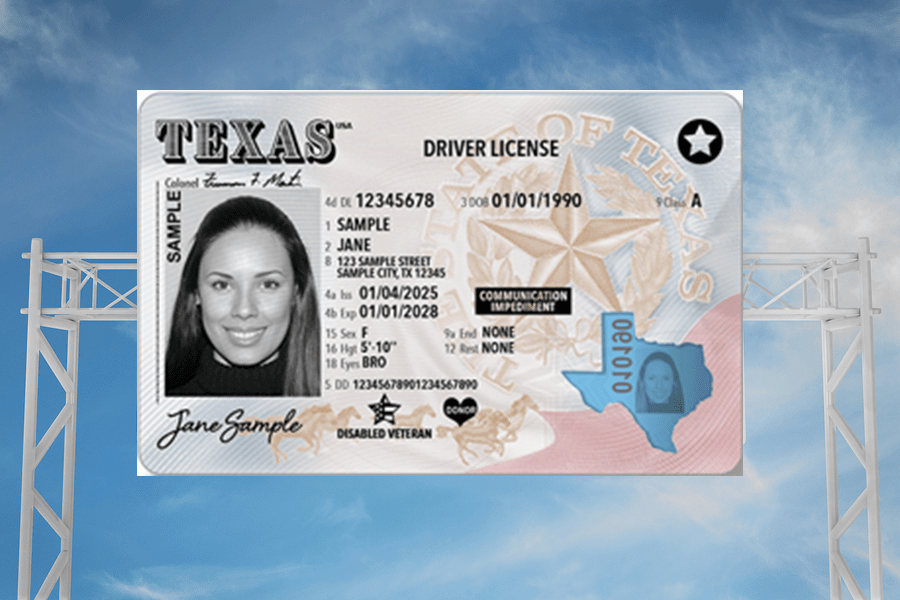
Since May 7, 2025, the Department of Homeland Security requires all U.S. states and territories to issue driver’s licenses and identification cards that meet the minimum security standards of the REAL ID Act. This means that if you plan to fly domestically within the United States or access certain federal facilities (like military bases), your Texas driver’s license or ID card must be REAL ID compliant. A REAL ID compliant card is typically marked with a gold star in the upper right-hand corner.
If your current Texas license is not REAL ID compliant, your next renewal is the opportune moment to upgrade. This usually requires an in-person visit to a DPS office with comprehensive documentation verifying your identity, date of birth, Social Security Number, and two proofs of residency. For globetrotters and domestic adventurers, a REAL ID compliant license is indispensable. It simplifies airport security checks with the Transportation Security Administration and prevents the need to carry an alternative form of identification, such as a passport, for domestic flights. Incorporating this into your renewal strategy ensures seamless travel and avoids any last-minute stress at the airport.
Out-of-State & International Considerations: Renewing While Away
For digital nomads, long-term travelers, students studying abroad, or those temporarily residing outside of Texas, renewing a license can present unique challenges. While online and mail renewals offer flexibility, they still require a valid Texas mailing address for the new card.
- Establishing a Texas Address: If you are living out of state or internationally, maintaining a valid Texas residential address (perhaps with a family member or trusted friend) is crucial. The DPS will mail your renewed license to this address.
- Temporary Absence: If you are temporarily out of state for military service or other reasons, you might qualify for an extension or a special renewal process. Always check with the Texas Department of Public Safety directly for the most accurate guidance in these unique situations.
- International Driving Permits: While your Texas license is valid for renting cars in the United States and Canada, for travel to many other countries, an International Driving Permit (IDP) is recommended or even required. An IDP is a translation of your valid U.S. driver’s license and can only be obtained if you have a current and valid domestic license. Renewing your Texas license ensures you can obtain or renew your IDP, making your international road trips possible.
Budgeting and Planning: A Lifestyle Perspective
The cost of a Texas driver’s license renewal, at $33 for eight years, is a minor expense, but it’s part of a broader financial picture for any responsible adult, especially those who travel frequently. Including this fee in your annual or bi-annual budget ensures you’re never caught off guard. Beyond the financial aspect, planning for your renewal around your travel schedule is critical. Set reminders, gather documents well in advance, and allow ample time for the new card to be mailed if you opt for online or mail renewal. This proactive approach ensures uninterrupted access to driving privileges, seamless identity verification, and prevents any hiccups in your lifestyle, whether you’re booking a luxury suite or embarking on a budget-friendly road trip.

Texas Through Your Windshield: Embracing the Open Road
With your Texas driver’s license successfully renewed, a world of exploration opens up before you. Texas itself is a vast and diverse state, offering everything from the vibrant urban landscapes of Dallas and Houston to the historic charm of San Antonio and the live music scene of Austin. Your renewed license serves as your key to unlocking these experiences, allowing you to rent a car and embark on epic road trips through Big Bend National Park, visit the beaches of Galveston, or simply enjoy the freedom of the open road.
From a travel and lifestyle perspective, a valid driver’s license is fundamental. It not only verifies your identity but also empowers you to experience destinations fully. Whether you’re exploring local culture by car, ensuring smooth check-ins at hotels, or simply enjoying the flexibility of personal transport, your renewed Texas license is an investment in your freedom and future adventures. Don’t let an expired license put a pause on your plans. Be prepared, understand the process, and continue to explore all that Texas and beyond has to offer. Safe travels, and enjoy the journey!
LifeOutOfTheBox is a participant in the Amazon Services LLC Associates Program, an affiliate advertising program designed to provide a means for sites to earn advertising fees by advertising and linking to Amazon.com. Amazon, the Amazon logo, AmazonSupply, and the AmazonSupply logo are trademarks of Amazon.com, Inc. or its affiliates. As an Amazon Associate we earn affiliate commissions from qualifying purchases.