
The sun-drenched shores of Puerto Rico beckon travelers with their vibrant culture, breathtaking landscapes, and an infectious rhythm that speaks of a rich, complex history. Often referred to as “La Isla del Encanto” – the Island of Enchantment – Puerto Rico holds a unique place in the global tapestry. It’s a destination where Spanish colonial charm meets American dynamism, a place that feels both familiar and wonderfully exotic. Yet, beneath its captivating surface lies a profound and long-standing question: Why isn’t Puerto Rico a state of the United States? This query delves into a fascinating narrative of history, politics, identity, and economics, a story that shapes not only the lives of its 3.3 million residents but also the very fabric of the travel and tourism experience on the island.
For visitors planning a getaway, understanding Puerto Rico’s distinct political status enriches their appreciation of the island. It explains why U.S. citizens don’t need a passport to visit, why the currency is the U.S. dollar, and why, despite these connections, the island maintains such a strong, distinct cultural identity. This article will explore the historical journey that led to Puerto Rico’s current commonwealth status, delve into the ongoing statehood debate, and ultimately highlight how this unique position shapes the incredible travel opportunities and lifestyle experiences awaiting those who venture to this extraordinary Caribbean gem.

A Rich History, A Complex Present: Understanding Puerto Rico’s Political Status
To comprehend why Puerto Rico remains a territory and not a state, one must first journey back through centuries of intricate geopolitical shifts. The island’s story is one of conquest, resilience, and a continuous search for self-determination.
From Spanish Colony to U.S. Territory: The Historical Journey
The history of Puerto Rico under Spanish rule began with the arrival of Christopher Columbus in 1493, marking the start of a colonization period that would last over 400 years. During this time, the island developed a unique Spanish colonial identity, evident today in the stunning architecture of Old San Juan, the vibrant traditions, and the dominant language. Iconic landmarks like El Morro and San Cristóbal fortresses stand as imposing testaments to this era, once crucial defense points for the Spanish Empire in the Caribbean Sea.
The turning point came in 1898 with the Spanish-American War. Following the decisive American victory, Spain ceded Puerto Rico, along with Cuba and Guam, to the United States under the Treaty of Paris. This marked the beginning of Puerto Rico’s status as an unincorporated territory of the U.S.. Initially governed under military rule, the Foraker Act of 1900 established a civilian government, and in 1917, the Jones-Shafroth Act granted Puerto Ricans U.S. citizenship, albeit without full voting representation in Congress or the right to vote in presidential elections.
Commonwealth Status: Autonomy and Ambiguity
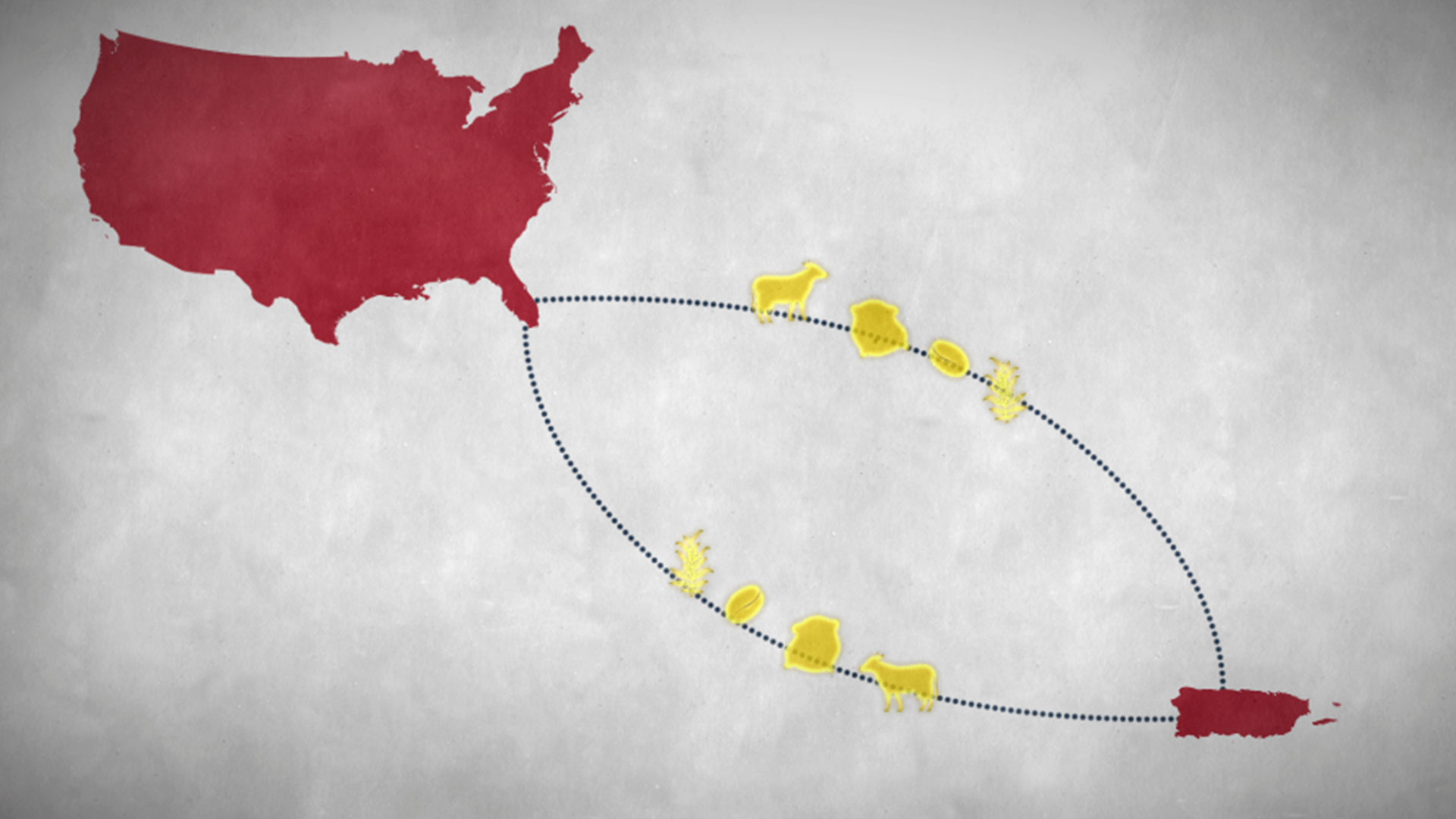
In 1952, Puerto Rico adopted its own constitution, establishing itself as a self-governing commonwealth in association with the United States. This unique arrangement grants the island a degree of local autonomy, allowing it to manage its internal affairs, elect its own governor and legislature, and implement its own tax laws. However, it remains subject to U.S. federal laws, and its residents pay federal taxes like Social Security and Medicare but do not pay federal income tax on income earned within Puerto Rico.
This commonwealth status is a source of both pride and contention. For many, it represents a balance, allowing for cultural preservation and self-governance while benefiting from U.S. citizenship and economic ties. For others, it is an ambiguous and unequal arrangement that perpetuates a colonial relationship, denying full democratic rights and hindering economic development. This duality is a core part of the island’s modern identity, influencing everything from local politics to the lifestyle of its residents.
The Statehood Debate: Voices, Votes, and Economic Realities
The question of Puerto Rico’s ultimate political status – statehood, independence, or an enhanced commonwealth – has been a central theme in island politics for decades, shaping public discourse and plebiscites alike.
The Arguments For and Against Statehood
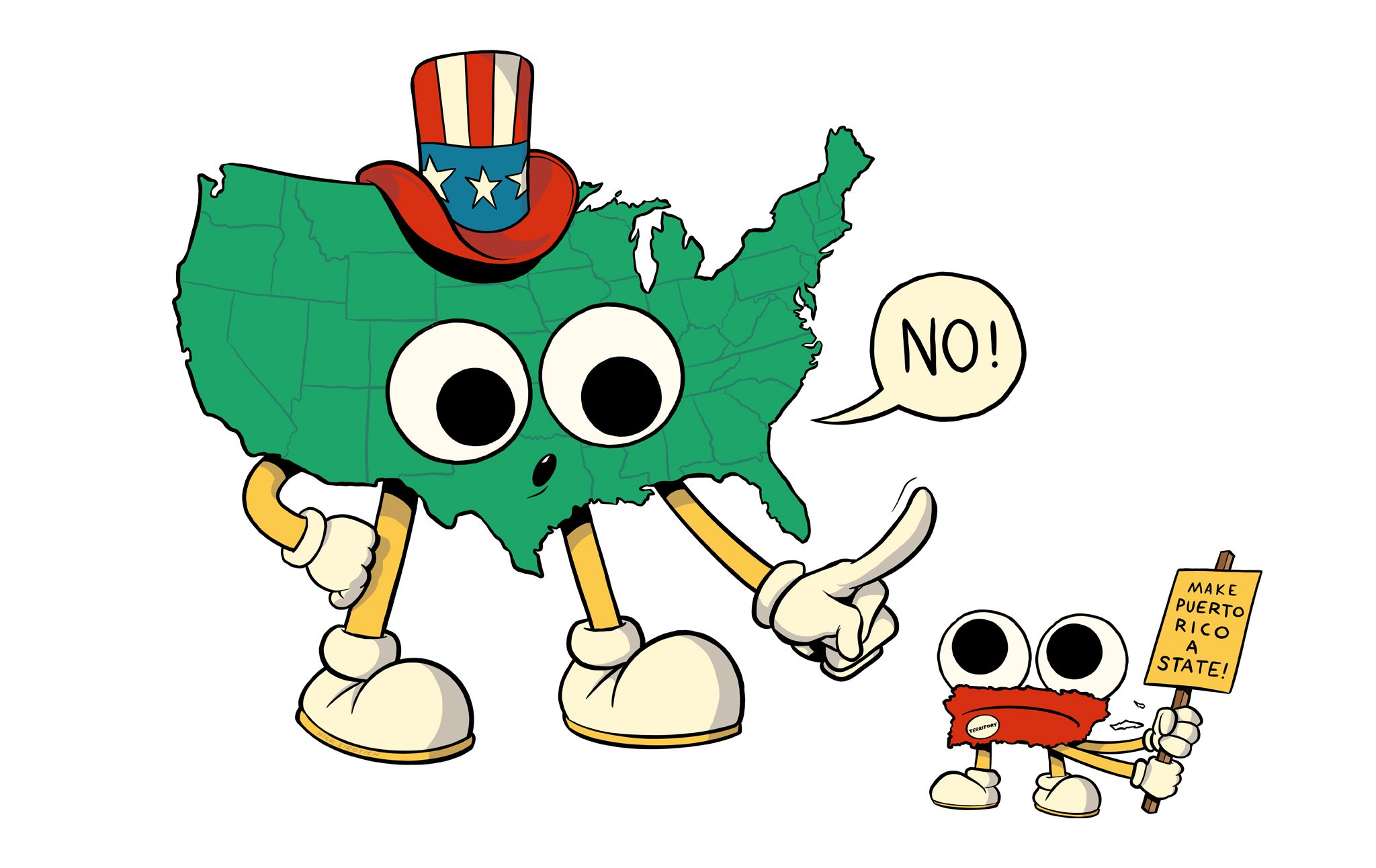
Proponents of statehood argue that it would grant Puerto Ricans full voting rights in U.S. federal elections and proportional representation in Congress, ending their current disenfranchisement. They believe statehood would lead to greater federal funding for social programs, infrastructure, and healthcare, potentially stimulating economic growth and attracting more investment. For travelers, this could translate into better infrastructure, more robust public services, and potentially an even more streamlined travel experience. The argument for equality and full integration into the American political system is a powerful driver for this movement.
Conversely, opponents of statehood voice concerns about the potential loss of Puerto Rico’s distinct cultural identity and the imposition of federal income taxes, which could adversely affect the local economy and certain tax incentives designed to attract businesses. They also fear that statehood could erode the Spanish language’s prominence and unique traditions. Some prefer an enhanced commonwealth status, seeking more autonomy while maintaining ties with the U.S., while a smaller but vocal contingent advocates for complete independence, envisioning a fully sovereign nation. These debates are a living part of the island’s dynamic social and political landscape, often discussed in local cafes in San Juan or during family gatherings.
Plebiscites and Referendums: The People’s Say
Over the years, Puerto Rico has held numerous plebiscites and referendums, allowing its citizens to express their preference for the island’s political future. These votes have often yielded mixed results, reflecting the deep divisions within the population. Some referendums have shown a majority favoring statehood, while others have been complicated by boycotts from opposition parties or non-binding outcomes. For example, the 2012 referendum saw a majority vote for a non-territorial status, with statehood being the preferred option among those who chose a specific non-territorial status. More recent plebiscites, such as the one in 2020, also indicated a majority for statehood, but these results require congressional action for any change to occur, which has not yet materialized. The inconsistent participation and the varying interpretations of the results underscore the complexity and the lack of a clear, unified path forward.
Economic Implications for the Island and its Visitors
Regardless of one’s stance on statehood, the economic implications of Puerto Rico’s status are undeniable. The island faces significant economic challenges, including a high poverty rate, substantial public debt, and the lingering effects of natural disasters like Hurricane Maria in 2017. The unique tax structure, particularly the absence of federal income tax for local residents, has been both a point of leverage for economic development and a source of debate regarding federal support.
Tourism remains a vital pillar of Puerto Rico’s economy, attracting millions of visitors annually. The political stability, the use of the U.S. dollar, and the ease of travel for U.S. citizens are significant advantages. Any change in status would undoubtedly have profound economic effects, potentially altering tax policies, investment climates, and federal funding streams, all of which could indirectly impact the tourism sector. However, the island’s inherent charm, natural beauty, and cultural richness are enduring assets that continue to draw travelers, irrespective of the political shifts.
Puerto Rico Beyond Politics: A Jewel for Travelers and Lifestyle Enthusiasts
While the political status of Puerto Rico is undeniably a crucial aspect of its identity, it should not overshadow the island’s immense appeal as a world-class destination for travel and lifestyle experiences. The political discussions often fade into the background when one is immersed in the vibrant life and stunning natural wonders of the island.
Embracing the Vibrant Culture and Unique Lifestyle
Puerto Rico’s cultural tapestry is a mesmerizing blend of indigenous Taíno, Spanish, and African influences, enriched by over a century of American presence. This fusion is celebrated in every aspect of island life, from its electrifying music – think salsa, bomba, and plena – to its delectable culinary scene. Food tourism is a highlight, with dishes like mofongo, lechón asado, and bacalaítos offering a tantalizing journey for the palate. Exploring local markets, joining a cooking class, or simply savoring street food provides an authentic taste of the Puerto Rican lifestyle.
The island’s festivals, art galleries, and historic neighborhoods like Old San Juan offer deep dives into its artistic and historical soul. The laid-back yet passionate rhythm of life encourages visitors to slow down, connect with locals, and immerse themselves in the island’s unique charm. Whether it’s learning a few phrases of Spanish or dancing to the beat of a live band, the cultural experiences are profoundly rewarding, reflecting a community proud of its heritage despite its political complexities.
Unforgettable Travel Experiences and Iconic Landmarks
Puerto Rico boasts an incredible diversity of landscapes and attractions that cater to every type of traveler. From the bustling metropolitan energy of San Juan to the tranquil, pristine beaches of Culebra and Vieques, the island offers a spectrum of experiences.
Nature lovers can hike through El Yunque National Forest, the only tropical rainforest in the U.S. National Forest System, marveling at its waterfalls and lush biodiversity. The mesmerizing Bioluminescent Bays, particularly Mosquito Bay in Vieques and Laguna Grande in Fajardo, offer magical night kayaking tours where the water glows with microscopic organisms. Beach enthusiasts will find their paradise on world-renowned shores like Flamenco Beach and Luquillo Beach, ideal for swimming, sunbathing, or watersports.
For those interested in history and architecture, Old San Juan is a UNESCO World Heritage site, a labyrinth of cobblestone streets, colorful colonial buildings, and grand fortresses. The governor’s residence, La Fortaleza, is another key landmark. Beyond the capital, cities like Ponce offer their own distinct charm with unique architectural styles and museums, while surf towns like Rincon on the west coast attract adventure seekers.
World-Class Accommodation: From Historic Hotels to Luxury Resorts
The accommodation options in Puerto Rico are as diverse as its landscapes, catering to every preference and budget. In San Juan, particularly in areas like Condado and Isla Verde, travelers can choose from a plethora of luxury resorts and boutique hotels. The Condado Vanderbilt Hotel, for instance, offers a blend of historic grandeur and modern amenities, while the Caribe Hilton boasts stunning oceanfront views and extensive facilities. For an unparalleled luxury experience, the St. Regis Bahia Beach Resort near Rio Grande offers secluded elegance amidst a nature reserve.
Beyond the resorts, visitors can find charming guesthouses in Old San Juan, eco-lodges near El Yunque, or family-friendly villas and apartments along the coast. The rise of vacation rentals also provides options for longer stays or those seeking a more local, independent experience. Whether it’s a budget-friendly hostel in Mayagüez or an all-inclusive experience at a resort like El Conquistador Resort in Fajardo, Puerto Rico ensures a comfortable and memorable stay for all its guests.
The Future of Puerto Rico: What it Means for Visitors
The political journey of Puerto Rico is far from over, with the debate over its status continuing to evolve. Yet, for the traveler, the essence of the island remains constant.
Navigating a Dynamic Destination
Visiting Puerto Rico is to engage with a dynamic destination that thrives on its unique identity. While its political status may be complex, it does not detract from the warmth of its people, the beauty of its landscapes, or the richness of its culture. Instead, it adds another layer of intrigue and depth to the travel experience.
As an unincorporated territory, Puerto Rico offers the best of both worlds for U.S. citizens – the ease of domestic travel with the excitement of an international destination. No passport is required, the currency is familiar, and infrastructure is generally reliable, yet the language, food, and culture transport you to a distinctly different world. This unique blend makes it an ideal choice for a vacation that feels adventurous yet accessible.
In conclusion, the question “Why isn’t Puerto Rico a state?” unlocks a narrative steeped in centuries of history, ongoing political debate, and a deep-seated desire for self-determination. It is a question that reveals the profound cultural resilience and identity of the Puerto Rican people. For those of us who seek out new experiences, incredible landmarks, and vibrant cultures, Puerto Rico offers an unforgettable journey. Regardless of its eventual political future, the island’s charm, the hospitality of its residents, and its breathtaking natural beauty ensure that Puerto Rico will continue to be a cherished destination for travelers and a captivating subject for those interested in the intricate dance of history, politics, and lifestyle.
LifeOutOfTheBox is a participant in the Amazon Services LLC Associates Program, an affiliate advertising program designed to provide a means for sites to earn advertising fees by advertising and linking to Amazon.com. Amazon, the Amazon logo, AmazonSupply, and the AmazonSupply logo are trademarks of Amazon.com, Inc. or its affiliates. As an Amazon Associate we earn affiliate commissions from qualifying purchases.