
Embarking on a journey, whether it’s an adventurous road trip through the vast landscapes of Texas or a luxurious stay in one of its vibrant cities, promises excitement and unforgettable memories. We meticulously plan our destinations, research the best hotels and resorts, delve into local culture, and scout out must-see landmarks. However, even the most perfectly orchestrated travel itinerary can be derailed by an unexpected legal complication: an active warrant. While it might seem an unusual topic for a travel and lifestyle website, understanding how to check for a warrant in Texas is a crucial, proactive step for ensuring a truly stress-free and seamless travel experience. Unexpected encounters with law enforcement, especially while away from home, can transform a dream vacation into a logistical nightmare, leading to missed flights, forfeited accommodation bookings, and significant emotional distress. For both residents and visitors considering travel within the Lone Star State, being informed and prepared is paramount to enjoying all that this incredible region has to offer.

Why This Matters for Travelers in Texas
Imagine planning a dream getaway to Texas, perhaps exploring the historic depths of The Alamo in San Antonio, enjoying the vibrant music scene in Austin, or unwinding on the sun-kissed shores of South Padre Island. You’ve booked your flights, secured a charming boutique hotel, and mapped out an itinerary filled with iconic landmarks and local culinary delights. Now, picture arriving at the airport, renting a car, or even being pulled over for a minor traffic infraction, only to discover there’s an active warrant out for your arrest. Such an event, though rare for most, can instantly shatter your travel plans.
An active warrant, even for seemingly minor offenses like unpaid traffic tickets or a missed court appearance, can lead to immediate arrest. This isn’t just an inconvenience; it can mean hours or even days spent in custody, missed connections, forfeited hotel reservations, and significant legal fees. For international travelers visiting the United States, such an incident could also impact future visa applications or entry into the country. Moreover, for those who might have moved out of Texas and have an outstanding issue from years past, the warrant may remain active, lurking as a potential travel disruptor. Therefore, a quick, discreet check before you travel can provide invaluable peace of mind, ensuring your focus remains on enjoying your travel experiences rather than worrying about unforeseen legal entanglements. It’s an essential part of responsible travel planning, just like securing travel insurance or confirming your passport validity.
Understanding Warrants in Texas
Before delving into how to check for a warrant, it’s helpful to understand what warrants are and their potential implications within Texas’ legal framework. Texas, like other states in the United States, operates under a comprehensive legal system where various types of warrants can be issued, each carrying distinct consequences. Knowing the basics can help you appreciate the importance of a proactive check.
Types of Warrants You Might Encounter
Warrants in Texas typically fall into several categories, but the most common ones that might affect a traveler or an individual are:
- Arrest Warrants: These are issued when a law enforcement officer or prosecutor presents sufficient evidence to a judge, demonstrating probable cause that a person has committed a crime. If an arrest warrant is active, law enforcement officers are authorized to arrest the named individual at any time and place. This could be for anything from a misdemeanor to a felony.
- Bench Warrants: These are typically issued by a judge directly from the “bench” (courtroom) when an individual fails to appear in court as ordered. Common reasons include missing a scheduled court date for a traffic ticket, a criminal hearing, or even a civil proceeding. Bench warrants are a significant concern for travelers because a simple forgotten court date from years ago can lead to an unexpected arrest.
- Search Warrants: While not directly for arresting an individual, search warrants authorize law enforcement to search a specific location (a home, vehicle, business) for evidence related to a crime. If you are present during a search, or if the search uncovers evidence leading to an arrest, it can indirectly affect you.
- Capias Warrants: These are often related to civil cases or contempt of court, such as failing to pay child support or violating a court order. While less common than arrest or bench warrants for general travel, they can still lead to arrest.
Consequences of an Active Warrant
The consequences of an active warrant in Texas can range from inconvenient to severely disruptive, especially for someone traveling.
- Immediate Arrest: The most direct consequence is arrest. This can happen anywhere: at a traffic stop, during a routine identification check, at an airport while passing through security, or even at your hotel.
- Detention and Bail: Once arrested, you will be taken into custody. Depending on the nature of the warrant and the specific jurisdiction (city, county), you may be held until you can post bail or see a judge. This process can take hours or days, completely ruining your travel plans.
- Legal Proceedings: An arrest for an active warrant means you will face legal proceedings related to the underlying offense. This could require you to remain in Texas longer than planned, incur legal fees, and potentially face fines or other penalties.
- Travel Restrictions: An arrest and ongoing legal case can impact your ability to travel, especially if your passport is confiscated or if you are required to remain within a certain jurisdiction.
- Financial Loss: Missed flights, forfeited hotel bookings, unused tour tickets, and legal expenses can quickly add up, turning a planned relaxing trip into a costly ordeal.
- Stress and Reputation: Beyond the tangible consequences, the emotional stress and potential damage to one’s reputation can be significant.
Given these potential disruptions, taking a few proactive steps to ensure no active warrants are outstanding is a wise decision for anyone planning to visit or reside in Texas.
Practical Steps to Check for a Warrant
Understanding the types and consequences of warrants highlights the importance of checking for one before your travels take you across Texas. Fortunately, there are several practical and discreet methods you can employ to ascertain your legal standing. These methods range from online inquiries to direct communication with authorities and, most advisedly, seeking professional legal assistance.
Online Resources and Databases
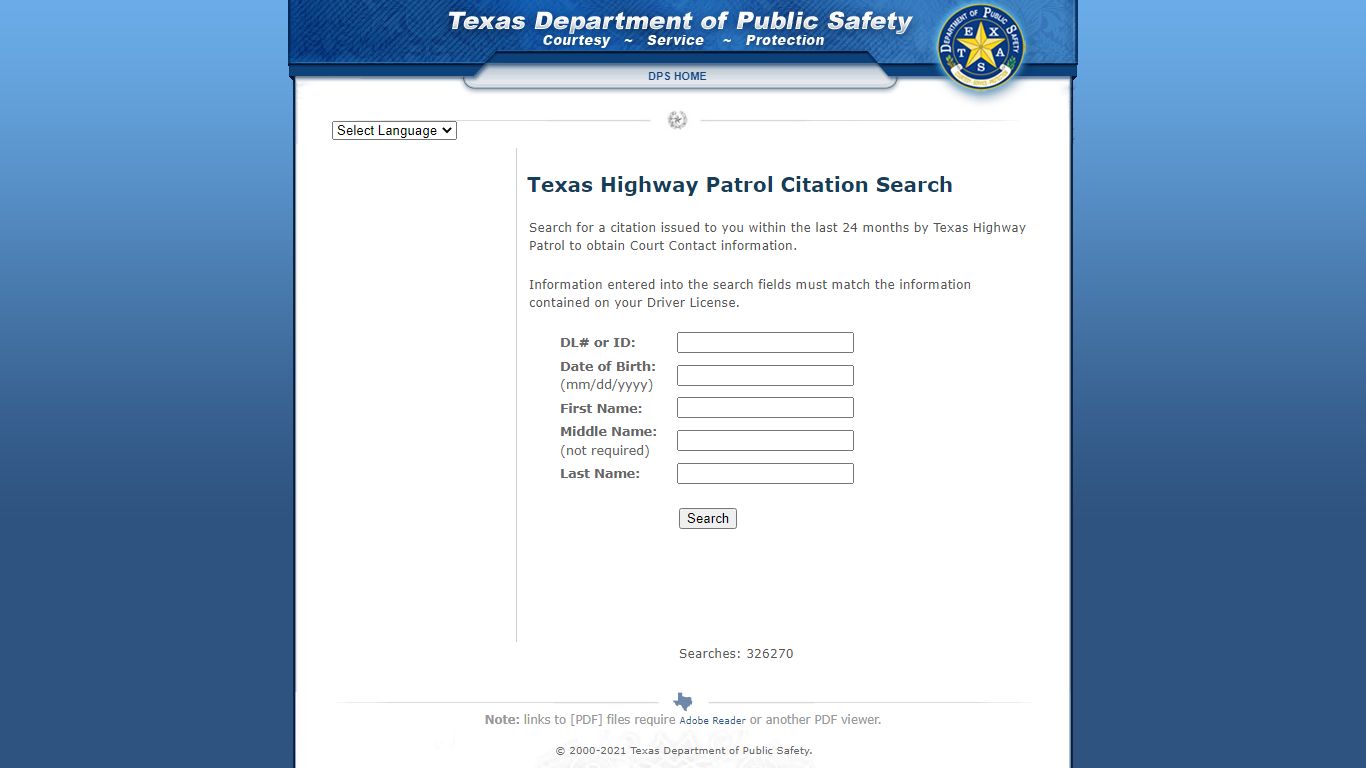
In the digital age, much information is accessible online, and warrants are no exception. Many jurisdictions in Texas offer online portals where you can search for active warrants. However, it’s crucial to approach these resources with caution and an understanding of their limitations.
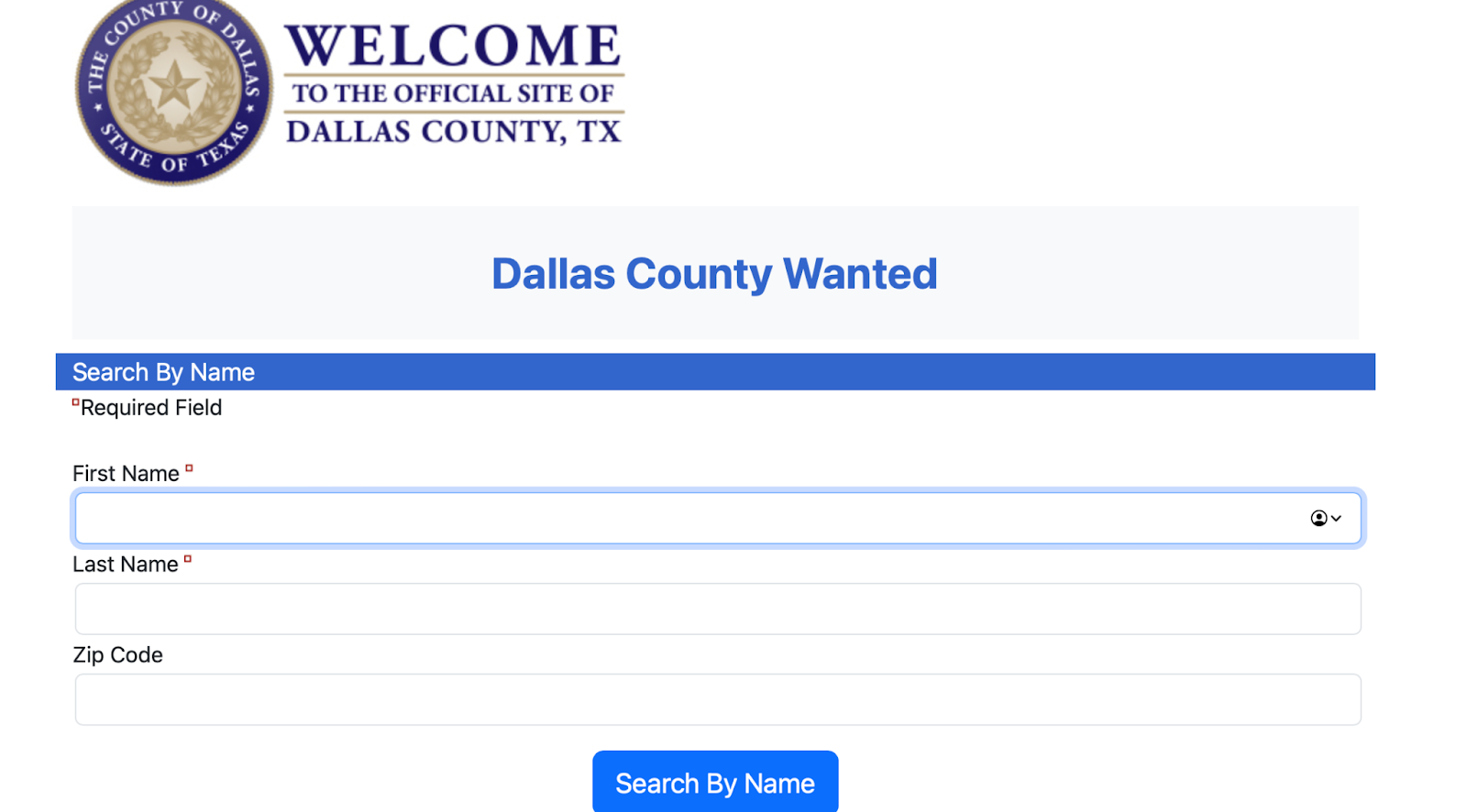
- County Sheriff’s Office Websites: Many county sheriff departments in Texas maintain online databases of active warrants. For instance, large counties encompassing cities like Dallas, Houston, Austin, and San Antonio often provide searchable warrant lists on their official websites. You typically need to enter a name and date of birth.
- Municipal Police Department Websites: Similarly, some city police departments might have their own warrant search tools, particularly for municipal ordinance violations or traffic warrants.
- Court Websites: District and county clerk websites sometimes provide public access to court records, which may indicate if a bench warrant has been issued.
- Third-Party Background Check Services: There are numerous commercial websites that offer background check services. While these can sometimes provide useful information, they may not always be up-to-date or comprehensive for warrant information, and their accuracy can vary. Always prioritize official government sources.
Important Considerations for Online Searches:
- Completeness: Online databases might not be exhaustive. Warrants from smaller jurisdictions, recent warrants, or those that haven’t yet been digitized might not appear.
- Accuracy: Information can sometimes be outdated or contain errors.
- Jurisdiction: A warrant issued in one county (e.g., El Paso) might not appear on the website of another county (e.g., Galveston). You may need to check multiple jurisdictions if you have lived or traveled extensively across Texas.
- Privacy: Be mindful of privacy implications when using third-party services.
Contacting Law Enforcement Agencies
If online searches prove inconclusive or if you prefer a more direct approach, you can contact law enforcement agencies directly.
- County Sheriff’s Office: Call or visit the sheriff’s office in the county where you believe a warrant might exist. Be prepared to provide your full name, date of birth, and possibly other identifying information.
- Municipal Police Department: If the potential warrant is related to a city ordinance or a minor infraction within a specific city (e.g., a parking ticket in Fort Worth’s jurisdiction), contact that city’s police department.
- Caution: Directly contacting law enforcement carries an inherent risk. If an active warrant is found, you could potentially be arrested on the spot. While this is the direct consequence you are trying to confirm, it might not be the method you want to choose if you are unprepared for an immediate arrest. This method is often recommended only if you are ready to address the warrant immediately or if you have already consulted with legal counsel.
Seeking Legal Counsel
For many, the most discreet and advisable method for checking for warrants is to retain the services of a qualified attorney in Texas.
- Discreet Inquiry: An attorney can conduct a thorough and confidential search for warrants on your behalf across various jurisdictions without exposing you to the risk of immediate arrest. This is particularly valuable if you are unsure about the specifics of a potential warrant or if you live out of state or even outside the United States but plan to visit Texas.
- Expert Advice: If a warrant is found, your attorney can advise you on the best course of action. They can explain the nature of the warrant, your legal options, and potentially negotiate with prosecutors or judges to have the warrant recalled or to arrange for a voluntary surrender under favorable terms.
- Representation: An attorney can represent you in court, helping to resolve the underlying issue that led to the warrant, thereby minimizing the impact on your travel plans and overall lifestyle.
- Peace of Mind: Knowing that a legal professional is handling the inquiry and potential resolution provides significant peace of mind, allowing you to focus on the enjoyable aspects of your upcoming Texas adventure, whether it’s exploring the natural wonders of Big Bend National Park or diving into the history at the Houston Space Center.
When planning your travels, especially to a vast state like Texas, incorporating a warrant check into your pre-trip preparations can save you from unforeseen complications. Whether you utilize online resources, direct inquiries, or professional legal help, the goal is to ensure your journey is as smooth and enjoyable as possible.
Proactive Measures for Stress-Free Travel in Texas
While knowing how to check for an existing warrant is essential, adopting proactive measures can largely prevent such issues from arising in the first place, ensuring that your travels through Texas remain utterly carefree. A truly stress-free journey is one where you can immerse yourself in the local culture, explore captivating landmarks, and enjoy luxurious accommodations without the shadow of potential legal disruptions.
- Address Minor Infractions Promptly: The vast majority of warrants that unexpectedly impact travelers are for minor offenses like unpaid traffic tickets, parking violations, or missed court dates for misdemeanors. If you receive any citation or summons while in Texas, no matter how minor it seems, address it immediately. Pay the fine, attend the court date, or contact the relevant court clerk for guidance. Ignoring these can quickly escalate into a bench warrant.
- Stay Informed About Local Laws: Especially when driving or engaging in activities that might have specific local regulations, be aware of the laws in different Texas cities and counties. For instance, open container laws, public intoxication rules, or even specific parking regulations can vary. Ignorance of the law is not a defense, and a simple misstep can lead to a citation that, if ignored, can turn into a warrant.
- Keep Records of Legal Matters: If you have ever had any legal interaction in Texas, no matter how seemingly resolved, keep detailed records. This includes case numbers, court dates, payment receipts, and contact information for attorneys or court personnel. This information will be invaluable if you ever need to confirm your legal status or address an old issue.
- Regular Pre-Travel Checks: For frequent travelers to Texas, or for individuals who previously resided there, consider making a warrant check part of your routine pre-travel checklist, especially for significant trips. A quick, discreet inquiry through an attorney every year or two can provide continuous peace of mind.
- Consult Legal Counsel for Ambiguity: If you are ever unsure about your legal standing, or if you had a past incident that might have lingering implications, it’s always best to consult with a qualified Texas attorney. They can provide accurate advice, clarify any uncertainties, and guide you through any necessary steps to resolve potential issues long before they impact your travel plans. This professional guidance ensures that you are fully prepared for any adventure, from exploring the vibrant River Walk in San Antonio to witnessing the historic State Capitol in Austin.
By incorporating these proactive strategies into your lifestyle and travel planning, you can significantly reduce the risk of encountering an active warrant. This approach safeguards your trips, allowing you to fully embrace the rich experiences that Texas offers, from its bustling metropolitan hubs like Houston and Dallas to its serene natural beauty along the Rio Grande and Gulf Coast.
Conclusion: Ensuring a Smooth Journey Through Texas
Travel is meant to be an enriching and enjoyable experience, a chance to explore new destinations, immerse oneself in different cultures, and create lasting memories. Whether your vision of a perfect trip to Texas involves deep-sea fishing off Galveston, a historical tour of The Alamo, or a culinary adventure in Austin, the last thing anyone wants is for their meticulously planned itinerary to be disrupted by an unforeseen legal complication. The concern of an active warrant, while perhaps not the most glamorous aspect of travel preparation, is a practical reality that, if overlooked, can lead to significant stress, inconvenience, and financial loss.
By understanding what warrants are, their potential impact, and critically, how to proactively check for them, travelers empower themselves to navigate Texas with confidence. Utilizing online county resources, making discreet inquiries, or, most effectively, consulting with a qualified attorney are all viable pathways to ensuring your legal slate is clean. This foresight allows you to focus solely on the positive aspects of your journey – from securing the best accommodation deals to discovering hidden gems off the beaten path in this magnificent state.
Ultimately, whether you’re a long-time resident, a returning visitor, or planning your very first exploration of the Lone Star State, responsible travel encompasses more than just booking flights and hotels. It includes taking proactive steps to safeguard against potential disruptions, ensuring peace of mind throughout your adventure. So, before you set off to explore the diverse landscapes, vibrant cities, and unique attractions that define Texas, take a moment to ensure your legal standing is clear. It’s a small step that guarantees a grand, hassle-free journey, allowing you to fully embrace the unforgettable experiences that await you in North America‘s second-largest state, bordering Mexico, Oklahoma, Louisiana, Arkansas, and New Mexico. Your peace of mind is the ultimate travel luxury.
LifeOutOfTheBox is a participant in the Amazon Services LLC Associates Program, an affiliate advertising program designed to provide a means for sites to earn advertising fees by advertising and linking to Amazon.com. Amazon, the Amazon logo, AmazonSupply, and the AmazonSupply logo are trademarks of Amazon.com, Inc. or its affiliates. As an Amazon Associate we earn affiliate commissions from qualifying purchases.