
The vast and vibrant landscape of Texas offers a dynamic environment for entrepreneurs and businesses, particularly within the burgeoning travel, hospitality, and lifestyle sectors. From the bustling metropolitan hubs of Dallas and Houston to the cultural richness of Austin and San Antonio, the Lone Star State beckons with opportunities for unique accommodation providers, tour operators, and local experience curators. Whether you dream of opening a charming bed and breakfast in Fredericksburg’s wine country, launching an adventure travel company exploring Big Bend National Park, or simply formalizing your passion project as a lifestyle blogger, understanding the legal framework is paramount. One critical step for many aspiring business owners in Texas is filing a DBA, or “Doing Business As” name. This seemingly simple administrative task is essential for legal compliance, branding, and establishing your presence in the market.
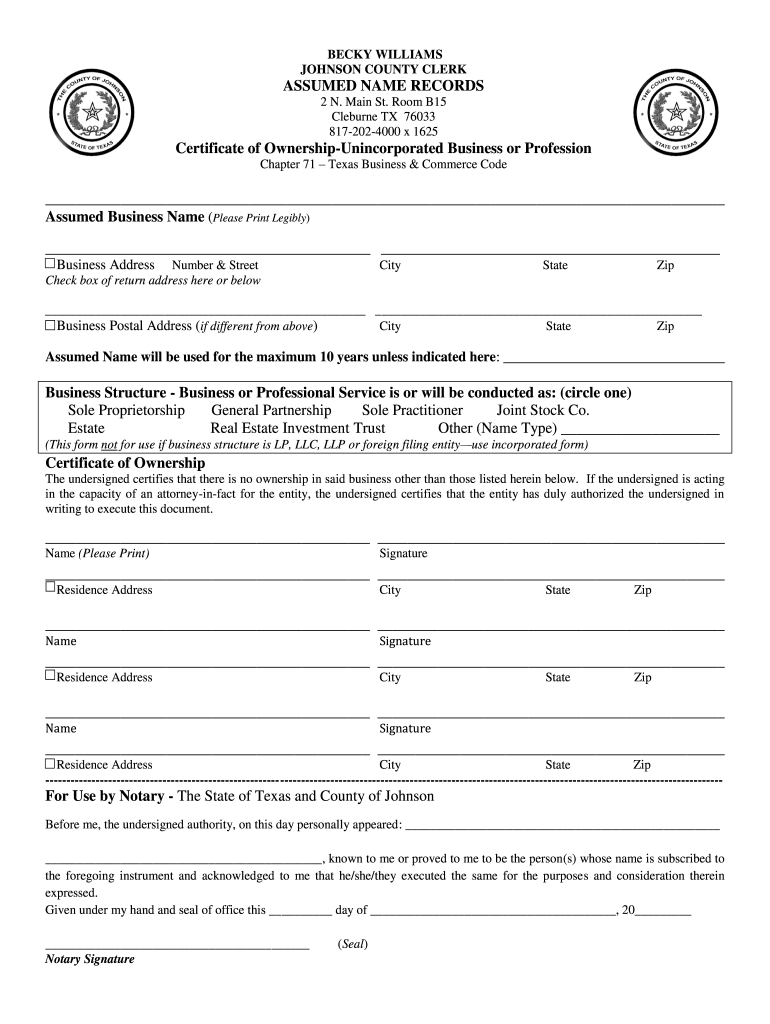
This comprehensive guide will demystify the process of filing a DBA in Texas, explaining its importance, outlining the step-by-step procedure, and providing specific insights for those in the travel, accommodation, and lifestyle industries. By the end, you’ll have a clear roadmap to ensure your Texas venture operates smoothly and professionally, ready to welcome guests and clients from around the globe.
Understanding What a DBA Is and Why It Matters in the Lone Star State
Before diving into the mechanics of filing, it’s crucial to grasp what a DBA entails and why it’s a non-negotiable step for many Texas businesses, especially those catering to travelers and residents seeking unique experiences.
What Exactly is a DBA (Assumed Name)?
A DBA, which stands for “Doing Business As,” is also commonly referred to as an “assumed name” or “fictitious name.” In essence, it’s a business name that you operate under that is different from your legal name (if you’re a sole proprietor or partnership) or your formally registered legal entity name (if you’re an LLC or corporation).
For example, if John Smith is a sole proprietor and wants to open a travel agency called “Texas Trails Expeditions,” “Texas Trails Expeditions” would be his DBA. His legal name is John Smith, but he “does business as” Texas Trails Expeditions. Similarly, if “Global Hospitality Group LLC” owns several hotels and wants one specific property to be known as “The Riverwalk Inn San Antonio,” then “The Riverwalk Inn San Antonio” would be a DBA of Global Hospitality Group LLC. It’s a way for a business to operate under a memorable, brand-specific name without necessarily creating an entirely new legal entity.
Who Needs a DBA in Texas?
The requirement to file a DBA in Texas largely depends on your business structure and how you intend to present your business name to the public.
- Sole Proprietors and Partnerships: If you are operating a business under any name other than your full legal name (or the full legal names of all partners), you are generally required to file a DBA. For instance, if Maria Rodriguez starts a local food tour service in Austin called “Taste of Austin Tours,” she needs a DBA.
- Limited Liability Companies (LLCs) and Corporations: Even if you have formally registered your LLC or corporation with the Texas Secretary of State, you will need to file a DBA if you plan to conduct business under a name different from your official legal entity name. This is particularly common in the hospitality industry where a single corporate entity might own and operate multiple distinct hotel brands or properties, each needing its own public-facing name. Imagine “Lone Star Properties Inc.” owning “The Galveston Beach Resort” and “The Fort Worth Heritage Suites” – each property name would likely be a DBA of the parent corporation.
- Anyone Using a Fictitious Name: Essentially, if the public knows your business by a name that isn’t your legal personal name or your registered legal entity name, a DBA is probably necessary.
The Benefits of Registering a DBA for Your Texas Venture
Beyond legal compliance, filing a DBA offers several practical advantages for businesses, especially those in customer-facing industries like travel and accommodation:
- Professional Branding: A DBA allows you to create a distinct, memorable, and professional brand identity that resonates with your target audience. “The Coastal Getaway House” sounds far more appealing than “Sarah Johnson,” especially when marketing vacation rentals in Corpus Christi or South Padre Island.
- Legal Protection (Limited): While a DBA doesn’t offer liability protection (that comes from forming an LLC or corporation), it does provide a level of name distinction within the county where it’s filed, preventing others from easily using the same name.
- Banking and Financial Operations: Most banks require a DBA registration to open a business bank account under your assumed name. This is crucial for separating personal and business finances, a best practice for any enterprise.
- Marketing and Credibility: A formal business name enhances your credibility with customers, suppliers, and partners. It facilitates marketing efforts, website development, and overall brand recognition. For tour operators or local experience providers, a strong, memorable DBA can be a significant competitive advantage.
- Flexibility: It allows existing corporations or LLCs to operate various distinct business lines or properties under different names without the expense and complexity of forming new legal entities for each.
The Step-by-Step Guide to Filing Your Texas DBA
The process of filing an assumed name in Texas involves both state and county-level considerations. While it might seem daunting, breaking it down into manageable steps makes it straightforward.
Step 1: Choosing and Verifying Your Business Name
The first and arguably most creative step is selecting the perfect name for your Texas venture. Whether it’s “El Paso Desert Escapes” for a travel agency or “The Dallas Arts District Apartments” for an accommodation service, choose a name that is descriptive, memorable, and reflects your brand.
Once you have a name in mind, it’s vital to check its availability. In Texas, this involves a couple of key searches:
- County Clerk Search: Since DBAs are primarily registered at the county level, you’ll need to check the records of the County Clerk in the county (or counties) where you plan to conduct business. For example, if you’re setting up a hotel in Austin, you’d check with the Travis County Clerk. If your business spans multiple counties (e.g., a regional tour operator), you might need to check with each relevant county, such as Harris County for Houston or Bexar County for San Antonio. Many county clerks offer online search tools.
- Texas Secretary of State Search: Although DBAs are not registered at the state level unless your legal entity is a corporation or LLC, it’s a good practice to search the Texas Secretary of State business name database. This will tell you if another corporation or LLC is already operating under your desired name. While a DBA at the county level might be permissible even if a similar LLC exists at the state level (due to the separate filing jurisdictions), it’s best to avoid confusion and potential trademark issues down the line.
- Online Presence Check: Beyond legal databases, check domain name availability, social media handles, and even general web searches to ensure your chosen name isn’t already heavily associated with another brand. This is crucial for establishing your online presence and marketing your travel or lifestyle business effectively.
Step 2: Preparing Your Assumed Name Certificate
Once your chosen name appears to be available, the next step is to complete the Assumed Name Certificate. This document is relatively straightforward and typically requires the following information:
- The Assumed Name: The DBA name you wish to use (e.g., “The Austin Urban Retreat”).
- The Legal Name of the Business Owner:
- For a sole proprietor: Your full legal name (e.g., Jane Doe).
- For a partnership: The full legal names of all partners.
- For an LLC or Corporation: The exact legal name of your registered entity (e.g., “Texas Hospitality Ventures LLC”).
- The Address of the Business: The primary mailing address of your business.
- The Type of Entity: Specify whether you are a sole proprietorship, partnership, LLC, or corporation.
- The Period of Duration: Most Texas DBAs are valid for 10 years, though you might have the option for a shorter period.
- Signature: The certificate must be signed by the owner(s) or an authorized representative.
Many County Clerk websites provide fillable forms or templates for the Assumed Name Certificate, making this step easier.

Step 3: Filing with the County Clerk and Secretary of State
The filing process in Texas has two potential layers, depending on your business structure:
- Filing with the County Clerk (Mandatory for All):
- Take your completed and signed Assumed Name Certificate to the County Clerk’s office in the county where your business will operate. If you operate in multiple counties (e.g., a tour company with offices in Dallas and Houston), you will need to file in each county.
- Pay the required filing fee, which is typically modest (often under $25).
- The County Clerk will file the certificate and provide you with a stamped copy for your records. This is your official proof of DBA registration.
- Filing with the Texas Secretary of State (For LLCs and Corporations ONLY):
- If your legal entity is an LLC, corporation, or other registered entity with the Texas Secretary of State, you also need to file a separate Assumed Name Certificate with the Texas Secretary of State. This is in addition to the county filing, not instead of it.
- The form for the Texas Secretary of State is usually Form 503, Certificate of Assumed Name.
- You can typically file this online through SOSDirect or by mail. A state filing fee will apply.
- This dual filing ensures that your assumed name is recorded both at the local level where you interact with customers and at the state level, linking it to your formal business entity.
Step 4: Maintaining Your DBA Registration
A DBA registration in Texas is not permanent. Most assumed name certificates are valid for ten years from the date of filing. It is your responsibility to keep track of this expiration date and renew your DBA before it lapses if you wish to continue using the name. If your business information changes (e.g., address, ownership), you may need to file an amendment to your Assumed Name Certificate with the relevant County Clerk and/or Texas Secretary of State. Keeping your DBA current is crucial for maintaining legal compliance and ensuring your business operations remain smooth.
Navigating Specific Scenarios: DBAs for Travel, Hospitality, and Lifestyle Businesses
The travel, accommodation, and lifestyle industries thrive on distinct branding and local presence. Understanding how DBAs apply to these specific niches can give your Texas venture a significant edge.
DBAs for Hotels, Resorts, and Accommodation Providers
For anyone venturing into the accommodation sector in Texas, DBAs are incredibly common and useful.
- Boutique Hotels & Bed & Breakfasts: A sole proprietor or LLC might operate a charming bed and breakfast in Fredericksburg’s wine country. While their legal name might be “Smith Family Holdings LLC,” they’d likely operate and market as “The Peach Tree B&B,” requiring a DBA.
- Vacation Rentals & Airbnb Operators: Individuals managing a portfolio of short-term rentals in popular destinations like Galveston, South Padre Island, or Austin often use a DBA. “Coastline Stays Galveston” under the legal entity of “Oceanfront Investments LLC” makes perfect sense for branding and management.
- Large Hotel Chains & Resorts: Even major hospitality groups frequently use DBAs. A corporation like “Global Resorts Inc.” might own and operate multiple specific properties, each with its own brand name. For example, the Hyatt Regency Dallas operates under the “Hyatt Corporation” but the specific property likely uses an assumed name for its local operations and branding.
Using a DBA allows for strong property-level branding and marketing, creating a unique identity for each establishment while remaining under a larger legal umbrella.
Tour Operators and Travel Agencies in Texas
Texas is a treasure trove of destinations, from the historic Alamo in San Antonio to the vast wilderness of Big Bend National Park and the scientific marvels of Space Center Houston. Tour operators and travel agencies specializing in these unique experiences greatly benefit from a strong assumed name.
- Adventure Travel Companies: An individual named Robert Jones might launch “Texas Outback Adventures” to guide visitors through Guadalupe Mountains National Park or Padre Island National Seashore. The DBA provides a professional face for his business.
- Cultural & Food Tours: A partnership called “Urban Explorers LLP” could offer themed tours like “Flavors of Dallas’s Bishop Arts District” or “Historical Haunts of San Antonio.” These specific tour names could be registered as DBAs.
- Concierge Services: Businesses that curate personalized travel itineraries or provide luxury concierge services throughout Texas often use elegant, descriptive assumed names to convey their exclusive offerings.
Lifestyle Brands and Local Experiences
The “lifestyle” aspect of our main topics often touches upon businesses that enhance the daily lives or unique experiences of residents and visitors alike.
- Digital Nomads & Bloggers: A digital nomad based in El Paso might run a blog and offer consulting services under a brand like “Desert Dweller Diaries.” If operating as a sole proprietor, this would likely require a DBA.
- Local Artisans & Event Organizers: If you’re organizing local markets, festivals, or selling handcrafted goods with a distinct brand name (e.g., “Texas Hill Country Crafts”), a DBA helps formalize your public identity and can facilitate accepting payments under that name.
- Wellness & Retreat Services: A yoga instructor or wellness coach operating under a brand name like “Lone Star Serenity Retreats” would benefit from a DBA to give their venture a professional and marketable identity.
Common Pitfalls and Best Practices for Your Texas DBA
While the DBA filing process is relatively simple, being aware of common mistakes and adopting best practices can save you time, money, and potential legal headaches.
Distinguishing DBA from Business Entity
One of the most frequent misunderstandings is confusing a DBA with a business entity.
- A DBA is NOT a legal entity: It does not create a separate legal structure for your business. Filing a DBA as a sole proprietor does not protect your personal assets from business liabilities. For liability protection, you must form a legal entity like an LLC or a corporation.
- A DBA is NOT a trademark: While it registers your name for business operations, it doesn’t provide federal trademark protection. For stronger brand protection, consider trademark registration.
- A DBA does NOT grant exclusive rights statewide: A county-level DBA only applies within that specific county. Another business in a different Texas county could potentially use the same DBA name. The state-level DBA for LLCs/Corporations provides broader clarity but still isn’t a federal trademark.
Always ensure you understand the difference and take appropriate steps to choose the right legal structure for your business goals and risk tolerance.
The Importance of Local Compliance
While filing your DBA is a key step, it’s just one piece of the puzzle. Businesses in Texas, particularly those in hospitality and travel, often require additional licenses and permits from city, county, and state authorities.
- Occupancy Permits: Hotels, bed and breakfasts, and vacation rentals typically need specific permits related to safety, zoning, and health codes.
- Food and Beverage Licenses: If your accommodation offers dining or your tour includes food tastings, you’ll need relevant food service permits.
- Sales Tax Permits: Nearly all businesses selling goods or services in Texas will need a sales tax permit from the Texas Comptroller of Public Accounts.
- Short-Term Rental Regulations: Cities like Austin have specific, often complex, regulations for short-term rental operators.
Always research and comply with all local ordinances and state requirements applicable to your specific business type and location. Your DBA is merely the name under which you will secure and operate these other necessary licenses.

When to Seek Professional Assistance
While filing a DBA in Texas is often a DIY task, there are times when consulting with professionals can be highly beneficial:
- Complex Business Structures: If you have multiple partners, international considerations, or plans for rapid expansion, a business attorney can advise on the optimal entity structure and naming strategy.
- Trademark Concerns: If your brand name is crucial to your long-term business strategy and you want strong protection nationwide, a trademark attorney can guide you through the federal trademark registration process.
- Uncertainty about Forms or Requirements: If you find the forms confusing or are unsure about specific county requirements, a local business advisor or legal service can offer clarification.
- Comprehensive Business Planning: For those launching significant ventures in Texas’s competitive travel and tourism market, engaging with a business consultant can help integrate your DBA strategy into a larger business plan, marketing efforts, and operational setup.
Successfully navigating the process of filing a DBA in Texas is a foundational step toward establishing a legitimate and professional presence for your travel, hospitality, or lifestyle business. By understanding what an assumed name entails, meticulously following the filing steps, and being mindful of specific industry considerations and best practices, you can ensure your venture starts on solid ground. This allows you to focus your energy on creating unforgettable experiences for visitors and enriching the vibrant tapestry of the Lone Star State.
LifeOutOfTheBox is a participant in the Amazon Services LLC Associates Program, an affiliate advertising program designed to provide a means for sites to earn advertising fees by advertising and linking to Amazon.com. Amazon, the Amazon logo, AmazonSupply, and the AmazonSupply logo are trademarks of Amazon.com, Inc. or its affiliates. As an Amazon Associate we earn affiliate commissions from qualifying purchases.