
Texas, the second-largest state in the United States, is a destination that captivates with its diverse landscapes, rich history, and vibrant culture. From the bustling urban cores of Houston and Dallas to the live music capital of Austin and the historic charm of San Antonio, the Lone Star State offers an endless array of travel experiences, unique accommodations, and unforgettable landmarks. Whether you’re planning an epic road trip across its vast expanse, contemplating a move to one of its dynamic cities for a long-term stay, or simply managing your personal affairs, understanding how to obtain your driver’s record is a crucial administrative step.

A driver’s record in Texas serves various purposes, from securing competitive car insurance rates to verifying employment eligibility, or even for personal review of your driving history. This comprehensive guide is designed to navigate you through the process, ensuring you’re well-equipped with the knowledge needed, whether you’re exploring the state’s tourism offerings, settling into a new lifestyle, or simply needing a vital piece of personal documentation. We’ll delve into what a driver’s record entails, why you might need one, and the most efficient methods for acquiring it, making your journey in Texas as smooth as possible.
Understanding Your Texas Driver’s Record
Before diving into the “how-to,” it’s essential to understand what a driver’s record is and why it holds such significance, especially in a state as expansive and car-centric as Texas. This document provides a snapshot of your driving history, crucial for various personal, professional, and legal scenarios that can impact your travel, accommodation, and overall lifestyle within the state.
What Exactly Is a Driver’s Record?
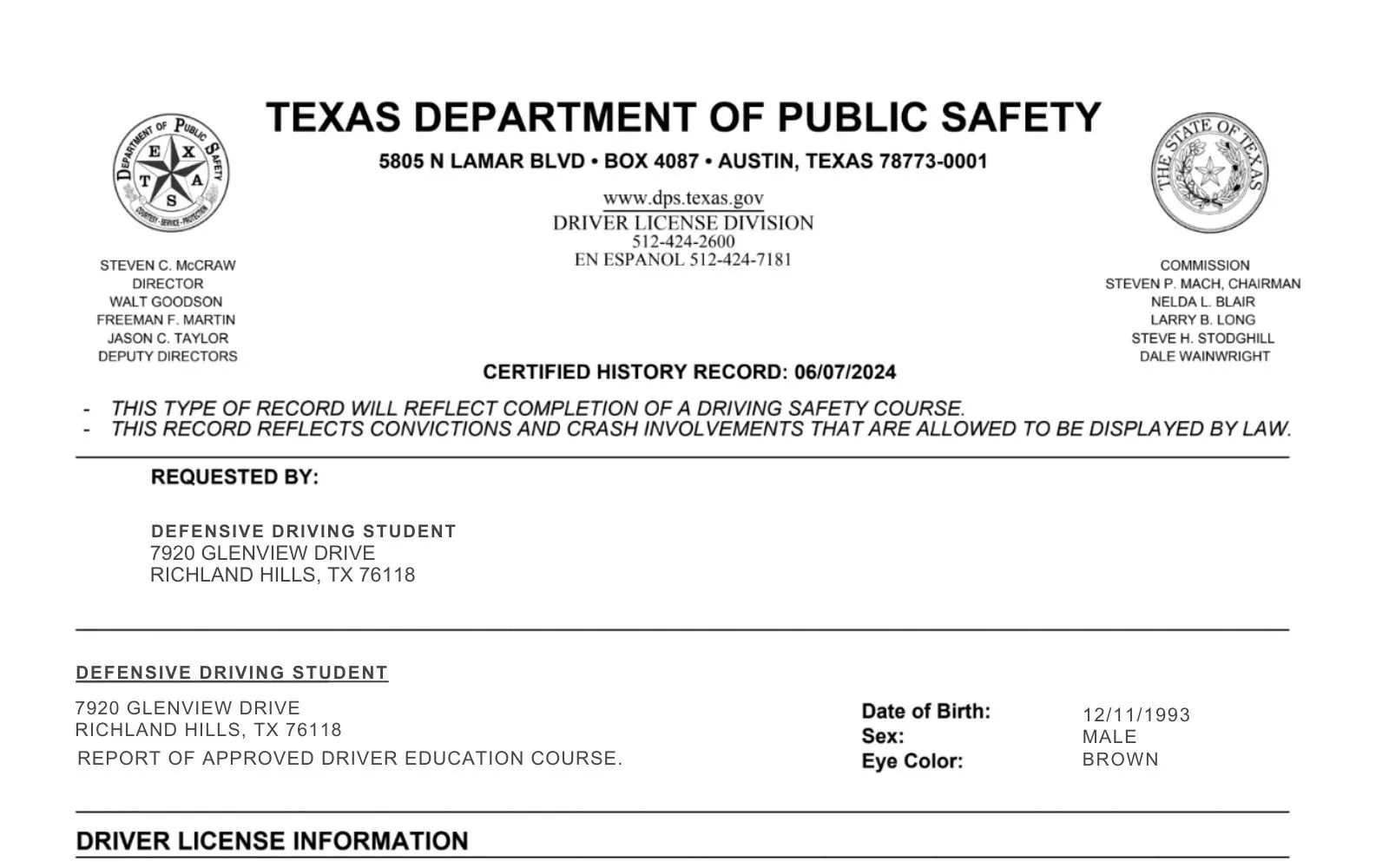
A Texas driver’s record, officially known as a “Certified Driving Record” or “Abstract,” is a document maintained by the Texas Department of Public Safety (TxDPS). It compiles significant information about an individual’s driving history, including:
- Traffic Violations: Details of any tickets, citations, or convictions for moving violations (e.g., speeding, running a red light).
- Accidents: Information regarding any accidents you’ve been involved in that were reported to the authorities.
- License Status: The current status of your driver’s license (valid, suspended, revoked, etc.).
- Point System: Texas utilizes a point system for certain violations, and your record will reflect accumulated points, which can lead to surcharges or license suspension.
- Surcharges and Reinstatement Fees: Any outstanding fees related to your driving privileges.
It’s important to differentiate between a certified and an uncertified record. A certified record bears an official seal and is often required for legal or employment purposes, confirming its authenticity. An uncertified record is typically for personal review and does not carry the same legal weight. Understanding these distinctions is key to requesting the correct document for your specific needs.
Why You Might Need One in the Lone Star State
The reasons for requesting your Texas driver’s record are varied and often intertwine with broader aspects of travel, lifestyle, and financial planning.
- Insurance Purposes: This is one of the most common reasons. Auto insurance companies use your driving record to assess risk and determine your premium rates. A clean record can translate to significant savings on your car insurance, making it a vital aspect of budget travel or managing household expenses if you’re settling down. For those relocating to Texas, providing a history of responsible driving can help secure favorable rates when establishing new insurance policies.
- Employment Background Checks: Many professions require a clean driving record, especially those involving operating company vehicles, transportation services, or frequent travel. From corporate roles requiring extensive driving to professional drivers for tourism companies, employers often use these records to ensure candidates are reliable and safe on the road.
- Legal and Court Requirements: If you’re involved in a traffic dispute, court case, or need to challenge a violation, your certified driver’s record can be crucial evidence. It provides an official account of your driving history, which can be pivotal in legal proceedings.
- Personal Review and Verification: Sometimes, you might simply want to review your own driving history, check for accuracy, or monitor points accumulated. This proactive approach can help you stay informed and prevent potential issues, such as unknowingly accruing too many points that could lead to license suspension.
- Relocation and Lifestyle Adjustments: For individuals moving to Texas and planning a long-term stay, a driver’s record might be requested by certain landlords as part of a comprehensive background check, though this is less common than for employment. It contributes to a holistic profile of your reliability and responsibility, which can be useful when securing accommodation or integrating into community life.
Conveniently Accessing Your Driver’s Record
The Texas Department of Public Safety has streamlined the process for obtaining driver’s records, with online access being the most efficient method. Understanding these options is vital for anyone needing quick or certified documentation, whether for a spontaneous trip or a planned relocation.
Online Requests: The Quickest and Easiest Method
For the majority of individuals, requesting your driver’s record online is the most convenient and fastest option. The official TxDPS Driver Record Request System is available 24/7, allowing you to obtain certain record types instantly. This is particularly beneficial for travelers or those needing rapid verification for employment or insurance.
Steps for Online Request:
- Visit the Official TxDPS Website: Navigate to the TxDPS Driver Record Request System page. Be sure to use the official government website to protect your personal information.
- Provide Required Information: You will need to enter specific details to verify your identity. These typically include:
- Your Texas Driver’s License or ID Card Number.
- Your Date of Birth.
- The last four digits of your Social Security Number (SSN) OR the Audit Number / Control Number located on your driver’s license. The Audit Number is a unique 20-digit number usually found on the front of your license.
- Select Record Type: Choose the type of driver’s record you need (we’ll detail these types shortly). This is crucial as different purposes require different levels of detail and certification.
- Pay the Fee: A fee is associated with obtaining a driver’s record, which varies depending on the type of record requested. Payment is typically made via credit or debit card through a secure online portal.
- Download or Receive by Mail:
- For uncertified records (usually Type 1 or Type 2), you can often download and print the document immediately after payment. This is excellent for personal review or situations where an official seal isn’t strictly necessary.
- For certified records (like Type 3A, 3B, or AR), you usually have the option to receive a certified copy by mail. These are processed and sent out within 7-10 business days. While not instant, this is still a relatively quick turnaround for official documentation.
Advantages of Online Request:
- Speed: Instant access for uncertified records and relatively fast mailing for certified copies.
- Convenience: Available from any location with internet access, perfect for those planning a trip to Texas or managing affairs from a remote location.
- Efficiency: Streamlined process reduces paperwork and bureaucratic hassle.
Mail-In Applications: For a Detailed Paper Trail
While online requests are favored for speed, the mail-in option remains a viable and preferred method for some, especially if they require a physical certified copy and are not in a hurry, or if they lack convenient internet access.
Steps for Mail-In Application:
- Download the DR-1 Form: Obtain the “Driver Record Request Form (DR-1)” from the official TxDPS website. It’s crucial to use the most current version of the form.
- Complete the Form Accurately: Fill out all required fields, including your full name, date of birth, Texas Driver’s License or ID Card number, and the last four digits of your SSN. Clearly indicate the type of record you are requesting.
- Prepare Payment: Enclose a check or money order payable to the ” Texas Department of Public Safety” for the appropriate fee. Do NOT send cash by mail. The fee amount will be listed on the DR-1 form and on the TxDPS website.
- Mail the Application: Send the completed form and payment to the address specified on the DR-1 form, typically:
- Texas Department of Public Safety
- P.O. Box 15999
- Austin, TX 78761-5999
- Anticipate Processing Time: Mail-in requests typically have a longer processing time compared to online submissions, usually taking 2-3 weeks for you to receive your certified record. Factor this into your planning, especially if you have deadlines related to employment, insurance, or legal matters.
Note on In-Person Requests:
It’s important to clarify that driver records cannot be obtained in person at local Texas Driver License offices. These offices handle licensing services, not the issuance of driving records. Therefore, your primary official options are online or by mail. Be wary of third-party vendors offering “instant” in-person records, as these may come with significantly higher fees and may not always provide officially certified documents directly from the TxDPS.
Essential Information and Considerations for Your Request
To ensure a smooth and successful request for your Texas driver’s record, paying close attention to specific details is paramount. Understanding the various types of records and their respective fees will save you time and prevent unnecessary complications.
Identifying the Right Type of Driver’s Record
The TxDPS offers several types of driver’s records, each tailored to different informational needs. Selecting the correct type is critical for fulfilling the requirement for which you need the record.
- Type 1 (Status Record – Uncertified): This record provides the current status of your driver’s license. It’s often used for personal review to confirm license validity or for situations where an official certified document is not required. It typically does not include detailed driving history.
- Type 2 (Abstract Driving Record – Uncertified): Similar to Type 1 but includes a more comprehensive history, listing all traffic violations and accident reports within the last three years. This is also for personal review or situations not requiring certification.
- Type 3A (Certified Status Record): A certified version of Type 1. It provides your current driver’s license status and is officially sealed, making it suitable for legal or employment purposes where only the current status is needed, not a full driving history.
- Type 3B (Certified Abstract Driving Record): This is the most frequently requested type for official purposes. It’s a certified, complete driving history that includes all reported traffic violations, accidents, and license status information. This is ideal for employment background checks, insurance applications, and legal proceedings, as it provides a comprehensive overview of your driving behavior.
- Type AR (Certified Accident Record): This specific record provides a certified history solely of accidents that have been reported to the TxDPS. It is useful in situations where only accident history is relevant, such as certain insurance claims or legal disputes.
Which Type to Request?
- For Insurance Quotes/Employment: Type 3B is almost always the required format due to its comprehensive and certified nature.
- For Personal Review: Types 1 or 2 are sufficient and often available for instant download online.
- For Legal Cases (focused on current status): Type 3A may suffice, but Type 3B offers more detail.
- For Accident-Specific Inquiry: Type AR is designed for this.
Always confirm with the requesting party (e.g., employer, insurance agent, attorney) which specific type of driver’s record they require to avoid delays.
Fees, Payment, and What You’ll Need
The cost of obtaining a driver’s record in Texas is relatively modest but varies by record type and whether it’s certified.
- Standard Fees:
- Uncertified Records (Type 1, 2): Typically around $4.00.
- Certified Records (Type 3A, 3B, AR): Usually around $6.00 to $10.00.
- These fees are subject to change, so always check the current rates on the official TxDPS website.
- Payment Methods:
- Online: Credit card (Visa, MasterCard, Discover, American Express) is the standard and most convenient payment method.
- Mail-In: Personal checks or money orders made payable to the ” Texas Department of Public Safety” are accepted. Remember, never send cash through the mail.
- Crucial Information Required: Regardless of the method you choose, accuracy in providing your personal details is paramount for the request to be processed successfully. Double-check:
- Your full legal name as it appears on your driver’s license.
- Your exact date of birth.
- Your Texas Driver’s License or ID Card number.
- The Audit Number or Control Number from your license (for online requests).
- The last four digits of your Social Security Number (SSN).
- Your mailing address for certified copies.
Submitting incorrect information can lead to delays or the inability to retrieve your record, creating unnecessary stress, especially if you are on a tight travel schedule or need the document for an urgent lifestyle transition like securing new accommodation.
Driver Records and Your Texas Lifestyle Journey
Understanding how to obtain your driver’s record is more than just a bureaucratic task; it’s a practical skill that enhances your journey and ease of living in Texas. Whether you’re a tourist embarking on an adventure or a new resident establishing roots, this knowledge empowers you to navigate various situations smoothly.
For Travelers and Short-Term Visitors
If you’re visiting Texas for tourism, exploring its famous landmarks, or enjoying a short-term experience, you might wonder about the relevance of a driver’s record. For most typical travel scenarios, such as renting a car with a valid foreign or out-of-state license, you won’t usually need to provide your Texas driver’s record (since you likely won’t have one). Valid driver’s licenses from other U.S. states and many foreign countries are generally recognized for driving in Texas for up to one year.
However, there are niche situations where familiarity with the process could be beneficial:
- Long-Term Car Rentals: If your travel plans involve an extended stay and a long-term car rental, some specialized rental agencies or insurance policies might have unique requirements.
- Involvement in an Incident: While we all hope for smooth travels, being involved in a traffic stop or minor accident could lead to a situation where understanding official state documents becomes helpful. Knowing where your official driving history comes from (even if it’s from your home state) can inform your interactions.
- Insurance for Own Vehicle: If you’re bringing your own vehicle from out-of-state for an extended period, you’ll need to ensure your insurance coverage is adequate for Texas regulations. While your home state’s record will be primary, having current documentation is always a good practice.
As you plan your itinerary, perhaps driving from the historical sites of San Antonio to the vibrant music scene of Austin, or exploring the natural beauty of Big Bend National Park, prioritizing safe driving practices and understanding general Texas traffic laws will be far more critical than obtaining a driver’s record for a brief visit.

Relocating to Texas: Establishing Your Roots
For those making the exciting decision to move to Texas for a longer stay, whether for work, education, or retirement, obtaining a driver’s record becomes a more direct and often necessary part of establishing your new life. Texas offers a diverse range of accommodation options, from luxury apartments in Houston to sprawling ranch properties, and understanding bureaucratic processes like obtaining a driver’s record makes settling in much smoother.
Key considerations for new residents:
- Transferring Your License: New residents are generally required to obtain a Texas driver’s license within 90 days of moving to the state. While this process itself doesn’t typically require your own Texas driving record (as you won’t have one yet), your previous state’s driving history is often considered when applying for new Texas auto insurance.
- Auto Insurance: Once you have your Texas license, acquiring local auto insurance is a must. Insurance companies will factor in your driving history to determine premiums. Having access to your current Texas record, especially a Type 3B, can be critical for securing the best rates and confirming your status.
- Employment Background Checks: As previously mentioned, many employers in Texas will require a background check that includes your driving record, particularly if the job involves driving. Being able to quickly provide a certified Type 3B record can expedite your job application process and demonstrate your preparedness.
- General Lifestyle Management: A clean driving record contributes to your overall profile as a responsible individual, which can indirectly aid in various aspects of settling in, from potentially influencing rental agreements (though less common) to simply having your affairs in order. It’s part of the comprehensive documentation that supports a smooth transition into the Texan lifestyle.
Understanding and proactively managing documents like your driver’s record helps in seamless integration into your new community, allowing you to focus on enjoying the rich experiences and opportunities that Texas has to offer.
In conclusion, obtaining your driver’s record in Texas is a straightforward process, primarily facilitated by the user-friendly online system of the Texas Department of Public Safety. Whether you’re a temporary visitor exploring the wonders of the Lone Star State or a new resident embarking on a long-term adventure, knowing how to access this crucial document is a valuable piece of information. By understanding the different record types, required information, and available methods, you can ensure that your driving history is readily available for insurance, employment, or personal review, making your journey in Texas as effortless and enjoyable as possible.
LifeOutOfTheBox is a participant in the Amazon Services LLC Associates Program, an affiliate advertising program designed to provide a means for sites to earn advertising fees by advertising and linking to Amazon.com. Amazon, the Amazon logo, AmazonSupply, and the AmazonSupply logo are trademarks of Amazon.com, Inc. or its affiliates. As an Amazon Associate we earn affiliate commissions from qualifying purchases.