
Texas, the second-largest state in the United States, is a paradise for anglers, offering an incredibly diverse range of fishing experiences. From the vast freshwater reservoirs of East Texas to the rich saltwater bays and the open waters of the Gulf of Mexico, the Lone Star State promises unforgettable catches and stunning natural beauty. Whether you’re chasing trophy largemouth bass, battling red drum in the surf, or reeling in catfish from a tranquil river, fishing in Texas is more than just a pastime—it’s an integral part of the local culture and an incredible way to experience the state’s natural wonders.

However, before you cast your line into the abundant waters, there’s one crucial step: securing a valid Texas fishing license. This isn’t just a bureaucratic formality; it’s a vital contribution to the conservation efforts that keep Texas’s aquatic ecosystems healthy and thriving for generations to come. Understanding the ins and outs of obtaining your license is the first step towards a legal, enjoyable, and responsible fishing adventure. This comprehensive guide will walk you through everything you need to know, from who needs a license and what types are available to where and how to purchase one, all while offering insights into making your Texas fishing trip a complete travel experience.
Understanding Texas Fishing Licenses: Who Needs One?
The regulations around fishing licenses in Texas are designed to be clear, ensuring everyone contributes to the state’s impressive conservation efforts. Knowing whether you need a license, and what kind, is fundamental before planning your trip.
Residents vs. Non-Residents
The primary distinction in licensing requirements often comes down to your residency status. For individuals who call Texas home, the process is typically more straightforward and often comes with more favorable pricing. Residents are generally defined as those who have resided in Texas continuously for more than six months immediately preceding the application for a license, or those who own property in Texas and pay taxes here.
Conversely, if you’re visiting from out of state—whether from Louisiana, Oklahoma, Arkansas, New Mexico, or even further afield—you’ll need to purchase a non-resident fishing license. These licenses are typically priced higher to reflect your non-contribution to local taxes that often support wildlife and fisheries management programs.
Age Exemptions:
One of the most common exemptions across the board, regardless of residency, applies to age. In Texas, children under 17 years of age are generally exempt from requiring a fishing license. This thoughtful policy encourages young people to get involved in the sport early, fostering a love for the outdoors and responsible angling from a young age. Similarly, senior residents (those 65 years and older) often qualify for discounted or lifetime licenses, recognizing their long-standing contributions to the state. It’s always best to check the current regulations published by the Texas Parks and Wildlife Department (TPWD) for the most up-to-date information on these age-based exemptions and special categories.
Types of Licenses and Endorsements
The diverse aquatic environments of Texas necessitate a variety of license types, each tailored to specific fishing scenarios. Choosing the right one depends on where you plan to fish and what species you’re targeting.
- Freshwater License: This license permits you to fish in all public freshwater bodies within Texas, including rivers, lakes, and streams. If your angling dreams involve chasing bass in Lake Fork, catfish in the Guadalupe River, or crappie in Lake Texoma, this is the license you’ll need.
- Saltwater License: For those drawn to the coastal waters, bays, and the open Gulf of Mexico, a saltwater fishing license is essential. This covers popular destinations like Galveston Island, Port Aransas, and South Padre Island, where species like redfish, speckled trout, and flounder abound.
- All-Water Fishing Package: For the avid angler who wants the flexibility to fish anywhere in Texas, the All-Water Fishing Package is the most convenient option. This comprehensive license combines both freshwater and saltwater privileges into a single purchase, often at a slightly reduced cost compared to buying them separately. It’s ideal for tourists or residents planning multi-destination trips that might span from the lakes of Central Texas to the bays of South Texas.
- Annual vs. Temporary Licenses: Most licenses are issued annually, valid from September 1st of one year to August 31st of the next. This annual cycle simplifies renewals and ensures year-round coverage. However, for visitors or those planning a short, specific fishing trip, temporary licenses are an excellent option. These are typically available for specific durations, such as a one-day or five-day license, offering flexibility without the commitment of an annual purchase.
- Special Endorsements and Tags: Beyond the base license, certain activities or species may require additional endorsements or tags. For instance, if you plan to keep a large red drum, you might need a “Red Drum Tag.” Similarly, fishing for certain protected or migratory species, especially in federal waters, may require specific federal permits in addition to your state license. Always consult the current TPWD Outdoor Annual for any required endorsements or tags for the species you intend to target. Staying informed ensures you’re fully compliant with all regulations.
Navigating the Purchase Process: Where and How to Buy
Acquiring a Texas fishing license is a straightforward process, designed for convenience. Whether you prefer the ease of online transactions or a more traditional in-person purchase, several options are available.
Online Convenience
The most popular and often easiest way to obtain a Texas fishing license is through the official Texas Parks and Wildlife Department (TPWD) website. This method offers unparalleled convenience, allowing you to purchase your license from anywhere with an internet connection, 24 hours a day, 7 days a week.
The online portal is user-friendly, guiding you through the selection of license types, providing options for annual or temporary durations, and calculating the total fees. You’ll typically need to provide some basic personal information, including your name, date of birth, and identification details. Once purchased, you can immediately print a temporary license to carry with you, while the official physical license is mailed to your address. This immediate access is particularly beneficial for last-minute trips or for travelers who might not have time to visit a physical store. The digital trail also makes it easy to retrieve your license information if it’s lost or damaged.
In-Person Retailers and Offices
For those who prefer a tangible transaction or need assistance with their purchase, numerous physical locations across Texas sell fishing licenses. These outlets are often strategically located near popular fishing destinations, making it easy to pick up a license on your way to the water.
- Major Retailers: Large sporting goods chains and general merchandise stores are reliable places to purchase licenses. Retailers like Walmart and Academy Sports + Outdoors have customer service desks equipped to process license applications. These stores are widely distributed, from major metropolitan areas like Houston, Dallas, and San Antonio to smaller towns.
- TPWD Offices: You can also purchase licenses directly from Texas Parks and Wildlife Department offices located in various cities. While less numerous than retail partners, these offices provide expert assistance and can answer any specific questions you might have about regulations or license types.
- Local Bait Shops and Marinas: Many local bait and tackle shops, as well as marinas, are licensed vendors. These smaller, specialized outlets often offer the added benefit of local fishing advice, gear recommendations, and bait purchases, creating a one-stop shop for anglers. They are an excellent resource for travelers seeking authentic local insights and a more personal touch.
What You’ll Need: Documents and Fees
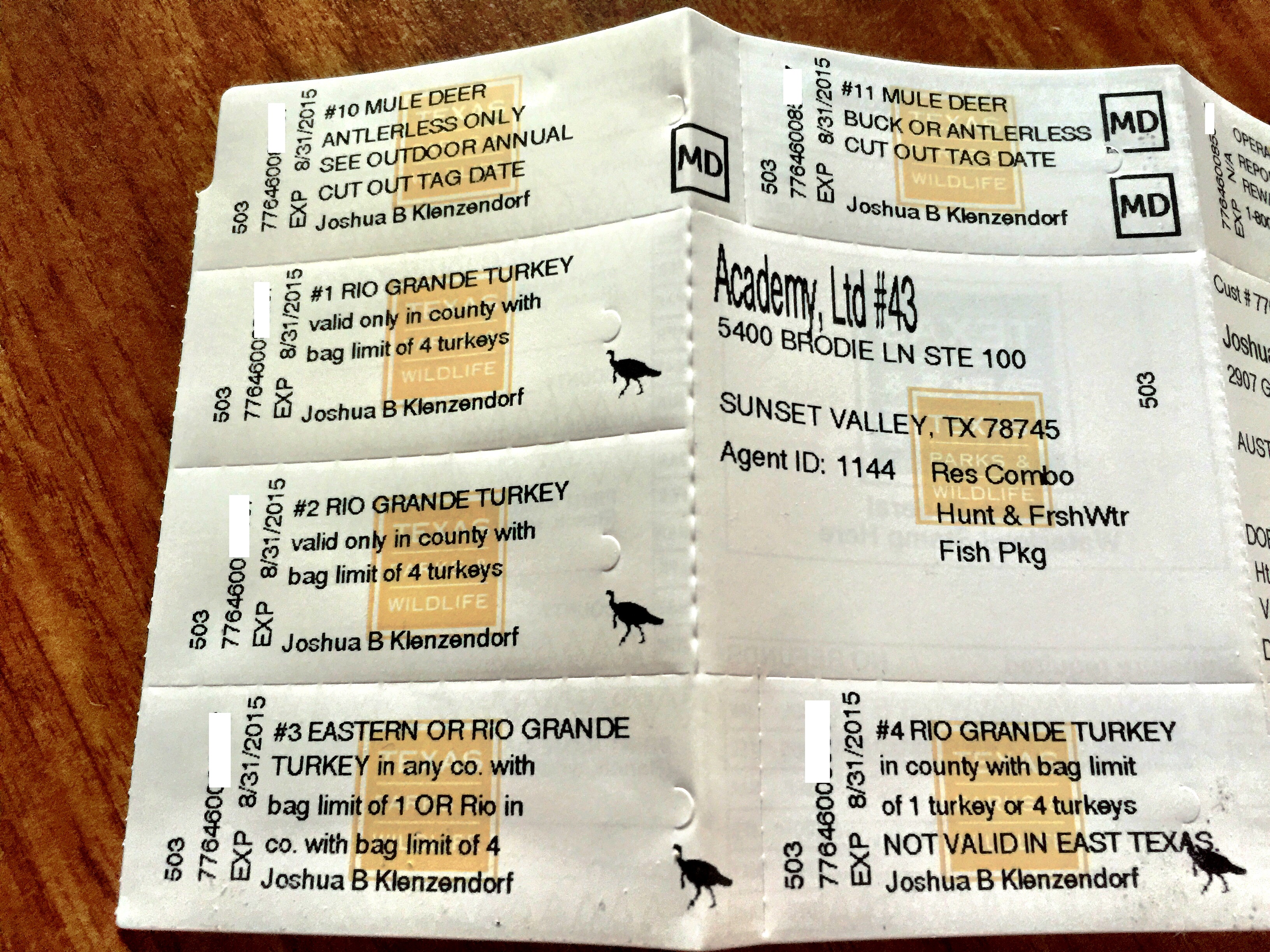
Regardless of how you choose to purchase your license, you’ll need to have certain information and be prepared for the associated fees.
- Identification: A valid form of identification, such as a driver’s license or state-issued ID card, is typically required. Non-residents will need to present their out-of-state ID.
- Proof of Residency: If you are purchasing a resident license, you may need to provide proof of Texas residency, such as your Texas driver’s license number or a voter registration card.
- Understanding the Fee Structure: License fees vary significantly based on several factors:
- Residency: Non-resident licenses are generally more expensive than resident licenses.
- Age: Special discounted licenses or exemptions apply to youth (under 17) and senior residents (65 and older).
- License Type: The All-Water Fishing Package is typically more expensive than individual freshwater or saltwater licenses, but offers greater value if you plan to fish both environments. Temporary licenses are priced lower than annual ones.
- Endorsements: Any additional endorsements or tags will incur extra costs.
It’s advisable to check the current fee schedule on the TPWD website before your purchase to avoid any surprises. The revenue generated from these license fees directly supports crucial conservation programs, fish stocking efforts, habitat restoration, and enforcement activities, ensuring that Texas remains a premier fishing destination for years to come.
Essential Considerations for Anglers in the Lone Star State
Beyond merely acquiring a license, a successful and responsible fishing trip in Texas involves understanding key regulations and planning your adventure effectively.
Key Exemptions and Free Fishing Days
While most anglers require a license, there are specific scenarios where an exemption applies or special events allow license-free fishing.
- Private Property: If you are fishing in a private lake, pond, or tank that is entirely on private land and not connected to any public waterway, you generally do not need a Texas fishing license. However, if the water body has a connection to public waters or if you are fishing in an impoundment of a natural stream, a license is likely required. Always clarify ownership and connectivity.
- Free Fishing Days: The Texas Parks and Wildlife Department designates specific dates each year as “Free Fishing Days.” On these days, usually in early June, both residents and non-residents can fish in any public water body in Texas without a license. This is a fantastic opportunity for beginners to try fishing without the initial investment and for families to enjoy an outdoor activity together. While the license requirement is waived, all other fishing regulations, such as bag limits and size restrictions, still apply.
- Youth Exemptions: As mentioned earlier, children under 17 years of age are exempt from needing a license, making fishing a fantastic, accessible family activity across the state.
Beyond the License: Regulations and Conservation
A fishing license grants you the privilege to fish, but it also comes with the responsibility to adhere to all state fishing regulations. These rules are in place for a reason: to manage fish populations, protect fragile ecosystems, and ensure sustainable fishing for future generations.
- Bag Limits and Size Limits: One of the most critical aspects of regulation involves bag limits (the maximum number of fish you can keep) and size limits (minimum or maximum lengths for fish to be retained). These vary significantly by species, water body, and sometimes even by season. For example, the bag limits for largemouth bass on Lake Fork might differ from those on Lake Texoma, and red drum limits in Galveston Bay will be different from those in the Gulf of Mexico. Always consult the current TPWD Outdoor Annual, available online and at license vendors, before your trip. Ignorance of the law is not an excuse, and violations can result in hefty fines.
- Importance of Conservation: Every license purchase directly supports conservation efforts. Texas is home to a vast array of unique aquatic wildlife, and the health of these populations depends on responsible management. Funds are used for habitat restoration, fish stocking programs, scientific research, and environmental education.
- Responsible Angling Practices: Beyond legal requirements, practicing ethical angling is crucial. This includes catch-and-release techniques for species not intended for harvest, proper handling of fish to minimize stress, never littering, and respecting private property boundaries. By adopting these practices, you contribute to the beauty and sustainability of Texas’s natural resources.
Planning Your Texas Fishing Adventure
With your license secured and regulations understood, it’s time to plan the actual fishing adventure. Texas’s vastness means there’s a fishing experience for everyone.
- Popular Fishing Destinations:
- Freshwater: Lake Fork (renowned for trophy bass), Lake Texoma (striped bass), Guadalupe River (trout stocking in winter, fly fishing), Falcon Lake (bass, South Texas), and countless other state parks with excellent fishing like those listed on Texas State Parks.
- Saltwater: Galveston Island (pier, surf, bay fishing), Port Aransas (deep-sea charters, jetty fishing), South Padre Island (flats fishing, surf fishing), Corpus Christi (bay and offshore opportunities).
- Best Seasons: Fishing in Texas is a year-round activity, but specific seasons favor certain species. Spring and fall are generally excellent for bass and freshwater species, while the warmer months are prime for coastal fishing. Winter brings unique opportunities like trout fishing in the Hill Country rivers.
- Local Guides: Especially for visitors, hiring a local fishing guide can significantly enhance your experience. Guides possess invaluable knowledge of local hotspots, seasonal patterns, and effective techniques, saving you time and increasing your chances of a successful catch. Many guides also provide all necessary gear, making it a hassle-free option.
- Integrating Fishing with Broader Travel: Texas is a vibrant state with much more to offer than just fishing. Consider combining your angling trip with other attractions. Perhaps fish the bays of Galveston and then explore its historic district, or combine a bass fishing trip in East Texas with a visit to a nearby state park for hiking or birdwatching. The diverse landscapes mean you can fish in the morning and explore a bustling city like Austin or Fort Worth in the afternoon.
Enhancing Your Texas Angling Trip: Travel, Accommodation, and Lifestyle
Fishing in Texas is not just about the catch; it’s about the entire experience. From where you stay to how you weave fishing into your overall travel lifestyle, the state offers endless possibilities for an enriching trip.
Finding the Perfect Stay Near Your Fishing Hotspot
For any travel adventure, accommodation plays a crucial role, and a fishing trip is no exception. Texas boasts a wide range of options to suit every angler’s needs and budget.
- Fishing-Friendly Hotels and Resorts: Many establishments, especially near popular fishing lakes and coastal towns, cater specifically to anglers. Look for hotels and resorts that offer amenities such as ample boat parking with charging stations, dedicated fish cleaning stations, and perhaps even early breakfast options to accommodate dawn fishing trips. In coastal areas like Port Aransas or South Padre Island, you might find resorts with private docks or partnerships with local fishing charters. Searching for “fishing resorts” or “marina hotels” in your chosen destination can yield excellent results.
- Vacation Rentals and RV Parks: For longer stays, family trips, or groups, vacation rentals (apartments, villas, or cabins) offer more space, privacy, and the convenience of a full kitchen to prepare your catch. Websites specializing in accommodation booking allow you to compare prices and amenities across various properties. RV parks are also extremely popular in Texas, especially for those who travel with their own boats. Many parks are located directly on lake shores or near bay access points, offering direct water access and community amenities.
- Proximity to Fishing Locations: When booking, consider the proximity of your accommodation to your intended fishing spots. Staying near popular boat ramps, fishing piers, or guide services can save valuable travel time and enhance the overall convenience of your trip. Review sites can offer insights into the experiences of other anglers regarding location and amenities.

Texas Fishing: A Lifestyle Choice
Fishing in Texas can seamlessly integrate into various travel lifestyles, transforming a simple fishing outing into a memorable journey.
- Family Trips: With abundant state parks and child-friendly exemptions, fishing is a perfect family activity. Combine a stay at a lakefront cabin with fishing, swimming, and exploring nearby nature trails. Many locations, such as those found through Texas State Parks, offer educational programs and easy-access fishing piers suitable for all ages.
- Solo Adventures and Budget Travel: For the solitary angler, Texas offers plenty of quiet spots for contemplation and connection with nature. Budget travelers can opt for camping at state parks, staying in more economical motels, or focusing on bank fishing rather than charter trips.
- Luxury Escapes: If luxury travel is your preference, consider staying at high-end resorts that offer guided fishing excursions, gourmet dining options featuring local seafood, and spa services to relax after a day on the water. Destinations like Austin’s urban lakes or the refined coastal experiences of Galveston can cater to a more opulent angling style.
- Combining Fishing with Other Texas Experiences: The beauty of fishing in Texas is its incredible versatility.
- Culinary Tourism: After a successful day of fishing, explore the vibrant culinary scene. From fresh Gulf seafood in Corpus Christi to authentic Texas BBQ in Austin or Tex-Mex in San Antonio, your taste buds are in for a treat.
- Nature and Landmarks: Combine your fishing trip with visits to iconic natural landmarks like Big Bend National Park (though fishing there is limited, the scenery is unparalleled), or explore the charming small towns and art installations of places like Marfa in West Texas.
- City Breaks: Fish a major reservoir outside Dallas or Houston in the morning, then immerse yourself in the vibrant arts, music, and cultural scenes of these major cities in the evening.
In conclusion, getting a fishing license in Texas is a straightforward process, but it’s just the beginning of what promises to be a rich and rewarding travel experience. By understanding the requirements, choosing the right license, and planning your trip with a focus on both angling and exploration, you’re set for an unforgettable adventure in the heart of the Lone Star State. Happy fishing!
LifeOutOfTheBox is a participant in the Amazon Services LLC Associates Program, an affiliate advertising program designed to provide a means for sites to earn advertising fees by advertising and linking to Amazon.com. Amazon, the Amazon logo, AmazonSupply, and the AmazonSupply logo are trademarks of Amazon.com, Inc. or its affiliates. As an Amazon Associate we earn affiliate commissions from qualifying purchases.