
Texas is a land of expansive horizons, vibrant cultures, and endless possibilities, making it a dream destination for travelers seeking adventure, new beginnings, or an enriched lifestyle. From the bustling metropolitan energy of Houston and Dallas to the live music scene of Austin and the historic charm of San Antonio, the Lone Star State offers a diverse tapestry of experiences. For those planning an extended stay, considering a relocation, or simply yearning for the freedom of the open road, owning a vehicle can transform your Texas journey from a mere visit into an immersive lifestyle.
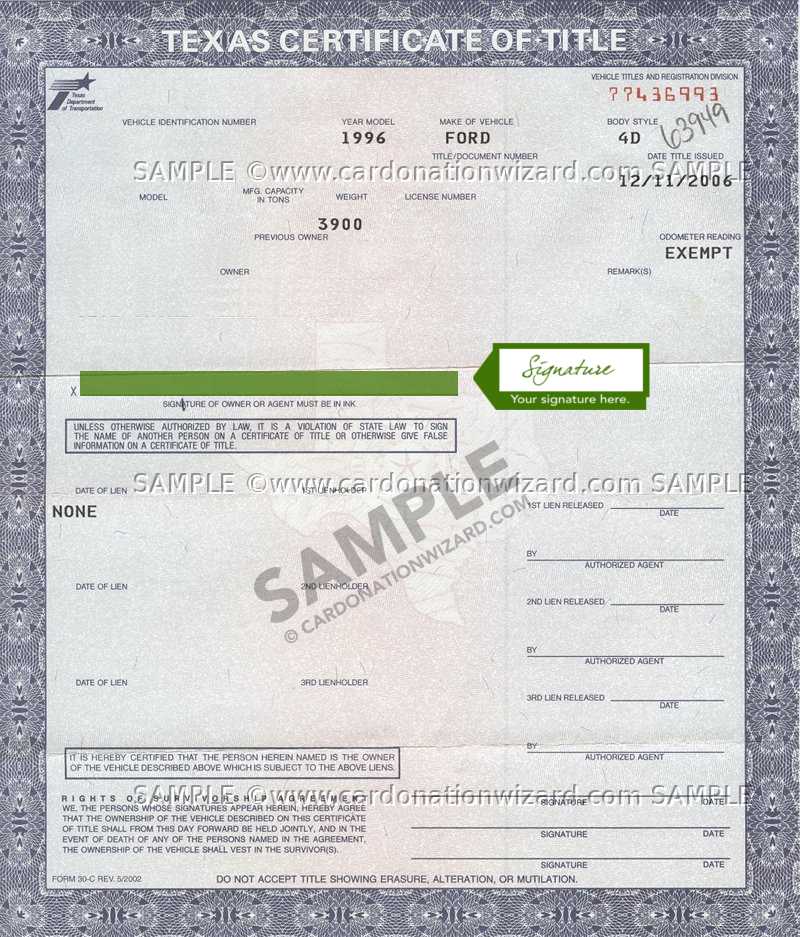
However, acquiring and legally operating a vehicle in Texas involves a crucial step: obtaining a proper Texas vehicle title. While it might seem like a bureaucratic detail, understanding this process is essential for anyone looking to truly embrace the Texas way of life, whether you’re relocating to establish roots or embarking on an epic cross-state road trip. This guide will walk you through the necessities, demystifying the process and ensuring your automotive adventures in Texas are as smooth as a drive through the picturesque Hill Country.
Charting Your Course: Understanding the Texas Car Title Landscape
The decision to acquire a vehicle in Texas is often intertwined with significant lifestyle choices, whether it’s the pursuit of a new career, a desire for warmer climates, or the call of open-road exploration. For a traveler or new resident, understanding the car titling process is not just about legality; it’s about unlocking the freedom to experience all that Texas has to offer, from its famed landmarks to its hidden gems.
Why a Texas Title Matters for Your Lifestyle
Imagine settling into a charming apartment in Austin, ready to explore its eclectic neighborhoods and vibrant food scene. Or perhaps you’ve found your perfect long-term accommodation in Galveston, eager to spend weekends on South Padre Island. In these scenarios, having a properly titled and registered vehicle is not merely a convenience; it’s a necessity for independent travel and daily living.
A Texas vehicle title serves as proof of ownership and is crucial for various reasons:
- Legal Compliance: It’s a fundamental legal requirement for all residents who own and operate a vehicle in the state. Ignoring this can lead to fines and legal complications, disrupting your peaceful Texas lifestyle.
- Buying and Selling: If your Texas adventure involves purchasing a new car or eventually selling your current one, a clear title is indispensable for all transactions.
- Insurance and Financing: Reputable insurance companies and financial institutions will require proof of ownership via a title to provide coverage or loans. This ensures your investment is protected, whether you’re driving through the desert landscapes near El Paso or the lush forests of Big Thicket National Preserve.
- Relocation Ease: For those moving to Texas from another state or country, transferring your vehicle title is a key step in fully integrating into your new home, allowing you to focus on discovering local culture and attractions rather than bureaucratic hurdles.
Whether your journey takes you to the serene beauty of Guadalupe Mountains National Park or the artistic desert town of Marfa, a legitimate Texas title ensures you can navigate with confidence and peace of mind.
Essential Preparations: Gathering Your Travel Documents (for Your Car!)
Just as you wouldn’t embark on international travel without your passport and visa, titling a car in Texas requires a specific set of documents. Being prepared saves time and prevents unnecessary trips to the Texas Department of Motor Vehicles (TxDMV) or your local County Tax Assessor-Collector’s office, allowing you more time to enjoy your Texas experience.
Here’s a checklist of what you’ll typically need:
- Original Vehicle Title: If you’re transferring a title from another state or purchasing a used vehicle, this document is paramount. It confirms the previous owner’s legal claim and allows for the transfer of ownership to you.
- Proof of Identity: A valid driver’s license or state-issued ID is required. For new residents, a Texas driver’s license will eventually be necessary, but an out-of-state license can suffice initially.
- Proof of Insurance: Texas law mandates specific minimum liability coverage. You’ll need to provide evidence of current insurance for your vehicle. This is vital not just for legal purposes, but for your personal safety and financial protection on the sprawling Texas highways.
- Application for Texas Title (Form 130-U): This form, available online from the TxDMV or at your local county office, must be completed accurately. It details information about the vehicle, buyer, seller, and sales price.
- Vehicle Inspection Report (VIR): Before you can register and title your vehicle, it must pass both safety and emissions inspections. This report, obtained from a certified inspection station, confirms your vehicle meets Texas standards.
- Odometer Disclosure Statement: For vehicles under 10 years old, an odometer reading is required to prevent fraud. This is typically part of the Form 130-U or a separate federal form.
- Lien Release (if applicable): If the vehicle was financed and the loan has been paid off, you’ll need a lien release document from the lender.
Having these documents neatly organized will streamline your visit to the county office, making the process efficient and hassle-free, leaving you more time to explore landmarks like the historic Alamo or the futuristic NASA Space Center Houston.
Navigating the Open Road: The Titling Process Step-by-Step
Once you have your documents in order, you’re ready to embark on the actual titling process. This journey, much like a scenic drive through Texas, has its distinct stages, each requiring attention to detail to ensure a smooth arrival at your destination: a legally titled vehicle.
The All-Important Texas Vehicle Inspection
Before you can officially title your vehicle, it must undergo a mandatory safety inspection. For most vehicles in certain counties, an emissions inspection is also required. This step ensures that all vehicles on Texas roads meet state safety and environmental standards, contributing to safer driving conditions and cleaner air for everyone.
- Safety Inspection: All vehicles are subjected to a safety inspection, which checks components like brakes, tires, lights, steering, and windshield wipers.
- Emissions Inspection: Vehicles registered in specific counties (primarily those in metropolitan areas like Dallas, Houston, Austin, and San Antonio) are also required to pass an emissions test. This is particularly relevant if you’re settling in one of these bustling cities.
You can find a certified inspection station at many garages and service centers throughout Texas. Once your vehicle passes, you’ll receive a Vehicle Inspection Report (VIR) electronically, which will be accessible to the County Tax Assessor-Collector’s office. This inspection is your first formal step towards ensuring your vehicle is ready for all your Texas adventures, from exploring the vibrant downtowns to cruising along the Gulf Coast.
Visiting Your Local Texas County Tax Assessor-Collector
With your inspection complete and all documents prepared, your next destination is the office of your local County Tax Assessor-Collector. This is where the magic happens – or, rather, where the paperwork is officially processed. While the TxDMV oversees statewide vehicle laws, the actual titling and registration are handled at the county level.
Here’s what to expect:
- Submission of Documents: Present all your compiled documents, including the completed Form 130-U, original title, proof of insurance, and identification. The clerk will verify everything.
- Payment of Fees and Taxes: This is a crucial part. You will be required to pay:
- Sales Tax: If you purchased the vehicle, Texas sales tax (currently 6.25% of the purchase price or standard presumptive value, whichever is higher) is due. If you bought it out-of-state, use tax will apply. Budgeting for this is vital for your Texas lifestyle planning.
- Title Application Fee: A standard fee for processing your title application.
- Registration Fee: This annual fee registers your vehicle for use on Texas roads and includes a portion for your license plates and registration sticker.
- Local Wheel Tax (if applicable): Some counties may impose a small additional fee.
- Issuance of New Title and Registration: Once all fees are paid and documents approved, you will typically receive a temporary registration permit, new license plates, and a registration sticker on the spot. The official Texas title will be mailed to you within a few weeks.
This step concludes the formal process, allowing you to legally drive and enjoy your vehicle as you discover the unique charm of places like the Fort Worth Stockyards or the serene trails of Big Bend National Park.
Special Routes and Considerations for Your Texas Adventure
Life in Texas can present various scenarios, and the vehicle titling process is flexible enough to accommodate them. Whether you’re making a grand cross-country move or simply receiving a vehicle as a thoughtful gift, knowing these special considerations can save you time and potential headaches, ensuring your journey continues smoothly.
Bringing a Vehicle from Out-of-State
Many individuals embrace a Texas lifestyle by relocating from other states. If you’re bringing your existing vehicle with you, the process has a few unique elements:
- Proof of Residency: While not strictly a titling document, you will eventually need to establish Texas residency to obtain a Texas driver’s license and maintain your vehicle’s registration.
- Out-of-State Title or Registration: You’ll need your original out-of-state title. If your lienholder holds the title, you’ll need your current out-of-state registration and the lienholder’s name and address. The Texas County Tax Assessor-Collector will then request the title from your lienholder.
- Vehicle Identification Number (VIN) Verification: Sometimes, especially if your vehicle has an out-of-state title and no previous Texas registration, a VIN verification might be required. This is usually done by a law enforcement officer or certain inspection stations.
- Use Tax: Instead of sales tax, you’ll pay a “use tax” if you owned the vehicle for less than a year before moving to Texas. If you’ve owned it for over a year and previously paid sales tax in another state, you may be exempt, though proof of prior payment is essential.
Understanding these nuances ensures a hassle-free transition for your vehicle, allowing you to settle into your new Texas home with one less worry. You can then focus on exploring your new surroundings, perhaps starting with a stay at a luxurious establishment like The Driskill Hotel in Austin or the modern elegance of Hotel ZaZa in Houston.
Acquiring a Vehicle Privately or as a Gift
Sometimes, a new car enters your life not through a dealership, but through a private sale or as a thoughtful gift. These scenarios have distinct requirements:
- Private Sale:
- Bill of Sale: While not always legally required, a detailed Bill of Sale is highly recommended. It should include the vehicle information (VIN, make, model), purchase price, date of sale, and signatures of both buyer and seller. This protects both parties and helps establish the sales price for tax purposes.
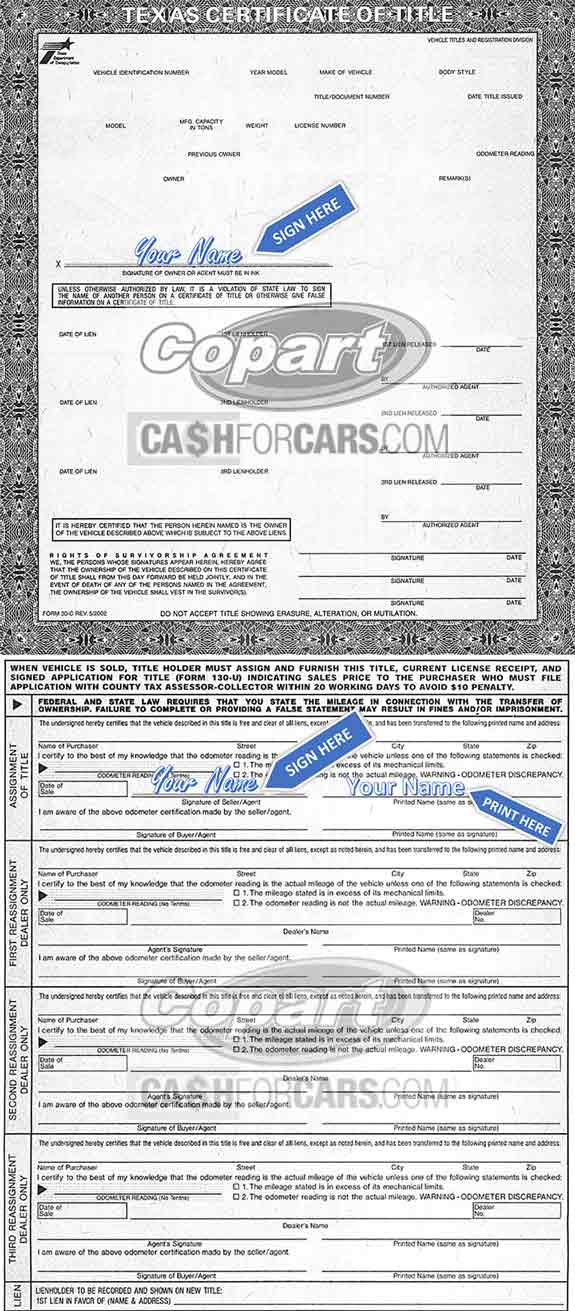
- Original Title: The seller must provide you with the original title, properly signed over to you. Ensure all sections related to the seller are filled out correctly.
- Vehicle as a Gift:
- Affidavit of Motor Vehicle Gift Transfer (Form 14-317): If a vehicle is gifted between certain family members (e.g., spouse, parent, child, grandparent, grandchild), you may be exempt from paying sales tax. This form must be completed and submitted along with the Application for Texas Title.
- Proof of Relationship: Be prepared to provide documentation proving the familial relationship.
These special provisions make the process more straightforward for common personal transactions, supporting the community and family values often celebrated in Texas culture.
Beyond the Title: Embracing Your Texas Lifestyle
With your vehicle properly titled and registered, you’re now fully equipped to immerse yourself in the rich tapestry of Texas experiences. The freedom that comes with a legally owned vehicle in this vast state is truly unparalleled. You can now effortlessly plan your next adventure, whether it’s a spontaneous weekend trip or a meticulously organized tour of the state’s most iconic destinations.
Imagine the convenience of driving to the Fort Worth Stockyards for a genuine cowboy experience, or heading south to explore the stunning beaches of South Padre Island. Perhaps you dream of a scenic drive through the Hill Country, stopping at charming wineries and quaint towns along the way. With your own car, these experiences are not just possibilities; they are at your fingertips.
Consider integrating your car into a broader travel plan:
- Road Trip Essentials: Map out routes to Big Bend National Park or Guadalupe Mountains National Park for breathtaking natural beauty. Pack a cooler with local Texas snacks and enjoy the journey.
- City Explorations: Navigate the diverse neighborhoods of Houston, from the museum district to the NASA Space Center Houston. Discover hidden gems and culinary delights that are off the beaten tourist path.
- Luxury Stays and Retreats: After a long drive, reward yourself with an unforgettable stay. The Post Oak Hotel in Houston offers an opulent escape, or for a more resort-style experience, the JW Marriott San Antonio Hill Country Resort & Spa provides an excellent base for exploring the San Antonio region.
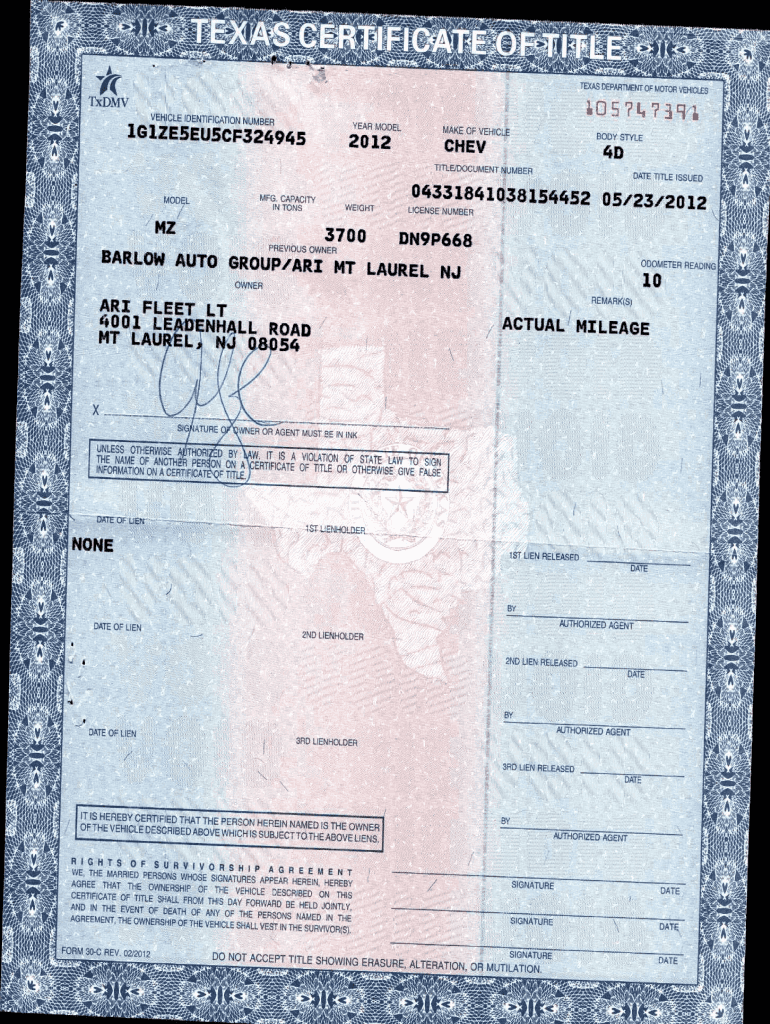
Obtaining a car title in Texas is more than just a regulatory step; it’s an initiation into a lifestyle of freedom and exploration. By understanding and successfully navigating this process, you’re not just getting a piece of paper; you’re unlocking a boundless array of adventures across the diverse and magnificent landscape of the Lone Star State. So, get your title, buckle up, and start discovering your Texas story.
LifeOutOfTheBox is a participant in the Amazon Services LLC Associates Program, an affiliate advertising program designed to provide a means for sites to earn advertising fees by advertising and linking to Amazon.com. Amazon, the Amazon logo, AmazonSupply, and the AmazonSupply logo are trademarks of Amazon.com, Inc. or its affiliates. As an Amazon Associate we earn affiliate commissions from qualifying purchases.