
Embarking on a motorcycle adventure in the Lone Star State offers an unparalleled sense of freedom, with endless horizons and diverse landscapes waiting to be explored on two wheels. From the winding roads of the Texas Hill Country to the scenic routes along the Gulf Coast, Texas provides a magnificent backdrop for both seasoned riders and aspiring motorcyclists. Before you can hit the open road, however, obtaining your motorcycle permit, or Class M learner license, is the crucial first step. This guide will walk you through everything you need to know, integrating essential travel and lifestyle considerations for your journey into the world of Texas motorcycling.
The allure of motorcycle travel in Texas is undeniable. Imagine cruising through quaint towns, discovering hidden culinary gems, or navigating breathtaking natural beauty. For many, a motorcycle isn’t just a mode of transport; it’s a lifestyle choice, offering a unique perspective on local culture, natural landmarks, and the sheer joy of the journey itself. Whether you envision a long-term stay exploring every corner of the state or a series of unforgettable weekend trips, understanding the permit process is foundational to safely and legally enjoying your two-wheeled escapades.
Navigating the Road to Your Texas Motorcycle Permit
Getting your motorcycle permit in Texas is a structured process designed to ensure new riders have the foundational knowledge and basic skills to operate a motorcycle safely. It’s an investment in your safety and the safety of others on the road, and it opens up a world of travel possibilities across this vast state.
Essential Eligibility Requirements
Before you even consider applying, you’ll need to meet specific criteria set forth by the Texas Department of Public Safety (DPS). These requirements ensure that applicants possess a basic level of responsibility and readiness for the challenges of motorcycling.
Age Considerations: The primary age requirement differentiates between minor applicants and adults.
- Ages 15-17: If you are between 15 and 17 years old, you must complete a driver education course and obtain a Class C provisional license before applying for a Class M learner license. Additionally, you will need parental consent, as a parent or legal guardian must sign the application. This ensures that younger riders have comprehensive driving knowledge and parental support before venturing onto a motorcycle. The combination of driver education and a motorcycle-specific course provides a robust foundation.
- Ages 18 and Older: For adults aged 18 and above, the process is slightly more streamlined. You are generally only required to hold a valid Class C driver’s license (or an equivalent out-of-state license if you’re a new Texas resident) and complete a state-approved motorcycle safety course. This adult pathway assumes a higher level of maturity and driving experience.
Existing Texas Driver’s License: A fundamental requirement for all applicants is possessing a valid Class C driver’s license. This prerequisite ensures that you already have a general understanding of traffic laws, road signs, and safe driving practices before adding the complexities of motorcycle operation. If you’re new to Texas and haven’t yet transferred your out-of-state driver’s license, that will be your first stop. Many individuals make this part of a larger relocation journey, perhaps booking accommodation in cities like Austin or Dallas while settling in and handling administrative tasks.
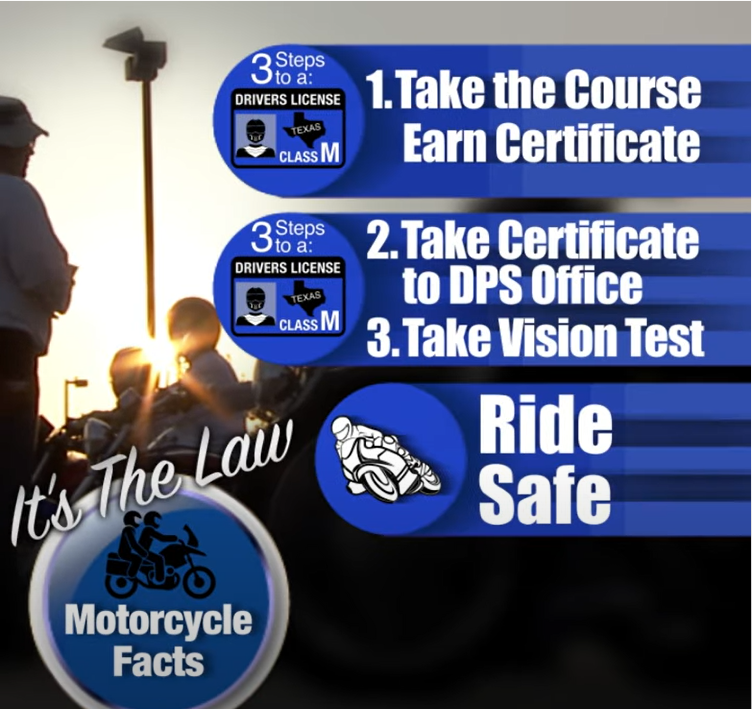
Importance of the Motorcycle Safety Course: This is arguably the most critical requirement. Texas mandates the completion of a Motorcycle Safety Course approved by the Motorcycle Safety Foundation (MSF) for all applicants, regardless of age. This course is not merely a formality; it’s a comprehensive training program designed to teach essential riding skills, safety awareness, and defensive riding techniques. It’s where you truly learn how to handle a motorcycle in a controlled environment, preparing you for real-world scenarios.
The Mandatory Motorcycle Safety Course
The Motorcycle Safety Course is a cornerstone of safe riding in Texas. It’s an immersive experience that goes beyond simply passing a test; it builds confidence and competence, transforming novices into more aware and capable riders.
What the Course Covers: Typically spanning a weekend, these courses combine classroom instruction with practical, hands-on riding exercises on a closed course. You’ll learn:
- Basic Motorcycle Operation: How to start, stop, shift gears, turn, and brake effectively.
- Defensive Riding Strategies: Techniques for anticipating hazards, scanning the road, and making split-second decisions.
- Advanced Maneuvers: Swerving to avoid obstacles, emergency braking, and navigating curves.
- Motorcycle Dynamics: Understanding how a motorcycle handles and reacts to rider input.
- Risk Management: Identifying common riding hazards and strategies to mitigate them.
- Proper Gear Usage: The importance of helmets, gloves, jackets, and other protective apparel.
Finding Approved Courses: State-approved courses are widely available across Texas. Major cities like Houston, Dallas, Austin, and San Antonio have multiple training centers. It’s advisable to research and book your course in advance, as slots can fill up quickly, especially during peak riding seasons. Many centers offer bikes for student use, eliminating the need to own a motorcycle before taking the course. For those traveling to a larger city for the course, booking accommodation well in advance, perhaps a hotel like the Hyatt Regency Dallas or a comfortable apartment stay, can enhance the experience, allowing you to focus on learning without the stress of daily commutes.
What to Expect During the Course: The atmosphere is typically supportive and safety-focused. Instructors are experienced riders dedicated to imparting practical knowledge. You’ll spend time in a classroom discussing theory and then transition to a riding range where you’ll practice skills under direct supervision. Expect a physically engaging experience, as you’ll be on a motorcycle for several hours. The goal is not perfection, but proficiency and a solid understanding of safe riding principles. Upon successful completion, you’ll receive a Certificate of Completion, which is your golden ticket to the next stage.
Benefits Beyond Just Getting the Permit: The skills learned in the course extend far beyond mere permit acquisition. They foster a deep appreciation for road safety and equip you with the confidence to handle various riding situations. Moreover, completing the course can often lead to discounts on motorcycle insurance, making it a sound financial decision as well. It’s an investment in a lifestyle that prioritizes exploration and personal freedom, whether you’re planning a thrilling ride through Big Bend National Park or a leisurely tour of Texas’s historic missions.
The Application Process at the DPS
With your Motorcycle Safety Course Certificate of Completion in hand, the final step to obtaining your permit is a visit to your local Texas Department of Public Safety (DPS) office. This is where your classroom and practical learning officially translate into legal riding privileges.
Gathering Required Documents: Before heading to the DPS, ensure you have all necessary documentation to avoid delays. This typically includes:
- Your Certificate of Completion from the motorcycle safety course.
- Your valid Class C Texas Driver’s License.
- Proof of U.S. Citizenship or lawful presence (e.g., birth certificate, passport).
- Proof of Social Security Number (e.g., Social Security card).
- Proof of Texas Residency (e.g., utility bill, lease agreement).
- Proof of Vehicle Registration and Insurance for any vehicles you own (this might be required for the application, though not necessarily a motorcycle at this stage).
- Parental consent forms if you are a minor (Form DL-14B).
It’s highly recommended to check the official Texas DPS website for the most current and comprehensive list of required documents, as these can sometimes change.

What to Do at the Department of Public Safety:
- Complete the Application: You’ll fill out a Driver License Application (Form DL-14A) at the DPS office.
- Present Documents: Submit all your gathered documents to the clerk for verification.
- Vision Test: You will undergo a mandatory vision test to ensure your eyesight meets the minimum standards for safe driving.
- Photo and Fingerprints: Your photograph will be taken for your permit, and your fingerprints will be recorded.
- Pay the Fee: There will be an application fee for the Class M learner license. Be prepared to pay this fee, typically by credit card, debit card, check, or money order.
- Receive Your Permit: Once all steps are completed and approved, you will receive a temporary Class M learner license. Your official permit will then be mailed to you.
Specifics for Minors: As mentioned, if you are 15-17 years old, a parent or legal guardian must accompany you to the DPS office to provide written consent and sign the application. This added layer of responsibility underscores the importance of parental involvement in a young person’s journey to motorcycling. They may also need to show proof of identification and their relationship to the minor.
Understanding Your Texas Motorcycle Permit
Obtaining your Class M learner license is a significant milestone, but it’s important to understand what it entails and its limitations. This permit is designed to allow you to practice riding under specific conditions, preparing you for the unrestricted freedom of a full motorcycle license.
Permit vs. License: The Key Differences
It’s crucial to distinguish between a motorcycle permit (Class M learner license) and a full motorcycle license (Class M). They serve different purposes and carry different levels of riding privileges.
Learner’s Permit Limitations: The Class M learner license is a provisional document. It signifies that you are learning to ride and, as such, comes with several restrictions. These limitations are not meant to hinder your enjoyment but to ensure your safety and that of others while you gain experience. Think of it as a probationary period, where you develop your skills in a controlled environment before being granted full riding autonomy. This period is essential for building muscle memory, improving situational awareness, and becoming comfortable with your motorcycle in various traffic conditions.
Transitioning to a Full License: The ultimate goal is to obtain a full Class M motorcycle license. Once you have held your learner license for a specified period (typically one year for minors, or until you turn 18), and you feel confident in your riding abilities, you can apply for the full license. This usually involves another visit to the DPS. Depending on your age and when you took your safety course, you might be exempt from taking a riding skills test at the DPS, as your Certificate of Completion often serves as a waiver. Always confirm the current requirements with the Texas DPS before your visit. A full Class M license unlocks unrestricted riding, allowing you to fully immerse yourself in the motorcycle lifestyle and explore all that Texas has to offer, from the historic sites in San Antonio to the vast wilderness of Big Bend Ranch State Park.
Important Permit Restrictions for New Riders
The restrictions associated with a Texas Class M learner license are vital for your safety and adherence to state law. Familiarize yourself with them to ensure legal and responsible riding practice.
- Supervision Requirements: A common restriction is that you must be supervised by a licensed adult motorcyclist (usually 21 years or older) with a valid Class M endorsement. This supervisor should ideally be riding on a separate motorcycle or be a passenger on your motorcycle (if allowed by other restrictions and the bike’s capacity). Their experience serves as a safety net, offering guidance and assistance should you encounter difficulties.
- Daylight Riding Only: Most permits restrict riding to daylight hours. This means no riding after sunset or before sunrise. Reduced visibility at night significantly increases the risk for new riders, making this a critical safety measure. Early morning rides along the Austin greenbelts or late afternoon cruises through Galveston can still be enjoyed within these parameters.
- No Passengers Allowed: With a learner’s permit, you are typically not allowed to carry passengers. Carrying a passenger adds complexity to motorcycle handling and requires a higher level of skill and experience, which new riders are still developing. This restriction ensures that your focus remains solely on mastering the bike and road conditions.
- Helmet Laws in Texas: Texas has specific helmet laws that apply to all motorcyclists. For permit holders, and generally for all riders under 21, wearing a helmet is mandatory. Riders aged 21 and older can ride without a helmet if they have completed an approved motorcycle safety course or are covered by an applicable health insurance plan. However, for a new rider on a permit, always wear a helmet. A helmet is your primary piece of safety gear, crucial for protecting against head injuries. It’s an essential part of the motorcycle lifestyle, regardless of legal mandates.
- Why These Restrictions Are Crucial for Safety and Experience: These restrictions are not arbitrary. They are carefully designed to create a safe learning environment. By limiting complex riding scenarios (like night riding or carrying passengers) and requiring supervision, the state aims to reduce the risk of accidents for inexperienced riders. Adhering to these rules allows you to gradually build confidence, hone your skills, and develop the instincts necessary for safe and enjoyable motorcycling. Ignoring these restrictions can not only lead to legal penalties but, more importantly, put your life and the lives of others at risk.
Beyond the Permit: Embracing the Texas Motorcycle Lifestyle
Once you’ve secured your Class M learner license and are diligently practicing within its restrictions, you’re well on your way to fully embracing the vibrant motorcycle lifestyle that Texas offers. This phase is about honing your skills, preparing for a full license, and discovering the joy of two-wheeled travel.
Tips for Aspiring Texas Motorcyclists
Transitioning from a permit holder to a confident, responsible motorcyclist involves more than just accumulating hours on the road. It’s about a continuous commitment to learning and safety.
- Choosing Your First Motorcycle: Selecting the right first bike is crucial. Start with a motorcycle that matches your skill level and physical stature. Lighter, lower-powered bikes are generally easier to handle for beginners. Consider factors like seat height, weight, and engine displacement. Many dealerships in cities like Fort Worth and El Paso offer extensive inventories and knowledgeable staff who can guide you through this decision, ensuring your initial purchase supports your learning curve.
- Gear Essentials: Never compromise on safety gear. Beyond the mandatory helmet (DOT-approved, always!), invest in:
- Armored Jacket: Provides abrasion resistance and impact protection.
- Motorcycle Gloves: Protect hands from injury and improve grip.
- Sturdy Pants: Denim or specialized riding pants offer better protection than casual wear.
- Over-the-Ankle Boots: Protect your feet and ankles, and provide better grip on footpegs.
- Eye Protection: If your helmet doesn’t have a visor, wear goggles or protective eyewear.
This gear is not just for protection; it also enhances comfort during rides, especially on longer journeys exploring destinations like Guadalupe Mountains National Park.
- Practicing Safely: Consistent practice is key. Start in low-traffic areas, such as empty parking lots, to refine your basic maneuvers like braking, turning, and slow-speed control. Gradually move to quiet residential streets and then to more complex road environments as your confidence grows. Always practice within the permit restrictions. Consider taking advanced rider courses even after getting your full license, to continuously improve your skills.
- Joining Local Riding Communities: Texas boasts numerous motorcycle clubs and riding groups. Joining one can provide invaluable mentorship, camaraderie, and opportunities for group rides. These communities are excellent resources for local knowledge, mechanical advice, and discovering new routes and destinations. They often organize events and tours, which can be a great way to meet fellow enthusiasts and make new friends, enriching your motorcycle lifestyle experience.

Exploring Texas on Two Wheels
With your permit in hand, and eventually a full license, the vast and varied landscape of Texas transforms into an expansive playground for motorcyclists.
- Scenic Routes: Texas offers an incredible array of scenic routes, each with its unique charm.
- The Hill Country: Famous for its winding roads, rolling hills, and picturesque small towns like Fredericksburg and Bandera. This region is a motorcyclist’s paradise, with routes like the “Three Sisters” (Ranch Roads 335, 336, and 337) offering thrilling curves and stunning vistas.
- The Gulf Coast: Ride along the coast for refreshing sea breezes and ocean views, perhaps stopping in Port Aransas or South Padre Island for a taste of beach life.
- West Texas: For an epic adventure, head west to the desert landscapes around Big Bend National Park. The open roads, dramatic mountains, and vast skies offer a truly transformative riding experience.
- East Texas Piney Woods: Discover lush forests, serene lakes, and quiet backroads, a stark contrast to the western plains.
- Motorcycle-Friendly Destinations: Many Texas towns and cities welcome motorcyclists with open arms. Look for places with designated motorcycle parking, local diners, and unique attractions. The historic San Antonio Riverwalk provides a delightful contrast to open-road riding, offering a chance to stretch your legs and enjoy urban charm. Similarly, a visit to Space Center Houston can be an exciting stop on a tour of the Houston area.
- Planning Your Motorcycle Adventures:
- Accommodation: When planning longer rides, consider motorcycle-friendly accommodation. Many hotels, especially those with ample parking, cater to riders. From budget-friendly motels to luxury resorts, you can find options across Texas. Websites like ours, LifeOutTheBox.com, offer guides on everything from suites and apartments to villas and long-term stays, ensuring you find the perfect place to rest after a day of riding. Always check for secure parking options when booking.
- Travel Tips: Pack light but smartly. Always check weather forecasts for your route. Carry essential tools and a first-aid kit. Consider a hydration pack for longer rides, especially in the Texas heat. Inform someone of your route and estimated arrival time. Embrace local culture by stopping at roadside attractions, trying regional cuisine, and engaging with locals. These experiences are what transform a simple ride into an unforgettable journey.
Obtaining your motorcycle permit in Texas is more than just a bureaucratic step; it’s the gateway to a thrilling lifestyle and unparalleled travel experiences. By understanding the requirements, completing the necessary training, and adhering to the rules, you’ll be well-prepared to safely explore the diverse beauty and rich culture that the Lone Star State has to offer from the unique vantage point of a motorcycle. The open road awaits, promising adventure, discovery, and the true freedom of two wheels.
LifeOutOfTheBox is a participant in the Amazon Services LLC Associates Program, an affiliate advertising program designed to provide a means for sites to earn advertising fees by advertising and linking to Amazon.com. Amazon, the Amazon logo, AmazonSupply, and the AmazonSupply logo are trademarks of Amazon.com, Inc. or its affiliates. As an Amazon Associate we earn affiliate commissions from qualifying purchases.