
The allure of the Lone Star State, with its vast landscapes, rich history, and vibrant culture, extends far beyond its reputation as a premier travel destination. For many, it represents a land of opportunity, a place where entrepreneurial dreams, particularly within the travel and hospitality sectors, can truly flourish. Whether you’re envisioning a charming bed and breakfast in the Hill Country, a unique tour operator showcasing the hidden gems of Austin, or a cutting-edge online travel agency connecting visitors with the diverse accommodation options across the state, understanding the fundamental legal steps is crucial. One such critical step for many aspiring business owners is registering a Doing Business As (DBA) name in Texas.
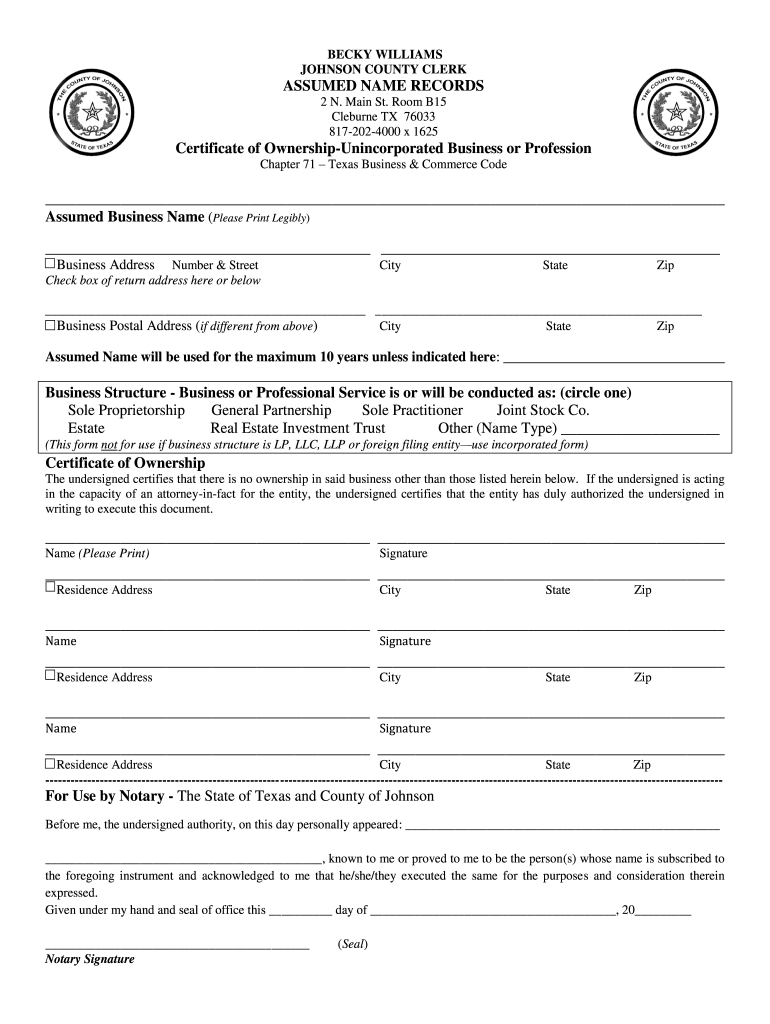
A DBA, often referred to as an “assumed name,” is the trade name under which your business operates if it’s different from the legal name of the entity. It’s an essential component for establishing brand identity, building customer trust, and ensuring legal compliance within the dynamic Texas market. This comprehensive guide will walk you through the nuances of registering a DBA in Texas, specifically tailored to resonate with the spirit of travel, tourism, and lifestyle entrepreneurs looking to make their mark.
Understanding Your Business Identity in the Lone Star State
Before diving into the mechanics of registration, it’s vital to grasp what a DBA entails and why it holds particular significance for businesses aiming to thrive in the Texas tourism landscape. The name you choose for your business is often the first interaction potential customers have with your brand, especially in an industry where identity and distinctiveness are paramount.
What Exactly is a DBA and Why Does it Matter for Your Travel Business?
A DBA, or “Doing Business As,” is simply a fictitious name under which a business operates. It is not a separate legal entity itself, but rather a public declaration of the name your business uses. For sole proprietorships and general partnerships, a DBA allows them to operate under a name other than the owner’s legal name. For example, if Sarah Smith wants to open a boutique hotel in San Antonio called “The Alamo Guesthouse,” but her legal business is “Sarah Smith,” she would need a DBA to legally operate and market under “The Alamo Guesthouse.” Similarly, an LLC or corporation might use a DBA if they wish to operate multiple brands or distinct services under different names without forming new legal entities for each. Imagine “Lone Star Adventures LLC” operating a hiking tour operator under the DBA “Big Bend National Park Treks” and a culinary tourism venture under ” Austin Foodie Tours.”
For a travel-focused business in Texas, a DBA is incredibly important. It allows you to:
- Establish a Professional Brand: A distinctive and memorable name like “Houston Cityscapes Tours” or ” South Padre Island Retreats” sounds more professional and trustworthy than just an individual’s name.
- Market Effectively: Your DBA becomes your public-facing identity, used on marketing materials, websites, social media, and signage – crucial for attracting visitors looking for unique Texas experiences or exceptional accommodation.
- Open Bank Accounts: Banks typically require a DBA registration to open a business bank account under your assumed name, separating personal and business finances – a fundamental aspect of sound financial management for any venture, from a small travel blog to a burgeoning resort.
- Comply with the Law: In Texas, operating under an assumed name without proper registration is unlawful and can lead to penalties or legal disputes, especially if another business is already using that name.
Distinguishing Your Brand: DBA vs. LLC vs. Corporation
While a DBA is vital, it’s equally important not to confuse it with forming a separate legal entity like a Limited Liability Company (LLC) or a corporation.
- DBA: This is merely a name registration. It does not provide any personal liability protection. If you are a sole proprietor operating under a DBA, your personal assets are not protected from business debts or lawsuits.
- LLC (Limited Liability Company): This is a legal business structure that separates your personal assets from your business liabilities. An LLC offers personal liability protection for its owners (members). Many small to medium-sized travel and tourism businesses, such as a family-run hotel or a boutique adventure travel agency, opt for an LLC due to its balance of protection and operational flexibility. An LLC can also register a DBA to operate under a different name than its legal LLC name.
- Corporation: A more complex legal structure, a corporation is a separate legal entity owned by shareholders. It offers the strongest liability protection and is suitable for larger businesses seeking to raise capital through stock issuance. Like an LLC, a corporation can also use a DBA.
The choice of legal entity determines your liability and tax structure, while a DBA focuses solely on the public name of your business. Many entrepreneurs choose to form an LLC first for liability protection and then register a DBA to establish a distinct brand identity for their Texas-based ventures, whether it’s an Airbnb management service in Dallas or a luxury lifestyle concierge service in Houston.
Navigating the Texas DBA Registration Process for Your Venture
Once you understand the ‘what’ and ‘why’ of a DBA, the next step is to navigate the actual registration process in Texas. The requirements can vary slightly depending on your business structure and where you plan to operate, but the core steps remain consistent.
Step-by-Step Guide to Filing Your Assumed Name Certificate
The process for registering a DBA in Texas is relatively straightforward, but attention to detail is key.

-
Choose Your Name:
- Availability: Your chosen DBA name must be distinguishable from other registered names. In Texas, you’ll primarily be checking county records (for sole proprietorships/partnerships) or the state’s Secretary of State database (for LLCs/corporations/LPs/LLPs). Imagine calling your new boutique hotel “The Riverwalk Inn” only to find another business already using a similar name in San Antonio. This initial check is crucial to avoid future conflicts and rejections.
- Prohibited Words: Avoid words that imply your business is a governmental agency or specific professional entity (e.g., “bank,” “insurance,” “university”) without proper licensing or permissions.
- Branding: Select a name that resonates with your travel, tourism, or accommodation niche. Think about names that evoke the spirit of Texas – perhaps ” Fort Worth Cattle Drive Tours” or ” Galveston Beachfront Stays.”
-
Determine Your Filing Location:
- County Level (Sole Proprietorships/General Partnerships): If your business is a sole proprietorship or a general partnership, you generally file your Assumed Name Certificate with the county clerk in each county where you plan to conduct business. For example, if your independent travel guide service operates in Austin and San Antonio, you’d file in Travis County and Bexar County respectively.
- State Level (LLCs, Corporations, LPs, LLPs): If your business is a legally registered entity (like an LLC or corporation), you will file your Assumed Name Certificate with the Texas Secretary of State. This state-level filing covers your assumed name across the entire state. For a larger hotel chain or a tourism marketing firm operating statewide, this centralized filing is a significant advantage. Even if you only operate in one location like Houston (Harris County), if your entity is an LLC, you still file with the state.
-
Prepare the Assumed Name Certificate:
- Information Required: The certificate typically requires the assumed name, the legal name of the entity or individual, the type of entity (sole proprietor, LLC, etc.), the address of the principal office, and the county/counties where the business will be conducted.
- Forms: The Texas Secretary of State provides forms (e.g., Form 503 for state-level filings). County clerks also have their specific forms, which are usually available on their websites.
-
File the Certificate and Pay Fees:
- Submission: For state-level filings, you can often submit online, by mail, or in person to the Secretary of State’s office. County filings are typically done in person or by mail at the respective county clerk’s office.
- Fees: There are filing fees involved, which vary between the state (Secretary of State) and individual county clerks. These are usually modest, ranging from $10 to $25.
The Importance of Local Compliance: Beyond the State Level
Registering your DBA is a significant step, but it’s often just one piece of the puzzle, especially for travel and hospitality businesses. Local municipalities and counties in Texas have their own sets of regulations that your business must adhere to.
- Business Licenses and Permits: Most cities and counties require general business licenses, and specific industries like hotels, restaurants, tour operators, and short-term rentals (e.g., Airbnb, VRBO) will have additional permits. For instance, operating a bed and breakfast in a historic district of Grapevine will entail specific zoning permits and health department approvals. A tour operator ferrying guests to Big Bend National Park might need special transportation permits.
- Zoning Regulations: If you’re establishing a physical location, such as a new boutique hotel in Dallas or a themed attraction in Fort Worth, local zoning laws dictate what types of businesses can operate in specific areas.
- Health and Safety Inspections: Food service components in hotels or bed and breakfasts, as well as tour vehicles, will be subject to health and safety inspections.
- Occupancy Taxes: Many cities and counties in Texas levy a Hotel Occupancy Tax (HOT) on rooms rented for less than 30 days. If your business involves accommodation, understanding and collecting these taxes is paramount.
- Signage Permits: Even your attractive business sign, proudly displaying your new DBA name outside your Austin hostel or Gruene Hall-inspired honky-tonk, might require a permit from the local planning department.
Failing to comply with local regulations can lead to fines, operational halts, or even legal action, which can be devastating for a new business. Always check with the city clerk’s office and county offices where your physical business operations will be located in Texas, especially in major tourism hubs like Houston, Dallas, San Antonio, or Austin.
Ensuring Continued Success and Brand Protection in Texas Tourism
Registering a DBA is a proactive step, but maintaining its validity and further protecting your brand are ongoing responsibilities. The dynamic nature of the travel and tourism industry, combined with the vastness of the Texas market, necessitates a diligent approach to legal compliance and brand safeguarding.
Maintaining Your DBA and Keeping Your Business Legal
Your DBA registration isn’t a one-time affair. It has a finite lifespan, and responsible business ownership requires keeping it current.
- Renewal: In Texas, an Assumed Name Certificate for a sole proprietorship or general partnership is generally valid for 10 years at the county level. For entities filed with the Secretary of State, the assumed name is typically effective for 10 years as well. It’s crucial to mark your calendar and initiate the renewal process before expiration to avoid any lapse in your legal right to use the name. A lapsed DBA could force you to re-register, potentially finding your chosen name unavailable, or worse, facing legal challenges if another entity begins using it.
- Changes to Assumed Name: If you decide to change your business’s assumed name, you cannot simply update the existing certificate. You would need to file an “Abandonment of Assumed Name Certificate” for the old name and then file a completely new “Assumed Name Certificate” for your desired new name. This might happen if your travel agency, originally named ” Dallas Day Trips,” expands its offerings statewide and rebrands as “Lone Star Travel Experiences.”
- Changes to Business Information: If there are changes to your principal office address or the legal name of the entity operating the DBA, you will need to file an “Amendment of Assumed Name Certificate.” Keeping this information current ensures transparency and compliance.
- Impact on Bank Accounts: Your business bank account is directly tied to your legal business name or your DBA. A lapsed or changed DBA could impact your ability to conduct financial transactions or even maintain your business account. This is particularly critical for handling payments from guests, tour bookings, or supplier invoices for your Texas resort or accommodation service.

Protecting Your Travel Brand: Trademarks and Further Legal Steps
While a DBA registers your right to operate under a specific name in Texas, it doesn’t provide exclusive rights to that name nationwide, nor does it protect your logo, slogans, or other intellectual property. For comprehensive brand protection, especially for businesses with ambitions beyond state borders or those with truly unique offerings, consider federal trademarks.
- Trademarks vs. DBAs: A DBA merely puts the public on notice that you are doing business under a certain name locally or statewide. A trademark, registered with the U.S. Patent and Trademark Office (USPTO), grants exclusive national rights to use a name, logo, or slogan in connection with specific goods or services. If your ” Padre Island National Seashore Eco-Tours” business starts gaining national recognition, a federal trademark would be invaluable in preventing competitors from using a similar name anywhere in the U.S.
- Brand Elements: Trademarks can protect your unique business name, your logo (e.g., a stylized longhorn silhouette for a Texas ranch stay), slogans (“Experience the Texas Way”), and even specific product names (like a unique tourism package).
- Copyrights: For original written content, photographs, videos, or music created for your travel blog, website, or marketing materials, copyrights offer protection. This ensures your unique descriptions of Austin‘s vibrant lifestyle or stunning images of the Big Bend National Park remain yours.
- Legal Counsel: For complex brand protection strategies, consulting with an attorney specializing in intellectual property law is highly recommended. They can guide you through the process of conducting comprehensive searches, filing trademark applications, and enforcing your rights.
In conclusion, establishing your travel or hospitality venture in the dynamic landscape of Texas requires more than just a great idea. Registering a DBA is a foundational legal step that legitimizes your chosen brand name, enables professional operations, and establishes a clear identity for your business in the eyes of the law and your customers. From the bustling metropolitan areas of Houston and Dallas to the historic charm of San Antonio and the vibrant culture of Austin, Texas offers an unparalleled backdrop for entrepreneurs. By diligently following these steps and understanding the broader legal landscape, you can ensure your Texas dream business is built on a solid, compliant foundation, ready to welcome travelers and create unforgettable experiences for years to come. So, go ahead, craft that perfect name that embodies your vision, register it with confidence, and embark on your exciting journey in the Lone Star State.
LifeOutOfTheBox is a participant in the Amazon Services LLC Associates Program, an affiliate advertising program designed to provide a means for sites to earn advertising fees by advertising and linking to Amazon.com. Amazon, the Amazon logo, AmazonSupply, and the AmazonSupply logo are trademarks of Amazon.com, Inc. or its affiliates. As an Amazon Associate we earn affiliate commissions from qualifying purchases.