
The vibrant culture, sprawling landscapes, and diverse attractions of Texas draw millions of visitors each year, from those seeking the pulsating rhythm of Austin’s music scene to the historical grandeur of San Antonio or the bustling metropolises of Houston and Dallas. As travelers plan their excursions across the Lone Star State, a growing question often arises, reflecting broader national trends in wellness and personal choice: “Is Delta-9 legal in Texas?” This question, seemingly straightforward, unveils a complex legal landscape shaped by federal policy, state legislation, and ongoing judicial scrutiny. For anyone looking to explore Texas, whether for a brief getaway or an extended stay, understanding the nuances of Delta-9 THC legality is paramount for a smooth and compliant experience.
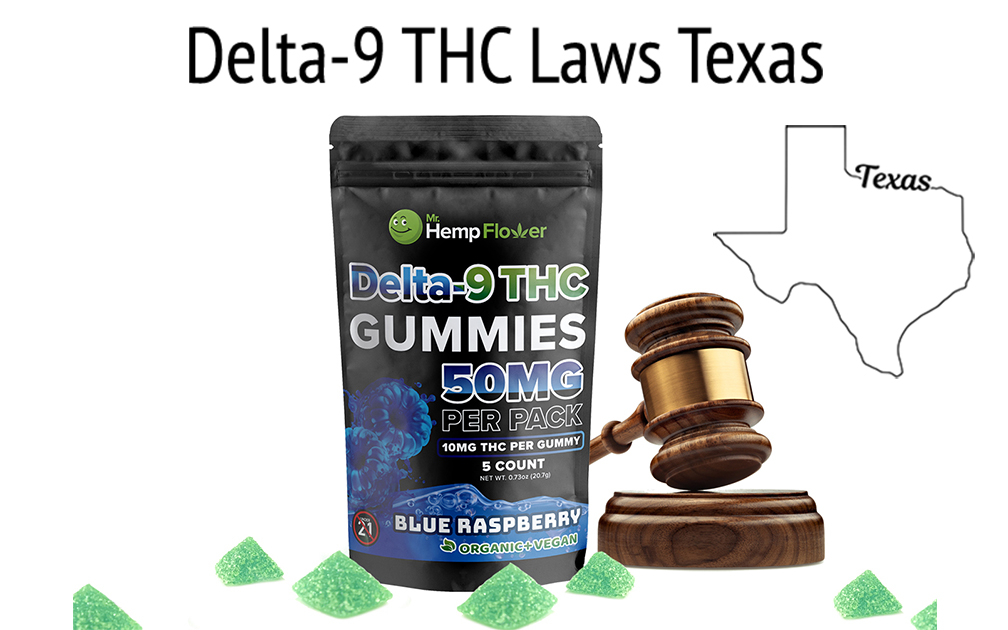
Navigating the Complexities of Cannabis Legality in the Lone Star State
The legality of cannabis and its derivatives in the United States has undergone a dramatic transformation over the past decade. What was once universally prohibited is now a patchwork of state-specific laws, creating a confusing environment for consumers, businesses, and travelers alike. Texas, known for its independent spirit, has charted its own course, diverging significantly from states that have fully legalized recreational marijuana. To grasp the status of Delta-9 in Texas, one must first understand the foundational federal law that set the stage for the modern hemp industry.
The Federal Framework: A Look at the 2018 Farm Bill
The cornerstone of Delta-9 THC’s legal gray area stems from the federal 2018 Farm Bill (Agriculture Improvement Act of 2018). Prior to this landmark legislation, all forms of cannabis were classified as Schedule I controlled substances under the Controlled Substances Act, regardless of their THC content. The 2018 Farm Bill changed everything by federally legalizing hemp, defining it as any part of the cannabis plant containing less than 0.3% Delta-9 THC on a dry weight basis. This critical distinction removed hemp from the list of controlled substances, thereby permitting the cultivation, processing, and sale of hemp-derived products, including CBD products and, crucially, specific forms of Delta-9 THC.
The key takeaway from the 2018 Farm Bill is that it focuses specifically on the concentration of Delta-9 THC. It doesn’t ban Delta-9 THC itself, but rather regulates its presence within the hemp plant and its derived products. This federal carve-out opened the door for manufacturers to extract Delta-9 THC from legal hemp plants, provided the final product’s Delta-9 THC content remains below the 0.3% threshold by dry weight. This loophole has allowed for the creation of various hemp-derived products containing significant amounts of Delta-9 THC by weight, particularly in edibles and beverages, where the overall weight of the product allows for a higher absolute quantity of THC while remaining under the percentage limit.
Texas’s Stance: From Hemp to High-Potency Products
Following the federal lead, Texas enacted its own legislation to align with the 2018 Farm Bill. In 2019, House Bill 1325 officially legalized the cultivation, processing, and sale of hemp and hemp-derived products in the state. This bill mirrored the federal definition, establishing that products derived from hemp are legal as long as their Delta-9 THC concentration does not exceed 0.3% on a dry weight basis.
The immediate consequence of House Bill 1325 was a boom in the Texas hemp industry. CBD stores proliferated, and soon, products containing other cannabinoids like Delta-8, Delta-10, and even federally compliant Delta-9 THC began to appear on shelves. These “federally compliant Delta-9” products are particularly interesting to consumers because, while they adhere to the 0.3% dry weight limit, they can contain enough absolute THC (especially in larger edibles) to produce psychoactive effects similar to traditional marijuana. This created a unique situation where products designed to induce a “high” were legally available in a state known for its strict stance on marijuana.
However, this rapidly evolving market did not go unchallenged. Concerns over the accessibility of psychoactive compounds to minors and potential public health issues led to attempts by Texas lawmakers to restrict or ban some of these hemp-derived cannabinoids. While certain compounds like Delta-8 faced legal battles and temporary bans, the status of hemp-derived Delta-9 THC has generally remained protected under the existing framework, thanks to its direct linkage to the federal definition of hemp.
What the Law Says: Delta-9 THC and the Texas Traveler
For visitors traversing the vast plains and bustling cities of Texas, the key to understanding Delta-9’s legality lies in a single, often misunderstood distinction: the source of the Delta-9 THC and its concentration. This nuance is crucial, as misinterpreting it can lead to legal issues.
Understanding Delta-9 from Hemp vs. Marijuana
At its core, Delta-9 THC is the primary psychoactive compound found in the cannabis plant. Whether it comes from a marijuana plant or a hemp plant, chemically, it’s the same molecule. The difference in legality in Texas (and federally) is not about the compound itself, but about the plant it’s derived from and its concentration in the final product.
- Marijuana-derived Delta-9 THC: Any product derived from a marijuana plant (defined as a cannabis plant with greater than 0.3% Delta-9 THC on a dry weight basis) remains illegal in Texas for recreational use. Possession, sale, and distribution of marijuana are subject to criminal penalties, ranging from misdemeanors to felonies depending on the quantity. Even medical marijuana programs in Texas are highly restrictive, limited to specific debilitating conditions and very low-THC products.
- Hemp-derived Delta-9 THC: Products containing Delta-9 THC that is extracted from a hemp plant (one that meets the <0.3% Delta-9 THC dry weight definition) are generally legal in Texas, provided the final product itself also adheres to the 0.3% Delta-9 THC dry weight limit. This distinction is what allows for the sale of Delta-9 THC edibles, tinctures, and other items that can be genuinely psychoactive, yet technically compliant with state and federal hemp laws. The key is the “dry weight basis” calculation, which permits a substantial amount of total Delta-9 THC in a product with sufficient total mass, such as a gummy or a beverage.
Key Legal Battles and Current Enforcement Landscape
The interpretation and enforcement of House Bill 1325 have not been without contention. While Delta-9 THC from hemp remains largely legal, other cannabinoids like Delta-8 have faced significant legal challenges. In 2021, the Texas Department of State Health Services attempted to classify Delta-8 as a Schedule I controlled substance, effectively banning it. However, a coalition of hemp businesses, including the Texas Hemp Federation, successfully challenged this ban in court, leading to a temporary injunction that has allowed Delta-8 sales to continue pending further legal proceedings.

These legal skirmishes highlight the ongoing tension between a burgeoning industry and state regulators. While the legal status of hemp-derived Delta-9 THC has been more stable than that of its cousins like Delta-8 or THC-O, the landscape is subject to change. For travelers, this means staying informed. While hemp-derived Delta-9 products are currently legal to purchase and consume in Texas under specific conditions, future legislative sessions or court rulings could alter this status. Enforcement typically targets illegal marijuana or non-compliant hemp products, but the distinction can sometimes be blurry to law enforcement without proper laboratory testing, emphasizing the importance of purchasing from reputable sources.
Practical Implications for Visitors and Residents
For those exploring Texas, whether you’re here for a music festival in Austin, a historical tour in San Antonio, or a business trip in Houston, the availability of hemp-derived Delta-9 THC products adds a new dimension to your lifestyle choices. However, informed decisions are key to enjoying these products without legal ramifications.
Where to Find Compliant Products and What to Look For
Throughout major cities and even smaller towns in Texas, you’ll find numerous stores selling hemp-derived products. These include specialty CBD shops, health food stores, gas stations, and online retailers. When purchasing Delta-9 THC products, especially for the first time or when traveling, discerning compliant products is crucial.
Key factors to look for:
- Certificate of Analysis (COA): Reputable manufacturers will provide a COA from a third-party, accredited laboratory. This document verifies the product’s cannabinoid profile, including the exact percentage of Delta-9 THC, ensuring it’s below the 0.3% dry weight limit. It also confirms the absence of harmful contaminants like pesticides, heavy metals, and residual solvents.
- Clear Labeling: Products should clearly state “hemp-derived Delta-9 THC,” the total Delta-9 THC content per serving, and the total weight of the product. This allows you to verify that the 0.3% dry weight threshold is met.
- Reputable Retailers: Stick to established CBD stores or specialty hemp dispensaries rather than unknown vendors. Staff at these locations are usually more knowledgeable about state laws and product compliance.
- Avoid Misleading Claims: Be wary of products making exaggerated health claims or those that don’t clearly state their THC content or source.
Essential Tips for Responsible Consumption in Texas
While purchasing hemp-derived Delta-9 THC may be legal, responsible consumption is paramount, especially when traveling.
- Public Consumption: Similar to alcohol, public consumption of Delta-9 THC (or any cannabis product, even legal hemp) can attract unwanted attention or lead to misunderstandings with law enforcement. It’s generally advisable to consume products in private settings where permissible.
- Driving Under the Influence: Never operate a vehicle or heavy machinery after consuming Delta-9 THC, regardless of its legal origin. Texas has strict laws against driving while impaired, and impairment from legal hemp products is just as illegal as impairment from marijuana or alcohol.
- Age Restrictions: While the 2018 Farm Bill doesn’t specify an age limit, most Texas retailers voluntarily adhere to an 18+ or 21+ age restriction for the sale of Delta-9 THC and other cannabinoid products.
- Traveling with Products: If you’re flying into or out of Texas, be extremely cautious about bringing Delta-9 THC products. While legal in Texas, federal regulations regarding air travel and the interstate transport of THC products remain complex. The Transportation Security Administration (TSA) focuses on security threats, but if they discover substances that appear to be illegal marijuana, they are obligated to report it to law enforcement. It’s generally safer to purchase products upon arrival and consume them before departure.
Planning Your Texas Getaway: Delta-9 and Your Travel Experience
Integrating Delta-9 THC products into your Texas travel experience requires foresight, much like planning for any other aspect of your trip, from choosing accommodations to exploring local culture and cuisine.
Accommodation Choices and Delta-9 Policies
When booking your stay in Texas, whether it’s a luxury hotel in Dallas, a boutique hotel in Austin, or a cozy Airbnb in the Hill Country, it’s crucial to understand the accommodation’s policy regarding cannabis products, even legal hemp-derived ones.
- Hotel Policies: Most hotels and resorts have strict non-smoking policies that often extend to vaping. Even if a Delta-9 product is legal, consuming it in a way that generates smoke or strong odors could violate hotel rules, potentially incurring cleaning fees or even eviction. Edibles are generally more discreet but should still be consumed responsibly and discreetly within your private room. Always check with the hotel management about their specific policies.
- Vacation Rentals (Airbnb, VRBO): Private rental properties offer more flexibility, but the rules are set by individual hosts. Many hosts prohibit any form of smoking or drug use on their property. Always read the rental agreement carefully and, if in doubt, communicate directly with the host before your arrival. Disregarding host rules can lead to negative reviews, penalties, or immediate termination of your stay.
- Long-Term Stays: For those considering extended accommodation in Texas, such as serviced apartments or corporate housing, the same rules apply. Lease agreements will typically outline permissible activities on the property.
Ensuring a Smooth Trip: Staying Informed and Compliant
Ultimately, the responsibility for staying compliant with Texas law, even regarding complex topics like Delta-9 THC, rests with the individual traveler. While the current legal framework allows for the sale and consumption of hemp-derived Delta-9 THC products that meet federal and state guidelines, constant vigilance is necessary.
- Monitor Legal Updates: The legal landscape around cannabis is dynamic. Before and during your trip, it’s wise to briefly check for any new legislative changes or court rulings that might impact Delta-9 THC in Texas. Organizations like the Texas Hemp Federation or the Marijuana Policy Project often provide updates.
- Err on the Side of Caution: When in doubt about a product’s legality or a consumption scenario, it’s always best to be conservative. The potential legal ramifications far outweigh any perceived benefit.
- Focus on the Experience: Texas offers an incredible array of destinations, attractions, and experiences. From exploring natural landmarks like Big Bend National Park to savoring authentic Texas barbecue, let the rich culture and diverse offerings be the highlight of your journey. Delta-9 THC products, if you choose to partake, should be a minor complement to your overall adventure, enjoyed responsibly and legally.
In conclusion, yes, Delta-9 THC derived from hemp is currently legal in Texas, provided the products adhere to the crucial 0.3% Delta-9 THC dry weight limit. This legal loophole creates opportunities for enjoyment but also places a significant burden on consumers to be educated and responsible. By understanding the laws, seeking out reputable products, and exercising caution, travelers can safely navigate the unique world of hemp-derived Delta-9 while enjoying everything the great state of Texas has to offer.
LifeOutOfTheBox is a participant in the Amazon Services LLC Associates Program, an affiliate advertising program designed to provide a means for sites to earn advertising fees by advertising and linking to Amazon.com. Amazon, the Amazon logo, AmazonSupply, and the AmazonSupply logo are trademarks of Amazon.com, Inc. or its affiliates. As an Amazon Associate we earn affiliate commissions from qualifying purchases.