
The allure of the Lone Star State, with its vast landscapes, vibrant cities, and rich cultural tapestry, draws millions of visitors each year. From the historic battlegrounds of The Alamo in San Antonio to the live music capital of Austin and the bustling metropolises of Dallas and Houston, Texas offers an unparalleled array of travel experiences, destinations, and attractions. However, for those travelers whose lifestyle might include an interest in online gaming, a common question arises: what is the legal status of platforms like Stake in Texas?
In an increasingly digitized world, where entertainment and leisure pursuits often intertwine with online platforms, understanding the local regulations of a travel destination is crucial. Stake, known globally as a prominent online cryptocurrency casino and sports betting platform, represents a segment of the digital entertainment industry that operates under varying legal frameworks worldwide. For tourists, digital nomads, or even residents planning an extended stay in Texas, clarifying its legality is not just a matter of compliance but also impacts their overall lifestyle and potential recreational choices during their visit. This article delves into the intricacies of Texas gambling laws, exploring how they pertain to online platforms like Stake and, more broadly, how the state’s stance on gaming shapes its tourism, accommodation, and lifestyle offerings.

Understanding the Legal Landscape of Gambling in Texas
The state of Texas has historically maintained a conservative approach to gambling, significantly more restrictive than many other states in the U.S. This conservative stance deeply influences the types of entertainment and leisure activities legally available within its borders, which in turn affects how travelers and residents plan their trips and lifestyle choices.
The Current State of Affairs: What is Permitted?
While widespread casino gaming, as seen in destinations like Las Vegas or Atlantic City, is absent from the Texas landscape, certain forms of gambling are indeed legal and regulated. The primary legal avenues include:
- The Texas Lottery: Established in 1991, the Texas Lottery offers a variety of draw games and scratch tickets. Its proceeds contribute significantly to public education and veteran programs, making it a socially accepted and widely accessible form of gaming throughout the state.
- Pari-mutuel Betting: Horse and dog racing (though dog racing is no longer operational) allow for pari-mutuel wagering, where bettors wager against each other rather than the house. Racing enthusiasts can visit tracks like Lone Star Park near Dallas for a day of live racing and betting, offering a unique blend of sport and entertainment.
- Tribal Casinos: A limited number of tribal casinos operate on sovereign land under specific federal laws and compacts with the state. The Kickapoo Traditional Tribe of Texas operates the Kickapoo Lucky Eagle Casino Hotel in Eagle Pass, offering bingo-style electronic games and poker. The Alabama-Coushatta Tribe of Texas operates Naskila Gaming near Livingston, primarily offering electronic bingo. The Ysleta del Sur Pueblo operates Speaking Rock Entertainment Center in El Paso, also focusing on electronic bingo. These establishments are critical for local tourism in their respective regions, providing accommodation, dining, and entertainment, but their offerings are restricted by state-tribal agreements.
- Charitable Bingo and Raffles: Non-profit organizations are permitted to conduct bingo games and raffles for fundraising purposes, which are popular community events.
Online Gambling and “Stake”: A Clear Prohibition
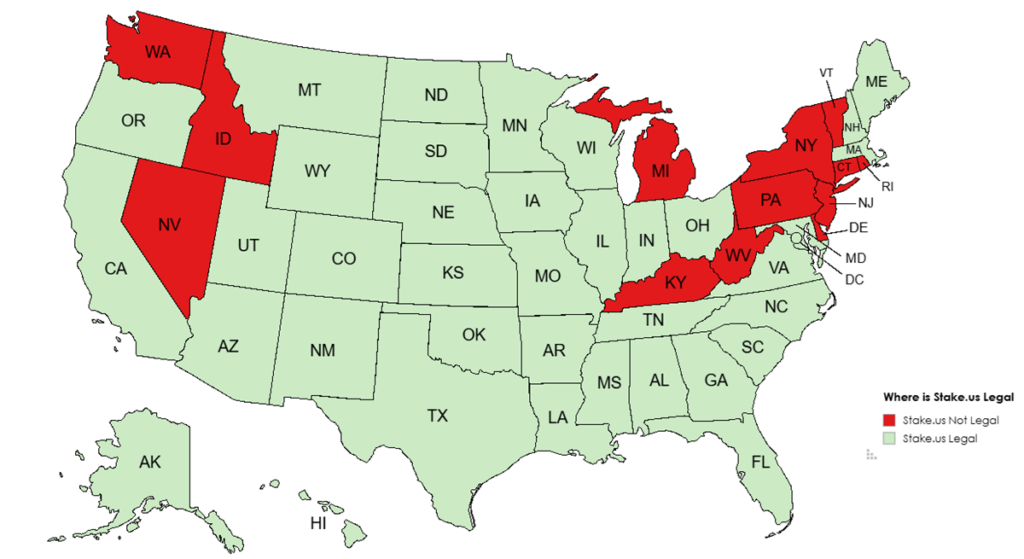
When it comes to online casino gambling, including platforms like Stake, the legal situation in Texas is unambiguous: it is generally illegal. Texas law broadly prohibits gambling that is not specifically authorized by state statutes. This prohibition extends to online casinos, poker rooms, and sports betting platforms operating over the internet, regardless of whether they accept traditional currency or cryptocurrencies.
The legal framework considers engaging in unauthorized online gambling, even from a personal device within the state, as an illegal activity. While the enforcement priority might often be on the operators of such platforms, individuals participating can also face legal repercussions. For travelers, this means that even if they hail from a state or country where Stake or similar platforms are legal, accessing and using these services while physically present in Texas could put them in violation of local laws. This is particularly relevant for those on extended stays, such as digital nomads, who might typically integrate online gaming into their leisure lifestyle. The use of virtual private networks (VPNs) to circumvent geographical restrictions is also often a violation of the terms of service of these platforms and does not negate the illegality under Texas jurisdiction. Therefore, for anyone traveling to or residing in Texas, it’s essential to understand and respect these strict prohibitions regarding online gambling platforms.
How Gambling Laws Impact Travel and Lifestyle Choices in Texas
The stringent gambling laws in Texas profoundly shape the travel and tourism industry within the state, influencing everything from visitor expectations to the types of accommodations and leisure activities available. Unlike states such as Nevada or Louisiana, where casino resorts are major tourist magnets, Texas has cultivated a different kind of allure.
Tourist Expectations and Entertainment
Travelers often plan their destinations based on the available entertainment options. For many, a vacation might involve the excitement of a casino floor, the thrill of sports betting, or the convenience of online gaming from their hotel room. In Texas, these expectations must be recalibrated. Tourists seeking extensive casino experiences will find limited options, primarily confined to the few tribal establishments mentioned earlier. This means the typical “Vegas-style” resort experience is not a prominent feature of the Texas tourism landscape.
Instead, visitors to Texas are encouraged to embrace a different kind of entertainment. The state excels in live music, particularly in Austin, offering a vibrant nightlife. Its culinary scene, from authentic Tex-Mex to world-famous barbecue, provides a sensory adventure. Professional sports are a massive draw, with major teams in Dallas, Houston, and San Antonio. Historical landmarks, art museums, and outdoor adventures in its numerous parks offer rich, immersive experiences that transcend traditional gaming. For those accustomed to the digital convenience of platforms like Stake, the absence of such online avenues in Texas subtly nudges them towards engaging with the physical, cultural, and natural attractions the state legally offers.
Accommodation and Resort Experiences
The lack of widespread commercial gambling directly impacts the development and offerings of hotels, suites, resorts, and apartments across Texas. Unlike gaming-centric destinations where hotels often integrate sprawling casinos as their main attraction, Texas accommodations focus on other amenities and experiences to attract guests.
Luxury hotels like the Four Seasons Hotel Austin or The Post Oak Hotel at Uptown Houston emphasize high-end dining, opulent spas, fitness centers, and personalized service. Family-friendly resorts such as the JW Marriott San Antonio Hill Country Resort & Spa are renowned for their water parks, golf courses, and diverse recreational activities, creating self-contained destination experiences that do not rely on gambling. Business hotels like the Hyatt Regency Dallas focus on convention facilities, executive lounges, and strategic locations.
This emphasis means that booking a hotel in Texas is an opportunity to discover world-class amenities centered around relaxation, wellness, fine dining, or family fun, rather than the allure of gaming. For visitors, comparing accommodations involves looking at spa services, resort pools, culinary offerings, and proximity to local attractions, highlighting a different kind of luxury and entertainment in the state’s hospitality sector.
Lifestyle and Digital Nomads
For individuals embracing a digital nomad lifestyle or those planning long-term stays, the legality of online gaming platforms can be a significant factor in their choice of destination. A core aspect of the digital nomad ethos is often the flexibility to work and play from anywhere, which can include engaging in online leisure activities. In Texas, this aspect of their lifestyle would need adjustment.
Digital nomads or extended-stay visitors who typically enjoy online casino games or sports betting on platforms like Stake would find themselves restricted. This means their leisure time would naturally gravitate towards other legal forms of entertainment. For a long-term stay, this might involve exploring local culture more deeply, engaging in outdoor activities, joining community events, or leveraging the state’s vibrant arts scene. The lifestyle in Texas, particularly for those who frequently rely on digital entertainment, shifts towards physical engagement with the environment and local community. Understanding these nuances is crucial for budget travel planning, family trips, or even business stays, as it sets expectations for recreational pursuits outside of work.
Exploring Texas Beyond Traditional Gaming
Despite the restrictions on online gambling and commercial casinos, Texas remains an incredibly rich and diverse destination for travelers. The state’s appeal lies in its unique blend of history, culture, natural beauty, and modern urban sophistication, offering an abundance of experiences that cater to every type of tourist and lifestyle.
A Wealth of Attractions and Experiences
Texas boasts a remarkable variety of destinations, from bustling metropolitan centers to serene natural wonders, ensuring that visitors will find endless ways to fill their itineraries without needing to consider gaming.
-
Vibrant Cities:
- Austin: The “Live Music Capital of the World” is a hub for independent artists, gourmet food trucks, and a relaxed, bohemian vibe. Visitors can enjoy kayaking or paddleboarding on Lady Bird Lake, exploring the vibrant South Congress Avenue, or catching a show at a historic venue. Landmarks like the Lyndon B. Johnson Presidential Library and Museum offer a dive into history, while Zilker Park provides expansive green space for recreation.
- Dallas: A city of sophistication and Western charm, Dallas offers world-class shopping, a thriving arts district, and significant historical sites like the Sixth Floor Museum at Dealey Plaza. Its diverse culinary scene and professional sports teams provide ample entertainment.
- Houston: Home to Space Center Houston, the official visitor center for NASA’s Johnson Space Center, Houston is a center for science and innovation. It also boasts a thriving museum district, a diverse food scene, and beautiful parks.
- San Antonio: Rich in history and culture, San Antonio is famous for The Alamo and the picturesque San Antonio Riverwalk, lined with shops, restaurants, and historic missions.
-
Natural Landmarks and Outdoor Adventures:
- Big Bend National Park: A remote and stunning wilderness on the U.S.-Mexico border, offering dramatic desert landscapes, mountain ranges, and the Rio Grande for hiking, rafting, and stargazing.
- Guadalupe Mountains National Park: Home to the four highest peaks in Texas, this park is a hiker’s paradise with diverse ecosystems and stunning canyons.
- Gulf Coast Beaches: Galveston Island offers historic charm, sandy beaches, and Moody Gardens, while South Padre Island and Padre Island National Seashore provide pristine shores, wildlife viewing, and water sports opportunities.
-
Cultural and Culinary Tourism: No trip to Texas is complete without indulging in its world-renowned culinary delights, especially authentic Texas BBQ and Tex-Mex cuisine. The state also hosts numerous rodeos, music festivals, and art events throughout the year, celebrating its unique heritage and vibrant contemporary culture. These experiences offer immersive ways to understand local culture and create unforgettable memories, proving that entertainment certainly doesn’t require a casino.

The Future of Gaming and Travel in Texas
While the current legal framework is clear regarding platforms like Stake, the conversation around expanding gambling in Texas is ongoing. There have been repeated legislative efforts to introduce commercial casinos and legalize sports betting, driven by the potential for significant state revenue and the desire to keep gambling dollars within Texas rather than seeing residents travel to neighboring states.
Should these efforts succeed in the future, it could dramatically reshape the travel and tourism landscape. The introduction of large-scale casino resorts could lead to new luxury accommodation options, diverse entertainment complexes, and a different type of tourist demographic. This would, in turn, influence investment in hotels, resorts, and related tourism infrastructure, potentially offering new job opportunities and boosting local economies. However, for now, these remain speculative future possibilities. Travelers planning their trips to Texas should base their expectations on the current legal reality, which firmly places the state’s tourism focus on its existing, rich tapestry of culture, history, and natural beauty.
In conclusion, for those asking “Is Stake legal in Texas?”, the answer is a straightforward no. Online casino gambling, including cryptocurrency platforms, is prohibited under current Texas law. This legal stance influences the state’s tourism and lifestyle offerings, encouraging visitors to explore the myriad of legal and enriching experiences available. From world-class dining and vibrant music scenes to breathtaking national parks and historic landmarks, Texas provides a wealth of travel adventures and unique lifestyle choices that need no roll of the dice to be thoroughly enjoyed. Understanding these regulations ensures a compliant and fully enjoyable journey through the Lone Star State.
LifeOutOfTheBox is a participant in the Amazon Services LLC Associates Program, an affiliate advertising program designed to provide a means for sites to earn advertising fees by advertising and linking to Amazon.com. Amazon, the Amazon logo, AmazonSupply, and the AmazonSupply logo are trademarks of Amazon.com, Inc. or its affiliates. As an Amazon Associate we earn affiliate commissions from qualifying purchases.