
The question of whether Texas A&M University is a military school is one that sparks immediate interest and often reveals a fascinating misconception. For many outside of Texas or those unfamiliar with its rich history, the image of uniformed students and a disciplined environment might lead one to believe that Texas A&M operates exclusively as a military academy. However, the reality is far more nuanced and speaks to a unique blend of tradition, academic excellence, and a vibrant community spirit that sets it apart from institutions like West Point or the Naval Academy.
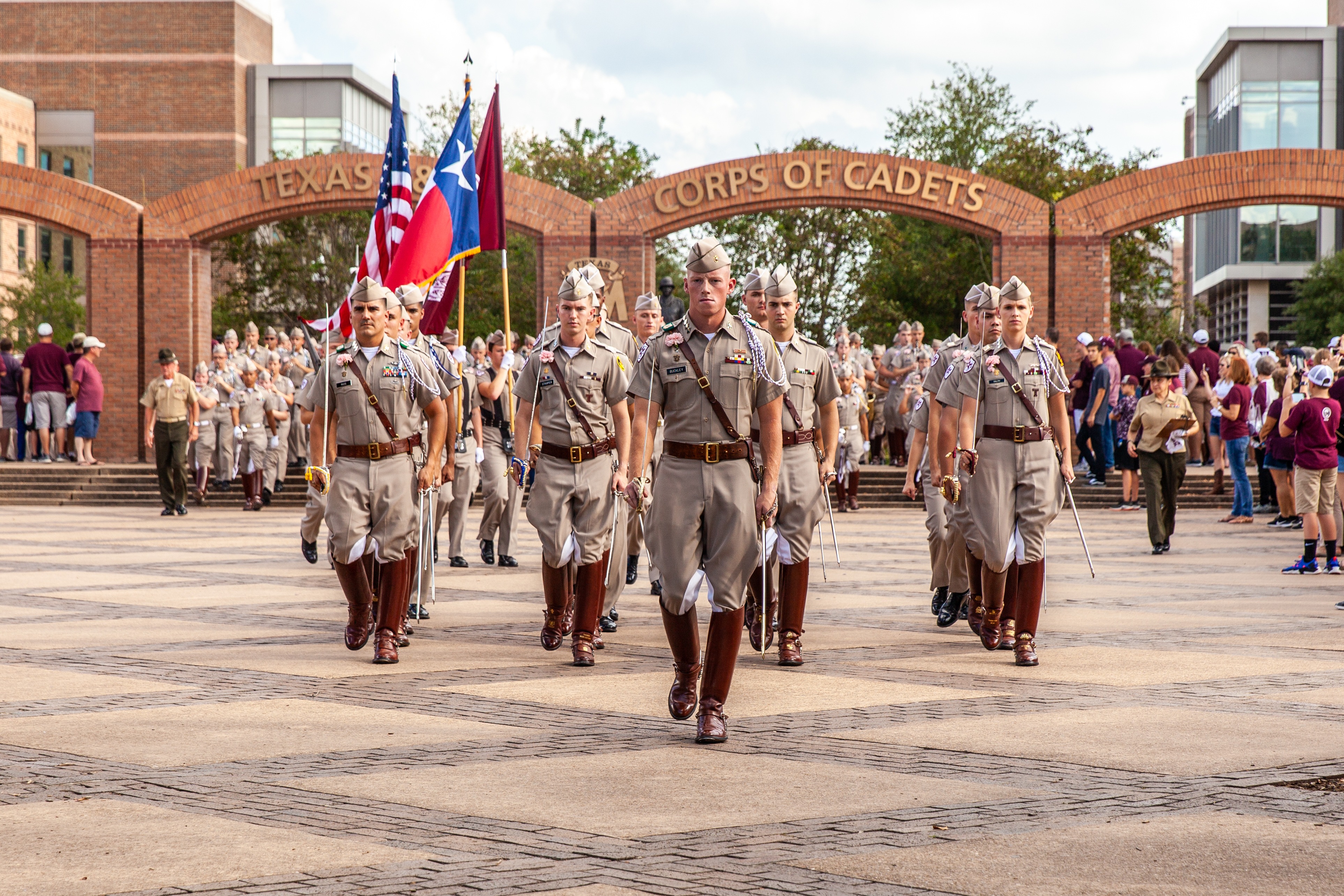
While military heritage is undeniably a cornerstone of the university’s identity, Texas A&M is, first and foremost, a comprehensive public research university. It boasts an expansive range of academic programs, from engineering and agriculture to liberal arts and business, serving a diverse student body of tens of thousands. Its military component, the renowned Corps of Cadets, is a voluntary program, offering a unique leadership development experience within a much larger civilian institution. Understanding this distinction is key to truly appreciating what makes Texas A&M an extraordinary place, whether you’re considering it for education, a visit, or simply curious about its compelling legacy.
A Rich Heritage: The Military Roots of Texas A&M
To properly address the question, one must delve into the origins of Texas A&M. Established in 1876 as the Agricultural and Mechanical College of Texas, it was initially a land-grant institution under the Morrill Act of 1862. This act mandated that colleges receiving federal land grants offer instruction in military tactics, in addition to agriculture and mechanical arts. Consequently, military training was compulsory for all able-bodied male students from its inception. This foundational requirement ingrained a strong sense of discipline, leadership, and service into the very fabric of the university.
For many decades, the military aspect was central to student life. Uniforms were standard attire, and students participated in drills and military exercises as part of their daily routine. This strict, structured environment produced leaders who went on to serve with distinction in various conflicts, from World War I and II to more recent engagements. The reputation for producing well-trained officers and disciplined citizens grew, solidifying the perception of Texas A&M as a military school in the public consciousness.
However, significant changes began in the mid-20th century. Following World War II, the demand for higher education expanded dramatically, and universities across the United States began to broaden their curricula. In 1963, the university officially changed its name to Texas A&M University, reflecting its evolution into a diversified institution offering a wide array of fields beyond its original focus. Crucially, in 1965, military training became voluntary for students, marking a pivotal shift away from a fully military-mandated institution.
Despite this change, the legacy of service and the military tradition did not disappear. Instead, it was preserved and championed by the Corps of Cadets, which continued to thrive as a unique, self-selected group within the university. Today, Texas A&M is recognized as a Sea-Grant and Space-Grant institution, reflecting its broad research capabilities and contributions to various scientific and academic fields, far beyond its initial military-focused mandate.
The Modern Corps of Cadets: A Voluntary Path to Leadership
The Corps of Cadets at Texas A&M is arguably the most visible embodiment of the university’s military heritage. It is one of the largest uniformed student bodies in the nation outside of the federal service academies. However, participation is entirely voluntary, and only a fraction of Texas A&M’s vast student population chooses this path.
What is the Corps of Cadets?
It is a highly disciplined, leadership-focused program designed to develop character, responsibility, and teamwork. Cadets live together in dormitories, wear uniforms, and adhere to a strict daily schedule that includes physical training, leadership exercises, and academic pursuits. Many cadets pursue commissions as officers in the United States armed forces upon graduation, but this is not a requirement for joining the Corps. A significant number of cadets go on to leadership roles in the private sector, government, and various other professions. The program instills values that are highly sought after by employers, regardless of whether a military career is pursued.
The Corps plays a significant role in upholding many of the cherished Aggie traditions. From marching at football games at Kyle Field to participating in solemn ceremonies like Aggie Muster, the cadets are often at the forefront of events that define the Aggie Spirit. Their presence ensures that the university’s historical commitment to service and leadership remains a living, breathing part of campus life.
Beyond the Corps: A Comprehensive University Experience

While the Corps of Cadets receives considerable attention, it’s crucial to remember that the vast majority of Texas A&M students are civilian. These students pursue degrees across more than 130 undergraduate and 260 graduate programs, engaging in a wide array of academic, research, and extracurricular activities. The university is consistently ranked among the top public institutions for its academic rigor, research output, and value.
The campus at College Station is a bustling hub of intellectual activity and social engagement. Students participate in thousands of organizations, from academic clubs and service groups to fraternities, sororities, and intramural sports. The athletic programs, particularly football, generate immense excitement and loyalty, drawing tens of thousands of fans to campus on game days. The iconic Kyle Field is a landmark in itself, a testament to the passionate Aggie fan base.
The Aggie Spirit: This intangible yet powerful force permeates every aspect of Texas A&M life. It’s a sense of camaraderie, loyalty, and a commitment to service that extends far beyond graduation. Unique traditions like the “Gig ‘Em” thumbs-up, the Aggie Ring, and the famous “12th Man” tradition at football games contribute to a strong, cohesive community that supports one another for life. Even those who are not part of the Corps are deeply connected to this spirit, which emphasizes leadership, integrity, and a dedication to improving the world. The beloved mascot, Reveille, a purebred Rough Collie, is another iconic symbol of this enduring spirit, representing the loyalty and dignity of the Aggie family.
Planning Your Visit: Exploring Aggieland
For travelers and prospective students alike, visiting Texas A&M and the surrounding College Station-Bryan area offers a fascinating blend of history, tradition, and modern amenities. Whether you’re interested in the university’s military past, its vibrant academic present, or simply looking for a lively college town experience, there’s much to explore.
Campus Landmarks and Attractions
The university campus itself is a major attraction, rich with history and impressive architecture.
- The George Bush Presidential Library and Museum: This significant landmark houses the papers, artifacts, and legacy of the 41st U.S. President, George H.W. Bush. It offers insightful exhibits on American history, foreign policy, and the life of the Bush family.
- Kyle Field: One of the largest stadiums in the United States, Kyle Field is an essential stop, particularly on game days when the atmosphere is electric. Even outside of game season, tours are often available.
- Memorial Student Center (MSC): More than just a student union, the MSC is considered a living memorial to Aggies who have died in service. It hosts various events, art exhibitions, and houses numerous student services. Visitors should always observe the tradition of respectful silence when passing through its hallowed halls.
- Bonfire Memorial: A poignant and thoughtfully designed memorial dedicated to the 12 Aggies who died in the 1999 Bonfire collapse. It’s a place for reflection and understanding the depth of the Aggie Spirit.
- The Academic Building: An iconic architectural centerpiece of the campus, showcasing the university’s enduring history.
Beyond the university grounds, College Station and its twin city, Bryan, offer a host of attractions. The historic downtown Bryan district features charming shops, art galleries, and diverse dining options. Northgate, adjacent to the campus, is a popular entertainment district with lively bars and restaurants, catering to both students and visitors. For shopping, Post Oak Mall provides a range of retail experiences, while the newer Century Square development offers a more upscale blend of dining, shopping, and entertainment.
Accommodation and Lifestyle in Aggieland
For those planning an extended stay or a weekend getaway to experience Aggieland, College Station and Bryan provide a wide range of accommodation options to suit various preferences and budgets. Whether you’re seeking luxury resorts, comfortable hotel suites, or a cozy apartment for a longer visit, the area has you covered.
- Luxury and Boutique Hotels: For a premium experience, consider properties like The Stella Hotel or Cavalry Court, both part of the Century Square development. These hotels offer upscale amenities, stylish design, and convenient access to dining and entertainment. The George is another excellent boutique option, known for its sophisticated ambiance and prime location.
- Mid-Range and Family-Friendly Options: Numerous well-known hotel chains, such as the Hilton College Station and various Marriott and Hyatt properties, provide reliable comfort and a range of amenities suitable for families or business travelers. Many offer pools, fitness centers, and complimentary breakfast.
- Budget-Friendly Stays: For those on a tighter budget, there are ample motels and extended-stay options throughout College Station and Bryan, offering clean and convenient lodging without compromising on essential comforts.
- Vacation Rentals: For longer stays or larger groups, exploring vacation rentals through platforms like Airbnb or VRBO can provide a more home-like experience, often with full kitchens and multiple bedrooms, ideal for family trips or those attending multi-day events.
The local cuisine in College Station and Bryan reflects the diverse culture of Texas, from classic barbecue joints and Tex-Mex eateries to upscale dining and international flavors. The thriving arts scene, supported by organizations like MSC OPAS which brings world-class performing artists to campus, adds another layer to the local lifestyle. Weekend markets, local breweries, and outdoor activities like hiking and fishing in nearby parks ensure there’s always something to do, embodying a dynamic lifestyle that perfectly blends traditional values with modern entertainment. The ease of access from major Texan cities like Houston, Dallas, Fort Worth, Austin, and San Antonio also makes Aggieland an accessible travel destination.

Conclusion: A Unique Blend of Past and Present
So, is Texas A&M a military school? The answer is both yes and no, but primarily no in the traditional sense of a service academy. It is a comprehensive public university with a profound and cherished military heritage, upheld by its distinguished Corps of Cadets. This voluntary program, while significant, represents only a portion of the student body and contributes to the unique character of the institution rather than defining its entirety.
Texas A&M offers a full spectrum of academic pursuits, research opportunities, and a vibrant campus life that caters to tens of thousands of students pursuing diverse dreams. Its history, deeply intertwined with military discipline and service, has fostered an exceptional culture of leadership, integrity, and community—the revered Aggie Spirit—that is felt by all who pass through its gates. Whether you are a prospective student, an alumnus, a parent, or a curious traveler, a visit to College Station will quickly reveal that Texas A&M University is a place where tradition meets innovation, and where a proud past informs a dynamic present, offering an unparalleled experience in education, travel, and lifestyle.
LifeOutOfTheBox is a participant in the Amazon Services LLC Associates Program, an affiliate advertising program designed to provide a means for sites to earn advertising fees by advertising and linking to Amazon.com. Amazon, the Amazon logo, AmazonSupply, and the AmazonSupply logo are trademarks of Amazon.com, Inc. or its affiliates. As an Amazon Associate we earn affiliate commissions from qualifying purchases.