
The vast expanse of the Lone Star State often conjures images of cowboys, oil rigs, and a staunchly conservative political landscape. For many outsiders, the notion of Texas being anything but a Republican stronghold seems contradictory to its deep-rooted identity. Yet, beneath the surface of its enduring red state reputation, a complex and dynamic political narrative is unfolding, challenging preconceived notions and reflecting the state’s incredible diversity in demographics, economy, and lifestyle. This evolving identity is not just a matter of political discourse; it profoundly influences the state’s culture, its vibrant cities, its welcoming nature for travelers, and its appeal as a place to live, work, and explore.

For those planning to visit, considering a relocation, or simply intrigued by the ever-changing face of America, understanding the political nuances of Texas offers a deeper appreciation for its multifaceted character. It reveals a state that is simultaneously traditional and progressive, rural and urban, unified in its pride yet diverse in its perspectives. Far from being a monolithic entity, Texas is a fascinating tapestry woven with threads of different political colors, each contributing to its unique charm and a spectrum of experiences for every visitor.
The Lone Star State’s Political Tapestry: Beyond a Simple Label
To answer whether Texas is a Democratic state requires looking beyond election headlines and into the very fabric of its communities. While statewide elections often lean Republican, a closer examination reveals significant pockets of Democratic strength, particularly in its sprawling urban centers. This dichotomy is a defining feature of modern Texas, creating a fascinating contrast between its conservative heartland and its increasingly liberal metropolitan cores.
A Historical Overview: The Red State Narrative
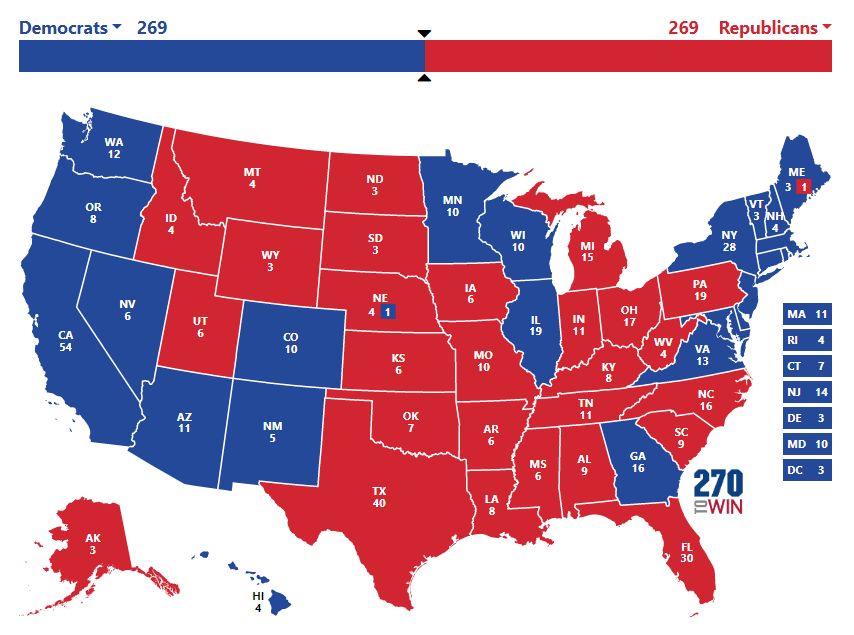
Historically, Texas was a Democratic stronghold for decades following the Civil War, though this was largely due to the “Solid South” phenomenon, where the Democratic Party was the dominant political force in the post-Reconstruction South. However, the mid-20th century saw a dramatic political realignment. As the national Democratic Party embraced civil rights legislation, many conservative white voters in the South, including Texas, began to shift their allegiance to the Republican Party. This transformation solidified in the late 20th and early 21st centuries, firmly establishing Texas as a prominent red state, known for its conservative policies on issues ranging from gun rights to energy regulation. This historical narrative has shaped the state’s global perception, often leading travelers and potential residents to anticipate a uniformly conservative environment. Yet, this perception is increasingly outdated, especially when considering the dynamic evolution of its major cities.
Urban Blue Dots in a Red Sea: Major Cities as Democratic Strongholds
Despite the statewide lean, Texas’ major metropolitan areas stand out as vibrant blue enclaves. These cities are not just economic powerhouses but also cultural melting pots, attracting diverse populations from across the United States and the world. Their progressive leanings are reflected in their local governance, public policies, and the overall lifestyle they offer.
-
Houston: The Diverse Giant: As the most populous city in Texas and one of the most diverse cities in the U.S., Houston is a Democratic bastion. Its diverse economy, fueled by the energy industry, healthcare (home to the world-renowned Texas Medical Center), and aerospace (with Space Center Houston), attracts a global workforce. This diversity is mirrored in its culinary scene, arts, and culture, making it a fascinating destination for travelers seeking authentic experiences. Accommodation options range from luxury stays like The Post Oak Hotel at Uptown Houston to boutique hotels in its vibrant neighborhoods, catering to a wide array of preferences.
-
Dallas: The Economic Engine: Dallas, a significant financial and business hub, also exhibits strong Democratic tendencies, particularly in its urban core. Its sophisticated arts scene, upscale shopping districts, and thriving professional services sector draw a diverse and often more liberal population. Travelers can explore the Dallas Arts District, relax at Klyde Warren Park, and enjoy world-class dining. The city offers an extensive selection of hotels, from high-rise business accommodations to elegant resorts, ensuring comfort for both leisure and business travelers.
-
Austin: The Progressive Capital: Often dubbed “Keep Austin Weird,” the state capital is an undeniable liberal stronghold. Known for its live music scene, burgeoning tech industry (Silicon Hills), and outdoor activities, Austin attracts a younger, more progressive demographic. The city embodies a laid-back, inclusive lifestyle that is a stark contrast to some of the more traditional images of Texas. Visitors flock to Sixth Street for entertainment, cool off at Barton Springs Pool, and explore its countless food trucks. Austin’s accommodation choices reflect its unique vibe, with everything from funky boutique hotels to eco-friendly resorts.
-
San Antonio: History and Heritage: While perhaps less overtly progressive than Austin or Houston, San Antonio also leans Democratic, largely due to its significant Hispanic population and rich cultural heritage. The city’s deep history, epitomized by The Alamo and the enchanting River Walk, provides a unique cultural experience that blends Texan, Mexican, and Spanish influences. Historic hotels and charming inns along the river offer an atmospheric stay for those delving into the city’s past and present.
These urban centers represent a significant portion of the Texas population and economy, and their distinctly Democratic leanings complicate any simple categorization of the state. They offer diverse cultural experiences, thriving nightlife, and a wide range of accommodation options that appeal to travelers seeking modern, cosmopolitan adventures.
Demographics, Economy, and the Shifting Sands of Political Identity
The political evolution of Texas is not merely confined to its cities; it’s a statewide phenomenon driven by profound demographic changes and economic diversification. These shifts are continually reshaping the state’s identity, making it an increasingly fascinating case study for those interested in both political trends and the future of regional tourism and lifestyle.
The Impact of Population Growth and Diversity
Texas has experienced explosive population growth over the past few decades, driven by both domestic migration from other U.S. states and international immigration, particularly from Mexico and Latin America. This influx has dramatically altered the state’s demographic makeup. The Hispanic population is now the largest demographic group in Texas, and their growing political engagement is a crucial factor in the state’s leftward shift. Younger generations, regardless of ethnicity, also tend to lean more liberal, further contributing to this trend.
This demographic richness is a huge draw for travelers interested in cultural immersion. From vibrant Cinco de Mayo celebrations to authentic Tex-Mex cuisine found in every corner of the state, the cultural contributions of diverse communities create a more enriching and varied travel experience. It means that whether you’re looking for unique food tours, historical explorations, or contemporary art scenes, Texas offers a depth of experiences influenced by its truly multicultural populace.
Economic Diversification and Lifestyle Choices
While oil and gas remain integral to the Texas economy, the state has successfully diversified its economic base. The rise of the tech sector, particularly in Austin’s Silicon Hills, and the prominence of medical research and healthcare in Houston and Dallas, have attracted a new wave of professionals. These industries tend to draw a workforce that is generally younger, highly educated, and often more progressive in their political outlook.
This economic transformation has also influenced lifestyle choices and travel patterns. The demand for modern amenities, diverse entertainment options, and sustainable practices in urban areas has led to a boom in luxury travel, boutique hotels, and innovative dining experiences. Business travelers find world-class conference facilities and hotels, while leisure travelers can indulge in high-end shopping or explore cutting-edge museums. The shift from a purely resource-based economy to one driven by technology and innovation has made Texas a hub for contemporary lifestyle trends, appealing to a broader demographic of visitors and residents who seek dynamism and variety.
Exploring Texas: Diverse Experiences for Every Traveler and Resident
The political and demographic complexity of Texas translates into an incredibly rich and varied experience for anyone visiting or considering a long-term stay. The state offers everything from bustling urban adventures to serene natural retreats, ensuring that every type of traveler – whether seeking luxury, budget-friendly options, family fun, or business convenience – finds their ideal destination.
Urban Adventures and Cultural Hotspots
The major cities, with their Democratic leanings and diverse populations, are epicenters of culture, innovation, and entertainment. They provide a stark contrast to the traditional “cowboy” image, offering sophisticated experiences for the modern traveler.
-
Houston: Beyond the Space Center Houston, its thriving Museum District boasts institutions like the Museum of Fine Arts and the Houston Museum of Natural Science. The city’s food scene is a global culinary journey, from award-winning fine dining to authentic ethnic eateries. For accommodation, the Post Oak Hotel at Uptown Houston offers unparalleled luxury, while numerous other hotels cater to various budgets and styles across its diverse neighborhoods.
-
Dallas: The Dallas Arts District is home to world-class venues such as the Dallas Museum of Art and the Winspear Opera House. Shoppers will delight in upscale boutiques and major retail centers. Klyde Warren Park, built over a freeway, is a testament to urban revitalization, offering green space and events. Dallas excels in providing elegant hotels suitable for both leisure and business, from iconic downtown establishments to stylish options in areas like Uptown.
-
Austin: The “Live Music Capital of the World” offers countless venues showcasing everything from blues and country to indie rock, especially along Sixth Street. Outdoor enthusiasts can enjoy kayaking on Lady Bird Lake or swimming at Barton Springs Pool. The city is a mecca for foodies, particularly known for its BBQ and food truck culture. Accommodation ranges from trendy boutique hotels and hostels to well-appointed resorts, often with a focus on sustainable practices.
-
San Antonio: A journey through history, San Antonio invites visitors to explore The Alamo and the chain of Spanish Colonial Missions, a UNESCO World Heritage Site. The picturesque River Walk is lined with shops, restaurants, and hotels, offering boat tours and vibrant nightlife. The city’s rich Hispanic heritage is celebrated in its festivals, cuisine, and art. Historic hotels and charming bed-and-breakfasts provide an immersive experience of the city’s unique blend of cultures.

Beyond the Cities: Rural Charm and Natural Beauty
Away from the urban blue dots, the vast rural areas of Texas largely remain conservative and offer a different kind of travel experience. This is where the quintessential Lone Star State image of wide-open spaces, ranches, and small-town charm truly comes alive.
-
Texas Hill Country: This scenic region, known for its rolling hills, limestone cliffs, and crystal-clear rivers, is home to a burgeoning wine industry, charming small towns like Fredericksburg, and opportunities for outdoor activities such as hiking, swimming, and kayaking. It’s perfect for romantic getaways, family trips, or a serene escape. Accommodation includes charming bed and breakfasts, vacation rentals, and rustic cabins.
-
Big Bend National Park: In West Texas, bordering Mexico, lies Big Bend National Park, a remote and rugged wilderness offering unparalleled opportunities for stargazing, hiking, and exploring vast desert landscapes. It embodies the wild spirit of Texas and is a must-visit for nature lovers and adventurers. Accommodation in this region leans towards rustic lodges, campgrounds, and independent motels in nearby towns, catering to those seeking an authentic outdoor experience.
These rural destinations cater to travelers looking for tranquility, adventure, and a connection to nature, offering a contrasting yet equally valid view of the Texas lifestyle.
In conclusion, asking “Is Texas a Democratic state?” elicits a nuanced answer. While statewide politics continue to lean Republican, the undeniable Democratic strength in its major cities, fueled by a diverse and growing population and a diversifying economy, paints a picture of a state in dynamic transition. This complexity is not just a political talking point; it enriches the state’s cultural landscape, enhances its appeal as a global travel destination, and offers a remarkable range of lifestyle choices for residents. Whether you are drawn to the cosmopolitan energy of its blue cities or the rugged individualism of its red heartland, Texas offers a spectrum of authentic experiences, making it a truly unique and evolving place to explore. Its political identity is an ongoing conversation, much like its endless opportunities for discovery.
LifeOutOfTheBox is a participant in the Amazon Services LLC Associates Program, an affiliate advertising program designed to provide a means for sites to earn advertising fees by advertising and linking to Amazon.com. Amazon, the Amazon logo, AmazonSupply, and the AmazonSupply logo are trademarks of Amazon.com, Inc. or its affiliates. As an Amazon Associate we earn affiliate commissions from qualifying purchases.