
Absolutely, Texas is a “Right-to-Work” state, a designation that has profoundly shaped its economic landscape, business environment, and even the very fabric of its travel and tourism industry. For anyone considering a visit, a business venture, or even a long-term stay in the Lone Star State, understanding what this means is crucial. It’s not just a legal technicality; it’s a foundational element influencing everything from the competitive pricing of a luxury hotel suite in Houston to the booming job market attracting new residents and, by extension, their families and friends who come to explore the state’s vibrant destinations.
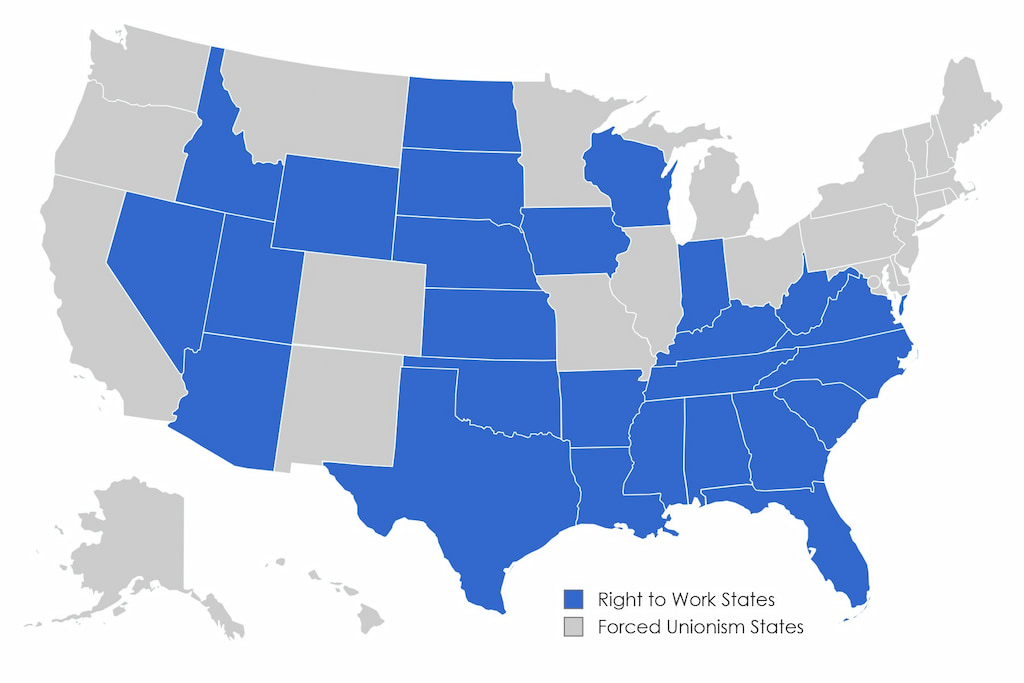
This status positions Texas as an attractive hub for investment, job creation, and overall economic growth, making it a dynamic destination for travelers and a compelling prospect for businesses looking to expand. From the bustling metropolitan areas of Dallas and Austin to the serene landscapes of the Hill Country and the historic charm of San Antonio, the Right-to-Work status underpins many of the opportunities and experiences available. It plays a subtle yet significant role in the state’s appeal, fostering an environment where both businesses and individuals can thrive, contributing to a diverse and welcoming atmosphere for all who visit or choose to call Texas home.
Understanding Right-to-Work: The National Context
To fully grasp the significance of Texas’ Right-to-Work status, it’s essential to first understand the national framework and what this designation truly entails. It’s a concept that often sparks debate, but at its core, it champions individual worker freedom and aims to foster a pro-business environment.
What Does “Right-to-Work” Truly Mean?
In essence, “Right-to-Work” laws protect employees from being compelled to join a labor union or pay union dues or fees as a condition of employment. This means that in a Right-to-Work state like Texas, an individual can secure and maintain a job in a unionized workplace without becoming a union member or financially supporting the union. Conversely, in non-Right-to-Work states, employees in unionized workplaces may be required to join the union or at least pay an agency fee (a portion of union dues that covers the cost of collective bargaining) as a condition of their employment.
The fundamental principle behind Right-to-Work legislation is to prevent compulsory unionism, ensuring that an individual’s right to work is not contingent on their association with a labor organization. Proponents argue that this promotes individual liberty, reduces the power of unions, and encourages economic growth by making states more attractive to businesses seeking to avoid potentially higher labor costs or restrictive union contracts. For travelers and those interested in accommodation, this can indirectly influence the overall economic health and competitiveness of services, from the pricing of hotel rooms to the efficiency of local tourism operations.
A Brief History: The Taft-Hartley Act and Beyond
The origins of Right-to-Work laws in the United States can be traced back to the post-World War II era, specifically with the passage of the Labor Management Relations Act of 1947, more commonly known as the Taft-Hartley Act. This landmark federal legislation amended the earlier National Labor Relations Act of 1935 (Wagner Act) and included a crucial provision: Section 14(b).
Section 14(b) of the Taft-Hartley Act grants individual states the authority to enact their own laws prohibiting agreements that require union membership as a condition of employment. This means that while federal law permits union security clauses (where workers must join a union or pay dues), it also allows states to ban them. Without this specific provision, states would not have the legal standing to implement Right-to-Work legislation.
Following the passage of the Taft-Hartley Act, many states, particularly in the South and Southwest, began to adopt Right-to-Work laws. Texas was among the early adopters, implementing its first Right-to-Work statute in 1947, shortly after the federal act was passed. This historical context underscores a long-standing commitment in Texas to a business and individual-centric approach to labor relations, an approach that continues to shape its economic policies and, by extension, its attractiveness as a destination for both tourism and business. This legislative framework creates a predictable and often lower-cost operating environment for businesses, from small local shops catering to tourists to large hotel chains and resort developers, indirectly influencing the affordability and variety of offerings travelers encounter.
Texas and the Right-to-Work Advantage
For decades, Texas’ Right-to-Work status has been touted as a significant factor in its remarkable economic prosperity and resilience. It’s an advantage that extends beyond mere labor relations, permeating the state’s ability to attract diverse industries, foster job creation, and become a magnet for talent and investment, all of which directly or indirectly enhance its appeal for travel and tourism.
Economic Implications for the Lone Star State
The economic impact of Texas’ Right-to-Work status is broad and far-reaching. One of the most frequently cited benefits is its contribution to a highly competitive business climate. Companies often view Right-to-Work states as more favorable for operations due to the potential for lower labor costs and greater flexibility in workforce management, as they are not bound by stringent union agreements that might dictate wages, benefits, or work rules. This perceived ease of doing business encourages companies to relocate or expand within the state.
This influx of businesses, from manufacturing and technology to energy and healthcare, translates directly into robust job growth. Texas has consistently ranked among the top states for job creation, attracting a diverse workforce eager for opportunity. This burgeoning employment market fuels population growth, leading to increased demand for housing, services, and amenities – all components that contribute to a vibrant economy that can support a thriving tourism sector. More residents mean more local spending, more local businesses to visit, and more reasons for friends and family to travel to Texas. Furthermore, the stable economic environment often results in state and local governments having more resources to invest in infrastructure, from improved roadways connecting major cities to the development of new attractions and the beautification of public spaces, making the state more accessible and enjoyable for visitors.
A Magnet for Businesses and Talent
Texas’ Right-to-Work environment, combined with its favorable tax policies and strategic geographic location, has made it a premier destination for corporate relocations and expansions. Major corporations across various sectors have chosen to establish significant operations, headquarters, or distribution centers in cities like Dallas-Fort Worth, Houston, and Austin. This phenomenon creates a dynamic ecosystem of business travel, as employees, clients, and partners frequently visit these corporate hubs.
The presence of these companies, ranging from tech giants in Austin’s “Silicon Hills” to energy powerhouses in Houston, attracts a highly skilled and diverse talent pool. Professionals from across the United States and beyond are drawn to Texas by the promise of career advancement and a high quality of life. This influx of talent not only strengthens the state’s workforce but also enriches its cultural fabric. These new residents often bring with them a desire to explore their new home state, becoming domestic tourists themselves, seeking out local attractions, restaurants, and unique experiences. Their presence also boosts demand for short-term accommodation for visiting friends and family, and long-term stays for those new to the area. The collective result is a continually growing and diversifying economy that robustly supports the hospitality, travel, and tourism sectors, offering a wider array of services and experiences to both residents and visitors.
How Right-to-Work Shapes the Texas Travel and Tourism Experience
The Right-to-Work status of Texas has a tangible, though often unseen, impact on the state’s vibrant travel and tourism experience. From the operational dynamics of hotels and resorts to the overall economic climate supporting local attractions, this designation plays a role in shaping the services and experiences available to visitors.
Impact on the Hospitality Sector: Hotels, Resorts, and Services
In a Right-to-Work state, the hospitality sector, encompassing hotels, resorts, restaurants, and other service providers, benefits from greater flexibility in managing its workforce. This environment typically leads to more competitive labor costs for businesses, as they are not subject to the often higher wage and benefit structures that can result from strong union contracts. For travelers, this can translate into more competitively priced accommodation options, from budget-friendly motels to luxury suites in Houston or boutique hotels in Austin. The cost savings realized by hotels might also be reinvested into enhancing guest amenities, updating facilities, or expanding service offerings, ultimately improving the overall guest experience.
Furthermore, the reduced complexity sometimes associated with labor relations in Right-to-Work states can make Texas an attractive location for hotel developers and resort operators looking to build new properties. This encourages investment in the sector, leading to a greater variety of accommodation choices, from sprawling family resorts on the Gulf Coast to innovative urban hotels catering to business travelers in Dallas. While some might argue about the impact on individual worker wages, the overall effect for consumers is often a more diverse and affordable range of options, making Texas an accessible and appealing destination for all types of travelers, whether they’re seeking a quick weekend getaway or a luxurious, extended stay. The freedom of association also means that hotels can hire based on merit and individual performance, potentially leading to a highly motivated and service-oriented staff focused on delivering exceptional guest experiences.
Boosting Local Economies and Attractions
The economic growth spurred by Texas’ Right-to-Work status directly contributes to the vitality of its local economies and the development of its numerous attractions. A flourishing business environment, characterized by job creation and inward investment, translates into increased tax revenues for cities and counties. These revenues are often crucial for funding public services, maintaining infrastructure, and investing in cultural institutions and tourist attractions.
Consider the vibrant cultural scenes in cities like San Antonio, home to the Alamo and the River Walk, or the world-class museums in Houston’s Museum District. The economic stability and growth facilitated by the Right-to-Work framework allow these cities to better support the upkeep, expansion, and promotion of these landmarks and experiences. New developments, like entertainment districts, sports arenas, and convention centers, are more readily funded and constructed when the overall economic outlook is strong and predictable.
For visitors, this means a wider array of well-maintained attractions, events, and activities to enjoy. It fosters a dynamic environment where local entrepreneurs are encouraged to open new restaurants, shops, and tour operations, adding to the authentic local culture and unique experiences available. Whether it’s exploring the historic sites, indulging in Texas BBQ, or enjoying a live music show in Austin, the underlying economic stability contributes to making these experiences accessible, diverse, and memorable for every type of tourist, solidifying Texas’ reputation as a premier travel destination.
Lifestyle and Long-Term Stays in a Right-to-Work Environment
The implications of Texas’ Right-to-Work status extend beyond the immediate economic and tourism sectors, deeply influencing the lifestyle, opportunities, and attractiveness of the state for those considering long-term stays, relocation, or even digital nomadism.
The Cost of Living and Quality of Life Equation
One of the significant effects often attributed to Right-to-Work laws, alongside other pro-business policies, is a generally lower cost of living compared to many non-Right-to-Work states, particularly those with strong union presences. While this is a complex issue with many contributing factors, proponents argue that the downward pressure on labor costs can translate into more affordable goods and services across the board. For residents, this can mean more disposable income, enhancing their overall quality of life and potentially allowing for more leisure travel within Texas or beyond.
The strong job market, coupled with a relatively lower cost of living, makes Texas an appealing option for individuals and families seeking new opportunities and a higher standard of living. This attracts a continuous flow of new residents, creating diverse communities and stimulating further economic growth. For those considering long-term accommodation, whether renting an apartment in Fort Worth or purchasing a home near El Paso, the Right-to-Work environment can contribute to a more accessible housing market and a lower overall financial burden, allowing residents to enjoy the state’s amenities and vibrant lifestyle more fully. This balance of opportunity and affordability is a key draw for many who decide to make Texas their permanent home or even a temporary base for an extended period.

Attracting Digital Nomads and Business Travelers
In today’s globalized economy, the appeal of Texas’ Right-to-Work environment also extends to digital nomads and business travelers. For digital nomads seeking a base that offers a favorable business climate, abundant co-working spaces, and a lower cost of living, cities like Austin have become increasingly popular. The ease of starting a business, the availability of diverse talent, and the general pro-business ethos align well with the entrepreneurial spirit often found within the digital nomad community. Many find the flexibility and opportunities in Texas conducive to their independent work and lifestyle choices.
For traditional business travelers, Texas’ status as a Right-to-Work state directly influences the corporate landscape, leading to a proliferation of corporate headquarters, regional offices, and convention centers. This robust business infrastructure means frequent corporate events, conferences, and meetings, driving significant demand for business-friendly hotels, extended-stay accommodations, and efficient transportation networks. Cities like Houston and Dallas are consistently ranked among the top destinations for business travel in the United States, offering a wide array of luxury hotels, executive suites, and serviced apartments equipped with amenities catering specifically to the needs of the modern professional. The Right-to-Work environment, by fostering a dynamic and growing economy, ensures that Texas remains a prime destination for both innovative independent workers and established corporate entities, further cementing its position on the global map for both business and leisure.
In conclusion, Texas’ identity as a Right-to-Work state is more than just a legal classification; it’s a cornerstone of its economic philosophy, shaping its trajectory as a powerhouse for business, innovation, and, perhaps less overtly, as a premier destination for travel and lifestyle. This status underpins the state’s ability to attract significant investment, cultivate a robust job market, and offer a competitive environment for the hospitality and tourism sectors. For the discerning traveler, the burgeoning entrepreneur, or anyone considering a move, understanding this fundamental aspect of Texas illuminates the reasons behind its dynamic growth, diverse opportunities, and ever-evolving appeal, making it a truly unique and compelling place to explore, work, and live.
LifeOutOfTheBox is a participant in the Amazon Services LLC Associates Program, an affiliate advertising program designed to provide a means for sites to earn advertising fees by advertising and linking to Amazon.com. Amazon, the Amazon logo, AmazonSupply, and the AmazonSupply logo are trademarks of Amazon.com, Inc. or its affiliates. As an Amazon Associate we earn affiliate commissions from qualifying purchases.