
The question of whether a state can be considered a “sanctuary state” is one that often sparks passionate debate, particularly within the context of immigration policy and border security. While the term “sanctuary” in this political discourse typically refers to jurisdictions that limit their cooperation with federal immigration enforcement, its application to Texas, a state known for its vast landscapes, rich history, and vibrant culture, invites a nuanced exploration. This article will delve into the legal and practical interpretations of “sanctuary” in Texas, examining its implications for tourism and the visitor experience. It’s crucial to understand that the term itself is often politically charged and can be interpreted in various ways, none of which directly align with traditional travel or tourism definitions.

Understanding the Term “Sanctuary” in the Texas Context
The classification of a state as “sanctuary” or “non-sanctuary” predominantly stems from its stance on immigration enforcement and its policies regarding cooperation with federal agencies like U.S. Immigration and Customs Enforcement (ICE). This legal and political definition, however, rarely intersects with the conventional understanding of travel destinations. When we consider Texas through the lens of tourism, the concept of “sanctuary” becomes tangential, if not entirely irrelevant, to the experiences a visitor might seek.
Political and Legal Interpretations
Politically, a “sanctuary state” is generally understood as a state that has enacted policies to shield undocumented immigrants from federal deportation efforts. These policies can include restrictions on law enforcement sharing information about individuals’ immigration status with federal authorities or prohibitions on detaining individuals solely on ICE detainers. Texas, however, has largely pursued a different trajectory. The state has often been at the forefront of enforcing stricter immigration policies and has actively sought to increase cooperation with federal border patrol efforts. Governors and state officials in Texas have frequently emphasized border security and have taken actions that are antithetical to the typical definitions of “sanctuary” policies. Therefore, in the political and legal lexicon, Texas is generally not considered a “sanctuary state” but rather a state with a strong emphasis on border control and immigration enforcement.
Implications for Tourism and Visitor Perception
For the vast majority of travelers and tourists, the political designation of a state as “sanctuary” or “non-sanctuary” has little to no bearing on their travel plans or their experience within the state. Tourists visiting Texas are primarily interested in its world-class attractions, diverse cultural offerings, and unique experiences. They seek to explore the historic missions of San Antonio, witness the bustling energy of Austin‘s live music scene, marvel at the vastness of the Big Bend National Park, or delve into the rich cowboy heritage of Fort Worth. The legal nuances of immigration policy do not typically feature in their itineraries or shape their perceptions of the state’s hospitality.
Texas: A Destination of Diverse Attractions and Experiences
When we shift the focus from political labels to the tangible aspects of travel, Texas emerges as a premier destination offering an unparalleled spectrum of experiences. Its sheer size translates into an incredible diversity of landscapes, from the piney woods of East Texas to the arid beauty of West Texas, and the sun-drenched coastline along the Gulf of Mexico. This geographical variety underpins a rich tapestry of cultural influences, historical narratives, and recreational opportunities that attract millions of visitors annually.
Historical Significance and Landmarks
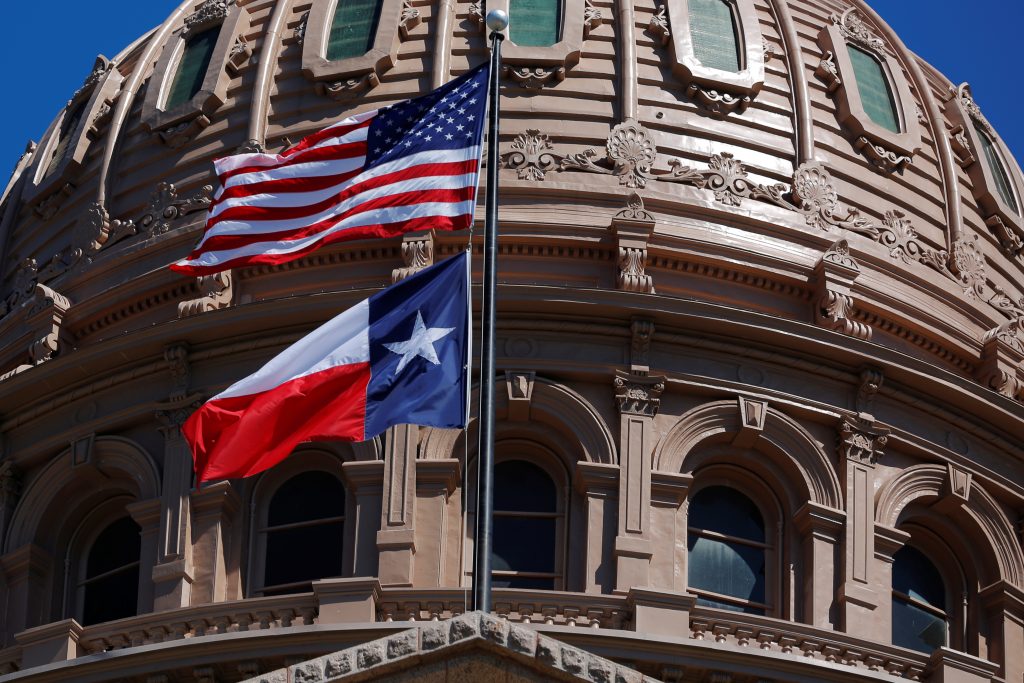
Texas boasts a deep and complex history, evident in its numerous landmarks and historical sites. The Alamo in San Antonio stands as an enduring symbol of courage and sacrifice, drawing visitors keen to connect with the state’s revolutionary past. The historic districts of cities like Galveston and New Orleans (though in a neighboring state, it influences the regional tourism landscape) showcase exquisite Victorian architecture, whispering tales of a bygone era. In Austin, the Texas State Capitol building, a magnificent example of Renaissance Revival architecture, offers a glimpse into the state’s governance and history. Exploring these sites provides a tangible connection to the events that shaped Texas, offering educational and enriching experiences for history enthusiasts.
Cultural Vibrancy and Local Flavors

The cultural landscape of Texas is as expansive as its geography. Influenced by its Mexican heritage, its legacy as a frontier state, and its modern demographic shifts, Texas offers a vibrant fusion of traditions. The music scene, particularly in Austin, is legendary, with countless venues hosting live performances across genres from country and blues to rock and indie. The culinary scene is equally celebrated, renowned for its authentic Tex-Mex cuisine, slow-smoked barbecue, and burgeoning farm-to-table movements in cities like Houston and Dallas. Visitors can embark on a culinary journey, sampling everything from spicy enchiladas to melt-in-your-mouth brisket, often paired with local craft beers or Texas wines.
Outdoor Adventures and Natural Wonders
For the adventurous traveler, Texas offers a wealth of outdoor activities. The rugged beauty of Big Bend National Park provides opportunities for hiking, camping, and stargazing under some of the darkest skies in the continental United States. The Texas Hill Country beckons with its rolling hills, scenic drives, crystal-clear rivers perfect for swimming and tubing, and charming small towns like Fredericksburg, known for its German heritage and wineries. Coastal cities like Corpus Christi offer opportunities for beach relaxation, fishing, and exploring the Gulf of Mexico. Whether seeking adrenaline-pumping adventures or serene natural escapes, Texas delivers.
Navigating Texas: A Welcoming Environment for All Visitors
From a traveler’s perspective, Texas is a state that actively welcomes visitors from all walks of life. The hospitality industry, from luxury resorts to cozy bed and breakfasts, is geared towards providing excellent service and memorable experiences for everyone. The focus is on ensuring that tourists, regardless of their origin or background, feel safe, welcomed, and have an enjoyable time exploring all that the Lone Star State has to offer.
Hospitality and Tourist Infrastructure
The tourism infrastructure in Texas is robust and well-developed, catering to a wide range of traveler needs and preferences. Major cities boast world-class hotels, from international chains like the Grand Hyatt Hotel to boutique establishments, offering a comfortable and convenient base for exploration. Transportation networks are extensive, with major airports serving international and domestic flights, and well-maintained highways facilitating road trips across the state. Visitor information centers, online resources, and local guides are readily available to assist travelers in planning their trips and making the most of their stay.
Local Interactions and Community Engagement
The true essence of a travel destination often lies in its people and their interactions with visitors. Texans are generally known for their friendly demeanor and genuine hospitality. In small towns and large cities alike, visitors often find themselves engaging with locals, learning about their communities, and experiencing the authentic spirit of the state. Whether it’s striking up a conversation with a shop owner in Fredericksburg, getting recommendations from a bartender in Austin, or learning about local lore from a park ranger in Big Bend National Park, these interactions enrich the travel experience and create lasting memories.
Safety and Accessibility for Tourists
Safety and accessibility are paramount considerations for any traveler. Texas strives to maintain a safe environment for its residents and visitors alike. While, like any large state, specific areas might require standard precautions, the overall tourist experience is designed to be secure and enjoyable. Major tourist destinations are well-patrolled, and emergency services are readily available. Furthermore, efforts are continually made to ensure that attractions and amenities are accessible to individuals with disabilities, promoting an inclusive travel experience for all.
Conclusion: Texas as a Premier Travel Destination
In conclusion, while the term “sanctuary state” carries specific political and legal connotations, it does not accurately describe or impact the reality of Texas as a travel destination. The state’s identity is defined by its vast geographical diversity, its rich historical tapestry, its vibrant cultural scene, and its warm hospitality. From the historical landmarks of San Antonio to the natural wonders of West Texas, and the bustling metropolises of Houston and Dallas, Texas offers a captivating array of experiences for every kind of traveler. The focus remains firmly on providing an engaging, welcoming, and memorable journey for all who choose to explore the Lone Star State.
LifeOutOfTheBox is a participant in the Amazon Services LLC Associates Program, an affiliate advertising program designed to provide a means for sites to earn advertising fees by advertising and linking to Amazon.com. Amazon, the Amazon logo, AmazonSupply, and the AmazonSupply logo are trademarks of Amazon.com, Inc. or its affiliates. As an Amazon Associate we earn affiliate commissions from qualifying purchases.