
The question “Is Texas Republican or Democratic?” is far more nuanced than a simple yes or no. While the Lone Star State has long been synonymous with conservative politics, a closer look reveals a vibrant, evolving landscape where demographic shifts, urban expansion, and diverse economic engines are constantly challenging traditional alignments. For anyone planning to travel, live, or simply understand the cultural fabric of Texas, comprehending this dynamic interplay of political ideologies is crucial, as it profoundly shapes the destinations, lifestyle experiences, and overall atmosphere found across its vast expanse.
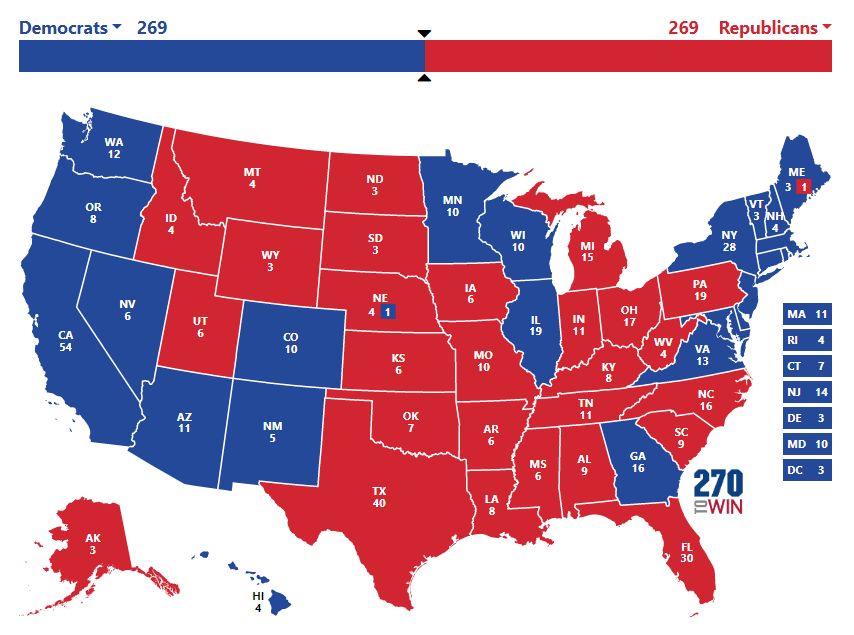
At first glance, Texas appears solidly red. Republicans have held every statewide elected office since 1994, and the state legislature maintains a Republican majority. This dominance is often attributed to a historical legacy of independence, individualism, and a strong emphasis on business and limited government intervention. However, beneath this surface, the state is a patchwork of deeply contrasting political leanings, a phenomenon particularly evident when exploring its major metropolitan areas versus its sprawling rural counties. This political duality not only defines the legislative agenda but also influences everything from urban development and cultural initiatives to economic opportunities and the very atmosphere visitors encounter.

The Shifting Sands: A Historical and Demographic Perspective
Understanding Texas’s political identity requires a brief journey into its past and a keen eye on its rapidly changing demographics. Historically, Texas was a Democratic stronghold for over a century following the Civil War, driven by agrarian interests and a distinct Southern identity. The shift towards the Republican Party began in the mid-20th century, propelled by conservative backlash against the national Democratic Party’s progressive stances on civil rights and social issues, combined with the rise of prominent Republican figures like Dwight D. Eisenhower and later Ronald Reagan. The oil boom and subsequent industrial growth also attracted a business-oriented population that often aligned with Republican principles of lower taxes and deregulation.
Today, this historical momentum still anchors much of the state’s conservative identity, particularly in its rural areas and smaller towns. These regions often celebrate traditional values, robust outdoor lifestyles centered around hunting, fishing, and ranching, and a strong sense of community. For travelers seeking an authentic taste of classic Texas hospitality, rugged landscapes, and historical sites echoing the state’s pioneer spirit, these areas offer a unique appeal. Accommodation options here tend towards cozy bed and breakfasts, rustic cabins, or family-run motels, providing a stark contrast to the luxurious urban retreats.
However, the demographic landscape of Texas is undergoing a rapid transformation. Fueled by internal migration from other states and significant international immigration, the state’s population has boomed, particularly in its major urban centers. This influx has brought a more diverse, often younger, and more liberal demographic into cities like Austin, Houston, Dallas, and San Antonio. These urban hubs are increasingly voting Democratic, creating a sharp political contrast with their surrounding suburban and rural counterparts. This demographic shift is not just a political footnote; it’s the engine driving much of the state’s cultural evolution, impacting everything from culinary trends and artistic expression to the very design of its tourism infrastructure.
The Rise of Urban Blue: Hubs of Progressivism and Diversity
The major metropolitan areas of Texas are undeniable bastions of Democratic strength, shaping distinct lifestyles and travel experiences that appeal to a wide array of visitors. These cities are magnets for innovation, diversity, and cultural vibrancy, largely driven by their more progressive populations.
-
Austin: The Unofficial Blue Capital
Often dubbed “the blue dot in a red state,” Austin epitomizes the progressive leanings of urban Texas. It’s a city celebrated for its “Keep Austin Weird” ethos, thriving live music scene, burgeoning tech industry, and a palpable entrepreneurial spirit. For travelers, Austin offers an eclectic mix of luxury hotels like the Four Seasons Austin, trendy boutique accommodations, and unique short-term rentals, catering to both business travelers attending conferences at the Austin Convention Center and leisure visitors exploring its many attractions. The city’s Democratic leanings contribute to its inclusive atmosphere, vibrant arts community, and a culinary scene that ranges from world-class fine dining to innovative food trucks. Events like South by Southwest (SXSW) and Austin City Limits Music Festival draw international crowds, showcasing a city that thrives on creativity and open-mindedness. -
Houston: Diverse and Dynamic
As the most diverse city in Texas and one of the most diverse in the United States, Houston’s political landscape reflects its multicultural population. While its energy industry has historically aligned with conservative politics, the city’s vast medical center (Texas Medical Center), space industry (Johnson Space Center), and international business ties have attracted a global populace with varied political viewpoints. Houston boasts an incredible array of international cuisine, world-class museums in the Museum District, and expansive green spaces like Hermann Park. The city’s accommodation ranges from opulent five-star resorts like The Post Oak Hotel at Uptown Houston to family-friendly suites and long-term stay apartments, serving its robust business travel and tourism sectors. Its Democratic leanings foster a progressive environment for arts, education, and community development. -
Dallas & Fort Worth: A Tale of Two Cities (and Their Suburbs)
The Dallas-Fort Worth Metroplex presents an interesting dichotomy. Dallas, with its strong corporate presence, arts district, and fashion scene, leans increasingly Democratic. It’s a hub for luxury travel and business stays, featuring high-end hotels such as The Joule Dallas and the Ritz-Carlton Dallas. Its progressive bent contributes to a vibrant nightlife, diverse culinary offerings, and a cosmopolitan lifestyle. Just a short drive west, Fort Worth maintains a more traditionally conservative identity, embracing its “Cowtown” heritage with attractions like the Fort Worth Stockyards National Historic District and a strong sense of Western culture. While still red-leaning, even Fort Worth sees pockets of blue, particularly among its younger residents and burgeoning arts scene. The distinction here illustrates how even within a large metropolitan area, political leanings can subtly influence the cultural offerings and tourism experience. -
San Antonio: Deep Roots, Modern Shifts
San Antonio, with its rich Mexican-American heritage and historic landmarks like The Alamo and the River Walk, has long been a Democratic stronghold, primarily due to its large Hispanic population. This political alignment underpins a strong emphasis on cultural preservation, community programs, and a vibrant local economy heavily reliant on tourism. Visitors here can experience authentic Tex-Mex cuisine, explore historical missions, and enjoy the unique charm of a city that proudly celebrates its roots. Accommodation ranges from historic boutique hotels along the River Walk to modern resorts, catering to families, history buffs, and those seeking cultural immersion.
Rural Red: Traditional Values and Natural Wonders
Outside these booming urban centers, vast swathes of Texas remain staunchly Republican. These rural areas are characterized by sprawling ranches, agricultural communities, and smaller towns that hold firm to conservative principles. This doesn’t mean a lack of appeal for travelers; quite the contrary, these regions offer a different kind of authentic Texas experience.
For those seeking outdoor adventure, tranquility, and a connection to nature, the “red” regions of Texas are unparalleled. The remote beauty of Big Bend National Park in West Texas, the rolling vineyards and scenic drives of the Texas Hill Country, and the abundant fishing and hunting opportunities across the state exemplify the kind of tourism that thrives here. These areas often feature charming bed and breakfasts, ranch stays, or campsites rather than large hotel chains. Local culture is deeply rooted in rodeo traditions, country music, and community festivals, offering visitors a glimpse into a more traditional Texas lifestyle.

Even the Texas Gulf Coast, with its popular beach towns like Galveston and Corpus Christi, often leans conservative, balancing tourist amenities with local fishing communities and oil industry operations. These destinations attract families and budget travelers seeking sun, sand, and seafood, with a range of hotels, vacation rentals, and long-term stay options.
How Politics Shapes the Texas Experience for Travelers and Residents
The political leanings of different regions in Texas aren’t merely about election results; they profoundly influence the atmosphere, services, and opportunities available, shaping the travel and lifestyle choices for millions.
Economic Climate and Business Travel
The Republican-led state government’s emphasis on low taxes, deregulation, and a business-friendly environment has historically attracted corporations to Texas, particularly in sectors like energy, technology, and finance. This focus has fueled the growth of cities like Dallas, Houston, and Austin as major economic powerhouses. For business travelers, this means an abundance of modern hotels, extensive convention centers, and sophisticated dining and entertainment options designed to cater to a global clientele. The lifestyle in these urban centers reflects this dynamism, with high-rise living, luxury amenities, and a fast-paced environment.
Conversely, some state-level policies championed by Republicans have faced criticism from more liberal urban areas, particularly regarding social issues or environmental regulations. These tensions can manifest in local debates over city planning, public transit development, or funding for arts and cultural programs, directly impacting the urban experience and the appeal for certain types of visitors or potential residents.
Cultural Identity and Tourism
The political divide also mirrors a fascinating cultural divergence within Texas. In Democratic-leaning cities, the cultural scene is often characterized by:
- Diversity and Inclusivity: A wide array of international cuisines, vibrant LGBTQ+ communities, and multicultural festivals.
- Arts and Music: Extensive gallery districts, numerous live music venues, independent film scenes, and performance art spaces.
- Progressive Lifestyle: Emphasis on sustainability, farm-to-table dining, craft breweries, and a generally more liberal social atmosphere.
These elements combine to create vibrant, dynamic urban environments that attract travelers seeking unique cultural experiences, modern amenities, and diverse social interactions. Booking boutique hotels or upscale apartments in these areas offers a glimpse into a contemporary Texas lifestyle.
In Republican-leaning rural areas, the cultural identity is often rooted in:
- Western Heritage: Rodeos, country music, cowboy culture, and historical reenactments.
- Outdoor Traditions: Hunting lodges, fishing tournaments, state parks, and conservation efforts focused on traditional outdoor recreation.
- Community Values: Small-town festivals, local fairs, and a strong sense of patriotism and traditional family values.
These regions appeal to travelers looking for authentic ranch experiences, peaceful getaways, historical exploration, and opportunities for outdoor adventure. Accommodation might include charming cabins, historic inns, or even glamping sites, offering a tranquil escape from urban life.
Accommodation and Long-Term Stays
The political and cultural landscape also dictates the types of accommodation and long-term stay options available. In “blue” cities, the demand for business hotels, luxury suites, and chic short-term rentals (Airbnb and similar platforms) is high, catering to tech workers, entrepreneurs, and cosmopolitan travelers. There’s also a growing market for extended-stay apartments and co-living spaces for remote workers and digital nomads drawn to the cities’ amenities and progressive social scene.
In “red” rural and suburban areas, you’ll find more family-friendly resorts, budget hotels along highways, and traditional vacation homes or cabins for those seeking longer retreats near nature or specific attractions. The emphasis is often on comfort, practicality, and proximity to outdoor activities or historical sites rather than cutting-edge luxury or avant-garde design.
Beyond the Ballots: Texas’s Enduring Appeal
Ultimately, the question of whether Texas is Republican or Democratic is less about a definitive answer and more about appreciating its inherent complexity. The state is a fascinating blend of both, with each political leaning contributing to its unique character and diverse appeal.
For the traveler, this means a rich tapestry of experiences awaits. You can explore the liberal, foodie haven of Austin one day, immerse yourself in the cowboy traditions of Fort Worth the next, and then find solitude in the vast, red-leaning wilderness of Big Bend. The political dynamics don’t detract from the experience but rather enhance it, providing deeper layers of understanding about the cultures and communities you encounter.
For those considering a long-term stay or even relocation, understanding these political undercurrents is vital for finding a community that aligns with one’s lifestyle, values, and professional aspirations. Texas offers everything from bustling, progressive metropolises with cutting-edge industries and diverse populations to serene, conservative rural towns steeped in tradition and natural beauty.
In conclusion, Texas is not simply Republican or Democratic; it is both, and much more. It is a state in constant motion, where deep-seated traditions meet rapid modernization, creating a vibrant, often contradictory, but always compelling destination. Its political landscape is a reflection of its people – diverse, resilient, and fiercely independent – making every visit an exploration of fascinating contrasts and enduring charm.
LifeOutOfTheBox is a participant in the Amazon Services LLC Associates Program, an affiliate advertising program designed to provide a means for sites to earn advertising fees by advertising and linking to Amazon.com. Amazon, the Amazon logo, AmazonSupply, and the AmazonSupply logo are trademarks of Amazon.com, Inc. or its affiliates. As an Amazon Associate we earn affiliate commissions from qualifying purchases.