
The question “Is Texas the largest state?” is a common one, often stemming from the state’s outsized reputation, its sprawling landscapes, and its significant cultural and economic influence within the United States. For many, the very name “Texas” conjures images of vast ranches, endless highways, and wide-open spaces, suggesting an immense geographical footprint. However, while Texas is undeniably large and holds a prominent place in the national imagination, it is not, in fact, the largest state by land area. That title belongs to Alaska, a state whose sheer scale often defies imagination and offers a vastly different, yet equally captivating, experience for travelers.
This article delves into the fascinating geographical realities of these immense states, exploring not just their physical size but also the profound impact their scale has on travel, tourism, accommodation, and lifestyle. From the icy fjords of the far north to the sun-baked deserts of the Lone Star State, we’ll uncover what makes these massive destinations so appealing and how visitors can best experience their grandeur.
Comparing Giants: Texas vs. Alaska and Beyond
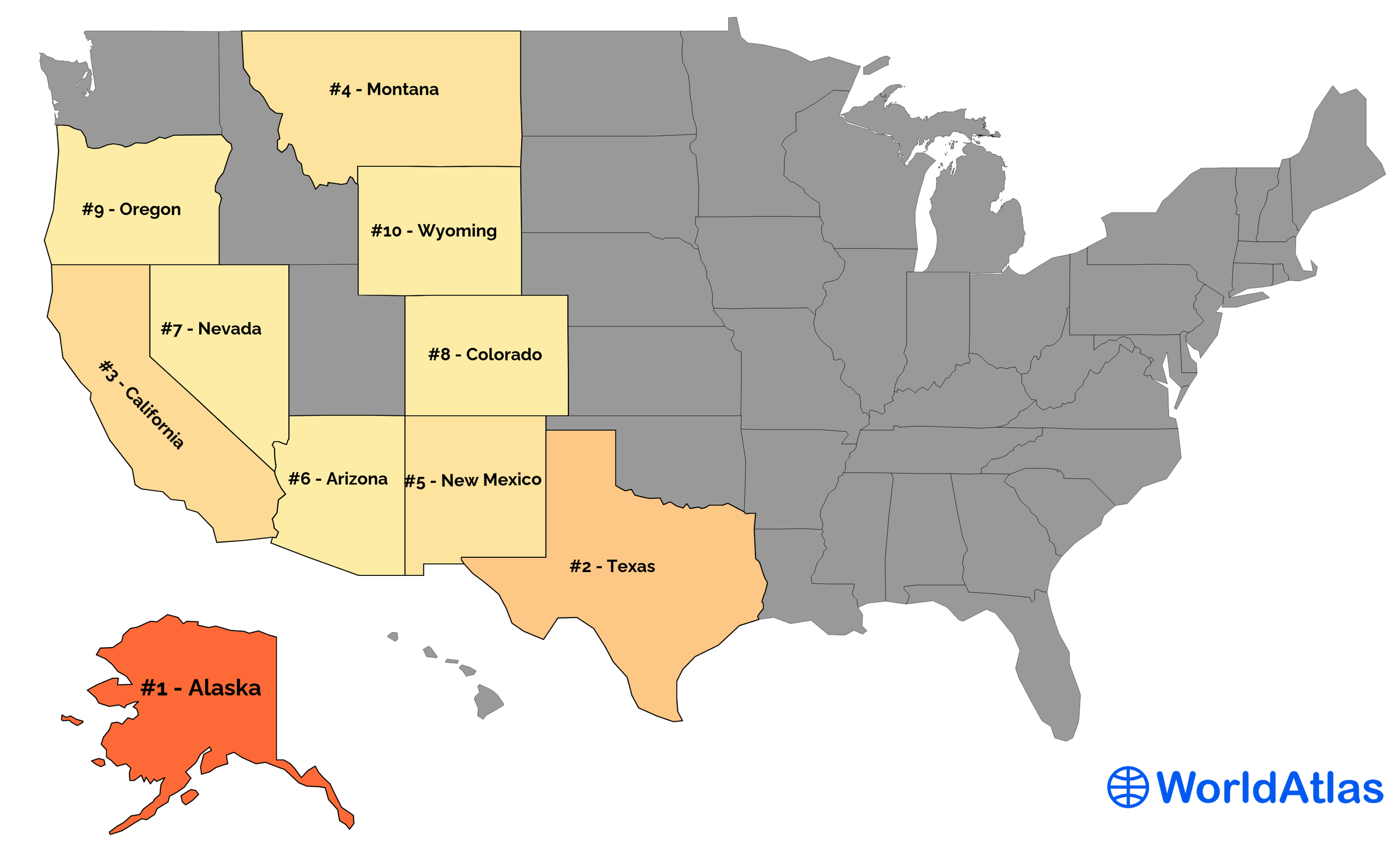
Understanding the true scale of the largest US states requires more than just glancing at a map; it involves appreciating the diversity of their landscapes, economies, and cultural identities. While Texas might boast an impressive 268,596 square miles, its northern counterpart, Alaska, dwarfs it with an astonishing 665,384 square miles. To put this into perspective, Alaska is more than twice the size of Texas, and if you superimposed a map of Alaska over the continental United States, it would stretch from the Atlantic Ocean to the Pacific Ocean.
Beyond these two titans, other states also boast considerable size, though none come close to Alaska. California ranks third, followed by Montana, New Mexico, and Arizona, all offering their own expansive wonders. The sheer size of these states presents unique challenges and opportunities for both residents and visitors, influencing everything from transportation networks to the types of attractions available.
The Sheer Scale of Alaska
Alaska’s immense size is primarily defined by its vast wilderness. Much of the state remains untouched, dominated by towering mountain ranges like the Alaska Range, home to Mount Denali (formerly Mount McKinley), the highest peak in North America. The state is also characterized by its extensive coastline, stretching over 34,000 miles, more than all other US states combined. This coastline is dotted with countless islands, fjords, and glaciers, creating a dramatic and often rugged landscape.
Travel within Alaska often involves flights, ferries, or specialized tours, as traditional road networks are limited, especially in remote areas. This contributes to the state’s allure for adventurous travelers seeking pristine nature and solitude. Its proximity to the Arctic Circle and its unique position as a gateway to the polar regions give it a distinct climate and ecosystem, far removed from the temperate zones of the lower 48 states.
Texas’s Impressive Proportions
While not the largest, Texas remains a behemoth. Its vastness translates into incredible geographical diversity. From the pine forests and swamps of East Texas to the desert landscapes of West Texas, the rolling hills of the Texas Hill Country, and the sun-drenched beaches of the Gulf Coast, the state encompasses a remarkable array of environments. This diversity supports a wide range of industries, including oil and gas, agriculture, technology, and tourism.
Driving across Texas can take a full day or more, highlighting its expansive nature. The state’s major cities—Houston, Dallas, Austin, and San Antonio—are not just large in population but also physically spread out, with extensive suburban areas and long commutes being common. This creates a blend of urban sophistication and small-town charm, with plenty of room for both bustling metropolises and quiet rural retreats.
Exploring the Vastness: Travel and Tourism in Large States
The sheer scale of Alaska and Texas profoundly shapes their travel and tourism industries. These states are not destinations where you can see everything in a weekend; they demand longer stays, careful planning, and an appreciation for the journey itself. They offer experiences ranging from rugged wilderness expeditions to luxurious city escapes, catering to diverse travel styles and interests.
Unforgettable Alaskan Adventures
Alaska is the ultimate destination for adventure seekers and nature enthusiasts. Its attractions are primarily natural wonders, making it a prime location for ecotourism.
- Wilderness and Wildlife: A trip to Denali National Park and Preserve offers unparalleled opportunities to witness iconic wildlife such as grizzly bears, moose, and caribou against the backdrop of Mount Denali. Katmai National Park and Preserve is world-famous for its bear viewing, particularly during salmon runs.
- Glacier Exploration: Cruising through the Inside Passage or visiting glaciers in areas like Prince William Sound provides breathtaking views of massive ice formations calving into the sea. Many cruises originate from cities like Seward or Whittier.
- Unique Cultural Experiences: Explore the native heritage of Alaska, visit fishing villages, or learn about the gold rush history in towns like Skagway or Nome. The capital city, Juneau, accessible only by air or sea, offers a blend of natural beauty and historical charm.
- Northern Lights: During the colder months, especially around Fairbanks, visitors have an excellent chance to witness the spectacular Aurora Borealis.
- Fishing and Outdoor Sports: World-class fishing, kayaking, hiking, and heli-skiing are popular activities that draw tourists from around the globe.
Travel in Alaska is often focused on experiences rather than extensive sightseeing of urban landmarks. The journey itself, whether by small plane, ferry, or rugged vehicle, is often part of the adventure.
The Diverse Charms of the Lone Star State
Texas, on the other hand, offers a blend of urban excitement, historical depth, and natural beauty. Its tourism appeal is incredibly broad, encompassing everything from world-class museums to rodeos and beach vacations.
- Vibrant Cities:
- Houston: A global city known for its space exploration (the NASA Johnson Space Center is a major draw), diverse culinary scene, and arts district. It’s a hub for business and culture.
- Dallas: Famous for its upscale shopping, vibrant arts scene, and rich history, including the Sixth Floor Museum at Dealey Plaza.
- Austin: The “Live Music Capital of the World,” offering a quirky, liberal atmosphere, excellent food trucks, and outdoor activities around Lady Bird Lake. The energy of Sixth Street and South Congress Avenue is palpable.
- San Antonio: Rich in history with iconic landmarks like The Alamo and the picturesque Riverwalk, offering a unique blend of Texan and Mexican cultures.
- Natural Wonders:
- Big Bend National Park: A truly remote and rugged park in West Texas, offering spectacular desert landscapes, mountain views, and the opportunity to hike along the Rio Grande.
- Padre Island National Seashore: The longest undeveloped barrier island in the world, perfect for beachcombing, birdwatching, and camping. South Padre Island offers more commercial beach resort experiences.
- Texas Hill Country: Known for its wineries, charming small towns like Fredericksburg, and scenic drives.
- Cultural Experiences: From traditional rodeos and live country music to authentic Tex-Mex cuisine and barbecue joints, Texas offers a deep dive into its unique cultural identity.
The scale of Texas allows for distinct regional experiences, meaning a trip to Dallas feels entirely different from exploring the deserts of Big Bend.
Other Expansive US Destinations Worth Exploring
While Alaska and Texas dominate the conversation about size, other large US states also offer incredibly diverse and expansive travel opportunities:
- California: From the Redwood forests in the north to the deserts of Southern California, and everything in between – including iconic cities like Los Angeles and San Francisco, mountain ranges like the Sierra Nevada, and national parks like Yosemite and Death Valley. Its size enables a vast range of climates, cultures, and activities.
- Montana: Known as “Big Sky Country,” Montana offers stunning mountain scenery, including parts of Yellowstone National Park and Glacier National Park, vast plains, and a true sense of the American West. It’s a haven for outdoor enthusiasts seeking hiking, fishing, and wildlife viewing.
- Arizona: Home to the majestic Grand Canyon National Park, Arizona also boasts unique desert landscapes, vibrant Native American cultures, and bustling cities like Phoenix and Tucson. Its size allows for a remarkable transition from arid deserts to alpine forests.
- Nevada: While often associated with Las Vegas, Nevada’s vast expanse also includes stunning natural beauty, from the mountains surrounding Lake Tahoe to the stark beauty of its numerous state parks and historic ghost towns.
- Colorado: Famous for its Rocky Mountains, Colorado offers world-class skiing, hiking, and outdoor adventures, alongside vibrant cities like Denver and Boulder. Its size means endless opportunities for exploration within its diverse terrains.
These states exemplify how geographical magnitude translates into an abundance of travel experiences, each distinct and memorable.
Accommodation and Lifestyle in Big States
The vastness of states like Alaska and Texas significantly impacts accommodation options and the overall lifestyle of travelers. Whether seeking luxury, adventure, or a family-friendly trip, the sheer scale offers a wide spectrum of choices.
From Wilderness Lodges to Urban Sanctuaries
Accommodation in these large states is as diverse as their landscapes. In Alaska, the emphasis is often on experiences that immerse visitors in nature.
- Alaskan Wilderness Lodges: Many lodges are remote, accessible only by bush plane or boat, offering rustic charm combined with comfortable amenities. These are ideal for wildlife viewing, fishing, and experiencing true solitude. Examples include lodges within or near Denali National Park or along the remote rivers.
- Cruise Ships: A popular way to explore Alaska’s coastline, cruise ships serve as floating hotels, providing transportation, meals, and entertainment while visiting multiple ports and scenic areas like the Hubbard Glacier.
- City Hotels: In urban centers like Anchorage and Fairbanks, you’ll find a range of hotels, from budget-friendly options to more luxurious establishments, catering to travelers using them as a base for day trips or connecting flights.
In Texas, the accommodation landscape is similarly varied, reflecting its blend of urban development and rural character.
- Luxury Hotels and Resorts: Major cities like Dallas, Houston, and Austin boast an impressive array of high-end hotels, boutique properties, and full-service resorts, often featuring extensive amenities like spas, gourmet dining, and concierge services. Think of establishments like the Four Seasons in Austin or the Omni Dallas Hotel.
- Ranch Stays and B&Bs: For a more authentic Texan experience, numerous ranches offer guest accommodations, from working ranches where visitors can participate in daily activities to luxury dude ranches focused on recreation and relaxation. The Texas Hill Country is particularly rich in charming bed and breakfasts.
- Beachfront Properties: Along the Gulf Coast, especially in areas like Galveston and South Padre Island, travelers can find resorts, vacation rentals, and hotels catering to beach holidays.
- Extended Stay Apartments: Given the large distances and potential for longer trips, extended-stay apartments and villas are increasingly popular for those looking for more spacious, home-like accommodation options, particularly in cities.

Tailoring Your Journey: Luxury, Budget, and Family Travel
The vastness of these states also influences how different travel lifestyles are accommodated.
- Luxury Travel: In Alaska, luxury might mean a high-end wilderness lodge with guided tours, private charter flights, gourmet dining, and exclusive wildlife viewing opportunities. In Texas, it translates to staying in five-star hotels, dining at Michelin-starred restaurants, attending exclusive events, or enjoying private ranch experiences. Luxury travelers can explore a specific region deeply or move between distinct high-end experiences across the state.
- Budget Travel: Both states offer options for budget-conscious travelers. In Alaska, this could involve camping in national parks, utilizing hostels in cities, and self-guided hiking. For Texas, it means taking advantage of affordable motels, free attractions in cities (like Zilker Park in Austin), exploring state parks, and enjoying the state’s famously delicious and affordable barbecue and Tex-Mex. Planning road trips and utilizing vacation rentals can also keep costs down.
- Family Trips: Large states are ideal for family travel due to the sheer variety of activities. In Alaska, families can enjoy educational wildlife cruises, easy hikes, and cultural centers in cities. Texas offers an abundance of family-friendly attractions: theme parks in San Antonio (Six Flags Fiesta Texas, SeaWorld), children’s museums in Houston, historic sites like The Alamo, and numerous state parks with camping and outdoor recreation. The space allows for diverse interests to be met within a single trip, often requiring a multi-city or multi-region itinerary.
The planning process for visiting such expansive states often becomes part of the adventure. Travelers need to consider transportation logistics, the distances between attractions, and the varying climates across different regions. Whether it’s a meticulously planned luxury tour or a spontaneous road trip, the vastness ensures that there’s always more to discover, encouraging repeat visits and fostering a deep appreciation for the grandeur of the American landscape.
In conclusion, while Texas commands respect for its significant size and rich offerings, the undisputed champion of land area in the United States is Alaska. Both states, however, exemplify how monumental geographical scale translates into extraordinarily diverse and captivating travel experiences, proving that in travel, size truly does matter. From majestic natural landmarks to bustling urban centers, these expansive destinations invite exploration, promising unforgettable journeys tailored to every lifestyle.
LifeOutOfTheBox is a participant in the Amazon Services LLC Associates Program, an affiliate advertising program designed to provide a means for sites to earn advertising fees by advertising and linking to Amazon.com. Amazon, the Amazon logo, AmazonSupply, and the AmazonSupply logo are trademarks of Amazon.com, Inc. or its affiliates. As an Amazon Associate we earn affiliate commissions from qualifying purchases.