
Embarking on a journey to the sprawling landscapes and vibrant cities of Texas promises an unforgettable experience, whether you’re drawn to its rich history, diverse culinary scene, or breathtaking natural wonders. For any savvy traveler, however, understanding the financial landscape, particularly regarding taxes, is a crucial step in planning a seamless and budget-friendly adventure. The question “Is there state tax in Texas?” is one that frequently arises, and the answer, while seemingly simple, carries nuances that every visitor and potential long-term stay guest should be aware of.
The short answer is yes, Texas does have state taxes, but perhaps not in the way many might expect. One of the most significant distinctions of the Lone Star State is the absence of a state income tax, a feature that makes it particularly attractive to residents and businesses alike. However, this doesn’t mean a tax-free existence. Instead, the state relies heavily on other forms of taxation, primarily sales tax and property tax, alongside specific excise taxes that impact various aspects of travel and lifestyle. For tourists and those considering extended stays, the most relevant taxes will be the sales tax on goods and services, and the hotel occupancy tax, which can significantly affect accommodation costs. By delving into the specifics of these taxes, we can gain a clearer picture of what to expect financially when exploring the vast expanse of Texas. This guide aims to demystify the tax structure, helping you navigate your travel budget effectively and fully immerse yourself in all that Texas has to offer.
Understanding Texas’s Tax Landscape for Travelers
When planning your itinerary, from exploring the bustling streets of Houston to the historic charm of San Antonio, understanding the local tax environment is key to a stress-free travel experience. Texas’s unique tax structure, heavily influenced by its lack of state income tax, means that other forms of taxation play a more prominent role in funding public services and infrastructure. For travelers, this primarily translates into sales taxes on purchases and services, and a significant hotel occupancy tax that directly impacts the cost of your stay. Knowing these rates and how they apply will empower you to budget more accurately, ensuring that your financial planning aligns with your travel aspirations in the Lone Star State.
The Absence of a State Income Tax: A Welcome Relief
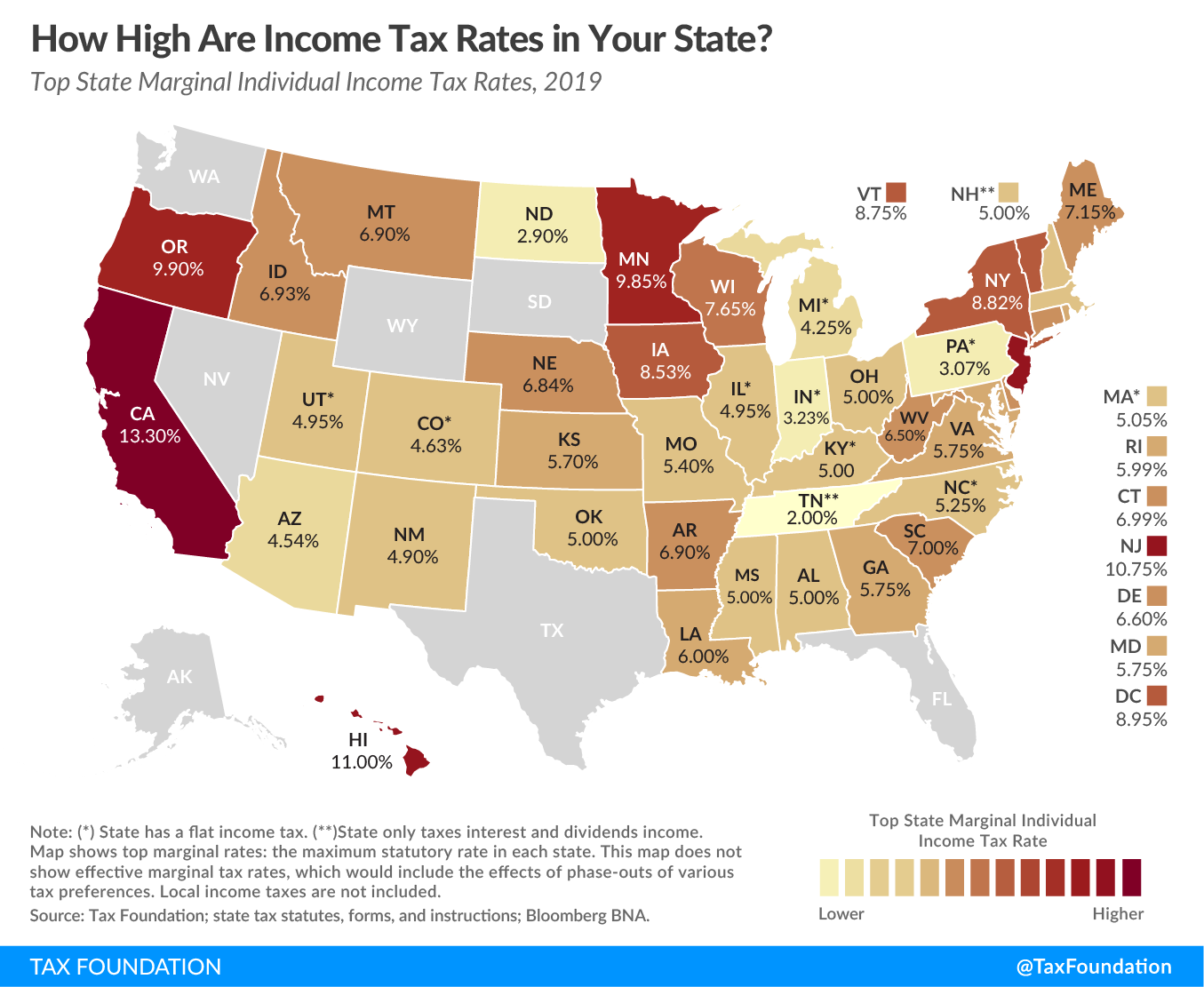
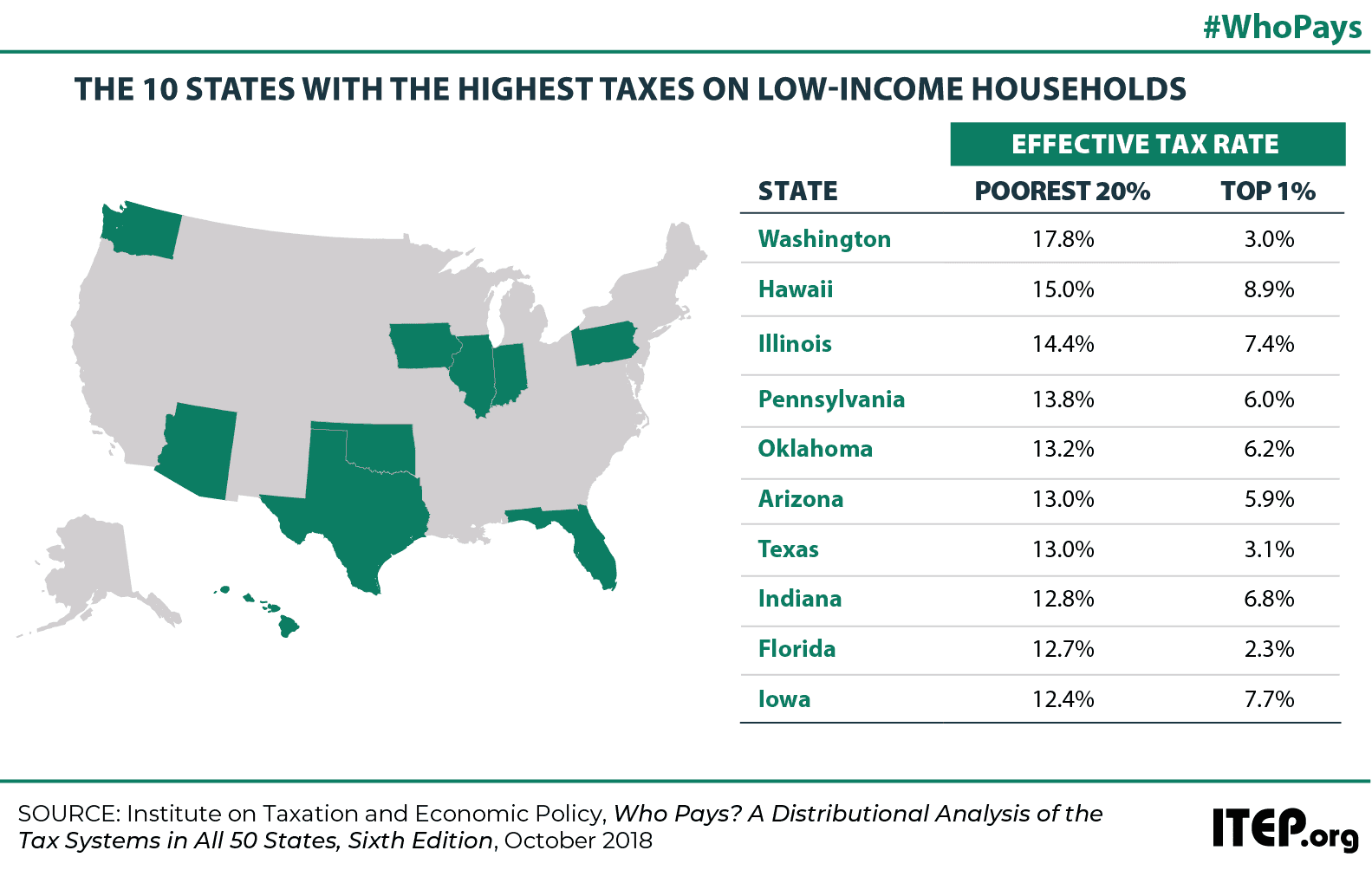
One of the most defining characteristics of Texas’s tax system, and a major draw for many, is the complete absence of a state income tax. This means that individuals do not pay state taxes on their wages, salaries, or other forms of personal income earned within Texas. This stands in stark contrast to many other states across the U.S. that levy a significant portion of residents’ earnings. For travelers, this absence of income tax generally translates to a simpler financial experience, as there’s no concern about state income tax implications for short-term employment or contractor work while visiting. More broadly, it contributes to a lower overall cost of living for residents, which can indirectly influence the pricing of local goods and services, potentially making your travel dollar stretch further when compared to states with high income tax rates. This fundamental aspect shapes the entire economic landscape of Texas, influencing everything from real estate values to the operational costs for businesses that cater to tourism, ultimately benefiting visitors through potentially more competitive pricing in various sectors.
Navigating Sales Tax in the Lone Star State
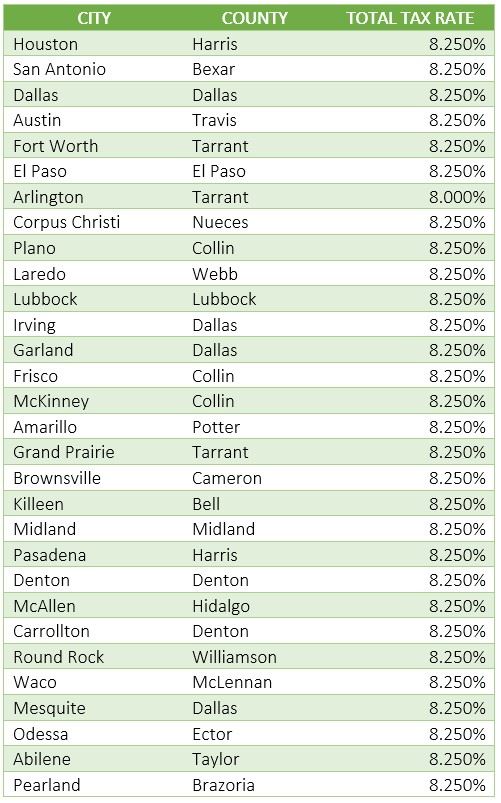
While Texas foregoes a state income tax, it makes up for it with a comprehensive sales tax system. The statewide sales tax rate is 6.25%. However, local jurisdictions—cities, counties, and special purpose districts—have the authority to impose additional sales taxes, typically adding up to 2%. This means that the total sales tax rate you pay on most purchases in Texas can reach up to 8.25%. This tax applies to a wide array of goods and services, making it a significant consideration for any traveler’s budget.
When you’re dining out in a bustling restaurant in Austin, shopping for souvenirs at a market in San Antonio, or buying clothes in Dallas, that sales tax will be added to your bill. It also applies to many services, including those you might utilize during your trip, such as car repairs, certain entertainment tickets, and even specific types of beauty services. Groceries, specifically unprepared food for home consumption, are exempt from sales tax, which is a common relief for those on a budget or planning longer stays in self-catering accommodation. However, prepared foods, such as those bought at restaurants or even hot food purchased from a grocery store deli, are subject to sales tax. Understanding this ubiquitous tax is essential for accurately estimating the final cost of your purchases and ensuring you’re not surprised at the checkout counter, allowing for a smoother and more predictable spending experience throughout your Texas adventure.
Hotel Occupancy Tax: What Every Visitor Should Know
For anyone planning to stay overnight in Texas, the Hotel Occupancy Tax (HOT) is perhaps the most direct and significant tax consideration. This tax is levied on sleeping accommodations in hotels, motels, bed and breakfasts, and even some vacation rental properties. The state of Texas imposes a 6% Hotel Occupancy Tax on the cost of your room. However, much like sales tax, local jurisdictions—cities and counties—can add their own HOT rates on top of the state rate. This means the total HOT rate can vary significantly depending on where you stay.
In major tourist hubs, the combined state and local HOT can be substantial. For example, in Houston, the total HOT rate can hover around 17%. Similarly, popular destinations like Dallas, San Antonio (famous for its River Walk), and Austin often feature combined rates well into the double digits. For instance, Austin’s total HOT can also reach up to 17% in some areas, encompassing city, county, and state components. These taxes are generally dedicated to funding tourism and convention promotion, as well as preserving historical sites and cultural facilities, meaning your contribution directly supports the very attractions that draw you to Texas. When booking accommodation, it’s wise to check the total nightly rate, including all taxes and fees, to get an accurate picture of your expense. This is especially important for budget travelers, as the cumulative effect of HOT over several nights can add a considerable amount to the overall cost of their trip, influencing decisions on the type and duration of their stay.
Beyond the Basics: Specific Taxes Affecting Your Texas Experience
While sales and hotel occupancy taxes are the most common encounters for travelers, a deeper dive into Texas’s tax structure reveals other levies that can subtly, or sometimes significantly, impact specific aspects of your travel and lifestyle choices. From fueling up for a cross-state road trip to securing transportation or considering a longer-term stay, these additional taxes contribute to the overall cost of experiencing the Lone Star State. Understanding these less prominent, but still relevant, taxes ensures a more comprehensive and accurate picture of your potential expenses, helping you plan for every facet of your Texas adventure.
Fuel Taxes: Keeping Your Road Trip Moving
For those planning to explore Texas by car, a popular and often necessary mode of transport given the state’s vastness, fuel taxes are an important consideration. Every gallon of gasoline or diesel purchased in Texas includes both federal and state excise taxes. The state of Texas levies an excise tax of 20 cents per gallon on motor fuels. This is in addition to the federal excise tax, which currently stands at 18.4 cents per gallon for gasoline and 24.4 cents per gallon for diesel. While these taxes are built into the pump price and not added separately at the point of sale, they contribute to the overall cost of fuel and, consequently, your road trip budget.
Given the immense distances between major cities and attractions in Texas—from the bustling metropolis of Dallas to the rugged wilderness of Big Bend National Park—fuel costs can quickly add up. Understanding that a portion of every dollar spent at the pump goes towards these taxes helps in budgeting for long drives. These fuel taxes are crucial revenue sources, primarily dedicated to funding the construction and maintenance of Texas’s extensive highway system, which is vital for both residents and the millions of tourists who traverse the state annually. Therefore, while they add to your cost, they also ensure the smooth, well-maintained roads that make your Texas road trip possible and enjoyable.
Car Rentals and Other Travel-Related Services
Beyond the fuel itself, several other taxes and fees can apply to vehicle rentals and various travel services in Texas. When you rent a car, expect to pay the standard state and local sales tax on the rental fee, which, as mentioned, can be up to 8.25%. However, there are often additional specific fees that apply to car rentals. Many cities and counties impose a local motor vehicle rental tax, which is typically a percentage of the rental price. For example, some jurisdictions may add a 5% or 10% rental tax on top of the standard sales tax. Furthermore, airport concession fees, facility charges, and other surcharges can also be tacked onto your car rental bill, especially if you pick up your vehicle at a major airport like Dallas/Fort Worth International Airport or George Bush Intercontinental Airport in Houston.
These additional taxes and fees can significantly increase the total cost of a rental vehicle, often by 15-30% beyond the advertised base rate. It’s crucial for travelers to review the full rental agreement and the breakdown of charges before booking to avoid unexpected expenses. Similarly, other travel-related services, such as guided tours, certain recreational activities, and even tickets to attractions like the NASA Johnson Space Center in Houston or a show on Austin’s Sixth Street, will typically be subject to state and local sales tax. While these taxes contribute to the funding of the very amenities and infrastructure that enhance your travel experience, being prepared for them ensures a smoother and more transparent financial journey through the Lone Star State.
Property Taxes: A Local Consideration
Property taxes in Texas represent a significant component of the state’s overall tax structure, although they primarily impact property owners rather than short-term tourists. Unlike many states that have a state-level property tax, Texas does not. Instead, property taxes are exclusively levied at the local level by various taxing units, including counties, cities, school districts, and special districts (such as hospital districts or community college districts). These local entities use property tax revenues as their primary source of funding for essential services like public education, local government operations, police and fire protection, and infrastructure maintenance.
While a tourist might not directly pay property taxes, this taxation system can indirectly influence their travel experience. For instance, the high property tax burden on homeowners and businesses in popular areas like Austin or Dallas can affect the cost of goods, services, and even rental prices for long-term stays. If you are considering an extended visit or perhaps looking into temporary housing options like a month-to-month rental, the underlying property tax rates for that area will likely be factored into your rental cost. Understanding this local reliance on property taxes helps to contextualize the economic landscape of Texas and how different cities manage to fund their public services and maintain the vibrant environments that attract visitors from around the globe.
Budgeting for Your Texas Adventure: Tax Considerations for Every Traveler
Planning a trip to Texas involves more than just booking flights and hotels; it requires a shrewd understanding of how taxes will factor into your overall expenses. From luxury resorts along the Gulf Coast to budget-friendly stays in the Texas Hill Country, taxes will inevitably add to your bill. For both the lavish traveler and the cost-conscious adventurer, incorporating these tax considerations into your budget from the outset is paramount. By adopting smart spending habits and recognizing regional tax variations, you can effectively manage your finances, ensuring that your Texas adventure remains enjoyable without any unwelcome financial surprises.
Maximizing Your Savings: Tips for Smart Spending
Navigating the tax landscape in Texas doesn’t have to be daunting. With a few smart strategies, you can maximize your savings and enjoy your trip without feeling the pinch of unexpected costs. Firstly, when booking accommodation, always check the total price, which includes the base room rate plus all applicable state and local Hotel Occupancy Taxes (HOT). Some booking sites may initially show prices without taxes, so look for a “total price” breakdown before confirming. If you’re planning a longer stay, consider extended-stay hotels or serviced apartments, as some may have different tax structures or offer weekly/monthly rates that effectively reduce the per-night tax burden.
For dining and shopping, remember the sales tax. While the state rate is fixed, local additions vary. While you might not plan your entire trip around lower sales tax areas, being mindful of major purchases can help. For instance, if you’re buying a significant souvenir, checking the local sales tax rate for that specific city (which can range from 6.25% to 8.25%) could result in minor savings. Additionally, prioritizing experiences and activities over extensive shopping can also help manage sales tax impact. Look for free attractions like parks, public art installations, or free museum days. Eating out is a large part of the travel experience, but mixing in self-prepared meals (taking advantage of grocery stores where unprepared food is tax-exempt) can reduce your overall sales tax expenditure on food. Utilizing public transportation or rideshare services might also offer a more predictable cost compared to car rentals with their various associated taxes and fees, especially for short distances within major cities like Houston or Dallas.
From Austin to El Paso: Regional Tax Variations to Watch For
The vastness of Texas means that your tax experience can indeed vary significantly as you travel from one region to another. While the 6.25% state sales tax and 6% state hotel occupancy tax remain constant, it’s the local additions that create these regional differences. Cities and counties have varying capacities and needs, leading to diverse local tax rates. For example, a stay in the vibrant capital of Austin might incur a combined HOT close to 17%, similar to rates found in the bustling metropolitan areas of Houston, Dallas, and San Antonio. These higher rates reflect the significant tourism infrastructure and convention centers these cities support.
Conversely, if your journey takes you to smaller towns or less populated areas, particularly in West Texas towards El Paso or the scenic Texas Hill Country, you might find slightly lower total HOT rates, although this is not always guaranteed, as some smaller destinations with specific tourism focuses (like Galveston or South Padre Island on the coast) may also have elevated local taxes to support their unique attractions. Sales tax rates can also differ, with some smaller communities having a combined rate closer to the state minimum if they haven’t opted for the maximum local additions. Before you travel, a quick online search for the specific city or county’s sales tax and HOT rates can provide accurate figures and help fine-tune your budget, ensuring you’re prepared for any slight variations in cost as you explore the diverse regions of the Lone Star State.
The Bigger Picture: How Taxes Fund Texas’s Charm and Infrastructure
While taxes might sometimes feel like an added burden, it’s essential to understand the vital role they play in creating and maintaining the very infrastructure and attractions that draw millions of visitors to Texas each year. The revenue generated from sales tax, hotel occupancy tax, fuel tax, and local property taxes doesn’t disappear into a void; instead, it is strategically reinvested into the state’s public services, cultural institutions, and natural wonders. This symbiotic relationship ensures that your financial contribution as a traveler directly supports the ongoing development and preservation of the unique Texas experience, from its iconic landmarks to its extensive highway networks. By understanding this bigger picture, the taxes become less of an expense and more of an investment in the state’s enduring charm and capacity to host world-class tourism.
Investing in Attractions and Amenities
The taxes collected in Texas, particularly the Hotel Occupancy Tax, are specifically designed to fuel the state’s tourism and hospitality industry. A significant portion of these funds is channeled directly into promoting tourism, supporting local convention centers, and preserving cultural and historical sites. This means that the HOT you pay on your hotel room in San Antonio helps maintain the historic integrity of the Alamo and the beauty of the River Walk. Similarly, taxes collected in Houston contribute to its world-class Museum District and efforts to attract major events and conventions, bolstering its status as a global city.
Beyond tourism-specific funds, general sales taxes and fuel taxes contribute to the broader infrastructure that visitors rely on. Well-maintained roads and highways, funded by fuel taxes, are critical for road trips across the sprawling landscapes to destinations like Big Bend National Park or the coastal beauty of Corpus Christi. Local property taxes, while not directly paid by tourists, fund the public services that make cities safe, clean, and enjoyable for everyone, including visitors – from city parks and libraries to police and fire departments. In essence, every tax dollar contributes to the vibrant tapestry of experiences Texas offers, ensuring that whether you’re enjoying live music in Austin, exploring the Fort Worth Stockyards, or relaxing on the beaches of Galveston, the underlying infrastructure and attractions are well-supported, enhancing your visit and inviting you back for future adventures.
In conclusion, while Texas proudly stands as one of the few states without a personal income tax, visitors and residents alike will encounter a robust system of other state and local taxes. The most prominent for travelers are the sales tax, which applies to most goods and services, and the Hotel Occupancy Tax, significantly impacting accommodation costs. Fuel taxes and specific fees for services like car rentals also contribute to the overall expenditure. By understanding these various components and their regional variations, travelers can approach their Texas adventure with confidence, ensuring that their budget aligns with their exploration. Ultimately, these taxes are not merely expenses but investments, contributing directly to the upkeep and enhancement of the very attractions, infrastructure, and unique charm that make Texas a truly unforgettable destination. So pack your bags, plan wisely, and prepare to immerse yourself in the rich culture and vast beauty of the Lone Star State, knowing you’re well-informed about the financial aspects of your journey.
LifeOutOfTheBox is a participant in the Amazon Services LLC Associates Program, an affiliate advertising program designed to provide a means for sites to earn advertising fees by advertising and linking to Amazon.com. Amazon, the Amazon logo, AmazonSupply, and the AmazonSupply logo are trademarks of Amazon.com, Inc. or its affiliates. As an Amazon Associate we earn affiliate commissions from qualifying purchases.