
For travelers planning a visit to the sprawling landscapes, vibrant cities, and unique cultural experiences of the Lone Star State, understanding the local laws and regulations is paramount. While Texas offers an abundance of attractions, from the historic Alamo in San Antonio to the live music scene of Austin and the bustling metropolis of Dallas and Houston, visitors often find themselves questioning the legal status of cannabis. The straightforward answer to “Is weed decriminalized in Texas?” is no, not statewide. While some individual cities have adopted more lenient policies, cannabis remains illegal under state law, carrying significant penalties for possession, distribution, and cultivation. This nuanced legal landscape is crucial for anyone considering travel, accommodation, or lifestyle choices within the state.

The complexities surrounding cannabis laws in Texas can be particularly confusing for those coming from states or countries where recreational or medical marijuana is legal. The discrepancy between local ordinances and state statutes creates a patchwork of enforcement, making it essential for tourists and residents alike to stay informed. Our exploration will delve into the current legal framework, its implications for your travel plans, considerations for hotels and other accommodations, and how these laws influence the overall tourism experience and lifestyle in Texas.
Understanding Cannabis Laws in Texas: A Patchwork of Policies
The legal status of cannabis in Texas is anything but simple, characterized by a fundamental state-level prohibition that is, in certain localities, softened by more progressive municipal policies. This creates a challenging environment for anyone seeking clarity, particularly visitors whose travel plans might inadvertently put them at odds with local regulations.
The Legal Landscape: Decriminalization vs. Medical Marijuana
At the state level, marijuana remains a controlled substance. This means that, unlike states such as Colorado or California, Texas has not enacted statewide decriminalization of cannabis. Decriminalization typically means that possession of small amounts of cannabis is treated as a minor infraction, similar to a traffic ticket, rather than a criminal offense leading to arrest and a criminal record. In Texas, however, possession of even a small amount (up to 2 ounces) is a Class B misdemeanor, punishable by up to 180 days in jail and a fine of up to $2,000.
Despite the overarching state law, several progressive cities within Texas have taken steps to implement their own “cite and release” or “no arrest” policies for low-level marijuana possession. Cities like Austin, Dallas, Houston, San Antonio, El Paso, College Station, Denton, Killeen, Wichita Falls, and Corpus Christi have adopted measures aimed at reducing arrests for minor marijuana offenses. These policies typically mean that instead of being arrested and taken to jail, individuals found with small amounts of cannabis might receive a citation or be released with a notice to appear in court.
It is crucial to understand that these local policies do not change state law. A police officer in one of these cities still has the discretion to make an arrest under state law, and prosecutors can still pursue charges. The local policies are generally directives to law enforcement agencies within those specific city limits, influencing how officers are encouraged to respond, but not legally binding them from enforcing state law. Therefore, while the likelihood of arrest might be lower in certain urban centers, the risk remains.
When it comes to medical cannabis, Texas has a very restrictive program known as the Texas Compassionate Use Program (TCUP). This program permits the use of low-THC cannabis (with no more than 0.5% Delta-9 THC by weight) for a limited number of debilitating medical conditions, such as intractable epilepsy, multiple sclerosis, spasticity, autism, and certain neurological disorders. The list of qualifying conditions has expanded gradually but remains far narrower than in most other medical marijuana states. Furthermore, access is strictly controlled, and only specific physicians can prescribe low-THC cannabis. Crucially, TCUP does not legalize smoking or vaping cannabis, nor does it allow for the sale of high-THC products. For the average tourist, TCUP offers no legal pathway to cannabis access.
Distinguishing between marijuana and hemp-derived products is also vital. Following the 2018 Farm Bill, hemp (cannabis plants containing less than 0.3% Delta-9 THC by dry weight) and its derivatives, including CBD products, became federally legal. Texas has adopted similar legislation, making the sale and possession of CBD products, Delta-8 THC, and other hemp-derived cannabinoids generally legal, provided they meet the strict Delta-9 THC threshold. This distinction is often a source of confusion, as many people assume all cannabis products are treated the same. However, possessing traditional marijuana (with Delta-9 THC levels above 0.3%) is still illegal.
Penalties and Risks for Possession
Given the state’s stringent stance, the penalties for cannabis-related offenses in Texas can be severe, especially for travelers who may not be fully aware of the legal nuances.
- Possession of 2 ounces or less: Class B misdemeanor, punishable by up to 180 days in jail and a fine of up to $2,000.
- Possession of 2 to 4 ounces: Class A misdemeanor, punishable by up to 1 year in jail and a fine of up to $4,000.
- Possession of 4 ounces to 5 pounds: State jail felony, punishable by 180 days to 2 years in a state jail facility and a fine of up to $10,000.
- Larger amounts: Carry even more severe felony charges, including lengthy prison sentences and substantial fines.
For travelers, these penalties can have far-reaching consequences beyond just immediate arrest or fines. A criminal record can impact future travel (especially international travel), employment opportunities, and professional licenses. Even if an individual is ultimately not convicted or the charges are dismissed, the process of navigating the legal system in an unfamiliar state can be incredibly disruptive, costly, and stressful, potentially ruining a long-planned vacation or business trip.
Moreover, impaired driving laws in Texas are strict. Driving under the influence of marijuana, even if medically prescribed in another state, is illegal and can lead to charges of Driving While Intoxicated (DWI), with penalties similar to alcohol-related DWIs, including license suspension, fines, and jail time. The mere presence of metabolites in one’s system, if impairment can be proven, can be enough for a conviction.
Navigating Texas as a Traveler: What You Need to Know
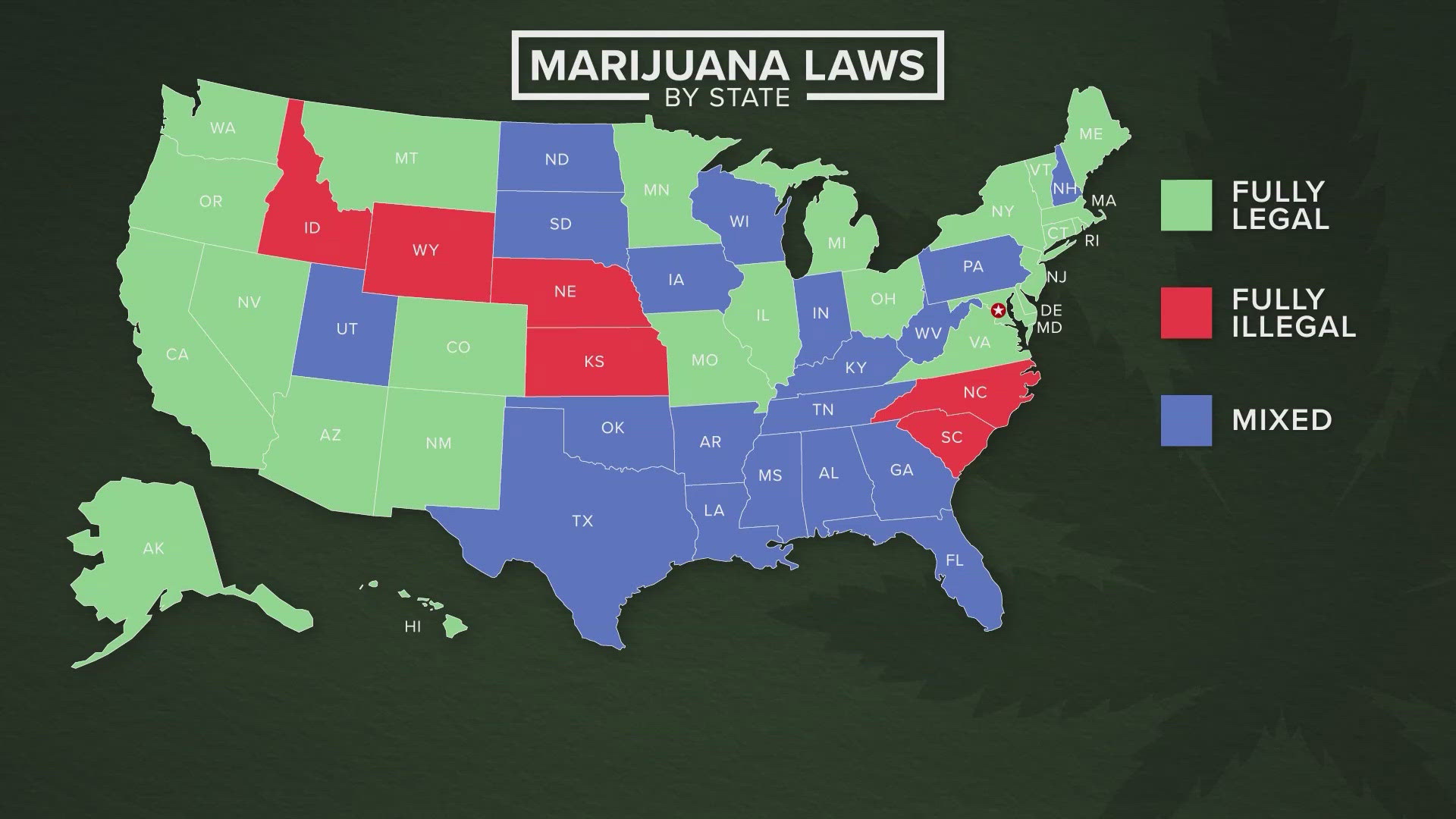
For those journeying through the diverse regions of Texas, understanding the practical implications of its cannabis laws is as important as knowing where to find the best barbecue or the most enchanting Texas landmarks. Your approach to travel, accommodation, and even what you purchase can be significantly influenced.
Travel and Accommodation Considerations
When planning your journey to Texas, whether by air, road, or rail, the legality of cannabis becomes a critical factor.
- Airline Travel: Federal law unequivocally prohibits the possession of marijuana on airplanes, regardless of the laws of the origin or destination state. The Federal Aviation Administration (FAA) and Transportation Security Administration (TSA) operate under federal statutes, which classify marijuana as a Schedule I controlled substance. This means carrying cannabis through airport security or on a flight, even if it’s for medical purposes with a card from another state, is illegal. While TSA agents are primarily looking for threats to aviation and generally refer discoveries of marijuana to local law enforcement, local authorities will enforce state laws at the airport. In Texas, this could lead to arrest and charges. It is simply best practice to avoid bringing any cannabis product (other than legal hemp-derived CBD with less than 0.3% Delta-9 THC) to the airport.
- Driving: If you are driving into Texas from a state where cannabis is legal, remember that state lines represent a hard legal boundary. What might be permissible in Oklahoma or New Mexico is illegal the moment you cross into Texas territory. Law enforcement at border crossings or during routine traffic stops will enforce Texas law. Driving under the influence of cannabis, as mentioned, is a serious offense.
- Hotel Policies: Most hotels, resorts, apartments, and villas in Texas, regardless of their star rating or amenities, maintain strict non-smoking policies that almost universally extend to cannabis. Even if a specific city has a more lenient “cite and release” policy, a private establishment retains the right to prohibit any substance on its property. Attempting to consume cannabis in your room can lead to fines (often steep cleaning fees), eviction, and potential legal trouble if hotel staff involve the authorities. This applies to smoking, vaping, and even edibles if they are detected or cause an issue. When booking accommodation, it’s safest to assume that cannabis use is prohibited on the premises. For visitors seeking a luxurious or comfortable stay, adhering to these policies ensures a smooth and enjoyable travel experience.
- Public Spaces: Consumption of cannabis in public spaces, parks, beaches, or entertainment venues is strictly prohibited and can lead to immediate legal action. Even in cities with relaxed enforcement for possession, public consumption is rarely tolerated.
- Overall Tourism Experience: The goal of tourism is to enjoy the local culture, explore attractions, and create positive memories. Engaging in activities that could lead to legal issues will severely detract from your ability to appreciate Texas’s offerings, whether you’re exploring the historic Sixth Street in Austin or visiting the Space Center Houston.
CBD and Hemp Products: A Legal Alternative?
For travelers interested in cannabis products but wanting to remain strictly within legal bounds, hemp-derived CBD products represent a viable alternative. As discussed, these products are legal in Texas and federally, provided they contain less than 0.3% Delta-9 THC.
- Legality and Availability: CBD oils, tinctures, edibles, and topicals are widely available across Texas, sold in health food stores, specialty CBD shops, and even some supermarkets. Many reputable brands offer a wide array of products, from those designed for relaxation to those marketed for wellness purposes.
- Delta-8 THC and Other Cannabinoids: The legal landscape for other hemp-derived cannabinoids, such as Delta-8 THC, has been more contentious. While initially flourishing in Texas, there have been legal battles to ban Delta-8, which has mild psychoactive effects. As of the time of writing, Delta-8 THC products remain legal for sale and consumption in Texas due to ongoing legal challenges against state attempts to ban it. However, this could change, so visitors interested in such products should verify their current legal status before purchase or consumption.
- Cautions: While legal, there are still precautions to take. It is crucial to purchase CBD and hemp products from reputable vendors who provide third-party lab testing results. This ensures the product’s THC content is genuinely below the legal threshold and that it is free from contaminants. Mislabeling can occur, and consuming a product with higher THC than advertised could inadvertently lead to legal problems, especially if subjected to a drug test. For a truly worry-free lifestyle choice, sticking to well-verified CBD products is the safest bet.
The Future of Cannabis in the Lone Star State
The debate over cannabis reform is a dynamic one in Texas, reflecting shifting public opinion and ongoing legislative efforts. For a state known for its independent spirit and evolving economy, the question of cannabis legalization or decriminalization carries significant weight, impacting everything from criminal justice to potential tourism revenue.
Legislative Efforts and Public Opinion
In recent legislative sessions, there have been numerous attempts to reform Texas’s cannabis laws. These efforts have ranged from proposals for full decriminalization statewide, expansion of the medical marijuana program, and even discussions around the feasibility of recreational legalization. While some bills have seen progress through committees, none have yet succeeded in passing both chambers and receiving gubernatorial approval. The political landscape in Texas is complex, with conservative lawmakers often resistant to major changes, while a growing number of advocates, including some from law enforcement and business communities, push for reform.
Public opinion in Texas on cannabis is evolving. Polling data consistently shows increasing support for decriminalization and expanded medical access, with a significant portion of the population also favoring recreational legalization. Support tends to be higher among younger demographics and in urban areas, contrasting with more conservative rural regions. This divergence contributes to the legislative gridlock, where compromise is difficult to achieve. The dialogue is driven by various factors, including the desire for criminal justice reform, potential tax revenue, and the perceived health and economic benefits of cannabis.
Impact on Texas’ Tourism and Lifestyle
The current cannabis laws undeniably have an impact on Texas’ tourism industry and the overall lifestyle enjoyed by its residents and visitors.
- Deterring Certain Tourists: For travelers from states or countries where recreational cannabis is legal and widely accepted (e.g., Canada, Netherlands, or various states within the United States), Texas’ strict laws might act as a deterrent. Some potential visitors, particularly those seeking a more liberal or “canna-friendly” vacation destination, might opt for states with more permissive regulations, impacting Texas’ share of the tourism market.
- Economic Opportunities: States that have legalized recreational cannabis have seen significant increases in tax revenue, which is often earmarked for public services, education, or infrastructure. There is an argument that Texas is missing out on substantial economic opportunities, not only from direct cannabis sales but also from ancillary industries, cannabis tourism, and related businesses. For a state focused on economic growth, this is a point of ongoing discussion.
- Lifestyle Choices: For residents and those considering a longer stay or even relocation, the cannabis laws influence lifestyle choices. The inability to legally access recreational cannabis impacts personal freedoms and choices, contrasting with the more liberal environments found elsewhere.
- Luxury and Budget Travel: Whether it’s luxury travel or budget travel, all segments of the tourism market are affected. A luxury hotel might find itself unable to cater to guests accustomed to legal cannabis consumption in other high-end destinations, while budget travelers might face unexpected legal costs if they mistakenly break the law. Family trips and business stays are also impacted, as legal compliance becomes an added layer of concern.
Should Texas move towards broader decriminalization or legalization, it would undoubtedly reshape its tourism landscape. This could open doors for cannabis-focused tourism, much like the wine country tours in California or craft beer trails across the United States. It could attract a new demographic of visitors and stimulate economic growth, influencing everything from local accommodation options to specialized experiences.
In conclusion, while the question “Is weed decriminalized in Texas?” yields a complex answer with local nuances, the overriding message for any visitor or resident is caution and adherence to state law. Texas offers an incredible array of destinations and attractions, from its bustling cities to its tranquil natural parks. To ensure a smooth, enjoyable, and trouble-free trip, it is always best to err on the side of caution, respect current state laws, and focus on the myriad of legal and enriching experiences that the Lone Star State proudly presents. Stay informed, stay compliant, and enjoy all the vibrant culture, history, and hospitality Texas has to offer.
LifeOutOfTheBox is a participant in the Amazon Services LLC Associates Program, an affiliate advertising program designed to provide a means for sites to earn advertising fees by advertising and linking to Amazon.com. Amazon, the Amazon logo, AmazonSupply, and the AmazonSupply logo are trademarks of Amazon.com, Inc. or its affiliates. As an Amazon Associate we earn affiliate commissions from qualifying purchases.