
Embarking on a new adventure in the Lone Star State, whether for a long-term stay, establishing a new home, or simply making the most of a protracted visit, often begins with a foundational step: obtaining official identification. A Texas Identification Card or a Texas Driver License isn’t just a piece of plastic; it’s your key to unlocking myriad experiences, from smooth airport check-ins for domestic travel to hassle-free hotel bookings, securing local services, and fully immersing yourself in the vibrant Texas lifestyle. For those contemplating a move, establishing residency, or even just planning an extended exploration of its diverse landscapes and cityscapes, understanding the requirements for a Texas ID is paramount. This comprehensive guide will walk you through everything you need to know, ensuring your transition or visit is as seamless as possible, allowing you more time to explore destinations like Big Bend National Park, savor the culinary delights of San Antonio, or immerse yourself in the live music scene of Austin.
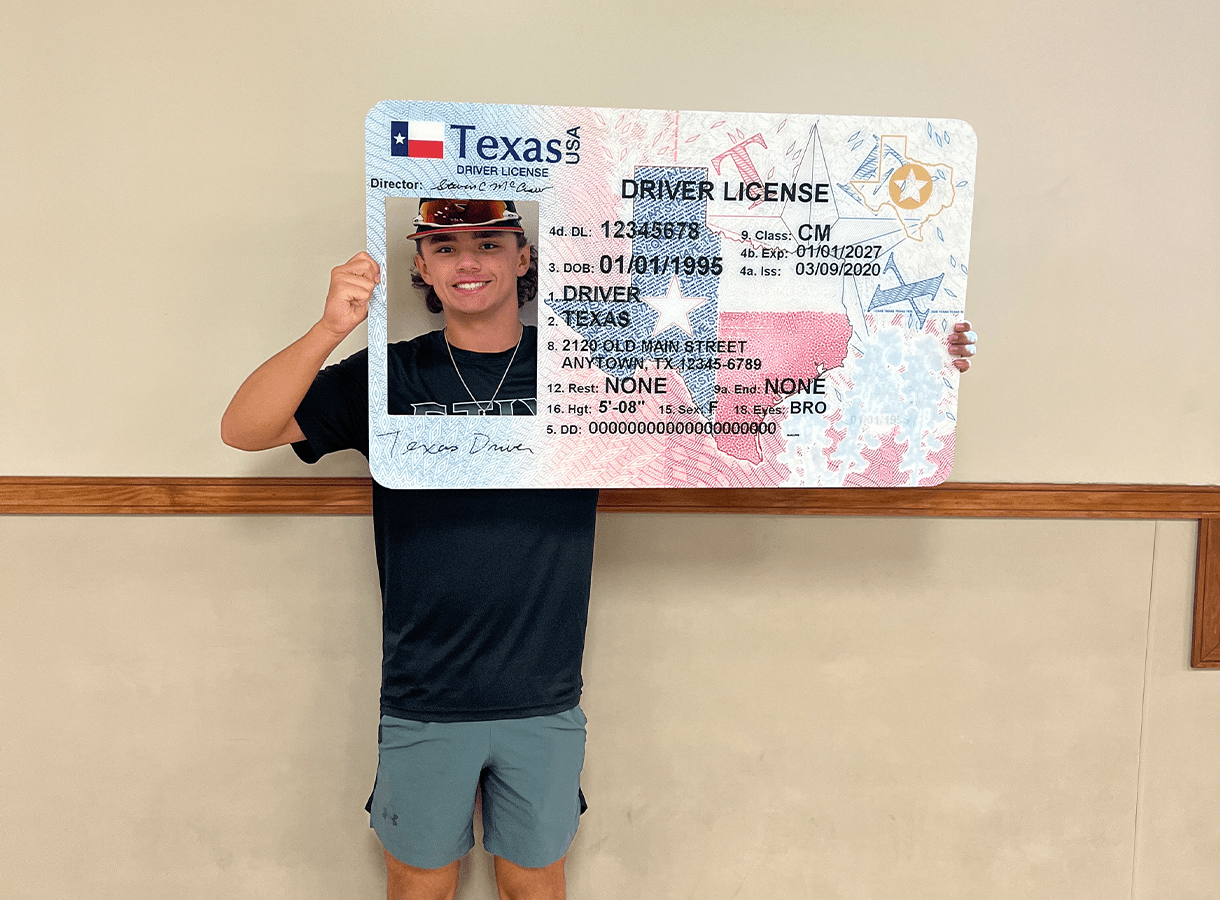
Understanding Your Texas ID Options and Their Importance
Before diving into the specifics of documentation, it’s crucial to understand the two primary forms of official identification issued by the state of Texas: the Texas Driver License (DL) and the Texas Identification Card (ID Card). Both serve as valid proof of identity and age, but the Driver License grants you the privilege to operate a vehicle, while the ID Card is for non-drivers. For anyone settling into the state, securing one of these is an essential component of establishing a new life, enabling everything from setting up utilities for your new accommodation to opening a bank account, and even accessing specific tourism discounts as a resident.
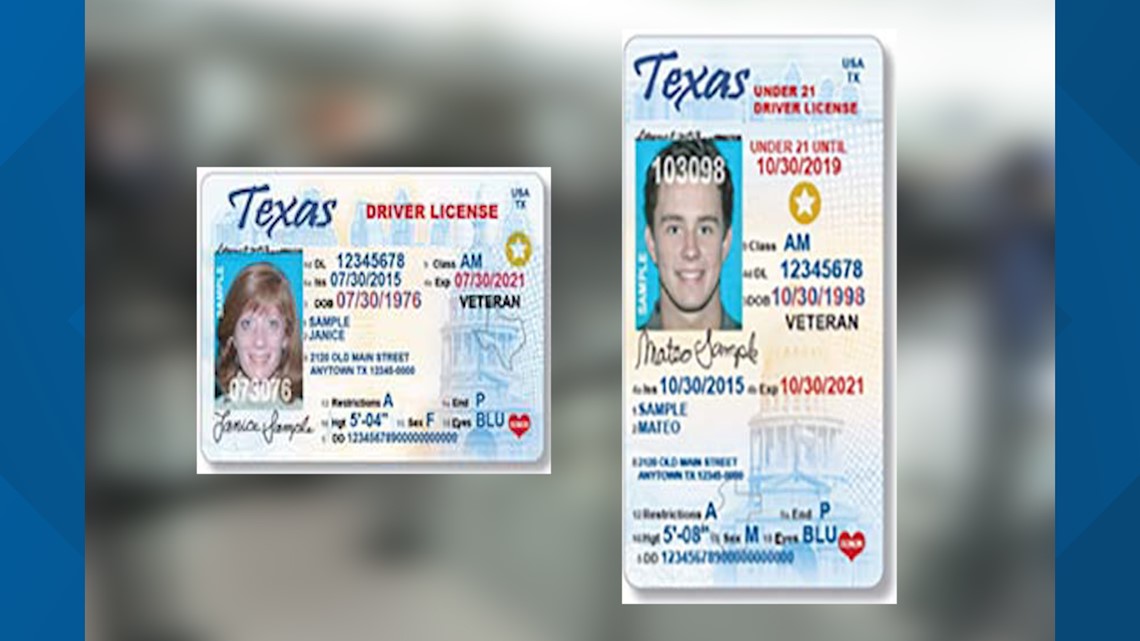
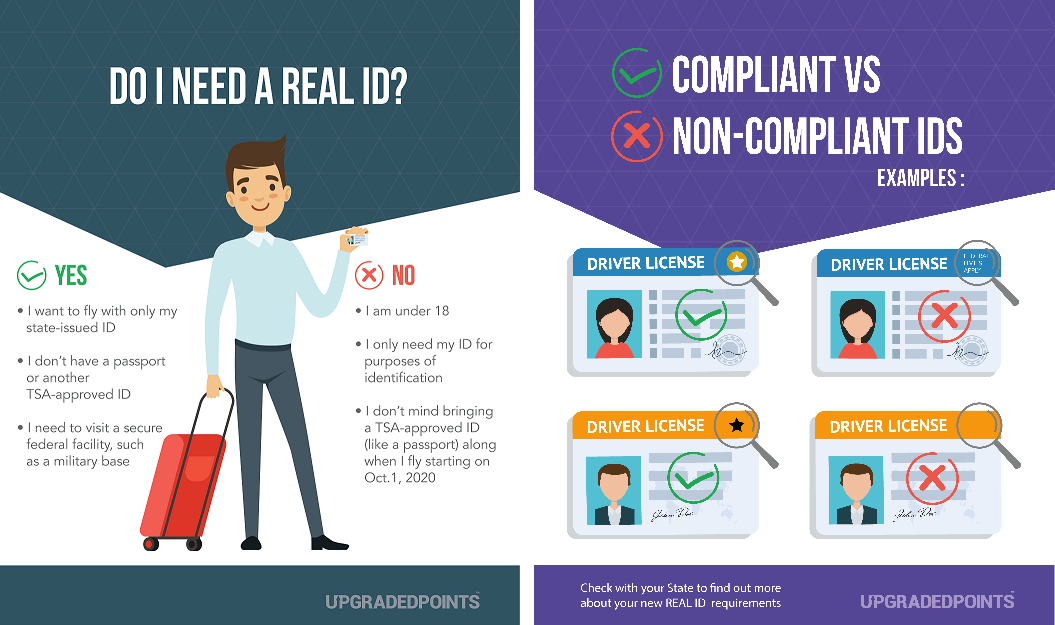
Crucially, modern Texas IDs are also REAL ID compliant, meaning they meet federal security standards for identification. This is vital for domestic air travel within the United States and for accessing certain federal facilities. For the avid traveler or the business professional frequently on the go, a REAL ID compliant card simplifies security checks and ensures you won’t encounter unexpected delays. Imagine arriving at Dallas/Fort Worth International Airport for a connecting flight or embarking on a cruise from Galveston – a proper ID ensures your journey starts smoothly. For new residents, obtaining a Texas ID within 90 days of establishing residency is generally expected, further cementing your place in the community and facilitating a full embrace of the local lifestyle.
The Cornerstone of Residency: Proof of Identity and Legal Presence
The journey to acquiring your Texas ID begins with proving who you are and your legal status in the United States. This is arguably the most critical step, as it forms the bedrock of your application. The Texas Department of Public Safety (DPS) requires original documents or certified copies; photocopies are rarely accepted.
-
Proof of U.S. Citizenship or Lawful Presence: This can be established through several documents. For U.S. citizens, an original or certified copy of your birth certificate, a valid U.S. Passport or Passport Card, or a Certificate of Citizenship or Naturalization are all acceptable. For non-citizens with lawful presence, an unexpired Permanent Resident Card (often known as a Green Card), or an unexpired foreign passport accompanied by a U.S. visa and an approved I-94 document, are typically required. These documents affirm your legal standing and are essential for any official transaction in Texas, from securing long-term accommodation to registering for local community programs.
-
Proof of Identity: While often overlapping with documents used for legal presence, you’ll also need a primary form of identification. If you’re renewing, your existing Texas DL or ID Card works perfectly. Otherwise, a U.S. Passport, an out-of-state Driver License, or a military ID are common choices. This verification step ensures the person applying is indeed who they claim to be, safeguarding against identity theft, which is crucial for protecting your personal information as you settle into a new city like Houston or Fort Worth.
-
Proof of Social Security Number (SSN): The DPS requires documentation of your Social Security Number. Your Social Security Card is the most straightforward option. Alternatively, a W-2 form, an SSA-1099 form, or a pay stub that clearly displays your full SSN are acceptable. For individuals without an SSN, specific affidavits or alternative procedures may apply, so it’s always best to consult the official Texas DPS website for the latest guidance. Having your SSN properly documented is vital not only for your Texas ID but also for employment, taxation, and various other aspects of daily life, particularly when setting up permanent residency.
Establishing Your Texas Roots: Proof of Residency
Beyond proving who you are, the DPS needs to confirm that you are indeed a resident of Texas. This step is particularly relevant for those relocating to the state, symbolizing your commitment to the Lone Star State. You will need two different documents showing your name and current Texas residential address. These documents must be from different sources and generally dated within 90 days of your application.
- Examples of Acceptable Residency Documents:
- Utility Bills: An electric, water, gas, or internet bill. These are common and readily available for most households.
- Financial Statements: Current homeowner’s or renter’s insurance policy, mortgage statements, or bank statements. These reflect your financial ties to your Texas address.
- Lease Agreement/Deed: A current lease agreement for your apartment or home, or the deed to your property, clearly showing your residential address.
- Government Mail: Official mail from a government agency, such as voter registration cards or selective service cards.
- Vehicle-Related Documents: Current Texas vehicle registration or title.
The requirement for two distinct documents helps prevent fraud and ensures legitimate residency. For those who have just moved, collecting these documents can be part of the initial “settling in” process, often coinciding with setting up your new apartment or home. This step solidifies your connection to the Texas community, enabling you to enjoy local amenities and fully participate in civic life, whether it’s exploring local landmarks in Dallas or engaging with the vibrant culture of Houston.
The Application Journey: From Gathering to Getting Your Card
Once you have meticulously gathered all your required documents, the actual application process is relatively straightforward. However, proper preparation can significantly reduce stress and wait times, especially if you’re eager to get out and explore the Texas Hill Country or visit the NASA Johnson Space Center in Houston.
Navigating the DPS Office Visit
The application for a Texas ID must be completed in person at a Texas Department of Public Safety (DPS) office.
- Gather Original Documents: Reiterate this step because it’s paramount. Bring all original documents and any required copies. Organizing them beforehand into categories (identity, residency, SSN) can expedite the process.
- Schedule an Appointment: This is a crucial tip for efficiency. Most DPS offices highly recommend or even require appointments, which can be easily scheduled online via the official Texas DPS website. This can dramatically cut down on wait times, allowing you to plan your day around your visit, perhaps fitting in a brunch in Austin before heading to the office, or an afternoon exploring the Fort Worth Stockyards.
- Visit Your Scheduled DPS Office: Arrive a few minutes early for your appointment. Be prepared for a brief wait, even with an appointment, as processing can vary based on the day and location.
- Complete the Application Form: You’ll be given a physical application form to fill out. Ensure all information is accurate and matches your supporting documents.
- Fingerprints and Photo: As part of the security measures, your fingerprints will be taken, and a new photograph will be snapped for your ID. This photo will be on your permanent card, so be ready for your close-up!
- Pay Applicable Fees: There are fees associated with obtaining a Texas ID or Driver License. These fees vary based on the type of ID and your age. Check the DPS website beforehand for the most current fee schedule, and be prepared to pay with cash, check, money order, or credit/debit card, depending on the DPS location.
- Receive Your Temporary ID: Once your application is processed and fees are paid, you will receive a temporary paper ID. This temporary ID is valid for driving and identification purposes until your permanent card arrives in the mail, typically within a few weeks. This allows you to immediately enjoy the benefits of having a Texas ID, like checking into that stylish boutique hotel in Marfa or renting a car for a road trip along the Gulf Coast.
Special Considerations and Expert Tips for a Smooth Experience
While the core requirements remain consistent, certain situations or proactive steps can further smooth your application process.
- New Residents: If you’re fresh off an interstate move, remember the 90-day window. Obtaining your Texas Driver License or ID card within 90 days of moving to Texas is a legal requirement. This quick action allows you to fully integrate into your new community, whether it’s enjoying the dynamic nightlife on Sixth Street in Austin or exploring the world-class museums in Houston.
- Name Changes: If your name has recently changed due to marriage, divorce, or a legal order, you’ll need to provide certified documentation of this change, such as a marriage certificate or court order. Ensure these documents are original or certified copies.
- Expired Documents: A common pitfall is presenting expired supporting documents. Always double-check that all your identification, residency, and SSN proofs are current and unexpired before your DPS visit.
- Official Website is Your Best Friend: The requirements for obtaining a Texas ID can occasionally change. Before planning your visit, always consult the official Texas Department of Public Safety (DPS) website. It provides the most up-to-date list of acceptable documents, forms, fees, and appointment scheduling options. This diligence will save you potential wasted trips and frustration.
- Consider a Standard ID Card for Non-Drivers: If you do not intend to drive, a standard Texas Identification Card is often a simpler and equally effective solution for official proof of identity and age. It serves all the non-driving purposes, from age verification at local establishments to confirming your identity for hotel check-ins at luxurious resorts across the state.
- Arrive Prepared and Patient: The key to a smooth process is preparation. Having all your original documents neatly organized, along with a printed appointment confirmation, will make your interaction at the DPS office much more efficient. Patience is also a virtue, as government offices can sometimes experience unexpected delays. Use the time to plan your next Texas adventure, whether it’s a visit to the Alamo or a relaxing day at Barton Springs Pool.
Obtaining your Texas ID is more than just a bureaucratic task; it’s a rite of passage for anyone embracing the Texas lifestyle. It empowers you to navigate daily life with ease, enjoy the state’s incredible destinations, from the Riverwalk in San Antonio to the beaches of South Padre Island, and confidently establish your place in the vibrant tapestry of the Lone Star State. By following these guidelines, you can ensure a smooth process, leaving you more time to explore landmarks like Reunion Tower in Dallas, relax at Klyde Warren Park, or shop at The Domain in Austin. Welcome to Texas!
LifeOutOfTheBox is a participant in the Amazon Services LLC Associates Program, an affiliate advertising program designed to provide a means for sites to earn advertising fees by advertising and linking to Amazon.com. Amazon, the Amazon logo, AmazonSupply, and the AmazonSupply logo are trademarks of Amazon.com, Inc. or its affiliates. As an Amazon Associate we earn affiliate commissions from qualifying purchases.