
For travelers, horticulturists, and those considering a lifestyle change, understanding the local climate is key to truly appreciating a destination. When it comes to Dallas, Texas, knowing its gardening zone not only reveals the types of plants that flourish but also hints at the vibrant outdoor experiences, lush landscapes surrounding hotels, and the general ambience that define this dynamic North Texas city. Dallas falls predominantly within USDA Plant Hardiness Zone 8a and 8b, a classification that dictates the average annual extreme minimum winter temperature. This designation plays a crucial role in shaping the city’s botanical identity, influencing everything from public parks and private gardens to the seasonal availability of local produce and the aesthetic appeal of various accommodations.
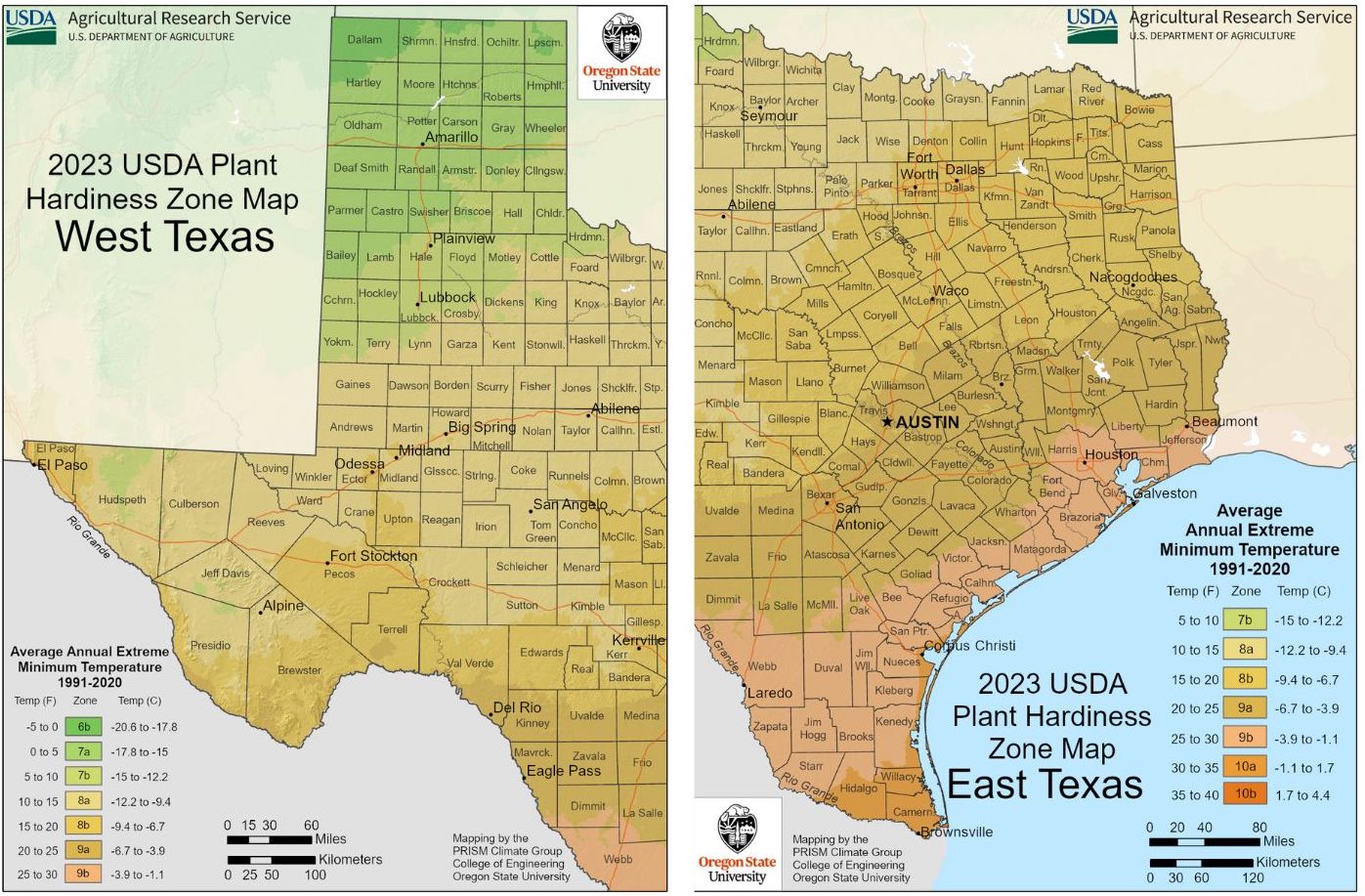
The USDA Plant Hardiness Zone Map is a vital tool for gardeners and growers across the United States, dividing the country into zones based on their average annual extreme minimum winter temperatures. Each zone represents a 10-degree Fahrenheit range, further broken down into ‘a’ and ‘b’ subzones, which denote a 5-degree Fahrenheit difference. For Dallas, being in Zone 8a/8b signifies relatively mild winters compared to more northern regions, allowing a diverse array of plants to thrive. This article delves into what these zones mean for Dallas, how they impact the travel and tourism experience, and what visitors can expect from the city’s green spaces and culinary scene.
Understanding Dallas’s USDA Plant Hardiness Zone
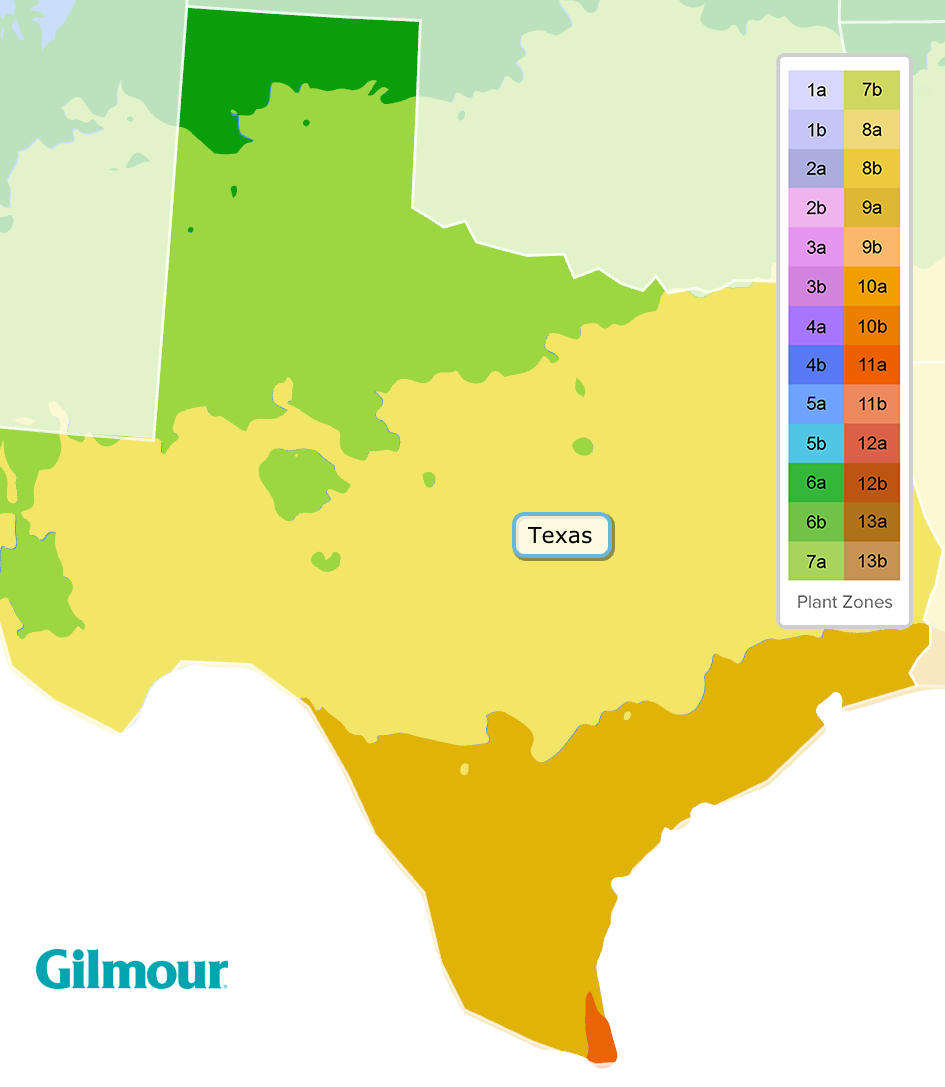
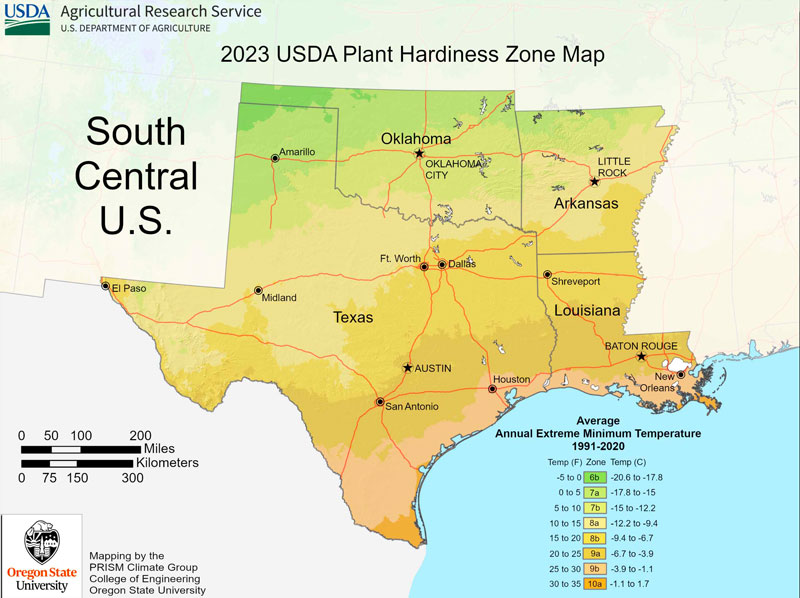
The classification of Dallas within USDA Zones 8a and 8b is fundamental to its botanical character. These zones are defined by specific temperature ranges, directly influencing plant survival during the coldest parts of the year.
Decoding Zone 8a and 8b
Zone 8a typically experiences average annual extreme minimum temperatures between 10°F and 15°F (-12.2°C to -9.4°C).
Zone 8b is slightly warmer, with average annual extreme minimum temperatures ranging from 15°F to 20°F (-9.4°C to -6.7°C).
The slight variation across Dallas and its surrounding areas (e.g., parts of Fort Worth, Plano, or Grapevine may lean more heavily into one subzone) means that while most plants suitable for Zone 8 will do well, some more sensitive species might require extra protection in the colder pockets of 8a. Generally, this mild winter climate allows for a longer growing season and a broader selection of plant life that wouldn’t survive in colder zones. This includes a variety of evergreen shrubs, perennial flowers, and even some tropical or semi-tropical species that can overwinter outdoors with minimal fuss. For the discerning traveler, this translates to vibrant landscapes virtually year-round, making any visit a picturesque experience, whether you’re strolling through a park or enjoying the view from your hotel balcony.
The Microclimates of North Texas
While the USDA zones provide a broad guideline, North Texas also experiences microclimates—localized atmospheric conditions that differ from the surrounding area. Urban heat islands, created by the concentration of concrete and buildings in the Central Business District, can slightly elevate temperatures, potentially pushing urban gardens closer to the 8b range even if the surrounding suburbs are 8a. Conversely, areas near large bodies of water or open fields might experience slightly colder temperatures. These nuances can affect plant choices for local residents, but for tourists, they simply contribute to the rich diversity of flora you might encounter throughout the city. From the carefully curated beds of a luxury hotel to the sprawling natural beauty of a nature preserve, Dallas’s climate fosters a varied and engaging botanical tapestry, inviting exploration and appreciation of its unique natural charm.
Dallas’s Lush Landscapes: A Tourist’s Perspective
The mild climate of Dallas’s Zone 8a/8b enables the city to boast an impressive collection of green spaces, botanical gardens, and outdoor recreational areas that are prime attractions for visitors. These verdant havens not only provide respite from the urban hustle but also offer a deep dive into the local flora and an opportunity to experience Dallas’s vibrant outdoor lifestyle.
Iconic Botanical Havens and Parks
One of the crown jewels of Dallas’s green landscape is the Dallas Arboretum and Botanical Garden. Spanning 66 acres along White Rock Lake, this world-renowned garden takes full advantage of the Zone 8 climate. It features a stunning array of plants, trees, and flowers that thrive in the local conditions, from vibrant spring tulips and azaleas to resilient drought-tolerant species. Visitors can explore diverse themed gardens, such as the Rory Meyers Children’s Adventure Garden, the Palmer Fern Dell, and the Jonsson Color Garden, each showcasing different aspects of horticulture suitable for the region. Seasonal festivals, like Dallas Blooms in spring and Autumn at the Arboretum, draw crowds from across the globe, transforming the gardens into breathtaking displays of color and artistry.
Beyond the Arboretum, Dallas offers numerous other parks that exemplify its horticultural capabilities. Klyde Warren Park, an urban oasis built over a freeway in the Dallas Arts District, provides a beautifully landscaped space for recreation, dining, and cultural events. Its careful selection of trees and plantings, designed to withstand urban conditions while adhering to Zone 8 suitability, contributes to its popularity as a gathering spot. Fair Park, home to the annual State Fair of Texas, also features impressive landscaping and art deco architecture, with its gardens showcasing resilient plants that can handle both the summer heat and occasional winter dips.
For nature enthusiasts, the Trinity Trails system, bordering the Trinity River, offers miles of scenic pathways lined with native Texas plants, providing a glimpse into the region’s natural ecological beauty. These trails are perfect for walking, cycling, or simply enjoying the peaceful ambiance away from the city’s hustle.
Experiencing Dallas’s Outdoor Lifestyle
The mild climate and abundant green spaces profoundly influence the lifestyle in Dallas, making outdoor activities a year-round possibility. For tourists, this means a wealth of opportunities to enjoy the city’s natural beauty and vibrant outdoor culture. Many restaurants, especially in areas like Uptown and Bishop Arts District, feature inviting patio dining, allowing patrons to savor local cuisine amidst beautifully landscaped settings, often adorned with drought-tolerant Texas perennials and shade trees.
Events like outdoor concerts, art festivals, and farmers’ markets (Dallas Farmers Market) thrive in this environment, offering unique cultural experiences under the open sky. Travelers can plan their visits to coincide with these seasonal festivities to fully immerse themselves in the local scene. The ability to enjoy outdoor recreation almost any time of the year, from picnics in the park to kayaking on White Rock Lake, adds significant value to the Dallas travel experience, highlighting its appeal as a destination for those who appreciate nature and an active lifestyle. Whether it’s exploring historical sites like Southfork Ranch or engaging with educational institutions like the Sixth Floor Museum or the Perot Museum of Nature and Science, the pleasant outdoor environment enhances the overall visitor experience. Even the Dallas World Aquarium, while indoors, leverages a tropical environment that benefits from the warmer climate considerations.
Cultivating Your Dallas Experience: From Hotels to Home Gardens
The Zone 8a/8b classification of Dallas extends its influence far beyond public parks, permeating the urban fabric, including the landscaping of hotels and the seasonal availability of local produce. For visitors, this means a consistent visual appeal and a rich culinary landscape throughout their stay.
Accommodation with a Botanical Flair
Hotels and resorts in Dallas often take advantage of the favorable climate to create stunning outdoor spaces. Many Dallas hotels, from luxurious downtown properties to charming boutique hotels in neighborhoods like Uptown or Oak Lawn, feature meticulously maintained gardens, courtyards, and poolside landscapes. These green oases provide a serene escape, enhancing the guest experience and offering beautiful backdrops for relaxation. Expect to see a variety of hardy palms, lush evergreen shrubs like loropetalum and abelia, and a vibrant rotation of seasonal flowers, particularly during spring and fall.
The thoughtful integration of local flora into hotel design contributes to the overall aesthetic and sense of place. Guests might enjoy breakfast on a patio surrounded by blooming crape myrtles, take a dip in a pool framed by drought-tolerant succulents and ornamental grasses, or simply appreciate the well-manicured grounds that reflect Dallas’s commitment to green urban living. For those considering long-term stays or relocating, understanding this gardening zone is also crucial for evaluating properties with private outdoor spaces, ensuring their vision for a home garden is achievable. The ability to cultivate a wide range of plants, from herbs to ornamental trees, adds significantly to the lifestyle appeal of residing in Dallas.
Seasonal Delights and Local Produce
The Zone 8 climate also has a profound impact on the local food scene, influencing the types of produce grown and the culinary experiences available. The extended growing season means that farmers’ markets, such as the renowned Dallas Farmers Market, offer a diverse selection of fresh, seasonal fruits and vegetables for much of the year. Visitors can explore stalls laden with ripe tomatoes, sweet berries, leafy greens, and various root vegetables, depending on the season. This abundance supports a thriving farm-to-table movement in Dallas, with many restaurants sourcing ingredients locally to create dishes that highlight the region’s agricultural bounty.
Travelers interested in culinary tourism will find that the gardening zone contributes to the distinct flavors of Texas cuisine, from fresh salsas made with locally grown chilies to dishes featuring seasonal squash or melons. The mild winters also allow for year-round cultivation of many herbs, ensuring fresh ingredients are always on hand. Experiencing the local food culture is an integral part of travel, and in Dallas, the Zone 8 climate ensures a rich and varied gastronomic journey that celebrates the fertility of the land.
Planning Your Visit: Best Times for Garden Enthusiasts
Understanding Dallas’s Zone 8a/8b hardiness is invaluable when planning a trip, particularly for those interested in gardens, outdoor activities, and enjoying the city’s natural beauty. While Dallas offers attractions year-round, certain seasons truly showcase its botanical splendor.
The absolute best times for garden enthusiasts to visit Dallas are spring (March through May) and fall (late September through November).
- Spring: This is arguably the most spectacular season. After the mild Texas winter, the city bursts into a riot of color. The Dallas Arboretum and Botanical Garden hosts its renowned Dallas Blooms festival, featuring over 500,000 spring-blooming bulbs, including tulips, daffodils, and hyacinths, alongside azaleas, dogwoods, and cherry trees. Temperatures are pleasantly warm, perfect for strolling through parks, enjoying outdoor patios, and exploring the city on foot.
- Fall: As summer heat subsides, Dallas welcomes cooler temperatures and another wave of botanical beauty. Autumn at the Arboretum transforms the garden with over 90,000 pumpkins, gourds, and squashes creating a charming display, complemented by vibrant fall foliage from trees like Bald Cypress, Oak, and Maple varieties suitable for Zone 8. This season is ideal for outdoor festivals, enjoying the Trinity Trails, and experiencing the quintessential Texas outdoor lifestyle.
While summer (June through August) can be intensely hot, with temperatures often exceeding 90°F (32°C), it still offers opportunities for enjoyment, especially in the early mornings or evenings. Many plants that thrive in Zone 8, such as crape myrtles, salvias, and lantanas, are in full bloom, bringing splashes of color despite the heat. Exploring indoor attractions like museums, the Dallas World Aquarium, or air-conditioned shopping districts can be combined with short outdoor excursions.
Winter (December through February) in Dallas is generally mild, with occasional cold snaps but rarely prolonged freezing temperatures. While deciduous trees lose their leaves, evergreen plants and winter annuals maintain a level of green and subtle beauty. Holiday light displays, such as those at the Dallas Arboretum and Botanical Garden or Vitruvian Park in Addison, offer enchanting evening experiences. This is also a great time to enjoy the city’s diverse culinary scene and cultural offerings without the large crowds of peak seasons.
In conclusion, Dallas’s classification within USDA Plant Hardiness Zones 8a and 8b is a defining characteristic that shapes much of the visitor experience. It enables a year-round display of green spaces, fosters an outdoor-oriented lifestyle, influences the aesthetic of accommodations, and enriches the local food culture. For any traveler, understanding this fundamental aspect of Dallas’s climate unlocks a deeper appreciation for its beauty, vitality, and the myriad of experiences it has to offer. Whether you’re a passionate gardener, a nature lover, or simply seeking a vibrant destination with a lush backdrop, Dallas is poised to surprise and delight.
LifeOutOfTheBox is a participant in the Amazon Services LLC Associates Program, an affiliate advertising program designed to provide a means for sites to earn advertising fees by advertising and linking to Amazon.com. Amazon, the Amazon logo, AmazonSupply, and the AmazonSupply logo are trademarks of Amazon.com, Inc. or its affiliates. As an Amazon Associate we earn affiliate commissions from qualifying purchases.