
The vast, sprawling landscapes of Texas are renowned for their rugged beauty, from sun-baked deserts to verdant forests, but come springtime, a particular natural wonder transforms the state into a vibrant canvas: the Texas Bluebonnet. Officially recognized as the state flower, this iconic bloom isn’t just a pretty face; it’s a deeply ingrained symbol of the Lone Star State, embodying its wild spirit, rich history, and enduring charm. For travelers planning a visit, witnessing the bluebonnet season is a bucket-list experience, offering unparalleled opportunities for scenic drives, picturesque photography, and a deep dive into local culture. Whether you’re a nature enthusiast, a history buff, or simply seeking a unique travel experience, understanding the bluebonnet is key to unlocking the heart of Texas during its most beautiful time of year.
The Iconic Texas Bluebonnet: A Symbol of the Lone Star State
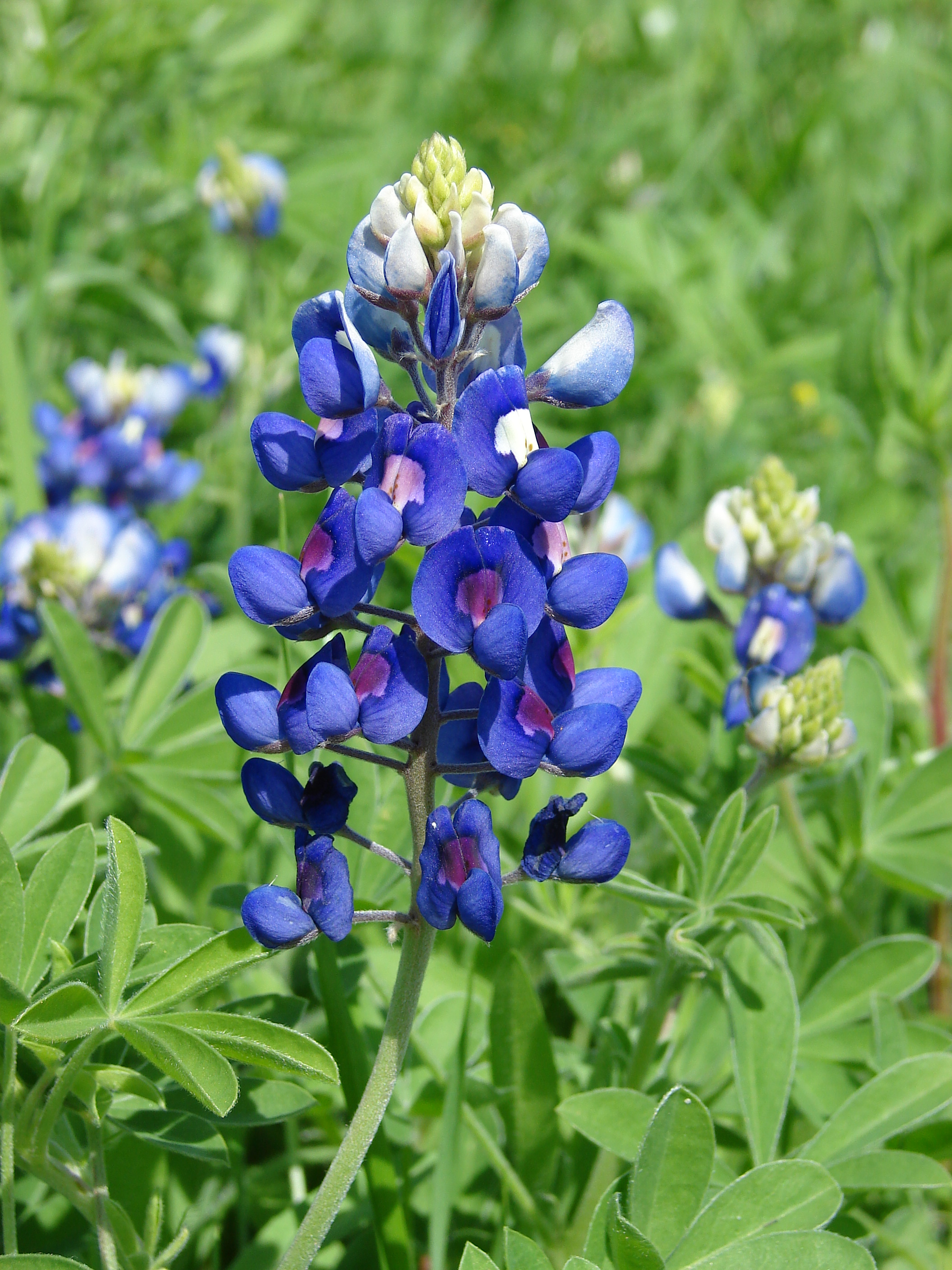
The question “What is the Texas state flower?” is met with a resounding answer: the bluebonnet. More specifically, in 1901, the Texas State Legislature adopted Lupinus texensis (the Texas bluebonnet) as the official state flower. However, acknowledging the diversity within the species, they later expanded the definition in 1971 to include “any and all other species of bluebonnet growing in Texas and so commonly known.” This inclusive approach perfectly captures the widespread affection Texans have for these captivating wildflowers. From the rolling hills of the Texas Hill Country to the expansive plains, bluebonnets paint the landscape in breathtaking shades of indigo, violet, and sky blue, signaling the arrival of spring and drawing visitors from across the globe.
A Rich History and Cultural Significance
The bluebonnet’s significance in Texas extends far beyond its botanical beauty. Its history is intertwined with Native American legends, tales of pioneer resilience, and modern-day traditions. According to one popular legend, the bluebonnet’s distinctive bonnet-like shape was inspired by the sunbonnets worn by pioneer women, bending humbly in prayer. Another story, deeply rooted in Native American lore, speaks of a young girl sacrificing her most prized possession – a doll adorned with blue feathers – to bring rain and end a drought, with bluebonnets blooming where her sacrifice was made. These stories, whether fact or folklore, illustrate the flower’s enduring emotional connection to the land and its people.
Culturally, the bluebonnet has inspired countless artists, poets, and musicians, becoming a ubiquitous symbol in Texas art and literature. Its annual bloom is a major event, celebrated with festivals, photography sessions, and family road trips. It represents hope, renewal, and the rugged beauty of the Lone Star State. For families, annual bluebonnet photos are a cherished tradition, capturing generations amidst fields of blue. The presence of these flowers fosters a sense of collective pride and shared heritage, making them an indispensable part of the Texas identity. Understanding this deep cultural reverence enriches the travel experience, allowing visitors to connect with the state’s soul.
The Five Species of Texas Bluebonnets
While Lupinus texensis is the most widely recognized and abundant species, the “any and all other species” clause in the official designation acknowledges that Texas is home to several varieties of bluebonnets, each with its unique characteristics and preferred habitats. Knowing these distinct species adds another layer of appreciation for the state’s floral diversity:
- Texas Bluebonnet (Lupinus texensis): This is the classic bluebonnet, found predominantly in central and eastern Texas, especially throughout the Texas Hill Country. It’s characterized by dense spikes of intensely blue flowers with a distinctive white (sometimes reddish) tip. This is the species most commonly photographed and celebrated.
- Sandyland Bluebonnet (Lupinus subcarnosus): Historically the original state flower from 1901, before Lupinus texensis took precedence, this species is found in sandy soils of coastal and eastern Texas. It’s generally shorter and features more sparsely arranged flowers with a reddish-purple hue near the center.
- Big Bend Bluebonnet (Lupinus havardii): True to its name, this magnificent species thrives in the rocky, arid landscapes of the Big Bend region of West Texas. It’s the tallest of the bluebonnets, sometimes reaching up to three feet in height, boasting impressive, long spikes of blue flowers.
- Dwarf Bluebonnet (Lupinus concinnus): A smaller, less conspicuous variety, the dwarf bluebonnet is found primarily in West Texas and the Panhandle. Its flowers are typically smaller and often mottled with shades of purple, pink, and white.
- Plains Bluebonnet (Lupinus plattensis): This species is more common in the Panhandle and parts of North Texas, extending into neighboring states. It’s often taller than Lupinus subcarnosus and has blue flowers that form a more conical shape.
The presence of these diverse species ensures that no matter which part of Texas you visit during spring, there’s a good chance you’ll encounter a stunning display of bluebonnets, each contributing to the state’s floral tapestry. This natural phenomenon offers a unique travel experience, turning a simple road trip into an unforgettable journey through a living, breathing natural landmark.
Planning Your Bluebonnet Adventure: When and Where to Witness the Bloom
For travelers eager to immerse themselves in the vibrant bluebonnet season, timing and location are everything. Planning a trip to coincide with peak bloom requires a bit of research, but the rewards are fields of breathtaking beauty and memories that last a lifetime. This is where travel planning, destination guides, and local tourism insights become invaluable for crafting the perfect bluebonnet itinerary.
Best Time to See Bluebonnets
The bluebonnet bloom is largely dependent on weather patterns, but generally, the peak season in Texas falls between mid-March and mid-April.
- Early March: Southern Texas and coastal regions might see the first blooms.
- Late March to Early April: This is typically the sweet spot for the Texas Hill Country, which is the most popular viewing area.
- Mid to Late April: Northern Texas and the Panhandle will experience their peak later in the season.
Factors like rainfall, temperature, and sun exposure in the preceding winter and early spring can shift these dates by a week or two each year. It’s highly advisable to check local tourism websites or social media groups for “wildflower updates” in the weeks leading up to your planned visit. Organizations like the Lady Bird Johnson Wildflower Center in Austin often provide excellent bloom trackers and regional reports, serving as an invaluable guide for your travel plans.
Top Bluebonnet Viewing Destinations
While bluebonnets can be found across much of the state, certain regions and towns are particularly famous for their spectacular displays, drawing thousands of visitors annually. These locations offer well-established bluebonnet trails, scenic routes, and often host related festivals, making them prime destinations for a dedicated wildflower trip:
- Texas Hill Country: Undoubtedly the most famous region for bluebonnet viewing, the rolling hills and picturesque towns west of Austin are legendary. Towns like Fredericksburg, Burnet (often called the “Bluebonnet Capital of Texas”), Llano, and Marble Falls are prime locations. The roads connecting these towns, such as US-290 and TX-16, are often lined with vibrant fields.
- Ennis: Located south of Dallas, Ennis is officially recognized by the Texas State Legislature as the “Official Bluebonnet City of Texas” and home to the “Official Texas Bluebonnet Trail.” Each year, volunteers scout and map out over 40 miles of scenic driving trails, making it incredibly easy for visitors to find the best blooms. The annual Ennis Bluebonnet Festival is a major draw, offering a vibrant celebration of spring and local culture.
- Brenham / Chappell Hill (Washington County): East of Austin and northwest of Houston, Washington County is another excellent area, particularly around the historic towns of Brenham and Chappell Hill. This region is known for its rolling farmland, historic plantations, and, of course, incredible bluebonnet displays, often mixed with other wildflowers like Indian paintbrushes.
- Lady Bird Johnson Wildflower Center, Austin: While not a natural field, this renowned botanical garden is dedicated to the preservation and display of native Texas plants. During bluebonnet season, it offers meticulously curated displays of bluebonnets and other wildflowers, providing an accessible and educational viewing experience, especially for those staying in Austin.
- Wildseed Farms, Fredericksburg: As the nation’s largest working wildflower farm, Wildseed Farms offers extensive fields of bluebonnets and numerous other wildflowers, along with walking trails, a butterfly garden, and a gift shop. It’s a fantastic, family-friendly destination in the heart of the Hill Country.
Bluebonnet Trails and Scenic Drives

The true joy of bluebonnet viewing often lies in the journey itself. Texas offers numerous scenic drives that transform into breathtaking “bluebonnet trails” during springtime. These routes allow travelers to experience the blooms at their own pace, stopping for photos or picnics.
- The Official Texas Bluebonnet Trail (Ennis): As mentioned, Ennis provides detailed maps of their 40-mile trail, perfect for a self-guided tour.
- Willow City Loop (Fredericksburg area): This 13-mile loop northeast of Fredericksburg is perhaps the most famous bluebonnet drive in the state. It winds through a private ranchland, but the public road offers incredible vistas of bluebonnets cascading down hillsides and into valleys. Be prepared for slow traffic and many stops for photos.
- Roads around Burnet, Llano, and Marble Falls: TX-29, TX-71, and US-281 crisscross some of the most wildflower-rich areas of the Hill Country. Detours onto smaller county roads often reveal hidden gems.
- FM 1155 and FM 2621 (Brenham area): These Farm-to-Market roads around Brenham and Chappell Hill offer beautiful pastoral scenes interspersed with dazzling bluebonnet fields.
When embarking on these drives, it’s advisable to fill up your tank, pack snacks, and bring plenty of water, as some of these routes venture into more rural areas where amenities are scarce. These scenic drives are not just about seeing flowers; they are about embracing the travel experience, discovering charming small towns, and appreciating the diverse natural beauty that Texas has to offer.
Enhancing Your Texas Wildflower Experience: Accommodation and Activities
A bluebonnet viewing trip to Texas is more than just driving past fields; it’s an immersive experience that can be elevated with thoughtful accommodation choices and complementary activities. Integrating elements of local tourism, hospitality, and lifestyle, visitors can craft an unforgettable journey that combines natural beauty with cultural exploration and relaxation.
Choosing Your Stay: From Boutique Hotels to Quaint B&Bs
Accommodation plays a crucial role in any travel experience, and during bluebonnet season, finding the right place can significantly enhance your trip. Given the popularity of the bloom, booking well in advance, especially in prime Hill Country towns, is highly recommended.
- Boutique Hotels & Resorts: In larger towns like Fredericksburg, Georgetown, or even Austin, you’ll find a range of boutique hotels and resorts that offer comfort and luxury. Many of these properties integrate local Texas charm with modern amenities, some even boasting scenic views or easy access to wildflower routes. For a more luxurious lifestyle experience, consider resorts that offer spa services, fine dining, and curated tours, allowing you to relax after a day of wildflower hunting.
- Bed & Breakfasts (B&Bs): For a more intimate and authentic experience, especially in smaller towns like Chappell Hill or Burnet, a quaint B&B can be ideal. These often provide personalized service, local insights, and a cozy atmosphere that perfectly complements the rustic beauty of the bluebonnets. Many B&Bs are housed in historic homes, adding another layer of cultural immersion.
- Vacation Rentals (Villas, Apartments, Cabins): For families or groups, vacation rentals through platforms focusing on accommodation can offer more space, privacy, and amenities like kitchens, which can be budget-friendly and convenient for longer stays. Imagine a cabin in the Hill Country with a porch overlooking a field of bluebonnets – a truly idyllic experience.
- Camping/RV Parks: For budget travelers or those seeking a closer connection to nature, state parks and private RV parks in bluebonnet-rich areas offer fantastic options. Waking up surrounded by wildflowers is an unparalleled experience, especially when combined with hiking or wildlife viewing.
Regardless of your preference, ensuring your chosen accommodation provides comfortable lodging and convenient access to the bluebonnet trails will be key to a successful and enjoyable trip. Always check reviews and compare options to find the best fit for your travel style and budget.
Beyond the Blooms: Complementary Texas Experiences
While bluebonnets are the main attraction, a trip during spring offers a fantastic opportunity to explore other facets of Texas tourism and local culture.
- Wine Tasting in the Hill Country: The Texas Hill Country is a renowned wine region, with numerous vineyards and wineries, particularly around Fredericksburg. Combine a scenic drive through bluebonnet fields with stops at charming tasting rooms for a perfect blend of natural beauty and gourmet experiences. Many wineries offer picturesque patios where you can enjoy a glass amidst the blossoming landscape.
- Historic Sites and Small Towns: Many of the bluebonnet hotbeds are also rich in history. Explore the historic main street of Fredericksburg with its German heritage, visit the Washington-on-the-Brazos State Historic Site (where Texas declared its independence) near Brenham, or stroll through the Victorian charm of downtown Georgetown. These landmarks offer a glimpse into the state’s past.
- Local Cuisine: Indulge in authentic Texas barbecue, Tex-Mex, and regional farm-to-table dining. Small towns often have local diners and cafes serving up comfort food that reflects the heart of the community. Don’t forget to try regional delicacies like pecan pie or peach cobbler, especially if visiting areas known for their produce.
- Outdoor Activities: Beyond wildflower viewing, many state parks and natural areas offer hiking, bird watching, and fishing. Places like Pedernales Falls State Park or Enchanted Rock State Natural Area (while not guaranteed for bluebonnets) provide stunning natural backdrops for other outdoor adventures.
- Festivals and Events: Beyond the Ennis Bluebonnet Festival, many other towns host spring festivals that celebrate wildflowers, local music, art, and food. These events offer a fantastic way to engage with the local community and experience the vibrant Texas lifestyle.
Integrating these activities allows travelers to curate a diverse itinerary that appeals to various interests, transforming a simple bluebonnet trip into a comprehensive Texas adventure.
Photography Tips and Responsible Viewing Practices
Capturing the breathtaking beauty of the Texas Bluebonnet fields is a highlight for many visitors, but it’s essential to do so responsibly and respectfully. These tips ensure you get stunning photos while preserving the natural landscape for everyone to enjoy.
- Timing is Key for Photography: The best light for photography is typically during the “golden hour” – the hour after sunrise and the hour before sunset. The soft, warm light enhances the colors of the bluebonnets and creates beautiful shadows. Overcast days can also provide soft, even lighting without harsh shadows.
- Perspective and Composition: Get low to the ground to capture the expansive feel of the fields. Use leading lines (like a winding path or a fence) to draw the viewer’s eye into the frame. Incorporate elements like old barns, oak trees, or distant Texas Hill Country vistas to add context and depth to your photos.
- Dress Smart: For those iconic photos among the flowers, wear colors that contrast well with blue, such as white, yellow, or red. Avoid blue clothing, as it might blend in too much with the bluebonnets.
- Safety First: Be aware of your surroundings. Texas wildlife, including snakes, ticks, and fire ants, can be present in tall grass. Stick to established paths where possible. Never stop on busy highways to take photos; always pull completely off the road in a safe, designated area.
Protecting the Blooms: Responsible Tourism
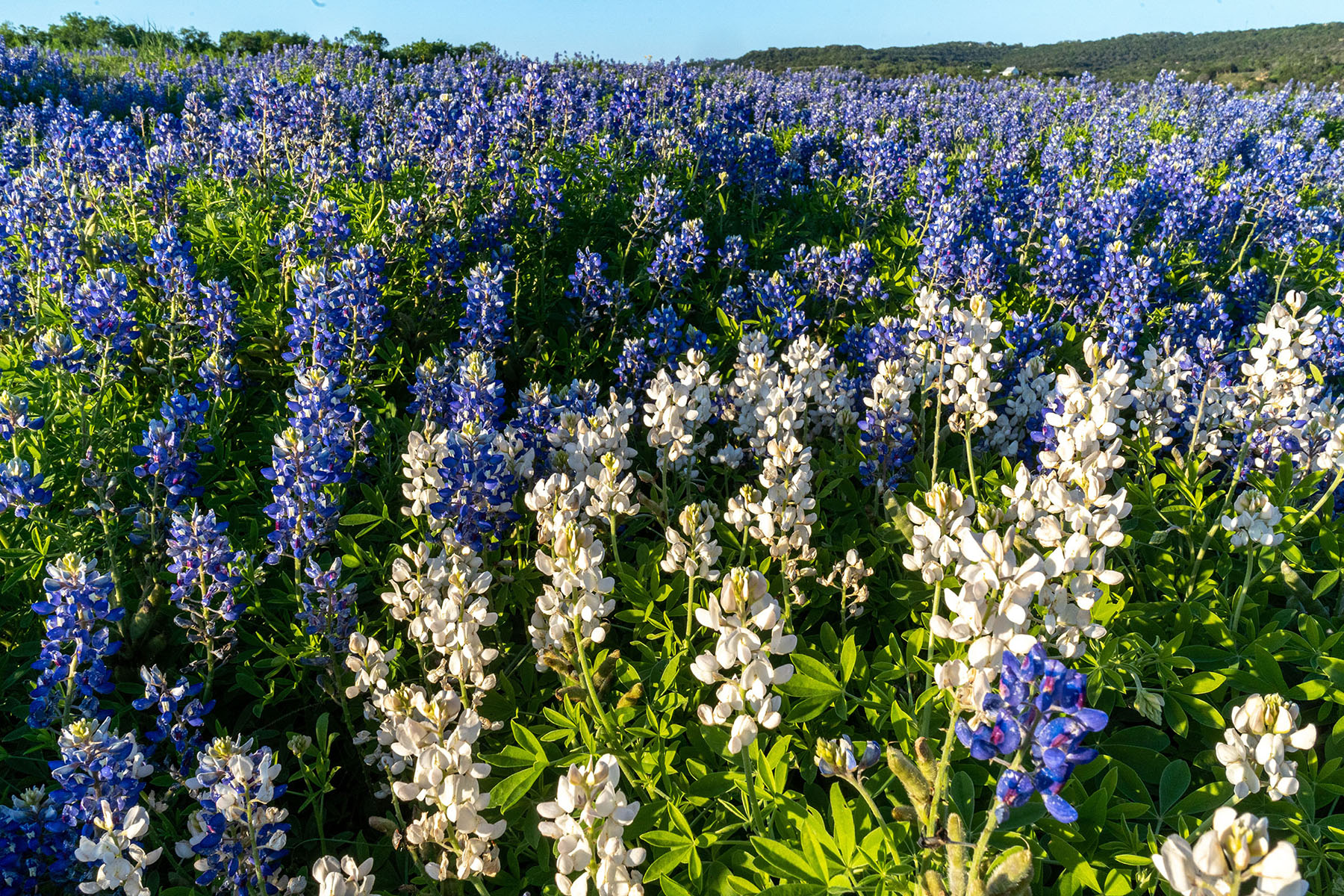
The beauty of the bluebonnets is fragile, and it’s up to every visitor to help protect them. Responsible viewing practices are crucial to ensure these stunning displays return year after year.
- Stay on Designated Paths or Road Shoulders: Never walk into private property without permission. Many of the most beautiful fields are on private land, and trespassing is illegal and disrespectful to landowners. Stick to public land, park boundaries, or the shoulders of public roads.
- Do Not Pick the Flowers: This is perhaps the most important rule. Picking bluebonnets prevents them from going to seed, which is essential for next year’s bloom. Let them stand tall so that countless others can enjoy their beauty and ensure their propagation.
- Leave No Trace: Pack out everything you pack in. Do not leave trash, picnic remnants, or any other waste behind. The goal is to leave the area exactly as you found it, or better.
- Educate Others: If you see someone picking flowers or acting irresponsibly, kindly educate them on the importance of preserving the bluebonnets.
- Support Local Conservation Efforts: Consider visiting places like the Lady Bird Johnson Wildflower Center or supporting local organizations dedicated to wildflower preservation.
By following these guidelines, visitors can not only capture stunning photographs and create cherished memories but also contribute to the long-term sustainability of Texas’s most beloved natural landmark. The bluebonnet is more than just a flower; it’s a testament to the wild beauty of Texas, a tradition, and a treasured part of the state’s identity, inviting travelers to explore its landscapes and connect with its vibrant spirit. So, when you plan your next spring travel adventure, let the allure of the Texas Bluebonnet guide you to an unforgettable journey into the heart of the Lone Star State.
LifeOutOfTheBox is a participant in the Amazon Services LLC Associates Program, an affiliate advertising program designed to provide a means for sites to earn advertising fees by advertising and linking to Amazon.com. Amazon, the Amazon logo, AmazonSupply, and the AmazonSupply logo are trademarks of Amazon.com, Inc. or its affiliates. As an Amazon Associate we earn affiliate commissions from qualifying purchases.