
Texas, a land of vast landscapes, diverse cultures, and a fiercely independent spirit, holds a special place in its heart for a particular tree: the majestic Pecan. More than just a source of delicious nuts, the Pecan tree (Carya illinoinensis) is the official Texas State Tree, a symbol deeply woven into the state’s history, economy, and culinary traditions. From its stately presence in Texas landscapes to its vital role in local agriculture and celebratory feasts, the Pecan embodies the very essence of the Lone Star State. For travelers venturing into Texas, understanding the significance of this iconic tree offers a unique lens through which to appreciate its natural beauty, rich heritage, and vibrant local culture. Whether you’re planning a trip to explore famous landmarks, indulge in Texan cuisine, or simply enjoy the great outdoors, the story of the Pecan tree is an essential part of the Texas experience.
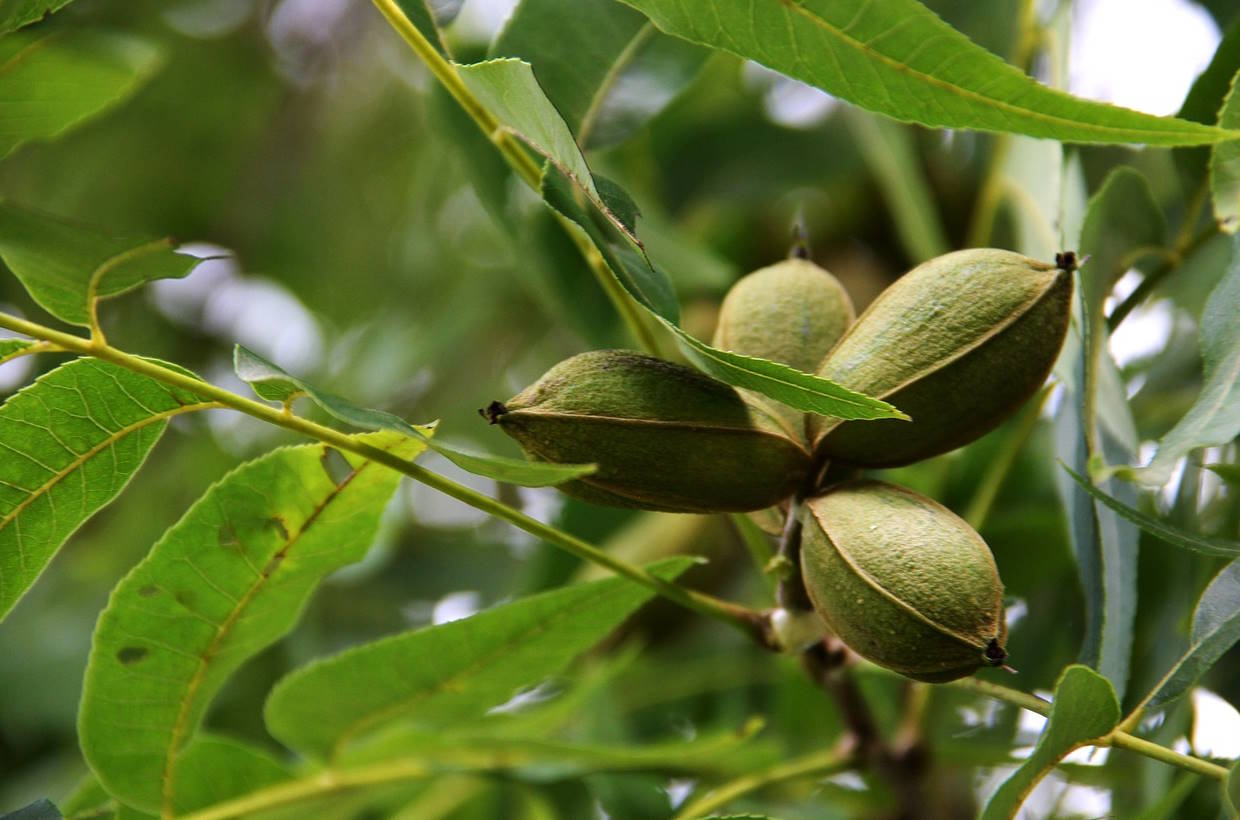
The Majestic Pecan: Texas’s Official State Tree
The journey of the Pecan from a common native tree to the revered Texas State Tree is a tale steeped in appreciation for nature and a touch of legislative charm. Its designation reflects not only the tree’s ubiquitous presence across the state but also its profound impact on the lives of Texans for centuries. This section delves into the fascinating history of its official recognition and the distinctive characteristics that make the Pecan such a remarkable and recognizable species.
A Legacy Etched in Law: How the Pecan Became the State Tree
The story of the Pecan’s official designation begins with a man whose love for this particular tree was legendary: Governor James Stephen Hogg. Hogg, who served as governor of Texas from 1891 to 1895, was a fervent admirer of the Pecan. He famously instructed that a Pecan tree be planted at the head of his grave, rather than a traditional monument, stating, “I want no monument of stone or marble, but let my grave be marked by a Pecan tree, and in the shade of its branches let the children of Texas play and Texans eat of its fruit.” His personal affinity for the tree laid the groundwork for its future recognition.
Decades later, in 1919, the Texas Legislature, perhaps inspired by Hogg’s sentiment and the widespread appreciation for the tree, officially declared the Pecan as the Texas State Tree. This decision was a testament to the tree’s natural abundance in the state, its economic importance, and its integral role in Texas culture. It was an acknowledgment of the Pecan as a quintessential symbol of the state’s natural bounty and enduring spirit. The legislative act not only cemented its status but also encouraged its preservation and cultivation, ensuring that future generations of Texans could continue to enjoy its shade and its nutritious nuts. This historical moment connected the natural world with the legislative process, creating a symbol that resonates deeply with the state’s identity. For visitors interested in Texas history and its symbols, understanding this origin story adds a layer of depth to their appreciation of the Pecan tree when encountering it throughout their travels.
Distinguishing Features of the Pecan Tree
The Pecan tree, scientifically known as Carya illinoinensis, is a magnificent species native to North America, particularly prevalent in the southern United States and Mexico. It is a member of the hickory family, known for its impressive size, longevity, and of course, its delicious nuts. A mature Pecan tree can grow to remarkable heights, often exceeding 100 feet and occasionally reaching over 150 feet, with a broad, spreading canopy that provides generous shade, a cherished commodity in the Texas climate. Its trunk can achieve a diameter of several feet, showcasing deeply furrowed, reddish-brown bark that becomes more textured with age.
The leaves of the Pecan are alternate, pinnately compound, meaning they consist of several leaflets arranged along a central stem. Each leaf typically has 9-17 lance-shaped, finely serrated leaflets that are dark green above and paler below. In autumn, these leaves transform into a beautiful golden-yellow hue, adding vibrant color to the Texan fall landscape. The tree is monoecious, producing both male (catkins) and female flowers on the same tree, facilitating wind pollination.
However, the most famous feature of the Pecan tree is undoubtedly its nut. The Pecan nut is encased in a relatively thin, elongated, smooth brown shell. Inside, the kernel is characterized by its rich, buttery flavor and distinctive texture. These nuts typically mature in the fall, dropping from the trees from late September through December. Pecan trees are known for their deep taproots, which allow them to draw water from considerable depths, making them surprisingly drought-tolerant and well-suited to the varied soil conditions found across Texas. This combination of majestic appearance, generous shade, and edible bounty makes the Pecan tree an exceptional species, instantly recognizable and deeply cherished by Texans and visitors alike. When planning your travels through Texas, look for these impressive trees, especially when visiting state parks or natural areas, to truly appreciate their grandeur.
Beyond the Branch: The Pecan’s Enduring Impact on Texas
The Pecan tree’s significance in Texas extends far beyond its botanical characteristics and official status. It plays a pivotal role in the state’s economy, particularly in agriculture, and has deeply embedded itself into the state’s culinary traditions and cultural identity. Understanding these dimensions provides travelers with a richer appreciation for how deeply this native tree has shaped the fabric of Texas life.
An Economic Powerhouse: Pecan Cultivation and Industry
Texas is not only the state that declared the Pecan its official tree but also one of the leading Pecan-producing states in the United States. The pecan industry in Texas is a significant agricultural sector, contributing substantially to the state’s economy. Pecans are unique as the only commercially grown nut crop native to North America. This natural advantage, coupled with the state’s favorable climate and extensive river bottomlands, has fostered a thriving cultivation landscape.
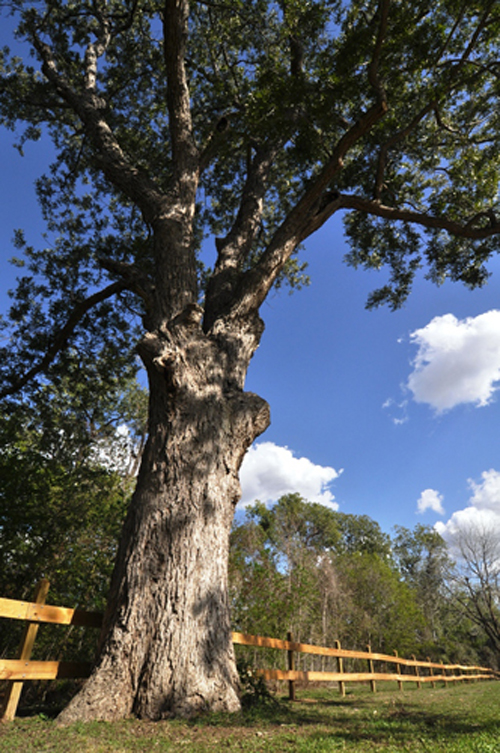
The cultivation of Pecans in Texas ranges from small family pecan orchards to large commercial operations. Historically, wild Pecan groves along rivers like the Colorado, Brazos, and Trinity were the primary source. However, modern pecan production largely relies on improved grafted varieties that yield larger, more consistent nuts. The U.S. Department of Agriculture has played a role in developing many of these varieties, which are now grown in dedicated orchards across the state.
One of the most notable centers of pecan production is the town of San Saba, proudly known as the “Pecan Capital of the World.” Here, the pecan industry is a way of life, with numerous pecan groves, shelling plants, and retail stores dedicated to Pecan products. The Texas Pecan Growers Association plays a crucial role in supporting growers, promoting research, and advocating for the industry, ensuring the continued health and productivity of Texas Pecan crops. The industry supports countless jobs, from cultivation and harvesting to processing, packaging, and distribution. Travelers interested in agritourism or local food industries can find unique farm tours and opportunities to purchase fresh, locally grown Pecans directly from the source, contributing to the thriving local economy.
Culinary Delights and Cultural Significance
Beyond its economic footprint, the Pecan holds an irreplaceable spot in the heart of Texan cuisine and cultural celebrations. The most iconic culinary creation featuring this nut is, without a doubt, Pecan Pie. This rich, sweet, and nutty dessert is a quintessential Texas dessert, especially beloved during holiday seasons like Thanksgiving and Christmas. Almost every Texas family has a cherished recipe for Pecan Pie, often passed down through generations, making it a powerful symbol of home, comfort, and Texas heritage.
But the Pecan’s culinary versatility extends far beyond pie. Pecan pralines, a sweet candy often found in New Orleans but also popular in Texas, offer another delightful way to enjoy the nuts. Pecans are also incorporated into various dishes, from savory salads and roasted vegetable sides to breads, cookies, and ice creams. Many local restaurants across Texas proudly feature Pecans in their menus, offering visitors a taste of authentic Texan flavors.
Historically, the Pecan was a vital food source for Native American tribes indigenous to Texas and surrounding regions. Tribes like the Comanche and Apache relied on Pecans for sustenance, crushing them to make a rich, high-energy paste, using them in pemmican, and even extracting oil. The ease of storage and nutritional value of Pecans made them an invaluable part of their diet, particularly during leaner seasons. This deep historical connection further solidifies the Pecan’s role in the cultural narrative of Texas. For travelers exploring Texas, seeking out pecan-related culinary experiences is an immersive way to connect with the state’s flavors and history, providing a true taste of Texas.
Experiencing the Pecan Tree Across Texas
For those planning a trip to Texas, the opportunity to experience the magnificence of the Pecan tree and its associated culture is abundant. From exploring natural groves to participating in vibrant festivals, the state offers numerous ways to connect with its official tree. These experiences not only showcase the beauty of the Pecan but also immerse visitors in the unique Texan lifestyle.
Top Destinations for Pecan Enthusiasts
To truly appreciate the grandeur of the Pecan tree, visitors should consider exploring regions where they naturally thrive or are extensively cultivated. The river bottomlands across East, Central, and parts of West Texas are prime locations to witness ancient Pecan groves. Many state parks and national forests in Texas preserve these natural habitats. For instance, parks along the Brazos River or Colorado River often feature majestic Pecans providing ample shade for picnickers and hikers.
The town of San Saba, as the “Pecan Capital of the World,” is an essential stop for any Pecan enthusiast. Here, visitors can tour pecan orchards, visit local businesses specializing in Pecan products, and purchase freshly shelled nuts or gourmet pecan treats. Other towns like Lampasas and Seguin also have strong ties to the pecan industry and offer local shops and experiences. In the Texas Hill Country, while not solely a Pecan hub, many ranches and agritourism destinations will feature Pecan trees, often integrated into their landscapes and culinary offerings. When planning your accommodation, consider staying in charming boutique hotels or guesthouses in these towns, allowing for an immersive local experience that connects directly with the Pecan culture.

Embracing the Pecan Lifestyle: Events and Activities
To fully embrace the Pecan’s role in Texan life, consider timing your visit with one of the state’s dedicated Pecan festivals. The most prominent of these is the annual Texas Pecan Festival in San Saba, typically held in the fall when the Pecan harvest is in full swing. This vibrant festival is a lively celebration featuring everything Pecan-related: cooking contests, local crafts, live music, and abundant opportunities to sample and purchase a wide array of pecan-flavored products, from pies and candies to Pecan oil and roasted nuts. It’s an excellent destination for family trips and offers a glimpse into the joyful spirit of Texan communities.
Beyond festivals, visitors can enjoy more intimate pecan experiences. Many pecan orchards offer farm tours during harvest season, allowing guests to learn about cultivation, watch nuts being collected, and even pick their own. Culinary tours in major Texas cities like Dallas, Houston, San Antonio, and Austin often include stops at bakeries or specialty food stores renowned for their Pecan Pie or other Pecan-based treats. Even a simple picnic under the shade of a magnificent Pecan tree in a Texas park can be a memorable way to connect with this iconic symbol. Embracing the pecan lifestyle means more than just eating the nuts; it’s about appreciating the tree’s beauty, understanding its history, and participating in the community traditions it inspires, making for rich and meaningful travel experiences.
The Pecan tree stands tall not just as the official Texas State Tree, but as a living testament to the state’s natural beauty, economic vitality, and enduring cultural spirit. From the foresight of Governor James Stephen Hogg to its current status as a culinary icon and agricultural powerhouse, the Pecan has deeply rooted itself in the Texan identity. For any traveler exploring the diverse destinations and attractions of Texas, taking the time to understand and experience the Pecan is a rewarding endeavor. Whether you’re savoring a slice of Pecan Pie at a local cafe, wandering through an ancient pecan grove, or celebrating at the Texas Pecan Festival, you’ll discover a piece of Texas that is as rich, resilient, and welcoming as the tree itself. Make the Pecan an integral part of your next Texas adventure – it’s an experience that truly connects you to the heart and soul of the Lone Star State.
LifeOutOfTheBox is a participant in the Amazon Services LLC Associates Program, an affiliate advertising program designed to provide a means for sites to earn advertising fees by advertising and linking to Amazon.com. Amazon, the Amazon logo, AmazonSupply, and the AmazonSupply logo are trademarks of Amazon.com, Inc. or its affiliates. As an Amazon Associate we earn affiliate commissions from qualifying purchases.