
Texas, the colossal Lone Star State, is a land of vast distances, diverse landscapes, and vibrant cultures. From the sun-drenched beaches of the Gulf Coast to the rugged mountains of West Texas, and from the bustling urban centers like Houston and Dallas to the charming historic towns of the Texas Hill Country, Texas offers an unparalleled array of travel experiences. Whether you’re planning a luxury escape, a budget-friendly family adventure, a business trip, or even considering a long-term stay, understanding the local telecommunications landscape is surprisingly crucial. So, what exactly is the area code for Texas?
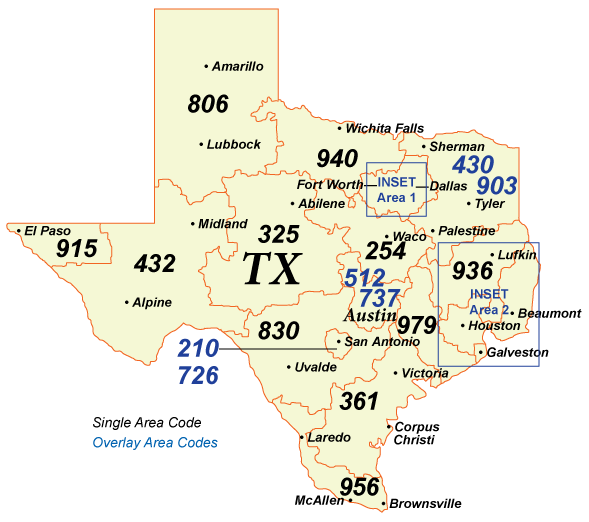
The simple answer is that there isn’t just one. Given its sheer size—second only to Alaska in the United States—Texas is served by a multitude of area codes, each designating a specific geographic region. For any traveler, tourist, or new resident, knowing these codes is more than just a matter of dialing; it’s a key piece of information that connects you to accommodations, attractions, local services, and the pulse of the community. From booking a resort in San Antonio to ordering takeout in Austin, or contacting roadside assistance in a remote part of the state, these three-digit prefixes are your gateway to seamless communication in the Lone Star State.
Navigating the Lone Star State: Why Area Codes Matter for Travelers
For visitors exploring the diverse destinations and attractions of Texas, area codes serve as an essential tool for seamless communication. Imagine you’re planning a trip to the Dallas-Fort Worth Metroplex, hoping to explore the Sixth Floor Museum and catch a game. You’ll likely need to call hotels for reservations, check availability at popular restaurants, or even contact local tour operators. Knowing the correct area code ensures your calls connect instantly, saving you time and potential frustration.
Beyond mere convenience, area codes often implicitly define a region, offering a quick geographical reference point. When you see a number starting with 713, 281, or 346, you instantly know you’re dealing with Houston or its surrounding metropolitan area. Similarly, 512 and 737 immediately bring to mind the vibrant capital city of Austin. This geographical association aids in organizing contacts and understanding where a service or business is located, which is invaluable for itinerary planning and on-the-go adjustments during your travels.
The Vastness of Texas and Its Telecommunication Tapestry
Texas’s immense geographical expanse necessitates a complex system of area codes. Unlike smaller states that might be covered by one or two, Texas has over two dozen active area codes and overlay codes, reflecting its population density and regional divisions. Each of these codes typically covers a distinct region, ranging from a single large city and its suburbs to vast, sparsely populated rural areas.
This telecommunication tapestry mirrors the state’s incredible diversity. From the tech-driven innovation hubs in Austin to the oil fields of West Texas, and from the historic charm of San Antonio’s Riverwalk to the cattle ranches of the Panhandle, each region has its unique character and communication needs. Understanding this distributed system helps travelers appreciate the scale of Texas and prepare adequately for their journey, whether it involves booking a suite in a five-star hotel or finding a quaint bed and breakfast off the beaten path.
Practical Applications for Tourists and Business Travelers
For both tourists and business travelers, being familiar with Texas area codes has several practical benefits.
- Accommodation Bookings: When reserving rooms at hotels, suites, or villas, especially independent or smaller establishments, you’ll often encounter local phone numbers. Knowing the area code confirms you’re contacting the correct location, particularly if there are similarly named properties in different parts of the state.
- Restaurant Reservations and Food Delivery: Whether you’re craving authentic Texas BBQ in Austin or fine dining in Dallas, making reservations is easier when you have the full local number. Many food delivery services also operate based on local numbers, ensuring your order reaches the right place.
- Emergency and Local Services: While 911 is universal, having local police or fire department non-emergency numbers, or numbers for medical clinics, can be useful. These will always include the local area code. Roadside assistance, car rental agencies, and public transportation services also rely on local contact numbers.
- Tourism Information and Guides: Local tourism boards, attraction ticket offices, and private tour guides will typically provide local phone numbers. Accessing these services directly enhances your travel experience, from securing tickets to Space Center Houston to arranging a wine tour in the Hill Country.
- Business Connections: For business travelers, area codes are fundamental. Connecting with local clients, suppliers, or conference organizers requires accurate dialing. It also aids in setting up temporary office spaces, accessing local amenities, or even finding a reliable dry cleaner in an unfamiliar city.
- Lifestyle and Long-term Stays: If you’re considering an extended stay or even relocating, understanding area codes helps you establish local contacts for apartment viewings, utility services, or community groups. It’s a small but significant step towards feeling integrated into a new environment.
A Guide to Texas Area Codes by Major Regions
To simplify navigation, let’s break down Texas’s primary area codes by its major geographical and metropolitan regions. This guide will help you quickly identify the codes relevant to your travel plans, linking them directly to popular destinations and lifestyle experiences.
North Texas: Dallas-Fort Worth Metroplex and Beyond
North Texas is dominated by the sprawling Dallas-Fort Worth Metroplex, one of the largest metropolitan areas in the United States. This region is a hub for business, luxury travel, and cultural experiences, offering everything from world-class museums to professional sports venues.
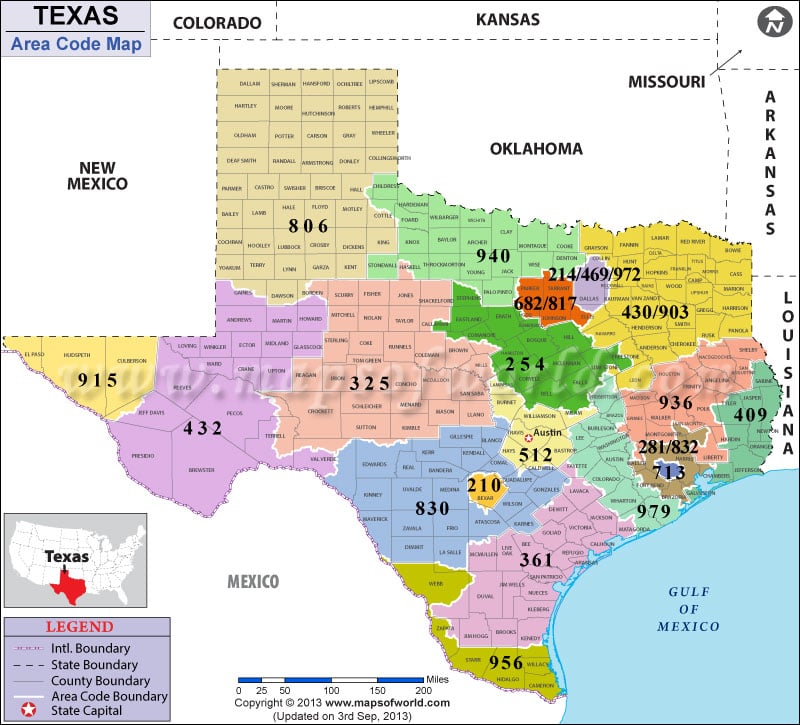
- 214, 469, 972, and 945: These codes primarily serve Dallas and its immediate suburbs. When contacting a five-star hotel in downtown Dallas, a boutique shop in Uptown, or a business in Plano or Irving, you’ll likely use one of these.
- 817, 682, and 817 (original): These are associated with Fort Worth and its surrounding areas. If you’re planning to visit the historic Stockyards National Historic District or attending an event at Dickies Arena, these are your codes.
- 940: Covers areas north of the Metroplex, including cities like Denton and Wichita Falls. This region is known for its universities and a more relaxed lifestyle.
- 903 and 430: These codes serve East Texas, including cities like Tyler and Texarkana, characterized by pine forests and lakes, ideal for nature-focused tourism and family trips.
Central Texas: Austin and San Antonio’s Charms
Central Texas is a captivating blend of vibrant city life, historical landmarks, and scenic natural beauty, notably the Texas Hill Country.
- 512 and 737: These are the area codes for Austin, the state capital and a renowned hub for live music, technology, and outdoor activities. Whether you’re booking a stay at a trendy boutique hotel, making dinner reservations on South Congress Avenue, or planning a visit to the Texas State Capitol, these codes are essential.
- 210 and 726: These codes cover San Antonio, a city rich in history and culture. Home to The Alamo and the famous Riverwalk, San Antonio is a top tourist destination. You’ll use these codes to book charming hotels along the river, explore historical missions, or enjoy its renowned culinary scene.
- 254: Extends through the central part of the state, covering cities like Waco (home to Magnolia Market at the Silos) and Killeen. This area offers a mix of small-town charm and military history.
- 325: Covers a broad area of West Central Texas, including Abilene and San Angelo, offering glimpses into ranching culture and the vast open spaces of the state.
- 830: Encompasses much of the picturesque Texas Hill Country, including popular towns like Fredericksburg, New Braunfels, and Boerne. This region is ideal for luxury travel, outdoor adventures, wine tasting, and exploring scenic routes.
Gulf Coast and East Texas: Houston’s Energy and Piney Woods
The Gulf Coast is anchored by the massive city of Houston, a global hub for energy, aerospace, and culture, while East Texas offers a greener, more serene experience.
- 713, 281, 832, and 346: These codes are dedicated to Houston and its surrounding metropolitan area. For business stays, visiting world-class museums in the Museum District, or exploring Space Center Houston, these are the numbers you’ll need.
- 409: Covers the far Southeast Texas region, including Galveston and Beaumont. Galveston is a popular destination for beach resorts, historic architecture, and cruise departures.
- 936: Serves areas north and northeast of Houston, extending into the Piney Woods of East Texas, including cities like Conroe and Huntsville. This region offers excellent opportunities for camping, fishing, and exploring state parks.
- 979: Encompasses the Brazos Valley and adjacent Gulf Coast areas, including Bryan-College Station (home to Texas A&M University) and Lake Jackson.
- 361: Covers the Coastal Bend region, including Corpus Christi and Padre Island. Ideal for beach vacations, water sports, and exploring national seashore parks.
West Texas and The Panhandle: Deserts, Mountains, and Ranches
West Texas is known for its dramatic desert landscapes, mountain ranges, and a strong sense of frontier history, offering unique outdoor adventures and a more rugged lifestyle experience.
- 915: The primary area code for El Paso, a vibrant border city in the far west, nestled in the Chihuahuan Desert against the Franklin Mountains. This area is excellent for exploring a fusion of cultures, hiking, and enjoying authentic Tex-Mex cuisine.
- 432: Covers much of the vast West Texas region, including cities like Midland, Odessa, and the artistic enclave of Marfa. This is the gateway to natural wonders like Big Bend National Park and a destination for those seeking unique, off-the-beaten-path experiences and long-term stays in remote areas.
- 806: Encompasses the entire Texas Panhandle and South Plains, including major cities like Amarillo and Lubbock. This region is famous for its cattle ranches, Cadillac Ranch, and the dramatic Palo Duro Canyon State Park, offering a taste of authentic Texas cowboy culture.
Understanding Area Code Overlays and Future Trends
As Texas’s population continues to grow, particularly in its major metropolitan areas, the demand for new phone numbers also increases. To address this, telecommunication authorities often implement “overlay” area codes. An overlay means that a new area code is introduced into the same geographical region as an existing one. For example, 469 was overlaid on 214 in the Dallas area, and 737 on 512 in Austin.
The main implication of an overlay for residents and travelers alike is that you must always dial the full 10-digit number (area code + 7-digit number), even for local calls within the same overlay region. This ensures your call connects to the intended recipient, regardless of which area code their number was assigned. While it requires a slight adjustment in dialing habits, overlays are a necessary evolution to ensure a sufficient supply of phone numbers for the state’s growing population and bustling economy. As Texas continues to attract new residents, businesses, and tourists, we can expect to see further introductions of overlay codes in the future.
Planning Your Texas Trip: A Telecommunication Checklist
To ensure a smooth and connected travel experience in Texas, consider these tips:
- Save Numbers with Full Area Codes: Always save contact numbers for hotels, emergency services, attractions, and tour operators with their full 10-digit code, even if they are in the same city you are visiting. This prevents dialing errors, especially in overlay regions.
- International Dialing: If you are visiting Texas from outside North America, remember to dial the United States country code (+1) before the 10-digit area code and number.
- Pre-program Important Contacts: Before you arrive, add numbers for your accommodation, car rental company, local emergency contacts (if applicable), and any booked tours or experiences to your phone.
- Consider a Local SIM Card: For long-term stays or extensive travel, purchasing a local Texas SIM card can be cost-effective and provide easier access to local services. This often comes with a new local area code specific to the region where it’s activated.
- Utilize Digital Communication: While phone calls are important, leverage apps for messaging, booking, and navigation. However, always have phone numbers as a backup.
Beyond the Digits: Experiencing Texas Through Its Regions
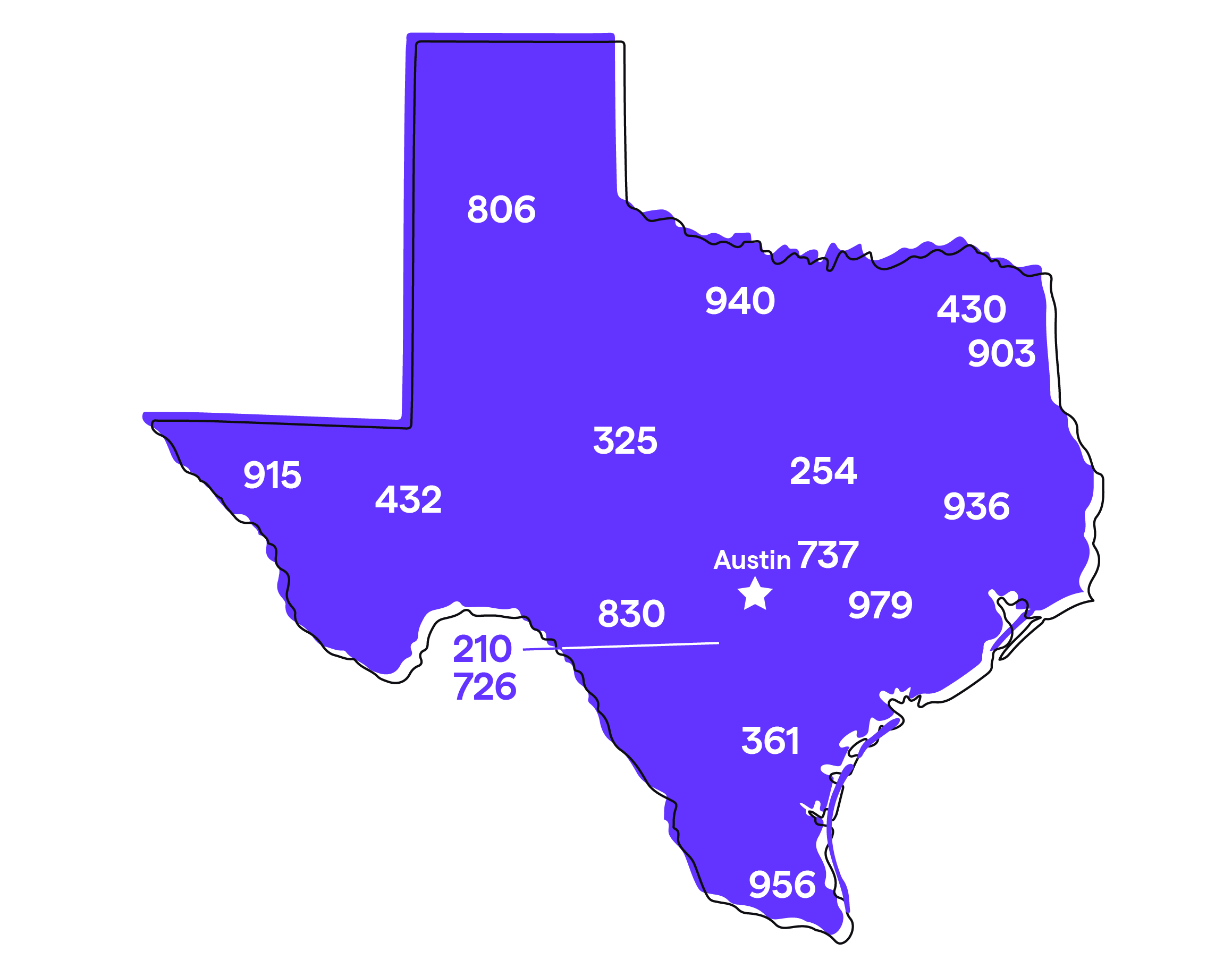
While understanding the area codes for Texas is a practical necessity for any traveler, it’s merely a small piece of the grand tapestry that defines this magnificent state. Each area code, in essence, is a gateway to a distinct region, each with its unique blend of landmarks, local culture, culinary delights, and lifestyle offerings. From the vibrant nightlife and innovative cuisine of Austin (512, 737) to the historic charm of San Antonio’s missions and the famous Riverwalk (210, 726), your journey through Texas is an exploration of contrasts and rich experiences.
Whether you’re indulging in luxury travel in Dallas (214, 469, 972) with its high-end hotels and fashion districts, or seeking budget-friendly family trips to the beaches of Galveston (409), knowing how to connect locally ensures your trip is as smooth as possible. These area codes are more than just numbers; they represent communities, destinations, and the endless possibilities for adventure and discovery that await in the Lone Star State. So, dial with confidence and prepare to immerse yourself in all that Texas has to offer.
LifeOutOfTheBox is a participant in the Amazon Services LLC Associates Program, an affiliate advertising program designed to provide a means for sites to earn advertising fees by advertising and linking to Amazon.com. Amazon, the Amazon logo, AmazonSupply, and the AmazonSupply logo are trademarks of Amazon.com, Inc. or its affiliates. As an Amazon Associate we earn affiliate commissions from qualifying purchases.