
Texas stands as a colossus in the United States, not just in its vast geographical expanse but increasingly in its demographic footprint. The Lone Star State has been a magnet for growth for decades, consistently ranking among the fastest-growing states in the nation. As we navigate 2024, the question “What is the population of Texas?” carries significant implications, not only for urban planners and economists but also for the travel, tourism, and accommodation industries that thrive on its vibrant dynamism.
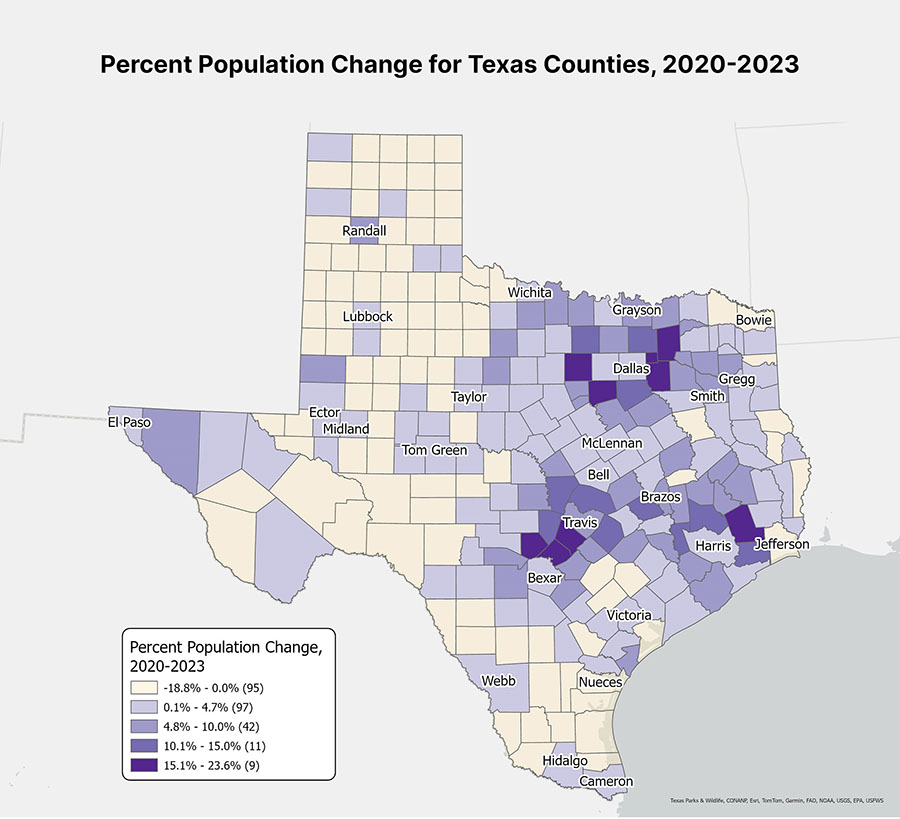
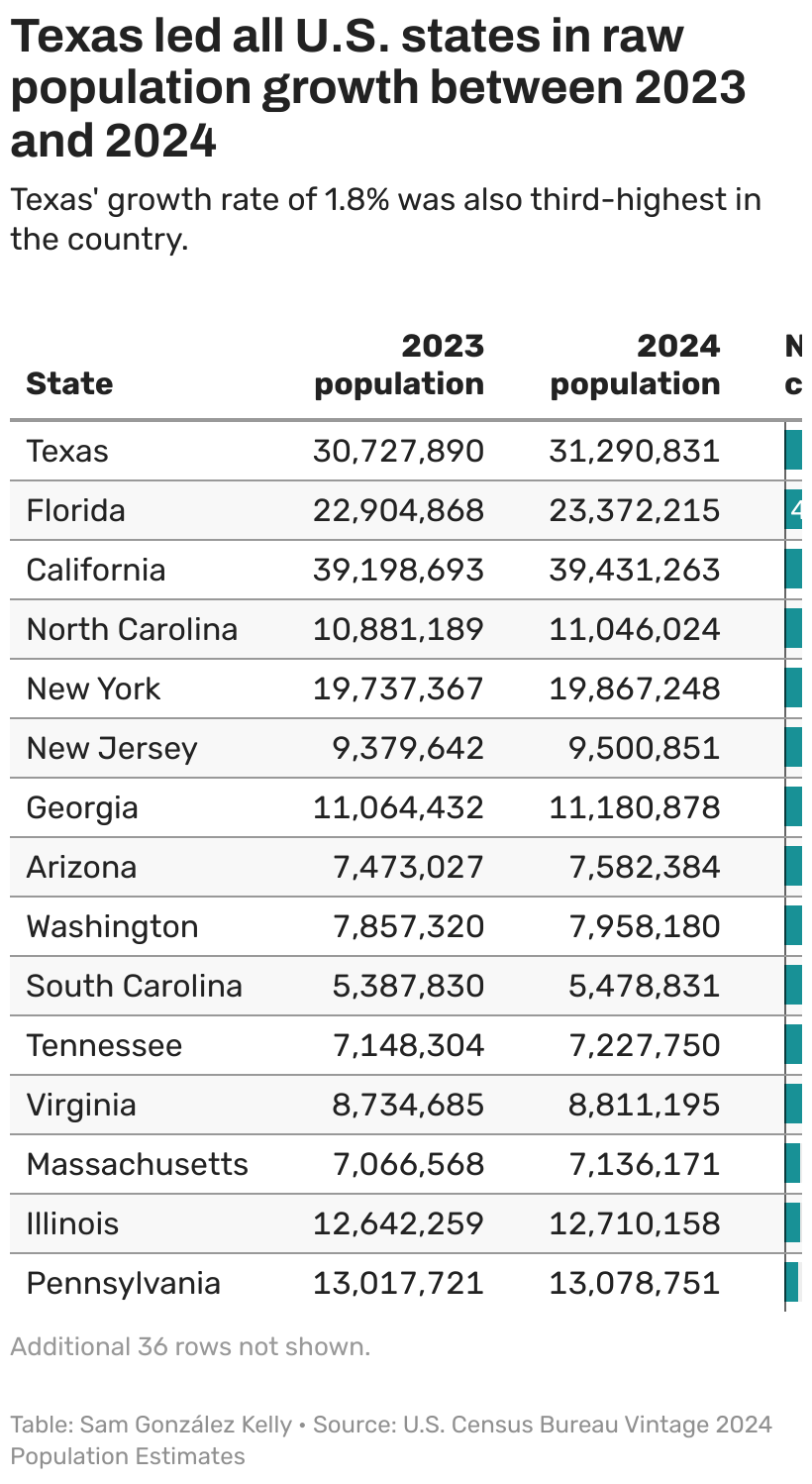
Estimates for 2024 place the population of Texas comfortably north of 30 million residents, solidifying its position as the second most populous state after California. This figure represents a continuation of a remarkable trend that has seen millions flock to the state seeking new opportunities, a different lifestyle, and a taste of its unique cultural blend. The sheer scale of this growth has profound effects, from transforming skylines in major metropolitan areas to influencing the demand for everything from luxury travel experiences to accessible budget travel options for new residents.
The Engines of Growth: Why People are Flocking to Texas
The narrative of Texas’ population surge is multifaceted, driven by a powerful combination of economic prosperity, a favorable business environment, and a diverse cultural appeal. Understanding these underlying factors is key to appreciating the state’s trajectory and its burgeoning influence on national demographics.
Economic Opportunity and Business Appeal
One of the primary magnets drawing people to Texas is its robust and diversified economy. The state boasts a thriving job market, particularly in sectors such as technology, energy, healthcare, aerospace, and manufacturing. Major corporations, drawn by favorable tax policies, a skilled workforce, and lower operating costs compared to states like California and New York, have relocated or expanded their operations significantly within Texas. This influx of businesses creates a ripple effect, generating numerous employment opportunities that attract job seekers from across the United States and beyond.
The absence of a state income tax is another compelling incentive, allowing residents to retain more of their earnings. This financial advantage, coupled with a generally lower cost of living than many coastal hubs, makes Texas an attractive destination for families and individuals looking to stretch their budgets further. The entrepreneurial spirit is also palpable, with a supportive ecosystem for startups and small businesses contributing to a dynamic economic landscape. For professionals seeking business stays, cities like Houston, Dallas, and Austin offer world-class convention centers, modern hotels, and extensive networking opportunities.
Diverse Culture and Evolving Lifestyle
Beyond economics, Texas offers a rich tapestry of cultures and a distinctive lifestyle that appeals to a broad demographic. From the traditional cowboy heritage of Fort Worth‘s Stockyards National Historic District to the tech-savvy, liberal vibe of Austin, the state embraces a spectrum of experiences. Major cities are melting pots, home to vibrant arts scenes, diverse culinary landscapes, and a plethora of entertainment options. This cultural richness makes Texas an intriguing destination for tourism, drawing visitors keen to explore its unique identity.
The quality of life, often characterized by spacious living, access to outdoor activities, and a friendly atmosphere, also plays a crucial role. Texas offers everything from Gulf Coast beaches at South Padre Island to the rugged beauty of Big Bend National Park and the Guadalupe Mountains National Park. The growing population includes a significant influx of young professionals and families, reshaping urban centers and driving demand for new housing, schools, and recreational facilities. This demographic shift also impacts travel trends, with an increased focus on family trips and adventure tourism within the state’s diverse regions.
The Impact on Travel, Tourism, and Accommodation
The rapid population growth in Texas is fundamentally reshaping its travel and tourism industries, creating both opportunities and challenges for accommodation providers and local attractions.
Surging Demand for Accommodation
With millions of new residents, the demand for both short-term and long-term accommodation has skyrocketed. Cities like Houston, Dallas, and Austin are experiencing booming construction of new hotels, resorts, apartments, and villas to keep pace. This growth isn’t just about quantity; it’s about diversity, with developers catering to different segments of the market, from luxury travel high-rises offering premium suites to more budget travel-friendly options and extended-stay hotels for those in transition.
The competitive landscape for accommodation means that travelers benefit from a wide array of choices. Online platforms for booking, reviews, and comparison have become indispensable tools for both new residents searching for temporary housing and visitors planning their trips. The state’s popularity for business stays also contributes to the consistent demand for quality lodging and amenities. Developers are also increasingly looking at mixed-use properties, combining residential units with hotel services, retail, and entertainment, to create vibrant urban hubs.
Evolving Tourism Trends and Landmarks
The increased population brings with it a greater internal market for tourism, meaning more Texans are exploring their own state. This fuels interest in local culture, food scenes, and natural attractions. Historic landmarks such as The Alamo in San Antonio and the NASA Johnson Space Center in Houston continue to draw crowds, but smaller towns and lesser-known natural wonders are also seeing a surge in visitors. Wineries in the Hill Country around Fredericksburg, for example, have blossomed into significant tourist destinations.
The burgeoning population also means more international exposure and increased overseas travel. As Texas grows as an economic powerhouse, it attracts more international business travelers and tourists eager to experience its unique blend of Southern charm and cosmopolitan sophistication. This shift necessitates investment in tourism infrastructure, from multilingual guides to enhanced accessibility at popular landmarks and attractions. The demand for curated experiences, whether it’s an authentic barbecue tour in Austin or a historical exploration of the Riverwalk in San Antonio, continues to grow.
Key Cities: Hotbeds of Texan Expansion and Lifestyle Evolution
The story of Texas’ population growth is most vividly told through its major metropolitan areas, each grappling with its own unique challenges and opportunities brought about by this rapid expansion. These urban centers are the primary destinations for new arrivals and serve as economic and cultural hubs.
Houston: The Global City
Houston, already the most populous city in Texas and the fourth largest in the United States, continues its impressive ascent. Known as the energy capital of the world, it boasts a massive port, a leading medical center, and a diverse economy. This economic strength fuels continuous growth, bringing new residents who contribute to its vibrant, multicultural lifestyle.
The city’s expansive nature means it’s constantly developing new districts and communities. For travelers, Houston offers an array of experiences, from the Museum District and Discovery Green to world-class dining. The demand for hotels and accommodation near the George R. Brown Convention Center and the medical center remains high, catering to both business stays and tourism. The city’s suburbs, such as The Woodlands and Sugar Land, also exhibit significant population increases, driving demand for new hotels and retail spaces.
Dallas-Fort Worth: The Metroplex Magnet
The Dallas-Fort Worth Metroplex is an economic powerhouse and a major hub for corporate relocations. It’s an epicenter for finance, technology, transportation, and professional services. The region consistently ranks among the top areas for net migration, drawing residents from across the country.
This growth has transformed the lifestyle and landscape of both cities. Dallas offers a cosmopolitan experience with its upscale dining, designer shopping, and thriving Dallas Arts District, along with historical sites like the Sixth Floor Museum. Fort Worth, on the other hand, embraces its Western heritage while also evolving into a modern urban center. The demand for accommodation is robust, from luxury hotels in downtown Dallas to family-friendly hotels near attractions like AT&T Stadium and the Stockyards National Historic District. Suburban cities like Plano, Irving, and Frisco are also experiencing explosive growth, leading to new hotel developments and tourism initiatives to support their growing populations and business parks.
Austin: The Tech and Culture Hub
Austin, the state capital, has gained national fame for its “Keep Austin Weird” ethos, live music scene, and booming tech industry. It’s a magnet for young professionals and innovators, resulting in a dramatic increase in its population over the last decade. This growth has fundamentally altered the city’s character, bringing both prosperity and challenges.
The city’s vibrant lifestyle revolves around outdoor activities, a world-renowned food scene, and countless music venues. Landmarks like the Capitol Building and Lady Bird Lake are integral to the Austin experience. The demand for accommodation in Austin is incredibly high, with a range of boutique hotels, trendy apartments, and resorts catering to its diverse influx of residents and tourists. Budget travel options are becoming more sought-after as the city’s cost of living rises. Growth extends to neighboring areas like Round Rock, which also sees burgeoning demand for hotels and new businesses.
San Antonio: History and Charm
San Antonio, with its rich history and deep cultural roots, continues to grow at a steady pace. It’s a major tourism destination, primarily known for The Alamo and the scenic Riverwalk, but also has a growing economy, particularly in military and cybersecurity sectors.
The city’s charm lies in its ability to blend its historical significance with modern amenities. The unique lifestyle and cultural events draw numerous visitors for family trips and historical tourism. San Antonio’s accommodation scene is robust, offering everything from historic hotels along the Riverwalk to modern resorts and suites across the city. As the population expands, so does the demand for diverse lodging options, ensuring that visitors and new residents alike can find suitable places to stay.
Preparing for Future Growth: Challenges and Opportunities
The sustained population boom in Texas brings with it a host of challenges that require proactive planning and innovative solutions. However, these challenges are often intertwined with significant opportunities for further development and improved quality of life.
Infrastructure and Resource Management
One of the most pressing challenges is the strain on existing infrastructure. Roads become more congested, public transportation systems are stretched, and utilities must expand to serve a larger population. Housing affordability, particularly in major cities, becomes a significant concern as demand outstrips supply, leading to rising costs. Water resources, especially in a state prone to drought, also require careful management and investment in new solutions. Addressing these issues will require substantial public and private investment, smart urban planning, and innovative technological approaches.
For the travel and tourism sectors, this means ensuring that transportation links to landmarks and attractions remain efficient, and that new accommodation developments are integrated sustainably. Opportunities lie in developing smart city initiatives, investing in high-speed rail, and promoting eco-friendly tourism practices to preserve the state’s natural beauty, such as Big Bend National Park and the Gulf Coast.
Sustaining Economic Momentum and Lifestyle Quality
While economic growth is a primary driver of population increase, sustaining this momentum requires continuous innovation and diversification. Texas must continue to attract high-tech industries, foster educational excellence, and support small businesses to ensure a resilient economy for future generations.
Maintaining the quality of lifestyle that initially attracted residents is equally important. This involves preserving green spaces, investing in public parks and recreational facilities, supporting cultural institutions, and ensuring access to diverse culinary and entertainment options. For the travel industry, this means continuing to offer a rich array of experiences, from luxury travel to authentic local encounters. The growth creates opportunities for new hotels, resorts, and unique accommodation concepts to emerge, catering to an ever-evolving market.
Cultural Integration and Community Building
Integrating a rapidly growing and diverse population into existing communities presents both challenges and immense opportunities. Texas has a long history of absorbing various cultures, from its Mexican heritage to European influences and, more recently, a significant influx from other parts of the United States and Asia. This diversity enriches the state’s cultural fabric, leading to new culinary trends, vibrant arts scenes, and a broader global perspective.
The challenge lies in ensuring equitable access to resources and fostering a sense of community among new and long-time residents. Programs that promote local culture, support community events, and celebrate the state’s unique identity will be crucial. For tourism, this means highlighting Texas’ evolving cultural landscape, offering diverse travel experiences that showcase its heritage, and ensuring that its iconic landmarks tell a comprehensive story. The continuous influx provides a fresh perspective and new ideas, further enhancing the state’s appeal as a dynamic place to live, work, and visit.
In conclusion, the population of Texas in 2024, soaring past 30 million, is a testament to the state’s enduring appeal as a land of opportunity and diverse experiences. This demographic surge is not merely a number; it’s a powerful force shaping the state’s economic landscape, its urban development, and its vibrant lifestyle. For the travel, tourism, and accommodation industries, this growth presents an exciting future, characterized by increased demand, evolving trends, and a continuous need for innovation to cater to a bustling, ever-expanding population. Texas remains a dynamic frontier, continually reinventing itself while holding fast to the independent spirit that defines it.
LifeOutOfTheBox is a participant in the Amazon Services LLC Associates Program, an affiliate advertising program designed to provide a means for sites to earn advertising fees by advertising and linking to Amazon.com. Amazon, the Amazon logo, AmazonSupply, and the AmazonSupply logo are trademarks of Amazon.com, Inc. or its affiliates. As an Amazon Associate we earn affiliate commissions from qualifying purchases.