
Austin, Texas, a vibrant hub in the heart of the United States, is renowned for its live music scene, delicious food, and unique culture. However, for any traveler planning a visit, understanding the local climate is paramount to ensuring an enjoyable and comfortable experience. The temperature in Austin varies significantly throughout the year, influencing everything from the type of clothing you’ll pack to the activities you can enjoy and even the best time to book your accommodation. This comprehensive guide will delve into Austin’s year-round temperatures, offering insights into how the weather impacts travel, tourism, and lifestyle in this dynamic Texas city.

Understanding Austin’s Climate: A Year-Round Perspective
Nestled in Central Texas where the Texas Hill Country meets the plains, Austin experiences a humid subtropical climate. This means hot summers, generally mild winters, and pleasant springs and autumns. The city’s location near the Balcones Escarpment also contributes to unique microclimates and weather patterns.
The Four Seasons: General Temperature Trends
Austin distinctly cycles through four seasons, each presenting its own charm and challenges for visitors:
- Spring (March – May): Often considered the most delightful time to visit. Temperatures are pleasantly warm, averaging between 60°F (15°C) and 80°F (27°C). Evenings can be cooler, dipping into the 50s°F (10-14°C). This season sees lush greenery, blooming wildflowers, and comfortable conditions for outdoor activities. However, it’s also the wettest season, with occasional thunderstorms.
- Summer (June – August): Prepare for heat! Austin summers are notoriously hot and humid, with daily highs frequently exceeding 90°F (32°C) and often reaching into the triple digits (100°F/38°C) in July and August. Nighttime lows typically remain in the 70s°F (21-26°C). Rainfall is less frequent but can come in heavy, brief downpours.
- Autumn (September – November): A welcome reprieve from the summer heat, autumn brings gradually cooling temperatures. September can still feel like summer, but by October and November, temperatures generally range from the 60s°F (15-20°C) to the 80s°F (27-31°C). Humidity drops, and the weather becomes ideal for outdoor exploration. Rainfall is moderate.
- Winter (December – February): Austin winters are mild compared to much of the United States. Average daytime temperatures hover around the 50s°F (10-15°C), with nighttime lows in the 30s°F (0-5°C). Freezing temperatures and frost are common, but snowfall is rare. It’s generally a dry season, offering crisp, clear days perfect for sightseeing.
Monthly Averages: A Deeper Dive
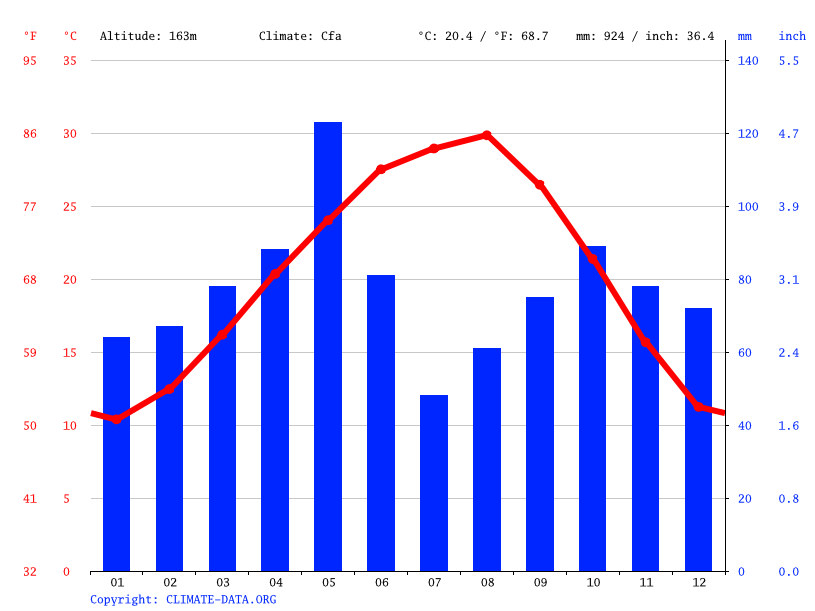
To help you plan more precisely, here’s a snapshot of average monthly temperatures:
- January: High 59°F (15°C), Low 39°F (4°C)
- February: High 63°F (17°C), Low 42°F (6°C)
- March: High 71°F (22°C), Low 49°F (9°C)
- April: High 78°F (26°C), Low 57°F (14°C)
- May: High 85°F (29°C), Low 66°F (19°C)
- June: High 91°F (33°C), Low 72°F (22°C)
- July: High 95°F (35°C), Low 74°F (23°C)
- August: High 96°F (36°C), Low 74°F (23°C)
- September: High 89°F (32°C), Low 69°F (21°C)
- October: High 80°F (27°C), Low 60°F (16°C)
- November: High 69°F (21°C), Low 49°F (9°C)
- December: High 61°F (16°C), Low 41°F (5°C)
These averages offer a general guide, but Texas weather can be unpredictable. Always check a local forecast closer to your travel date.
Planning Your Austin Adventure: Weather-Wise Travel Tips
The best time to visit Austin largely depends on your desired activities and tolerance for heat. Each season offers unique opportunities for exploration, recreation, and experiencing local culture.
Spring Blooms and Mild Breezes: Ideal for Outdoors
Spring is arguably the most popular time to visit Austin. The moderate temperatures are perfect for exploring outdoor landmarks and natural attractions without the intense summer heat.
- Activities: Take advantage of the pleasant weather by visiting Zilker Park for a picnic or a stroll, or explore the Barton Creek Greenbelt for hiking and biking. Kayaking or paddleboarding on Lady Bird Lake is also a fantastic way to enjoy the cityscape. Spring is also prime time for festivals like SXSW, which can draw massive crowds and influence accommodation prices.
- Accommodation: Due to high demand during spring, especially around SXSW and other events, it’s crucial to book hotels well in advance. Options like the Four Seasons Hotel Austin or the JW Marriott Austin offer luxury and convenience, but more budget-friendly hotels and vacation rentals also fill up quickly.
Summer Heat and Aquatic Escapes: Beating the Texas Sun
Summers in Austin are hot, hot, hot. While the heat might deter some, it opens up opportunities for water-centric fun and indoor attractions.
- Activities: The iconic Barton Springs Pool, fed by underground springs, maintains a refreshing 68-70°F (20-21°C) year-round, making it a perfect escape from the heat. Tubing down the Colorado River or nearby rivers is another popular pastime. For indoor entertainment, explore museums like the Blanton Museum of Art or the Bob Bullock Texas State History Museum. Evenings are still warm, making patio dining and catching the famous bat exodus from the Congress Avenue Bridge popular activities.
- Accommodation: Hotels with excellent pools, like the Hyatt Regency Austin or the W Hotel Austin, become highly desirable. Many resorts, such as the Lake Austin Spa Resort, offer amenities designed to help guests relax and cool down. Look for deals during the slower summer months outside of holiday weekends.
Autumn’s Gentle Embrace: Festival Season Favorites
As temperatures drop, Austin reawakens with a vibrant energy, ushering in another peak season for tourism.
- Activities: Autumn is prime festival season, highlighted by the Austin City Limits Music Festival and the Formula 1 United States Grand Prix. The milder weather is fantastic for exploring South Congress Avenue‘s boutiques and eateries, or taking a scenic drive through the Texas Hill Country to admire fall foliage. Hiking Mount Bonnell for panoramic views is also particularly enjoyable.
- Accommodation: Similar to spring, autumn sees high demand due to major events. Booking accommodations, from boutique hotels like The Driskill to more modern establishments like Hotel Van Zandt, should be done far in advance to secure the best rates and availability.
Winter Wonders: A Milder Southern Experience
Winter offers a more relaxed pace and usually fewer crowds, making it an excellent time for those who prefer cooler weather and don’t mind missing out on major outdoor water activities.
- Activities: Enjoy exploring indoor attractions like the Texas State Capitol or the Umlauf Sculpture Garden & Museum. The cooler, crisp air is also ideal for walking tours of historic Sixth Street or enjoying Austin’s renowned culinary scene without the heat. Holiday decorations add a festive touch throughout the city.
- Accommodation: Winter typically sees lower hotel prices, making it a great time for budget travel or for those seeking luxury experiences at a more accessible price point. Many hotels offer special winter packages, especially outside of the Christmas and New Year’s holidays.
Temperature’s Influence on Austin’s Tourism and Lifestyle
The climate in Austin doesn’t just dictate what you wear; it shapes the very rhythm of the city’s tourism, local culture, and lifestyle.
Outdoor Activities and Natural Landmarks
Austin’s identity is deeply intertwined with its natural beauty and outdoor recreation. The comfort of the weather directly influences participation in these activities. Warm springs and autumns are perfect for exploring parks, trails, and enjoying the Lady Bird Lake activities. The intense summer heat, however, pushes visitors and locals alike towards water-based recreation or air-conditioned indoor venues. Even hiking trails on the Barton Creek Greenbelt can become challenging during peak summer, emphasizing the importance of early morning or late evening excursions.
Culinary Delights and Local Events
Austin’s food scene, especially its famous food trucks and BBQ joints, thrives on good weather. Outdoor dining is a beloved part of the Austin lifestyle, particularly in spring and fall. Many food festivals and outdoor markets, like the Pecan Street Festival, are scheduled during these milder months. During summer, the focus shifts to establishments with air-conditioned dining rooms or those offering refreshing drinks and lighter fare. The seasonality also influences the types of local produce available, impacting menus across the city.
Accommodation Choices: From Lakeside Resorts to Downtown Hotels
The local climate plays a significant role in accommodation choices. During the scorching summer, hotels with impressive pools and ample shade, or those offering easy access to Barton Springs Pool or Lady Bird Lake, are highly sought after. Lake Austin Spa Resort, for instance, becomes a luxurious oasis. For those seeking cultural immersion or business stays, downtown hotels like the JW Marriott Austin or The Driskill remain popular year-round due to their proximity to landmarks, dining, and nightlife on Sixth Street and South Congress Avenue. Families traveling during the summer might opt for apartments or suites with kitchenettes to prepare meals and save on dining out, or choose resorts offering kid-friendly water features.
Making the Most of Austin’s Weather: Practical Advice for Visitors
Regardless of when you choose to visit, a little preparation can go a long way in ensuring a comfortable and memorable trip to Austin.
Packing Essentials for Every Season
- Spring & Fall: Layers are key. Pack light long-sleeved shirts, t-shirts, a light jacket or cardigan for evenings, comfortable walking shoes, and an umbrella.
- Summer: Light, breathable clothing (cotton, linen), shorts, sandals, swimwear, a wide-brimmed hat, sunglasses, and strong sunscreen are non-negotiable.
- Winter: Long pants, long-sleeved shirts, sweaters, a medium-weight jacket, and closed-toe shoes. While rare, a scarf and gloves might be useful on colder days.
Staying Hydrated and Comfortable
In Austin, especially during the summer months, staying hydrated is crucial. Always carry a reusable water bottle and refill it frequently. Many establishments are happy to provide water. Look for shade whenever possible, and don’t hesitate to pop into an air-conditioned coffee shop or museum for a break from the heat. Sunscreen is essential year-round due to Texas’s strong sun.
Leveraging Indoor Attractions During Extremes
If you encounter extreme heat in summer or a rare cold snap in winter, Austin has plenty of indoor options to keep you entertained. Explore the Capitol building, delve into history at the Mexic-Arte Museum, or enjoy live music at one of the many indoor venues along Sixth Street. Many hotels also offer excellent indoor amenities, including spas, fitness centers, and acclaimed restaurants, providing a comfortable escape regardless of the outside temperature.
In conclusion, while the temperature in Austin, Texas, can swing from mild to intensely hot, understanding these patterns allows you to tailor your trip for maximum enjoyment. Whether you’re chasing spring wildflowers, cooling off in Barton Springs Pool, or enjoying a crisp autumn festival, Austin’s unique climate adds another layer to its vibrant appeal, ensuring a memorable experience for every type of traveler.
LifeOutOfTheBox is a participant in the Amazon Services LLC Associates Program, an affiliate advertising program designed to provide a means for sites to earn advertising fees by advertising and linking to Amazon.com. Amazon, the Amazon logo, AmazonSupply, and the AmazonSupply logo are trademarks of Amazon.com, Inc. or its affiliates. As an Amazon Associate we earn affiliate commissions from qualifying purchases.