
Understanding the temperature in Texas is far more complex and crucial for travelers than a simple number on a thermometer might suggest. This colossal state, the second-largest in the United States by both area and population, boasts an incredibly diverse climate that directly impacts travel planning, accommodation choices, and the overall enjoyment of your visit. From scorching desert heat to humid coastal breezes and brisk northern plains winters, Texas offers a spectrum of weather experiences. For anyone planning a trip – whether for a luxury getaway, a family vacation, a business stay, or an adventurous exploration – knowing what temperatures to expect, and how to navigate them, is key to unlocking the best of what the Lone Star State has to offer.

This guide will delve into the nuances of Texas temperatures, exploring the distinct climate zones, seasonal variations, and practical tips to ensure your travel, tourism, and accommodation experiences are perfectly tailored to the climate. We’ll cover everything from packing essentials to selecting the ideal resort or hotel amenities, helping you make the most of Texas’s dynamic weather patterns.
Understanding Texas’s Diverse Climate Zones
Texas is so vast that it encompasses multiple climate zones, each with its own characteristic temperature patterns. This geographical diversity means that what you experience in one part of the state can be drastically different from another, even on the same day.
The Hot and Humid Gulf Coast
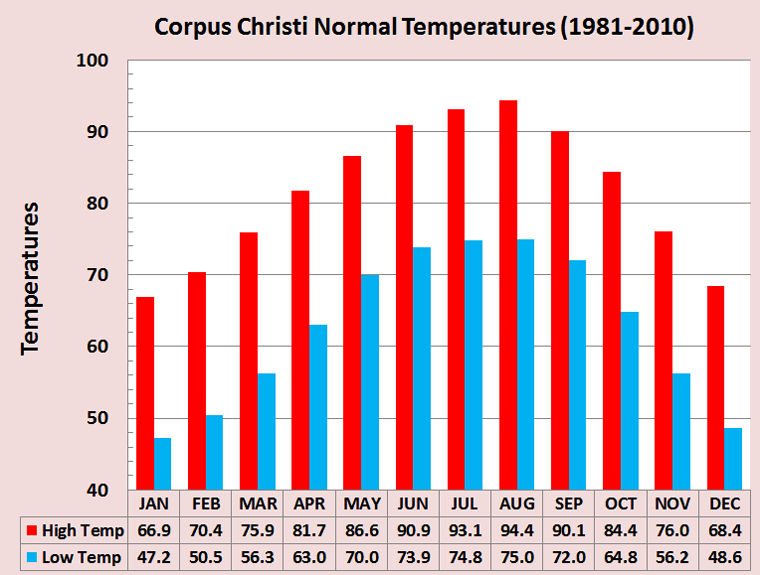
Stretching along the Gulf of Mexico, this region includes major cities like Houston, Galveston, and Corpus Christi. Summers here are notoriously hot and humid, with daily highs frequently soaring into the 90s Fahrenheit (32-37°C) and often exceeding 100°F (38°C), exacerbated by high humidity that makes it feel even warmer. Evenings offer little relief, staying warm and muggy. Winters are generally mild, with average daytime temperatures in the 60s (15-20°C), though occasional cold fronts can bring temperatures dipping into the 30s or 40s (0-10°C) for brief periods. Spring and fall offer pleasant transitions, but the humidity remains a constant factor. Travel to this region in summer necessitates accommodation with excellent air conditioning and resorts offering expansive pools or beach access. Hurricane season, primarily from June to November, also factors into travel considerations, requiring travelers to stay informed about weather forecasts.
The Arid West Texas
To the west, bordering Mexico and characterized by its vast desert landscapes, lies El Paso and the majestic Big Bend National Park. This region experiences an arid desert climate, marked by extreme temperature swings between day and night. Summers are intensely hot and dry, with daytime temperatures often well over 100°F (38°C), but nights cool down significantly, sometimes by 30-40 degrees. Winters are mild during the day but can drop below freezing at night. Precipitation is minimal, leading to clear skies, which are perfect for stargazing. For adventure seekers planning to hike or explore national parks, spring and fall are the most comfortable seasons, offering warm days and cool evenings. Hydration is paramount, regardless of the season, and accommodation often emphasizes cooler materials and outdoor living spaces.
The Central and North Texas Plains
This expansive region is home to some of Texas’s largest metropolitan areas, including Dallas, Fort Worth, Austin, and San Antonio. It generally experiences a humid subtropical climate with four distinct seasons. Summers are hot, with average highs in the 90s (32-37°C) and occasional triple-digit days, though humidity is less oppressive than on the coast. Winters are mild to cool, with average highs in the 50s and 60s (10-20°C), but cold fronts can bring freezing temperatures, ice, or even light snow. Spring and fall are generally delightful, characterized by comfortable temperatures, blooming wildflowers, and vibrant foliage. This is often considered the peak travel season for many, influencing hotel bookings and demand for outdoor attractions.
The Panhandle’s Cooler Climes
The northernmost part of Texas, known as the Panhandle, including cities like Amarillo, sits on the high plains. This region experiences a semi-arid climate with greater temperature extremes than the rest of the state. Winters are notably colder, with average highs in the 40s (4-9°C) and frequent freezes, along with occasional snowfall. Summers are warm to hot, with highs in the 90s (32-37°C), but with lower humidity compared to the eastern parts of the state. The wind is a constant presence here, often making temperatures feel cooler or warmer than they are. Travelers to the Panhandle, especially during winter, should prepare for significantly colder conditions than they might expect elsewhere in Texas.
Seasonal Travel Planning: Navigating Texas Temperatures
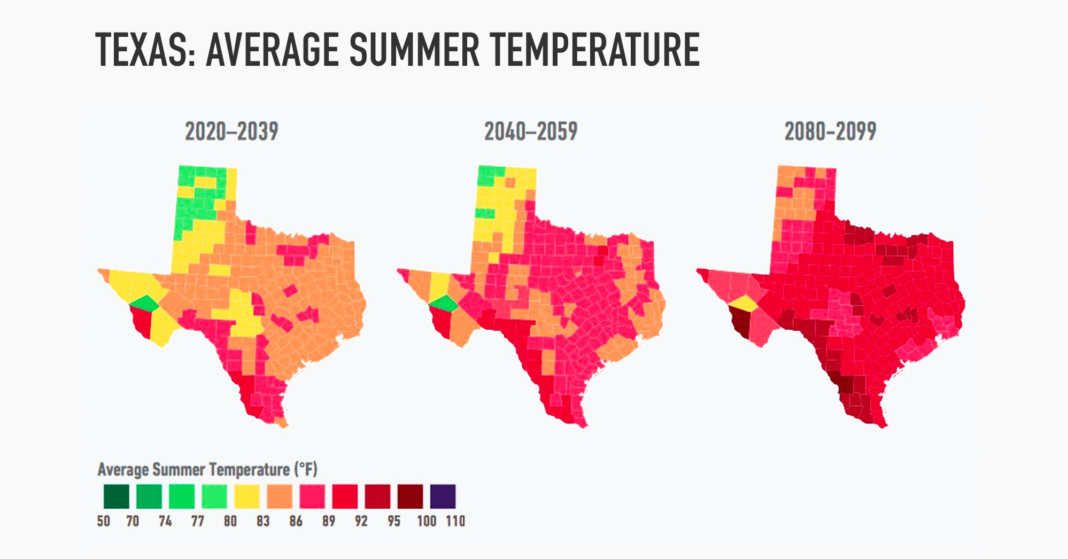
The best time to visit Texas largely depends on what you want to do and where you plan to go. Each season presents unique opportunities and challenges influenced by the state’s diverse temperatures.
Summer (June-August): Embracing the Heat
Summer in Texas is synonymous with heat. While temperatures across the state soar, this doesn’t deter travelers; it simply shifts the focus. For families, this is prime time for water-based activities. Destinations like South Padre Island become bustling hubs for beachgoers, while acclaimed waterparks such as Schlitterbahn Waterpark offer refreshing escapes. Indoor attractions, including museums, aquariums, and vast shopping centers, provide air-conditioned comfort. For those who still wish to explore outdoors, early morning or late evening excursions are advisable. When booking accommodation, ensuring a hotel or resort boasts a fantastic pool area and robust air conditioning is non-negotiable. Many luxury hotels offer chilled towels and infused water to combat the heat, enhancing the lifestyle experience.
Fall (September-November): The Golden Window
Fall is arguably one of the most delightful seasons for travel in Texas. As the intense summer heat gradually recedes, temperatures become wonderfully mild and pleasant, particularly in the central and northern regions. This ‘golden window’ is ideal for outdoor exploration, from hiking and biking to enjoying vibrant city festivals. The Texas Hill Country transforms with subtle fall foliage, offering scenic drives and charming small-town experiences. Major cities host numerous events, such as the renowned Austin City Limits music festival, drawing large crowds. This period is perfect for immersing oneself in local culture, food, and history without the discomfort of extreme temperatures. Accommodation, from boutique hotels to cozy bed and breakfasts, fills up quickly, so early booking is recommended.
Winter (December-February): Surprisingly Mild (Mostly)
While parts of the Panhandle can experience true winter conditions, much of Central and South Texas enjoys a surprisingly mild winter. Average daytime temperatures remain comfortable, making it an excellent time to visit landmarks and attractions without the summer crowds. San Antonio Riverwalk becomes magical with holiday lights, and the southern coast, like Corpus Christi, offers a temperate escape for those fleeing colder climates. Wildlife viewing, particularly bird migration, is also popular in the southern regions. For travelers seeking a budget-friendly option, winter can sometimes offer lower hotel rates. When choosing accommodation, look for places with amenities like heated pools or inviting indoor lounges for cooler evenings.
Spring (March-May): Wildflowers and Pleasant Breezes
Spring is a spectacular time in Texas, famous for its breathtaking displays of wildflowers, most notably the iconic Texas Bluebonnets. Temperatures are comfortably warm, with pleasant breezes, making it perfect for outdoor activities, scenic drives, and exploring the state’s natural beauty. The Ennis Bluebonnet Trail attracts thousands of visitors, and towns like Dripping Springs come alive with events and distilleries. This is peak season for many outdoor-focused attractions and tours. Due to the popularity of the season, especially during spring break, travelers should anticipate higher demand for hotels and accommodations and plan their bookings well in advance.
Beyond the Thermometer: Practical Tips for Texas Travelers
While knowing the temperature ranges is essential, adapting your travel strategy to the climate ensures a more comfortable and enjoyable experience.
Packing Essentials for Texas Weather
Regardless of the season, smart packing is crucial. Layers are always advisable, especially for day-to-night temperature fluctuations. In summer, lightweight, breathable fabrics are your best friend, along with a wide-brimmed hat, sunglasses, and high-SPF sunscreen to protect against the intense sun. Hydration is non-negotiable; always carry water, especially when exploring outdoors. For winter visits, especially in the northern half of the state, pack warmer clothing, including a jacket, sweaters, and closed-toe shoes. Even in milder southern winters, a light jacket for evenings is wise.
Choosing Your Accommodation Wisely
Your choice of accommodation can significantly impact your comfort level with Texas temperatures. In summer, prioritize hotels, suites, and resorts known for their excellent air conditioning and impressive pool facilities. Many luxury properties, such as The Post Oak Hotel in Houston, offer exceptional indoor amenities and world-class service that allow guests to beat the heat in style. For city explorations, consider hotels with good access to indoor attractions or those like the Hyatt Regency Austin that offer comfortable spaces to relax after a warm day. During cooler months, look for hotels with cozy common areas, perhaps fireplaces, or even heated outdoor spaces that still allow for enjoyment of the fresh air. Reviews regarding climate control in rooms can be invaluable when making your booking decision. Long-term stays might consider apartments or villas with robust heating and cooling systems.
Adapting Activities to the Climate
Flexibility in your itinerary is a powerful tool when facing Texas temperatures. On extremely hot days, schedule outdoor activities for early mornings or late evenings. Midday can be reserved for indoor attractions like museums, art galleries, shopping centers, or enjoying a leisurely meal at an air-conditioned restaurant. Similarly, on rare colder days, prioritize indoor activities or opt for destinations known for their warmth. Always check local weather forecasts just before and during your trip, as Texas weather can change rapidly. This adaptable approach allows you to fully engage with local culture, food, and activities without being overwhelmed by the climate.
In conclusion, “What is the temperature in Texas?” is a question with a multifaceted answer, reflecting the state’s vastness and climatic diversity. From the humid Gulf Coast to the arid Western deserts and the distinct seasons of its central plains, Texas offers a rich tapestry of weather experiences. By understanding these variations and planning accordingly, travelers can optimize their itineraries, choose suitable accommodations, and pack appropriately, ensuring a comfortable and memorable journey through the Lone Star State at any time of the year. Whether you seek the warmth of a sunny beach, the crisp air of a desert night, or the pleasant breezes of a spring day, Texas has a temperature — and an adventure — waiting for you.
LifeOutOfTheBox is a participant in the Amazon Services LLC Associates Program, an affiliate advertising program designed to provide a means for sites to earn advertising fees by advertising and linking to Amazon.com. Amazon, the Amazon logo, AmazonSupply, and the AmazonSupply logo are trademarks of Amazon.com, Inc. or its affiliates. As an Amazon Associate we earn affiliate commissions from qualifying purchases.