
When you think of Texas, images of vast ranches, cowboy hats, sizzling barbecue, and perhaps the iconic Longhorn might come to mind. But the Lone Star State is also a haven for incredible wildlife, including a surprisingly vibrant avian population. For those who appreciate the natural world, understanding the state’s official symbols offers a deeper connection to its unique identity. So, what winged wonder holds the distinguished title of the Texas State Bird? It is none other than the Northern Mockingbird, a creature as spirited and captivating as the state it represents. This remarkable bird, known for its extraordinary vocal abilities and ubiquitous presence, encapsulates the essence of Texas – resilient, diverse, and full of life. For travelers and nature enthusiasts planning their next adventure, delving into the world of the Northern Mockingbird offers a fascinating entry point into the rich tapestry of Texas tourism and its natural landmarks.
The Melodious Emblem of the Lone Star State
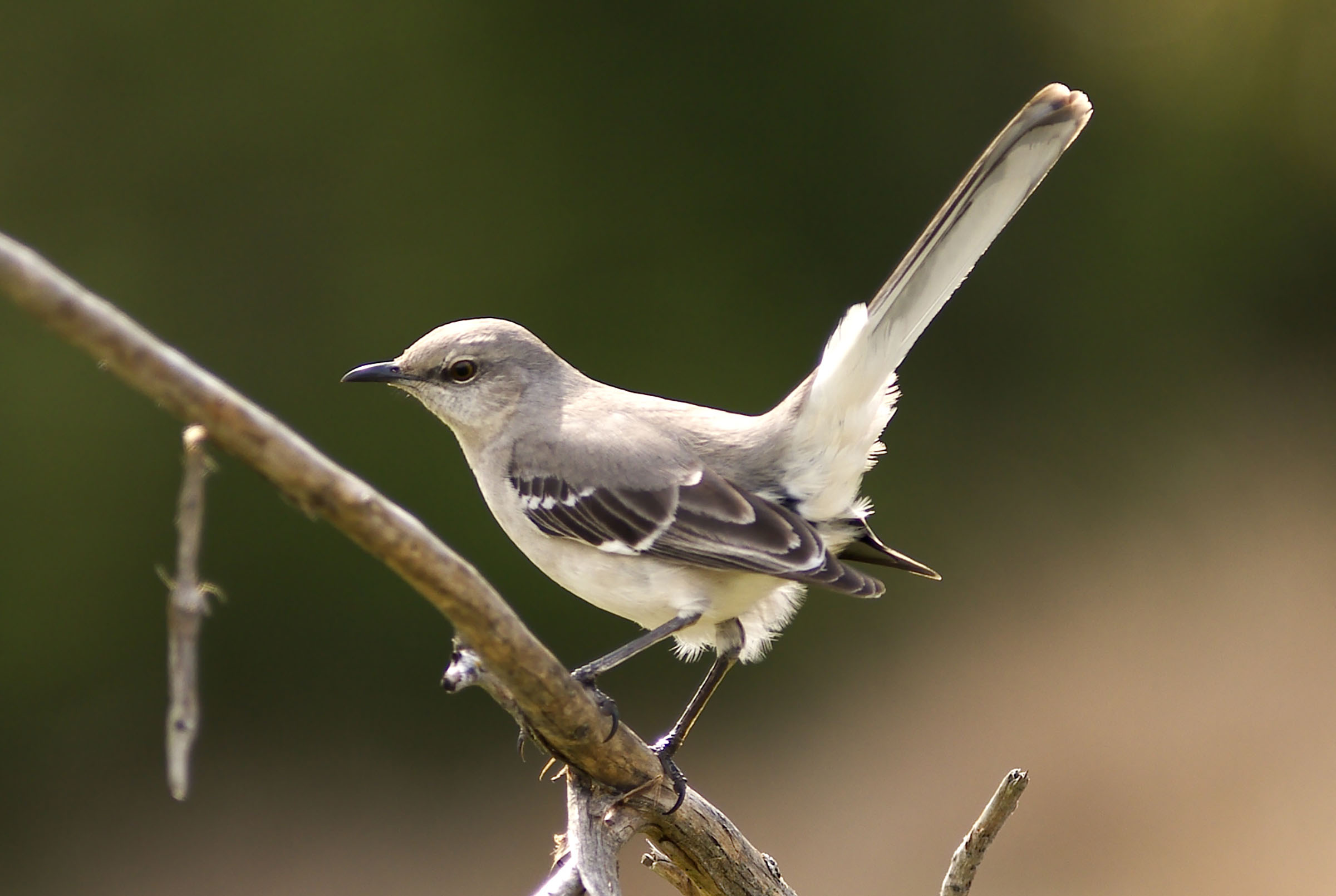
The decision to designate the Northern Mockingbird as the official state bird of Texas in 1927 was no arbitrary choice. It was a recognition of a bird that truly embodies the spirit and environment of the state. This medium-sized songbird, scientifically known as Mimus polyglottos, is a familiar sight and sound across the entirety of Texas, from the bustling cityscapes of Houston and Dallas to the serene landscapes of Big Bend National Park and the Rio Grande Valley. Its commonality makes it accessible for anyone to observe, providing a constant, cheerful soundtrack to daily life and an easily discoverable landmark for visitors interested in local fauna. For those exploring Texas destinations, spotting and hearing the Northern Mockingbird is an authentic local experience, weaving into the overall travel narrative and enhancing the enjoyment of natural attractions.
Meet the Northern Mockingbird
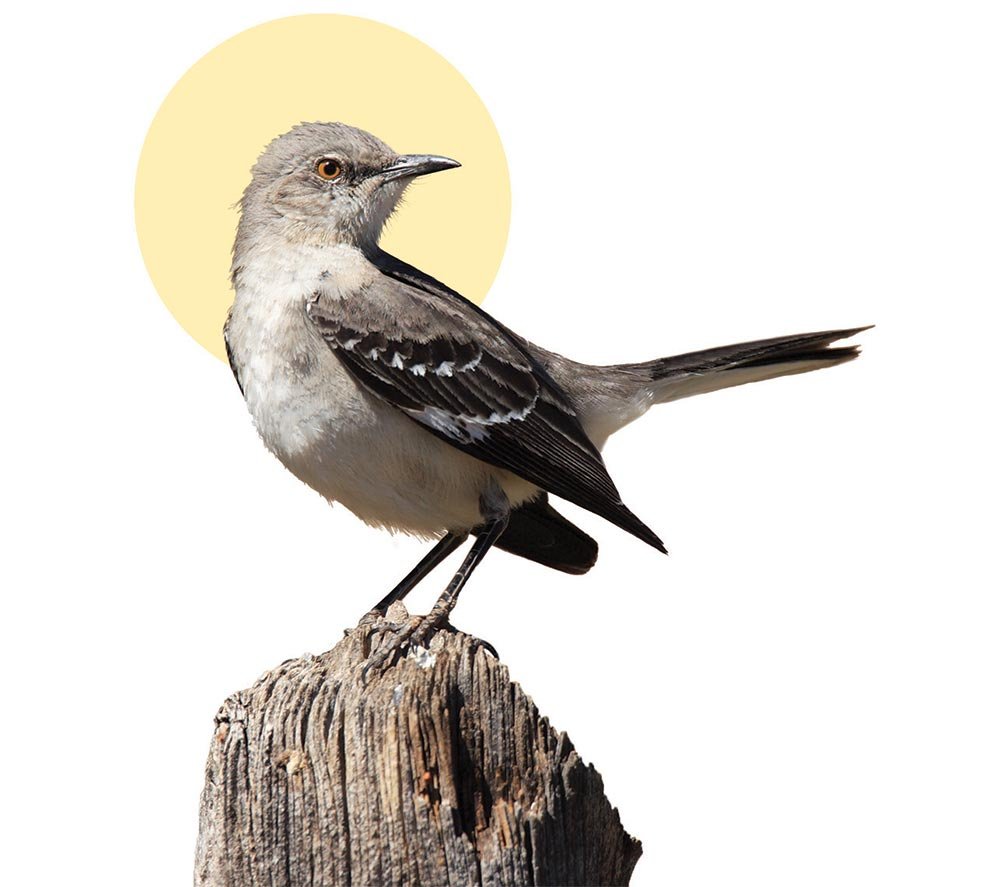
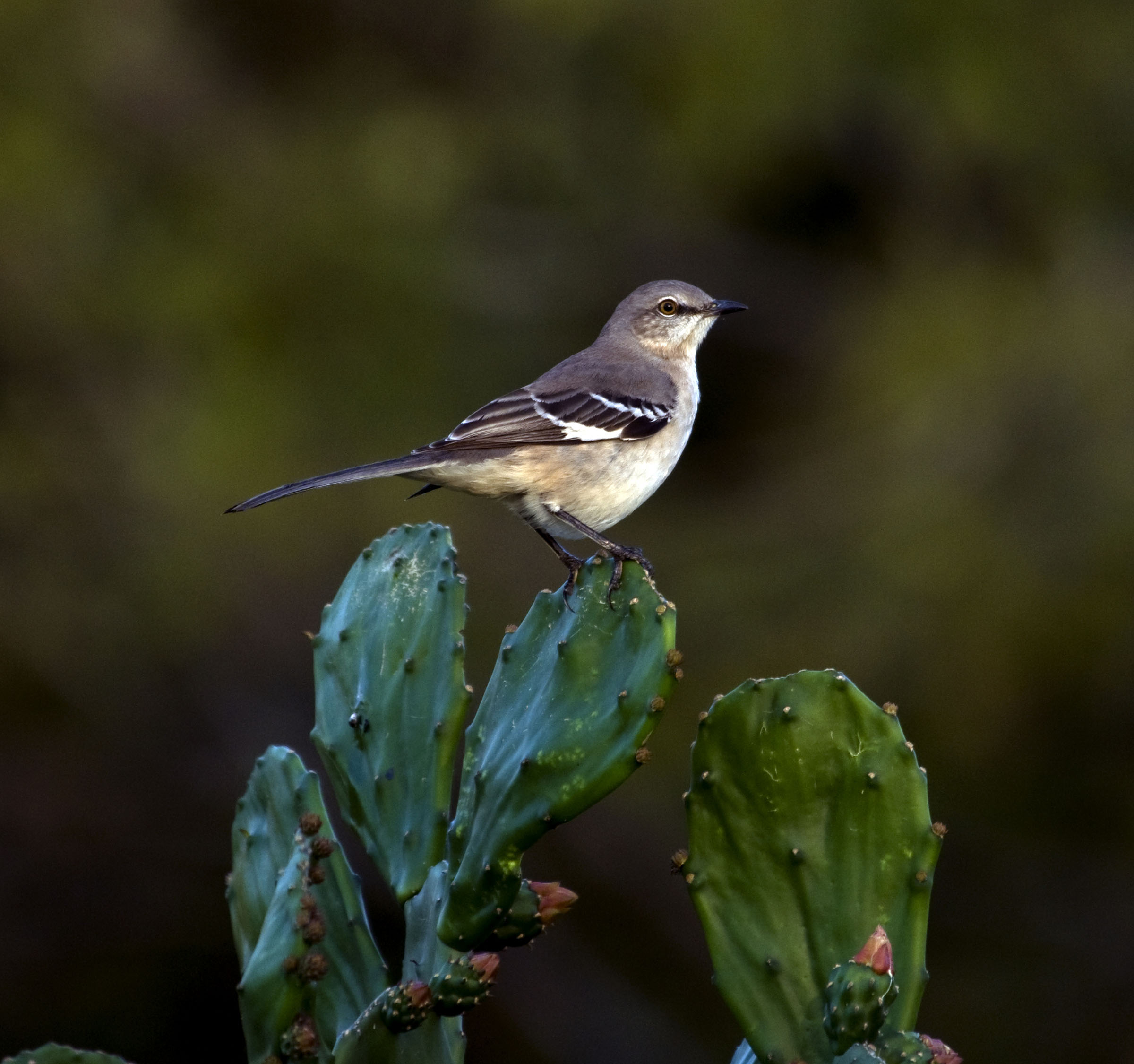
The Northern Mockingbird is easily identifiable by its slender build, long tail, and distinctive gray and white plumage. While its appearance is relatively understated, its true charm lies in its vocal prowess. Mockingbirds are famous for their ability to mimic the calls and songs of dozens of other bird species, as well as various other sounds they encounter in their environment. This remarkable talent allows a single bird to perform an entire symphony of borrowed melodies, often repeating each phrase multiple times before moving on to a new one. Their concerts are most vibrant during dawn and dusk, and often continue late into the night, especially during the breeding season. This unique characteristic is not just a biological marvel but also a symbol of adaptation and resourcefulness, traits often associated with the spirit of Texas itself. Tourists seeking to immerse themselves in local culture and natural wonders will find the pursuit of the Mockingbird’s song a delightful activity.
A State Symbol with a Song
Beyond its physical presence and musical talent, the Northern Mockingbird’s status as the state bird deepens its connection to the cultural fabric of Texas. It shares this distinction with four other states in the United States, a testament to its widespread recognition and appeal across North America. For Texans, the Mockingbird is more than just a bird; it’s a living emblem of freedom, resilience, and the joy found in the simple beauty of nature. Its omnipresence means that whether you’re staying in a bustling Austin downtown hotel or a secluded resort near the Gulf Coast, you’re never far from its enchanting serenade. This connection enhances the tourism experience, providing a constant, melodic reminder of the state’s proud heritage and natural splendor.
A Symphony of Significance: Why the Mockingbird Reigns Supreme
The selection of the Northern Mockingbird as the state bird of Texas was deeply rooted in a desire to honor a creature that authentically represented the state’s character and environmental richness. Its adaptability and prevalence across various landscapes, from arid deserts to lush wetlands, made it an ideal candidate. This decision reflects a profound appreciation for natural heritage and a desire to connect human identity with the enduring spirit of the wild. Understanding the reasons behind this choice adds another layer of meaning to any Texas travel itinerary, moving beyond mere sightseeing to a deeper appreciation of local culture and the intricate balance of nature.
A History of Recognition
The official designation of the Northern Mockingbird as the Texas State Bird occurred on January 31, 1927, through a resolution passed by the Texas Legislature. The initiative for this recognition often stemmed from schoolchildren and women’s clubs, highlighting a grassroots effort to celebrate the state’s natural beauty. These organizations championed the Mockingbird for its melodious song, its protective nature of its nest, and its widespread presence. This historical context underscores a shared sentiment that the Mockingbird embodies admirable qualities, making it a perfect symbol for the Lone Star State. For visitors exploring Texas landmarks, such as the Texas State Capitol in Austin, learning about the legislative process behind such symbolic gestures enriches the understanding of the state’s history and values.
Unveiling the Mockingbird’s Marvels
What truly sets the Northern Mockingbird apart is its phenomenal capacity for vocal mimicry. Ornithologists have documented individuals mimicking the calls of up to 40 different bird species, alongside various environmental sounds like car alarms or creaking gates. This incredible repertoire isn’t just for show; it plays a crucial role in attracting mates and defending territory. Male Mockingbirds, in particular, are known to expand their song library as they age, with older males boasting more extensive and complex vocalizations, which are more appealing to females. Their adaptability to urban, suburban, and rural environments further speaks to their resilience and ability to thrive alongside human development. This aspect is particularly appealing for travelers interested in ecotourism or discovering how wildlife coexists with modern living. Experiencing the diverse sounds of a Mockingbird’s song is a unique auditory experience that adds depth to any nature-focused travel experience.
Cultural Resonance in the Lone Star State
The Mockingbird’s influence extends beyond its biological characteristics, permeating the cultural landscape of Texas. It appears in local folklore, literature, and music, symbolizing themes of perseverance, freedom, and the wild beauty of the frontier. Its distinctive song often evokes a sense of nostalgia for those who grew up in Texas, connecting generations through a shared natural landmark. For tourists seeking to immerse themselves in local culture, understanding the significance of the Mockingbird provides a deeper layer of appreciation for the state’s identity. From local art festivals in San Antonio to quiet evenings spent at a cozy boutique hotel in the countryside, the Mockingbird’s presence is a subtle yet powerful thread connecting visitors to the true spirit of the Lone Star State.
Encountering the Mockingbird: Texas Travel & Birdwatching
For many, the draw of Texas tourism extends beyond its historical sites and culinary delights to its unparalleled natural beauty. And for birdwatchers, the state is nothing short of a paradise. While the Northern Mockingbird is a common sight across the state, actively seeking it out in its natural habitats, alongside countless other species, can be an incredibly rewarding travel experience. Texas’s diverse ecosystems, from the piney woods of East Texas to the deserts of the west and the coastal marshes, provide rich birdwatching opportunities, making it a prime destination for avian enthusiasts. This section will guide you to some of the best spots to encounter the Mockingbird and other feathered residents, ensuring your travel planning includes truly memorable wildlife experiences.
Prime Birdwatching Destinations
Texas is strategically located on the Central and Mississippi Flyways, making it a crucial migratory stopover for millions of birds. This geographical advantage, coupled with its vast natural landscapes, creates numerous prime birdwatching locations. While you can spot Mockingbirds in almost any park or backyard, some destinations offer particularly rich and diverse experiences. The Rio Grande Valley, in particular, is renowned globally as a birding hotspot, boasting species found nowhere else in the United States. Locations like Estero Llano Grande State Park or the World Birding Center offer well-maintained trails, observation decks, and expert guides. Along the Gulf Coast, the Great Texas Coastal Birding Trail offers hundreds of sites, including Mustang Island State Park and Padre Island National Seashore, where you can witness spectacular migrations. Even Big Bend National Park in West Texas offers unique desert and mountain species, alongside its ubiquitous Mockingbirds. Planning your accommodations in close proximity to these natural landmarks can significantly enhance your birdwatching endeavors.
Texas Parks and Natural Habitats
Texas boasts an extensive network of state parks, national parks, and wildlife refuges, each offering distinct habitats for the Mockingbird and a plethora of other species. Urban parks in cities like Austin’s Zilker Park or Houston’s Memorial Park are excellent places to start, offering easy access to Mockingbird sightings amidst the hustle and bustle. For a more immersive experience, destinations like Aransas National Wildlife Refuge provide vital wintering grounds for the endangered Whooping Crane, where you’ll also find Mockingbirds year-round. These protected areas are not only crucial for conservation but also serve as significant tourist attractions, allowing visitors to connect with nature responsibly. Many of these parks offer educational programs and guided tours, enriching the tourism experience and providing deeper insights into the local ecosystem.
Tips for Spotting Your Feathered Friends
To make the most of your Texas birdwatching adventure, a few simple tips can go a long way. First, timing is key: dawn and dusk are often the most active periods for birds. Second, patience and quiet observation are essential. Binoculars are a must-have, allowing you to get a closer look without disturbing the birds. A field guide specific to Texas birds will also be invaluable for identification. Listening intently for the Mockingbird’s varied calls can often lead you to its perch. Beyond the Mockingbird, keep an eye out for other iconic Texas birds like the swift Roadrunner, the majestic Great Horned Owl, or the vibrant Green Jay in the southern regions. Whether you’re a seasoned birder or a casual observer, these experiences offer a unique lifestyle choice for travelers seeking tranquility and a connection to the natural world.
Planning Your Avian Adventure in Texas
Embarking on a birdwatching expedition in Texas is more than just spotting birds; it’s about crafting an entire travel experience that combines nature, comfort, and local exploration. From selecting the perfect accommodation to engaging with expert guides and discovering other compelling Texas attractions, careful planning can elevate your trip from a simple holiday to an unforgettable adventure. This focus on comprehensive travel planning ensures that every aspect of your journey, from your nightly stay to your daily activities, aligns with your interests and preferences, making for a truly fulfilling lifestyle experience.
Choosing Your Base: Hotels, Resorts, and Accommodations
Texas’s vastness means diverse accommodation options are available to suit every budget and travel style. If you’re focusing on coastal birding, consider hotels or beachfront resorts in areas like South Padre Island, offering convenient access to birding trails and migratory paths. For those exploring the Rio Grande Valley, cozy local inns or popular chains like Hilton or Marriott in towns like Harlingen provide excellent starting points. In urban centers like Austin or San Antonio, luxury hotels and charming boutique hotels offer comfort after a day of exploration, often with unexpected green spaces where Mockingbirds thrive. For a more independent or long-term stay, vacation rentals through platforms like Airbnb or Vrbo can provide home-like amenities and flexibility, particularly for family trips or group travel. Consider accommodation reviews and proximity to desired birding landmarks when making your choice.
Guided Tours and Local Expertise
While self-guided birding is certainly possible, especially for spotting the ever-present Mockingbird, engaging with local experts can dramatically enhance your experience. Many Texas parks and wildlife centers offer guided tours led by experienced naturalists who can point out elusive species, share fascinating ecological insights, and offer tips on bird identification. Participating in birding festivals, particularly those held annually in the Rio Grande Valley or along the Gulf Coast during migration seasons, provides opportunities to join organized excursions and connect with a community of fellow enthusiasts. These tours often delve deeper into local culture and conservation efforts, offering a richer tourism experience that goes beyond simply observing birds, thereby enriching your travel journey with profound local knowledge.
Beyond Birdwatching: Texas Travel Experiences
A birdwatching trip to Texas doesn’t have to be just about birds. The state offers a wealth of other attractions and experiences that can seamlessly integrate into your itinerary, catering to various lifestyle preferences. In San Antonio, after a morning of birding in a local park, you can explore The Alamo or take a leisurely boat ride along the historic River Walk. Near Houston, a visit to Space Center Houston can offer a fascinating contrast to the natural world. Foodies will delight in the diverse culinary scene, from authentic Tex-Mex to world-class barbecue, while history buffs can explore charming small towns and their unique stories. Whether you’re planning a luxury travel escape or a budget-friendly family trip, combining your birding interests with Texas’s other offerings ensures a well-rounded and deeply satisfying travel experience, making it a destination that truly caters to all interests.
Beyond the Mockingbird: Discovering Texas’ Diverse Birdlife
While the Northern Mockingbird holds a special place in the heart of Texas, the state’s avian diversity extends far beyond its state bird. Texas is a migratory superhighway, hosting an astonishing array of bird species throughout the year. This richness makes it a premier destination for birdwatchers worldwide, promising new discoveries with every visit. Exploring this broader spectrum of birdlife not only enhances the tourism experience but also highlights the critical importance of conservation efforts across the state’s varied ecosystems. For any nature enthusiast, discovering the full scope of Texas’s feathered residents is a truly enriching lifestyle pursuit.
From Eagles to Herons: Other Must-See Birds
Texas’s ecological zones provide habitats for an incredible range of birds. In the vast open skies, you might spot majestic raptors like the Bald Eagle or the soaring Red-tailed Hawk. The wetlands and coastal areas are teeming with wading birds such as elegant Great Blue Herons, vibrant Roseate Spoonbills, and several species of egrets. The dense woodlands of East Texas conceal colorful warblers, while the scrublands of South Texas are home to unique species like the Plain Chachalaca and the eye-catching Green Jay. During migration seasons, particularly spring and fall, the state becomes a temporary home for countless songbirds like the Baltimore Oriole and various hummingbirds, making coastal stops critical rest points. Each region offers its own unique avian highlights, turning every corner of Texas into a potential new birding landmark.
Conservation Efforts and Nature Preserves
The remarkable birdlife of Texas owes much to dedicated conservation efforts and the existence of numerous nature preserves and wildlife sanctuaries. Organizations and state agencies work tirelessly to protect vital habitats, especially along the migratory flyways and in sensitive ecosystems like the Rio Grande Valley. These preserves, such as Aransas National Wildlife Refuge (home to the Whooping Crane) and Balcones Canyonlands National Wildlife Refuge near Austin, serve as crucial havens for birds and other wildlife. For eco-conscious travelers, visiting these sites not only provides incredible birdwatching opportunities but also supports the vital work of preserving biodiversity. Many offer educational programs, guiding visitors on how to engage in responsible tourism and contribute to the longevity of these natural wonders. Choosing accommodations that promote sustainable practices can further align your travel with these important conservation values, embodying a responsible lifestyle choice.
The Northern Mockingbird, with its incredible vocal range and tenacious spirit, truly is a fitting symbol for the great state of Texas. It embodies the freedom, resilience, and vibrant natural beauty that defines the Lone Star State. For travelers planning their next adventure, Texas offers a unique blend of cultural experiences, historical landmarks, and breathtaking natural environments, all underscored by the melodious presence of its state bird. Whether you’re embarking on a dedicated birding tour, exploring urban parks, or simply enjoying the serenity of a Texas evening from your hotel balcony, the Mockingbird’s song will be a constant, delightful companion. So, pack your bags, grab your binoculars, and prepare to be enchanted by the diverse and beautiful birdlife of Texas, starting with its most iconic feathered resident.
LifeOutOfTheBox is a participant in the Amazon Services LLC Associates Program, an affiliate advertising program designed to provide a means for sites to earn advertising fees by advertising and linking to Amazon.com. Amazon, the Amazon logo, AmazonSupply, and the AmazonSupply logo are trademarks of Amazon.com, Inc. or its affiliates. As an Amazon Associate we earn affiliate commissions from qualifying purchases.