
Embarking on a journey to the vast and diverse state of Texas means preparing for an adventure that spans everything from bustling metropolitan hubs to serene desert landscapes and stunning coastlines. As you plan your itinerary, from booking luxurious accommodations to mapping out visits to iconic landmarks, one crucial detail often overlooked is the state’s internal time zone dynamics. While the majority of the Lone Star State observes one primary time zone, a significant and fascinating exception exists in its far western reaches. Understanding this distinction is not just a matter of knowing the current time; it’s fundamental to seamless travel planning, timely arrivals, and ensuring your Texas experience unfolds without a hitch.
Imagine planning a cross-state road trip, booking a dinner reservation in El Paso, and then a morning flight out of Dallas the next day. A simple miscalculation of time zones could lead to missed flights, rushed experiences, or even the frustration of arriving too late for that coveted table. For travelers, hoteliers, and anyone conducting business across this expansive state, a clear grasp of Texas’s time differences is indispensable. This guide will delve into the specifics, offering insights not just into the “what” but also the “how” and “why” these time zones impact your travel, accommodation, and overall lifestyle within the borders of Texas.
Unraveling Texas’s Time Zones: A Tale of Two Times
Texas is a state of immense proportions, ranking second largest in the United States by both area and population. This sheer size naturally brings with it geographic and cultural diversity, and in this case, a fascinating duality in its timekeeping. Unlike some states that might straddle multiple time zones more evenly, Texas presents a scenario where one time zone overwhelmingly dominates, with a distinct and important exception at its western fringe.
Central Standard Time (CST) and Central Daylight Time (CDT): The Lone Star Standard
The vast majority of Texas, encompassing its most populous cities and iconic regions, operates on Central Time. This means that for cities like Houston, Dallas, Austin, San Antonio, Fort Worth, Corpus Christi, and Galveston, the clock adheres to Central Standard Time (CST) for much of the year. CST is UTC-6, meaning it is six hours behind Coordinated Universal Time.
However, like most of the United States, Texas observes Daylight Saving Time. From the second Sunday in March until the first Sunday in November, the clocks spring forward by one hour, shifting to Central Daylight Time (CDT). During this period, Texas is UTC-5. This adjustment is crucial for travelers and residents alike, as it impacts everything from flight schedules to the operating hours of tourist attractions and restaurants. For instance, a sunset cruise departing from Galveston at 7 PM during summer will feel quite different than one in winter due to the extended daylight hours under CDT. Many local tourism guides and activity schedules will reflect these seasonal changes, making it imperative to double-check timings, especially when planning outdoor adventures or evening entertainment.
Mountain Standard Time (MST) and Mountain Daylight Time (MDT): The Far West Exception
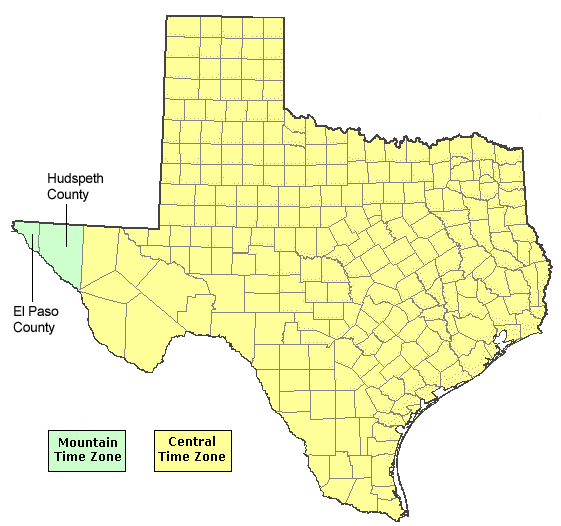
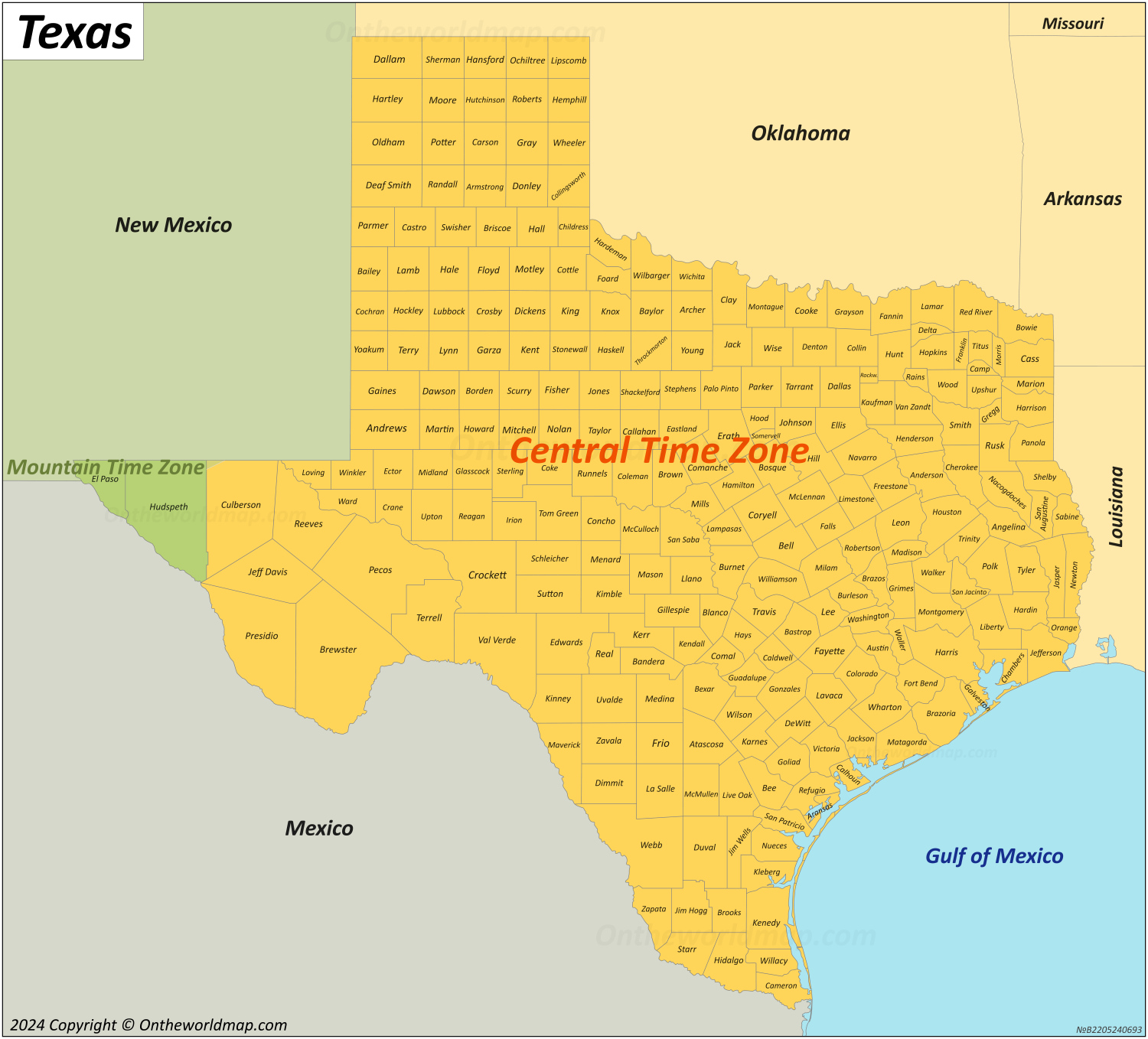
While Central Time reigns supreme across most of Texas, a significant portion of the far western part of the state observes Mountain Time. This region primarily includes El Paso County and Hudspeth County, which border New Mexico and Mexico. Cities like El Paso fall squarely within this time zone.
During the standard period, this area observes Mountain Standard Time (MST), which is UTC-7. When Daylight Saving Time is in effect, these counties switch to Mountain Daylight Time (MDT), becoming UTC-6. This means that El Paso and its surrounding areas are consistently one hour behind the rest of Texas. So, when it’s 3 PM in Houston, it’s 2 PM in El Paso, regardless of whether it’s Standard Time or Daylight Saving Time. This seemingly small difference holds significant implications for travelers, particularly those traversing the state from east to west or vice versa. For example, Big Bend National Park is officially in Central Time, but some nearby towns like Presidio or communities closer to El Paso might informally follow Mountain Time due to their proximity to the time zone border. It’s always wise to confirm local times, especially in remote areas or when dealing with local businesses.
The Impact of Time Zones on Your Texas Travel Experience
For anyone planning a trip, booking accommodation, or simply trying to stay connected in Texas, understanding the nuances of these time zones is critical. It moves beyond a mere geographical fact and becomes a practical consideration that influences many aspects of your travel and lifestyle choices.
Planning Your Itinerary: Seamless Transitions and Potential Pitfalls
The one-hour shift between Central Time and Mountain Time within Texas can easily trip up even the most seasoned travelers.
- Flight Schedules: When booking flights, especially those with connections or originating/terminating in El Paso while traveling to or from a Central Time city like Dallas or Houston, always pay close attention to whether the times listed are local to the departure or arrival airport. Airlines usually specify this, but a quick double-check can prevent a missed connection or an unnecessary rush. For example, a flight departing El Paso at 9 AM Mountain Time and arriving in Houston at 1 PM Central Time has a shorter perceived flight time than the actual duration due to the time zone change.
- Road Trips and Sightseeing: If you’re embarking on an epic Texas road trip, perhaps from the coastal beauty of South Padre Island all the way to the rugged peaks of Guadalupe Mountains National Park, you’ll encounter this time zone change. Crossing into El Paso County means setting your watch back an hour. This can be an advantage, giving you an “extra” hour of daylight if traveling west, but remember to adjust for eastbound travel. Missing the opening hours for a local attraction, a scheduled tour of The Alamo, or a reservation at a popular Austin restaurant because of a time zone miscalculation is a common travel blunder that can easily be avoided with a bit of foresight.
- Event Timings: Concerts, sporting events, festivals, and other local activities will always adhere to local time. If you’re following a band from Houston to El Paso, remember that the show in El Paso will start an hour “earlier” relative to your original Central Time schedule. Confirming event times and considering the time zone when planning your travel logistics can make all the difference for a stress-free experience.

Accommodation and Booking: Ensuring You Arrive on Time
Hotels and other accommodation providers are very precise about check-in and check-out times, and these are always based on the local time zone of the property.
- Check-in/Check-out Times: When booking a hotel in El Paso, remember that a 3 PM check-in will be 4 PM for anyone arriving from a Central Time city. Conversely, a noon check-out in El Paso means you gain an hour compared to your internal clock if you’re mentally still on Central Time. This can be particularly relevant for business travelers who often have tight schedules or for families coordinating travel with young children.
- Booking Systems: Most online booking platforms will display times in the local time zone of the property, but it’s always prudent to confirm, especially when reviewing booking confirmations. If you’re making arrangements over the phone, explicitly state your time zone of reference to avoid confusion.
- Early Arrivals/Late Departures: If you’re arriving early or departing late and plan to store luggage or use hotel amenities beyond the standard times, communicating clearly with the hotel staff about your actual arrival/departure time in their local time will ensure smooth service. Many luxury resorts and boutique hotels are happy to accommodate, but clear communication is key.
- Long-term Stays: For those considering a long-term stay, perhaps for work or an extended vacation, getting accustomed to the local time zone quickly is essential for establishing routines and coordinating with local services.
Communication and Business: Staying Synchronized Across the State
Beyond leisure travel, time zones play a critical role in business operations and communication across Texas.
- Business Meetings and Conferences: For professionals traveling between Central Time and Mountain Time regions of Texas, scheduling meetings requires careful attention. A 9 AM meeting in El Paso corresponds to a 10 AM meeting for colleagues in San Antonio. Modern tools often automatically adjust for time zones, but a manual check is always recommended to prevent misunderstandings and demonstrate professionalism.
- Supply Chains and Logistics: Businesses involved in logistics and supply chain management across the state must factor in the time difference for deliveries, pickups, and transit times. A truck leaving Midland at 8 AM CST aiming to arrive in El Paso by noon MST has a different perceived travel time than one staying within the same time zone.
- Family and Social Connections: Even for personal communication, knowing the time difference is helpful. Calling family or friends in El Paso from Dallas requires remembering that they are an hour behind. This consideration enhances communication and prevents late-night or early-morning calls at inconvenient times.
Exploring Texas: Diverse Landscapes and Time-Conscious Adventures
Texas’s geographical and cultural diversity makes it a treasure trove for travelers. From the historic landmarks of San Antonio to the sprawling ranches of the Panhandle and the stunning desert vistas of West Texas, each region offers a unique experience. Understanding the time zones allows for a more informed and enjoyable exploration of these varied landscapes.
Major Cities and Their Time Alignments
Most major urban centers in Texas proudly stand within the Central Time Zone, making planning visits to these bustling hubs relatively straightforward.
- Central Time Zone Cities: Houston, a hub for space exploration at the NASA Johnson Space Center and vibrant culinary scenes; Dallas, known for its arts district, history (including the Sixth Floor Museum), and luxury shopping; Austin, the live music capital and political heart; San Antonio, home to the historic Alamo and its picturesque River Walk; Fort Worth, embodying the true spirit of the American West with its stockyards; Lubbock, the “Hub City” of the South Plains; Amarillo, gateway to the Panhandle and Palo Duro Canyon; and the twin cities of Midland and Odessa in the Permian Basin, vital for the energy industry. All these cities operate on Central Time (CST/CDT).
- Mountain Time Zone Cities: The primary urban center in Texas observing Mountain Time is El Paso. Its unique position on the border with New Mexico and Mexico has long dictated its time zone alignment, connecting it more closely with its western neighbors than its eastern Texas counterparts. When traveling to El Paso, visitors should embrace this time shift as part of its distinct identity and geographic positioning.
From Coastal Charms to Desert Vistas: Geographic Nuances
The sheer geographical diversity of Texas is a major draw for tourism and lifestyle exploration. From the sunny beaches of Galveston Island and Corpus Christi Bay in the east, through the rolling hills of the Texas Hill Country, and into the dramatic peaks of West Texas, the landscape shifts dramatically.
The Central Time Zone covers the vast majority of these diverse regions, including the fertile prairies, piney woods, and much of the desert plains. This includes iconic natural landmarks such as the Big Bend National Park (though some local customs around the park’s periphery might lean towards Mountain Time, the park officially follows Central Time for its operations), with its stunning Chisos Mountains and the meandering Rio Grande carving its path through rugged canyons.
The Mountain Time Zone is reserved for the truly western edge, where the Chihuahuan Desert meets the majestic Guadalupe Mountains National Park, home to Guadalupe Peak, the highest natural point in Texas. This region offers unparalleled opportunities for hiking, stargazing, and experiencing the raw beauty of the desert, all while operating on a different clock from the rest of the state. Travelers exploring these remote areas should pay extra attention to time, as services may be sparse, and arriving at a visitor center after closing due to a time zone oversight could disrupt plans significantly.
In conclusion, while the question “What is the time difference in Texas?” might seem simple, the answer holds crucial implications for anyone looking to fully experience the state. The dominance of Central Time throughout most of its expansive territory, coupled with the distinct Mountain Time observance in its far western counties, demands awareness. By understanding these time zones and factoring them into your travel planning—from flight bookings and hotel check-ins to sightseeing schedules and business communications—you can ensure your visit to Texas is as smooth, enjoyable, and punctual as possible. Whether you’re chasing the vibrant city life, seeking solace in nature, or managing a critical business trip, a little attention to the clock will go a long way in the Lone Star State.
LifeOutOfTheBox is a participant in the Amazon Services LLC Associates Program, an affiliate advertising program designed to provide a means for sites to earn advertising fees by advertising and linking to Amazon.com. Amazon, the Amazon logo, AmazonSupply, and the AmazonSupply logo are trademarks of Amazon.com, Inc. or its affiliates. As an Amazon Associate we earn affiliate commissions from qualifying purchases.