
The Lone Star State, a sprawling expanse of diverse landscapes and rich history, evokes a powerful sense of identity and scale. Often characterized by its iconic cowboy culture and vast ranches, Texas is far more than a collection of stereotypes. It is a complex mosaic of vibrant cities, natural wonders, and a deeply ingrained heritage that draws millions of visitors each year, seeking to experience its unique brand of Americana. Understanding “what state is [Texas]?” requires delving into its geography, its historical narrative, and the palpable spirit that defines it as a singular entity within the United States.
A Tapestry of Geography and Climate
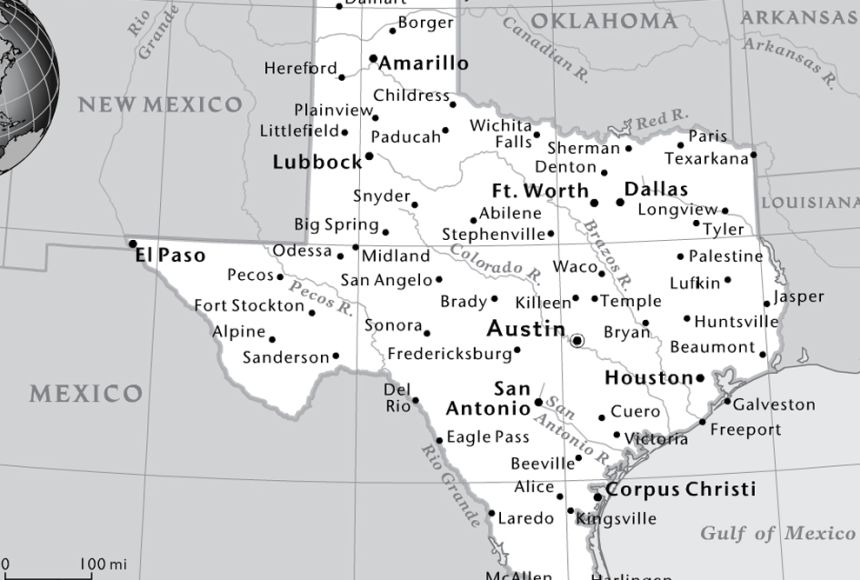
Texas’s sheer size is its most defining geographical characteristic. As the second-largest state in the Union by both area and population, it presents an astonishing array of climates and terrains. From the arid deserts of the west to the lush piney woods of the east, and from the Gulf Coast’s subtropical humidity to the rolling plains of the Panhandle, the state offers a remarkable diversity that shapes its economy, culture, and attractions.
The Diverse Texas Landscape
The western reaches of Texas are dominated by the dramatic landscapes of the Chihuahuan Desert and the rugged beauty of the Big Bend National Park. Here, towering cacti, stark mountains, and vast open spaces create a sense of isolation and awe. Further east, the terrain transitions into rolling hills and plateaus, culminating in the famed Texas Hill Country. This region, dotted with vineyards, artisan towns like Fredericksburg, and crystal-clear rivers such as the Guadalupe River, offers a gentler, more picturesque vista.
The eastern part of the state is characterized by the Piney Woods, a dense forest region that provides a stark contrast to the western deserts. This area is rich in natural resources and supports a different kind of ecosystem. Along the southern border, the subtropical climate of the Rio Grande Valley fosters unique flora and fauna, influenced by its proximity to Mexico. Finally, the southeastern coast along the Gulf of Mexico features barrier islands, bays, and coastal plains, supporting vibrant marine life and a thriving tourism industry.
Climatic Variations Across the State
The vastness of Texas translates into significant climatic variations. The Panhandle experiences cold winters with potential for snow, while the Gulf Coast enjoys a warmer, more humid climate year-round, with hot summers and mild winters. West Texas is known for its dry heat and dramatic temperature swings. Central and East Texas experience a more moderate climate with distinct seasons, though they are also prone to severe weather events, including thunderstorms, hail, and tornadoes, particularly in the spring. Visitors should always be aware of the local weather forecasts when planning their travels.
A Rich Tapestry of History and Culture
Texas’s identity is deeply rooted in its tumultuous and fascinating history. From its days as a Spanish territory to its status as an independent republic and its eventual admission into the United States, each era has left an indelible mark on the state’s cultural landscape. This historical legacy is evident in its architecture, its traditions, and the very spirit of its people.
Indigenous Roots and Spanish Colonialism
Before European settlement, the land that is now Texas was home to numerous indigenous tribes, including the Caddo, the Karankawa, and the Comanche. Their presence and influence are a vital part of the region’s pre-history. Spanish explorers and missionaries arrived in the 16th century, establishing missions and presidios, laying the groundwork for settlements that would eventually form some of the state’s oldest cities, such as San Antonio. The architectural remnants of this period, like the historic Alamo and the San Antonio Missions National Historical Park, are significant landmarks.
The Republic of Texas and Statehood
The early 19th century saw an influx of Anglo-American settlers, leading to tensions with Mexico and the Texas Revolution. The victory at the Battle of San Jacinto in 1836 declared Texas an independent republic, a period of self-governance that fostered a unique sense of pride and independence. For nearly a decade, the Lone Star Republic charted its own course before joining the United States as the 28th state in 1845. This era of independence remains a cornerstone of Texan identity, often celebrated through festivals and historical reenactments.
The Influence of Diverse Immigrant Communities
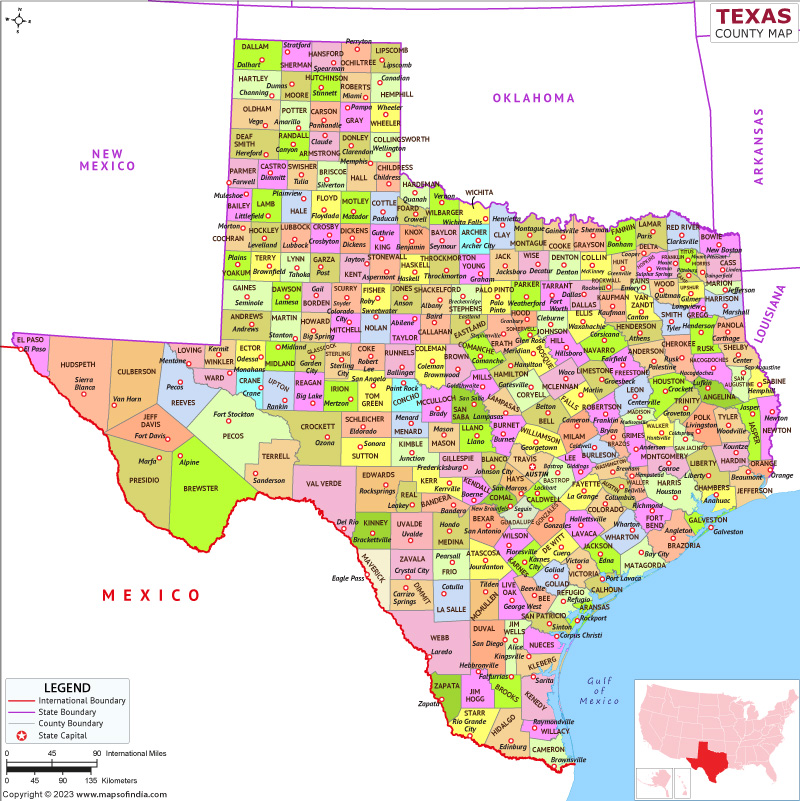
Beyond its foundational Spanish and Anglo-American influences, Texas has been shaped by waves of immigration from around the globe. German, Irish, Polish, and Czech communities established settlements, particularly in the Hill Country, bringing their own traditions, music, and culinary styles. Later, significant Mexican and Tejano populations have profoundly influenced the culture, especially in South Texas. In more recent decades, Texas has also become a destination for immigrants from Asia, Africa, and other parts of the world, contributing to a dynamic and multicultural society. This fusion of cultures is palpable in the state’s diverse cuisine, music, and festivals.
Vibrant Cities and Distinct Regions
Texas is home to some of the nation’s largest and most dynamic metropolitan areas, each with its own distinct character and appeal. Beyond the urban centers, the state is also divided into several cultural and geographical regions, each offering unique attractions and experiences.
The Major Metropolitan Hubs
Houston, the state’s largest city, is a global center for energy and aerospace, boasting world-class museums, a diverse culinary scene, and the renowned Space Center Houston. Dallas, a major economic and cultural hub, is known for its modern architecture, thriving arts district, and high-end shopping. Neighboring Fort Worth offers a more Western flair, with its historic Stockyards and rodeo culture. San Antonio is celebrated for its rich history, Spanish colonial architecture, and vibrant Riverwalk. Austin, the state capital, is renowned as the “Live Music Capital of the World,” with a vibrant music scene, a progressive culture, and numerous outdoor recreational opportunities.
Exploring the Regional Charms
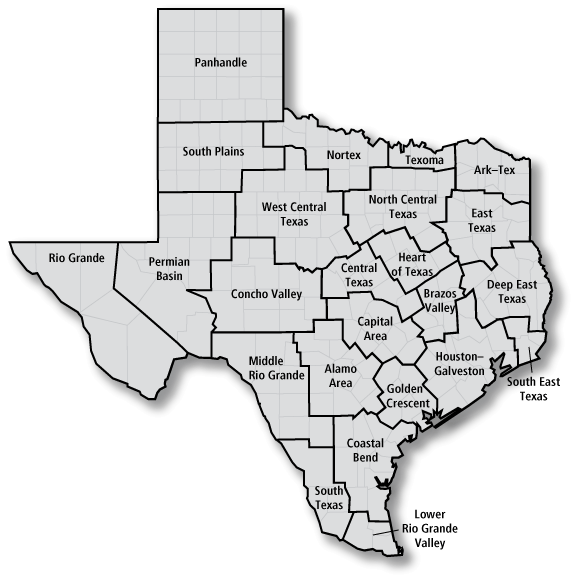
Beyond these major cities, Texas offers a wealth of regional experiences. The Gulf Coast region, from Galveston with its Victorian architecture and beaches to the bustling port of Corpus Christi, provides coastal charm and activities. The Panhandle offers a taste of the vast plains, with attractions like Palo Duro Canyon State Park, the “Grand Canyon of Texas.” West Texas is synonymous with the stark beauty of the desert and mountains, drawing visitors to El Paso and the unique art installations in Marfa. The East Texas Piney Woods region offers a more laid-back, nature-focused experience, with opportunities for hiking and exploring small towns. The South Texas Plains and the Rio Grande Valley provide a glimpse into border culture and subtropical landscapes, with cities like McAllen and Brownsville serving as gateways.
The Spirit of Texas: An Enduring Identity
Ultimately, to understand “what state is [Texas]?” is to grasp the intangible, yet pervasive, spirit that defines it. This spirit is a potent blend of independence, resilience, hospitality, and a fierce pride in its heritage. It is a spirit that manifests in everything from its renowned culinary traditions to its larger-than-life characters and its unwavering sense of self.
Culinary Traditions: A Taste of Texas
Texas cuisine is a delicious reflection of its diverse influences and its agricultural bounty. From the slow-smoked barbecue that has gained international acclaim to the vibrant Tex-Mex dishes born from the fusion of Mexican and Anglo flavors, the state offers a culinary journey like no other. Iconic dishes like chili con carne, breakfast tacos, and pecan pie are not just food; they are cultural touchstones. Cities like Austin, San Antonio, and Houston are culinary destinations in their own right, boasting award-winning restaurants and diverse food trucks that cater to every palate.
Hospitality and the “Come On In” Attitude
Texans are often characterized by their warm hospitality and a genuine willingness to welcome visitors. The phrase “y’all” is more than just a contraction; it’s an invitation, a gesture of friendliness that embodies the state’s ethos. Whether you’re stopping for directions in a small rural town or striking up a conversation at a local diner, you’re likely to encounter the amiable spirit that makes Texas feel like home, even for those passing through. This welcoming nature extends to its thriving tourism sector, where attractions and accommodations strive to offer an authentic and memorable experience.
A Land of Icons and Legends
Texas is a land of iconic imagery and enduring legends. The cowboy, the lone star, the longhorn cattle – these are symbols that resonate far beyond the state’s borders. It’s a place where the spirit of the Old West still lingers in places like the Fort Worth Stockyards National Historic District, and where new legends are forged in its bustling modern cities. From the vast ranches that still dot the landscape to the state’s influential role in national politics and culture, Texas continues to capture the imagination, solidifying its place as a state unlike any other, a destination that invites exploration and promises discovery.
LifeOutOfTheBox is a participant in the Amazon Services LLC Associates Program, an affiliate advertising program designed to provide a means for sites to earn advertising fees by advertising and linking to Amazon.com. Amazon, the Amazon logo, AmazonSupply, and the AmazonSupply logo are trademarks of Amazon.com, Inc. or its affiliates. As an Amazon Associate we earn affiliate commissions from qualifying purchases.