
Texas, the Lone Star State, conjures images of vast landscapes, vibrant cities, rich history, and a distinctive culture. From the bustling metropolis of Houston to the live music scene of Austin, the historic charm of San Antonio, and the modern allure of Dallas, it’s a destination that offers something for every traveler. Whether you’re considering a move for a new job, planning an extended stay, or simply dreaming of a memorable vacation, understanding the financial landscape is key to maximizing your experience. One of the most common questions for anyone earning an income in Texas – or contemplating it – is: “What taxes are taken out of a paycheck?” The answer, particularly regarding state income tax, presents a unique advantage that significantly impacts your disposable income, ultimately influencing your ability to travel, enjoy luxury accommodations, or embrace a desired lifestyle.
This article delves into the specific taxes deducted from a paycheck in Texas, and crucially, how this tax structure can benefit your travel aspirations, accommodation choices, and overall lifestyle. We’ll explore the federal obligations that apply nationwide, and then examine the state-specific financial considerations that, while not always appearing on your paycheck stub, profoundly affect your budgeting for destinations, attractions, and unique experiences across the state and beyond. For those seeking to leverage their earnings for more enriching travel, better hotels, and a more fulfilling lifestyle, understanding the nuances of the Texas tax system is an essential first step.
The Lone Star State’s Unique Tax Landscape: A Boon for Travelers and Residents
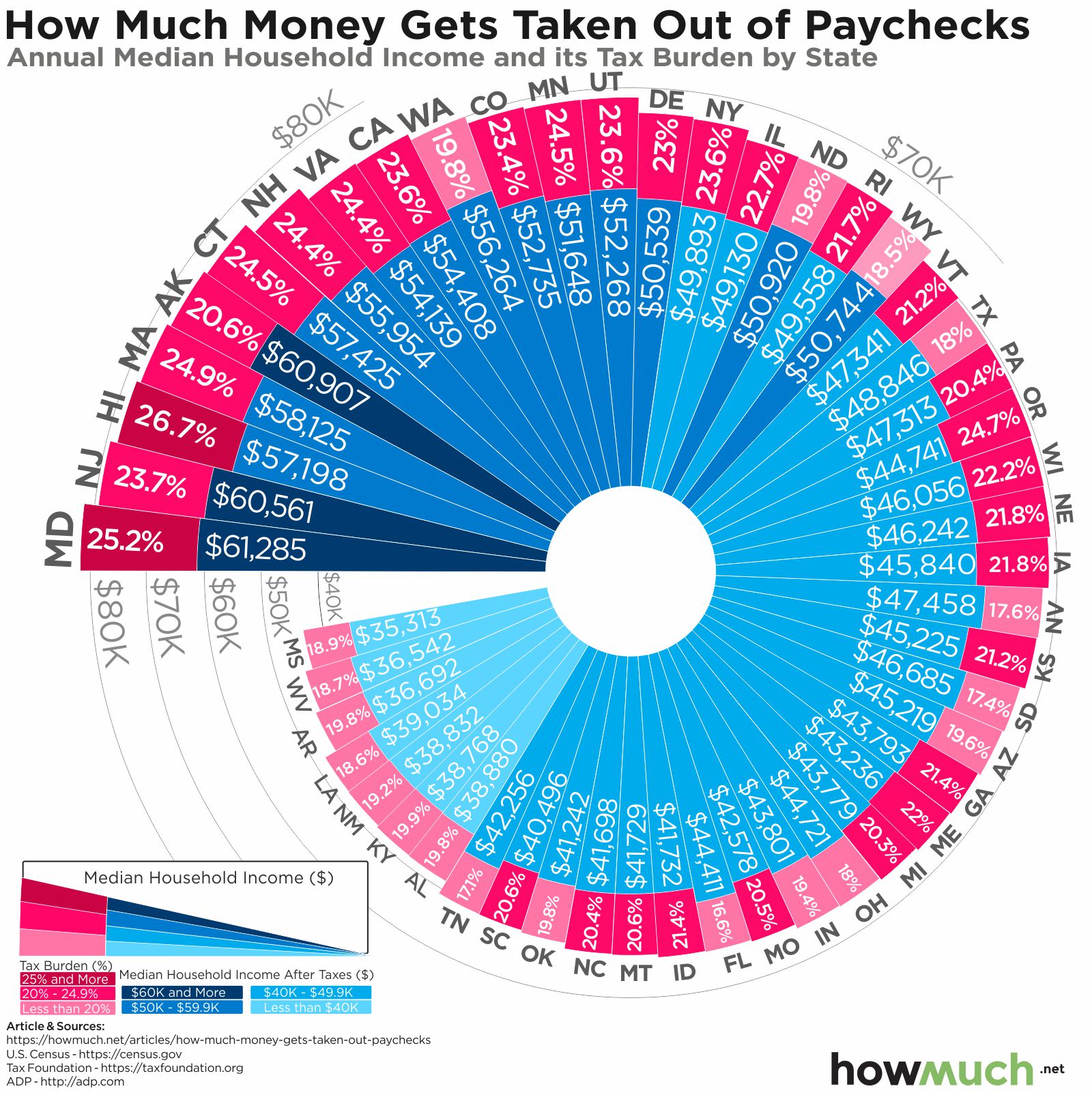
The most celebrated financial advantage of living and working in Texas is the absence of a state income tax. This single factor sets Texas apart from many other states and directly translates into more money in your pocket from each paycheck. For individuals, this means a larger portion of your gross earnings is available for discretionary spending – whether that’s funding a luxurious getaway to South Padre Island, investing in a comfortable long-term stay in Galveston, or saving up for an epic international adventure.
This isn’t just a minor perk; it’s a significant game-changer for budgeting. Imagine the difference in your travel fund if you’re not contributing 5-10% (or more, depending on the state) of your income to state coffers. This additional financial flexibility empowers residents to explore more, experience richer local cultures, and enjoy higher-quality accommodations. For someone passionate about travel, the no-state-income-tax benefit of Texas offers a compelling reason to consider making it home. It can mean the difference between budget travel and luxury travel, or between a weekend trip and an extended vacation.
While the absence of state income tax is a huge plus, it’s vital to remember that all U.S. citizens and residents working in Texas are still subject to federal taxes. These federal obligations are a universal constant, regardless of the state you call home, and form the baseline deductions from any paycheck.
Federal Obligations: The Foundation of Every Paycheck
Before diving into Texas-specific considerations, it’s crucial to understand the federal taxes that are universally withheld from paychecks across the United States. These deductions are non-negotiable and are the first to impact your gross earnings, whether you’re working in Texas or New York City. Understanding these helps in accurately predicting your net income and planning for travel and lifestyle expenses.
-
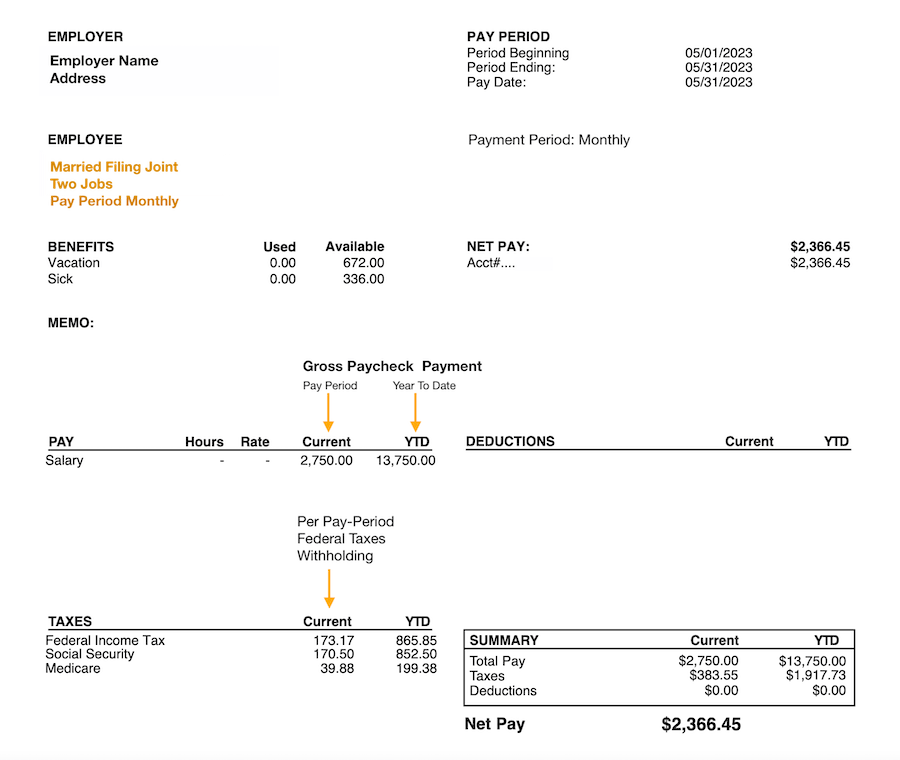
Federal Income Tax: This is the largest deduction for most individuals. The amount withheld depends on your income level, filing status (single, married filing jointly, etc.), and the number of allowances you claim on your Form W-4. The U.S. operates on a progressive tax system, meaning higher earners pay a higher percentage of their income in taxes. For a travel enthusiast, managing your federal income tax withholdings correctly means more accurate budgeting for your next hotel booking, flight, or destination experience. Over-withholding might feel like forced savings, but under-withholding could lead to unexpected tax bills, cutting into your travel fund.
-
FICA Taxes (Social Security and Medicare): These are mandatory payroll taxes that fund Social Security (retirement, disability, and survivor benefits) and Medicare (health insurance for the elderly and disabled).
- Social Security Tax: Employees currently pay 6.2% of their gross wages up to an annual maximum earnings limit. This ceiling changes annually.
- Medicare Tax: Employees pay 1.45% of all gross wages, with no earnings limit. An additional Medicare tax of 0.9% applies to wages exceeding certain thresholds ($200,000 for single filers, $250,000 for married filing jointly).
FICA taxes are a fixed percentage (up to the Social Security cap) and are crucial for the long-term financial security of workers, which indirectly supports a comfortable lifestyle, including travel during retirement. While these deductions are fundamental, the absence of a state income tax in Texas means that the combined federal tax burden is often the only income-based deduction, leaving a larger portion of your earnings intact compared to residents of states with both federal and state income taxes. This financial advantage can be directly channeled into enhancing your lifestyle, whether through more frequent trips, stays at boutique hotels, or immersive cultural experiences.
Beyond the Paycheck: Other Texas Taxes Affecting Your Travel and Living Expenses
While your Texas paycheck proudly displays deductions solely for federal taxes (and potentially pre-tax benefits like health insurance premiums or 401k contributions), it’s important not to overlook other significant taxes that impact your overall cost of living and travel budget in the state. These aren’t payroll deductions but are woven into the fabric of everyday life and commerce in Texas, especially for those engaged in tourism, seeking accommodation, or making long-term lifestyle decisions. The state compensates for its lack of income tax through these other revenue streams, which are critical for funding public services and infrastructure – amenities that enhance the very travel and lifestyle experiences Texas offers.
Property Taxes: A Major Consideration for Long-Term Stays and Investments
Texas is known for having some of the highest property tax rates in the United States. While this isn’t deducted from your paycheck, it is a crucial financial consideration for anyone contemplating long-term accommodation, purchasing a vacation home, or investing in rental properties within the state. For example, if you dream of owning a charming bungalow near The Alamo in San Antonio, a spacious family home in the suburbs of Dallas, or a sprawling ranch outside Austin, property taxes will be a significant ongoing expense.
- How They Work: Property taxes are locally assessed, meaning rates vary significantly by county, city, school district, and other special districts. These taxes fund local schools, roads, police, and fire services – all crucial elements that contribute to the quality of life and safety in destinations popular with travelers.
- Impact on Lifestyle & Accommodation Choices: High property taxes can influence housing affordability, making renting a more attractive option for some, especially those seeking flexibility for business stays or frequent travel. For those looking at long-term stays or considering purchasing investment properties (like Airbnbs or vacation rentals) to supplement their travel fund, understanding the local property tax burden is paramount. It impacts the profitability of such ventures and the overall cost of living. Areas with lower property taxes might offer a more budget-friendly lifestyle, freeing up more funds for exploring natural wonders like Big Bend National Park or enjoying the vibrant nightlife of Fort Worth.
Sales Tax: Your Everyday Travel and Tourism Expenditure
Sales tax is arguably the most direct tax impact a traveler or resident experiences on a daily basis in Texas. This tax is applied to most goods and services purchased, and it adds to the cost of nearly every tourism-related expenditure.
- State and Local Rates: The state sales tax rate in Texas is 6.25%. However, local taxing jurisdictions (cities, counties, transit authorities, special purpose districts) can add up to an additional 2%, bringing the combined sales tax rate to a maximum of 8.25% in many areas.
- Relevance to Tourism and Lifestyle: This tax directly affects your travel budget for:
- Dining Out: Enjoying Texas BBQ, savoring Tex-Mex cuisine, or dining at a fine restaurant in Houston will incur sales tax on your bill.
- Shopping: From purchasing souvenirs at Space Center Houston to buying clothing, electronics, or artisan crafts, sales tax will be added to the price. This applies whether you’re looking for luxury goods or sticking to a budget travel plan.
- Attractions and Activities: Tickets to museums, theme parks, concerts, sporting events, or historical landmarks like the Sixth Floor Museum at Dealey Plaza in Dallas typically include sales tax.
- Car Rentals: If you rent a car for exploring the vast distances of Texas, sales tax will be part of the cost.
Understanding the sales tax means you can better budget for your daily expenses while traveling. A $100 purchase might actually cost you $108.25 in a high-tax area, and these small increments add up over a week-long vacation or an extended stay. Being mindful of this helps prevent unexpected overspending on your carefully planned travel budget.
Hotel Occupancy Tax: A Direct Hit on Accommodation Costs
For anyone booking accommodation in Texas, the Hotel Occupancy Tax (HOT) is a direct addition to your bill, separate from sales tax. This is particularly relevant for tourists, business travelers on business stays, and anyone utilizing hotels, motels, bed and breakfasts, or short-term vacation rentals.
- State and Local Rates: Texas imposes a state HOT of 6%. Additionally, cities and counties can levy their own HOT, often reaching 7% or even higher in some municipalities. For instance, a stay in Austin or San Antonio could see a combined HOT of around 15-17% added to the base room rate.
- Impact on Accommodation Decisions: This tax significantly increases the actual cost of booking hotels or other accommodation types. When comparing hotel prices on booking sites or planning an extended stay, remember to factor in this additional percentage. A “luxury travel” experience in a high-end resort might seem affordable at first glance, but the added HOT can push it beyond your initial budget. Conversely, for budget travel, even an economical motel room will have this tax applied, so it’s essential to account for it. This tax directly funds tourism promotion and convention center improvements, meaning your payment indirectly contributes to the attractions and infrastructure that draw visitors to Texas.
Other, less direct taxes include vehicle sales tax (if you purchase a car in Texas), and various excise taxes on specific goods like fuel or alcohol. While these don’t come out of your paycheck, they are part of the broader financial ecosystem that shapes the cost of living and traveling in the state.
Maximizing Your Texas Experience: Financial Planning for the Lone Star Lifestyle
Understanding the tax structure in Texas is more than just a dry financial exercise; it’s a strategic move for anyone looking to maximize their travel, lifestyle, and accommodation choices. The absence of a state income tax means a higher net paycheck, offering a unique opportunity to allocate more funds towards experiences, comfortable stays, and personal enrichment. However, this advantage is balanced by other taxes, particularly property and sales tax, which demand careful consideration in your overall financial planning.
Budgeting for Travel: Leveraging Your Net Income
With potentially more disposable income from each paycheck, Texas residents have a distinct advantage in budgeting for travel. This additional financial cushion can:
- Fund More Frequent Trips: Weekend getaways to the River Walk in San Antonio, beach trips to Galveston, or exploring the art scene in Marfa become more attainable.
- Upgrade Accommodation Choices: Instead of a standard room, you might opt for a suite, a resort with more amenities, or a unique boutique hotel experience. This elevates the comfort and enjoyment of your journeys.
- Enable Luxury Experiences: More funds mean the possibility of indulging in fine dining, exclusive tours, or high-end shopping – turning a simple trip into a luxury travel experience.
- Facilitate Extended Stays: For digital nomads or those considering a sabbatical, a healthier paycheck can support longer periods of travel, allowing for deeper immersion in local cultures and attractions.
Cost of Living Comparison: Texas vs. Other Destinations
When comparing the cost of living and the financial impact on your lifestyle, Texas presents an interesting profile. While the lack of state income tax is a significant plus, high property taxes can offset some of that advantage for homeowners. For renters and travelers, the sales tax and hotel occupancy tax become more prominent factors.
- For Residents: A smart financial strategy involves balancing the benefit of no income tax with the cost of housing. Choosing to rent in a city like Austin might mean less impact from property taxes directly, leaving more budget for lifestyle choices like attending music festivals or exploring nearby state parks.
- For Visitors: Compared to states with both high income and sales taxes, the overall cost of a vacation in Texas might be perceived as more budget-friendly, especially once the accommodation and activity costs are aggregated. However, being aware of the combined sales and hotel taxes is crucial for accurate trip planning.
Tips for Visitors and Residents: Smart Financial Planning
- For Tourists: When planning your itinerary, factor in the 6.25-8.25% sales tax on purchases and dining, and the combined 13-17% Hotel Occupancy Tax on your accommodation. Use online budget calculators that account for these taxes when estimating your daily expenses. Look for hotel packages that bundle amenities, as sometimes these can offer better value despite the taxes. Explore free attractions like public parks, beaches, or historical markers to balance your spending.
- For Residents/Expats:
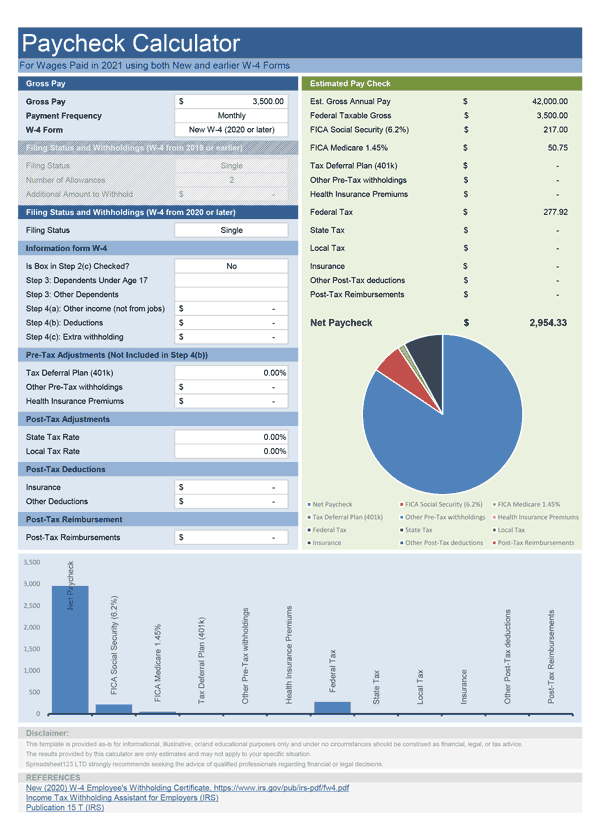
- Optimize Withholdings: Ensure your W-4 form accurately reflects your situation to avoid over or under-withholding federal income tax.
- Property Tax Homestead Exemptions: If you own a home, apply for homestead exemptions to reduce your taxable property value, thereby lowering your property tax burden.
- Budget for Sales Tax: Incorporate sales tax into your monthly budget for groceries, entertainment, and other purchases.
- Consider Location: When moving to Texas, research property tax rates in different cities and counties, as this can significantly affect your overall cost of living and, by extension, your travel budget.
- Savings for Travel: Leverage the higher net income from your paycheck to consistently contribute to a dedicated travel fund. Whether it’s for annual family trips, a luxury cruise, or exploring international destinations, having a robust travel savings plan is easier when more of your paycheck remains after essential deductions.
In conclusion, the tax landscape in Texas offers a distinct advantage for individuals through its lack of a state income tax. This crucial detail directly empowers residents with more financial freedom to pursue a rich lifestyle, including extensive travel, comfortable accommodation, and diverse experiences. While federal taxes remain a constant, and other state-level taxes like property and sales tax require careful budgeting, the overall financial environment in Texas is often favorable for those looking to maximize their earnings for a life filled with exploration and adventure. By understanding these nuances, both visitors and residents can strategically plan their finances to fully embrace the vibrant culture, breathtaking landmarks, and unparalleled tourism opportunities that the Lone Star State, and the world, have to offer.
LifeOutOfTheBox is a participant in the Amazon Services LLC Associates Program, an affiliate advertising program designed to provide a means for sites to earn advertising fees by advertising and linking to Amazon.com. Amazon, the Amazon logo, AmazonSupply, and the AmazonSupply logo are trademarks of Amazon.com, Inc. or its affiliates. As an Amazon Associate we earn affiliate commissions from qualifying purchases.