
Understanding the legal landscape of any destination is paramount for both residents and visitors alike, ensuring a safe and responsible experience. Whether you’re planning a family vacation to the vibrant cities of Texas, exploring its vast natural wonders, or considering a long-term stay, being informed about local laws is a cornerstone of responsible travel and community engagement. Among the crucial legal considerations, the age of consent is a topic that carries significant weight, impacting personal interactions and legal liabilities. Texas, a state known for its unique blend of Southern charm, Western ruggedness, and booming metropolitan areas, operates under specific statutes that define the age at which an individual can legally consent to sexual activity. This guide aims to shed light on these critical regulations, offering clarity for anyone navigating the social and legal fabric of the Lone Star State.
The age of consent is not merely a legal technicality; it is a fundamental aspect of child protection laws designed to safeguard minors from sexual exploitation and abuse. It sets a clear boundary, distinguishing consensual adult relationships from unlawful acts involving individuals deemed too young to provide informed consent. For travelers, understanding this law is not just about avoiding legal trouble; it’s about respecting the local community’s values and ensuring that one’s conduct aligns with ethical standards, particularly in family-friendly environments or when interacting with younger populations. From the bustling streets of Houston to the historic charm of San Antonio, and the live music capital of Austin, Texas offers an incredible array of experiences. However, the enjoyment of these experiences must always be balanced with an awareness of the legal framework that underpins society.
This article will delve into the specifics of Texas’s age of consent laws, explore related legal concepts like statutory rape, discuss potential exceptions, and outline the severe consequences of non-compliance. By providing a comprehensive overview, we hope to equip our readers with the knowledge necessary to responsibly enjoy all that Texas has to offer, reinforcing the importance of legal literacy in enhancing your travel and lifestyle experiences.
Understanding the Legal Framework in Texas
The legal system in Texas, like that of other states in the United States, is built upon a foundation of protecting its citizens, with a particular emphasis on vulnerable populations. When it comes to sexual consent, the law is designed to ensure that all parties involved are mature enough to understand the nature and consequences of their actions. This protective framework is crucial for maintaining societal order and preventing harm.
The Core Age of Consent
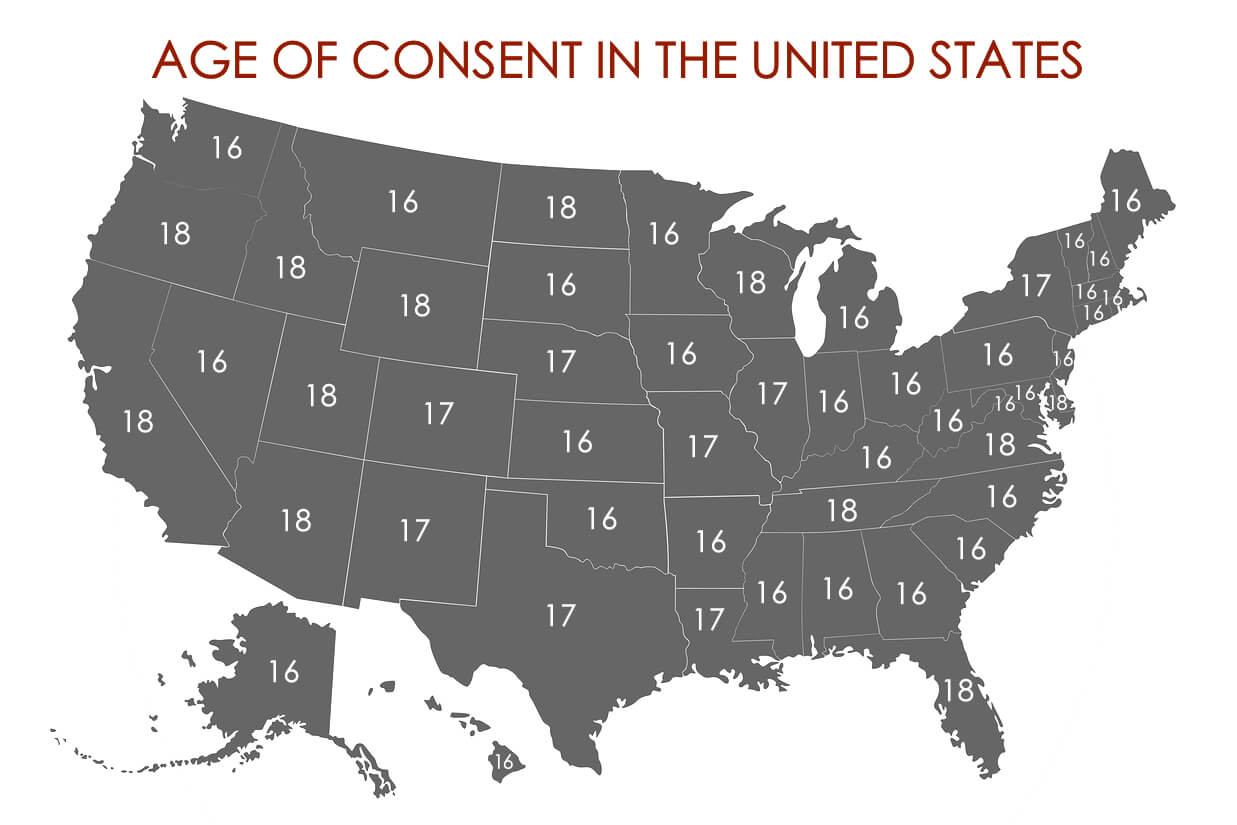
In Texas, the statutory age of consent is 17 years old. This means that any individual aged 17 or older can legally consent to sexual activity. Conversely, any sexual activity with a person under the age of 17 is considered a criminal offense, regardless of whether the younger person “agreed” or initiated the encounter. The law presumes that individuals below this age lack the capacity for fully informed and voluntary consent. This explicit age limit is a clear demarcation, leaving little room for ambiguity regarding what constitutes a legal sexual relationship in the state.
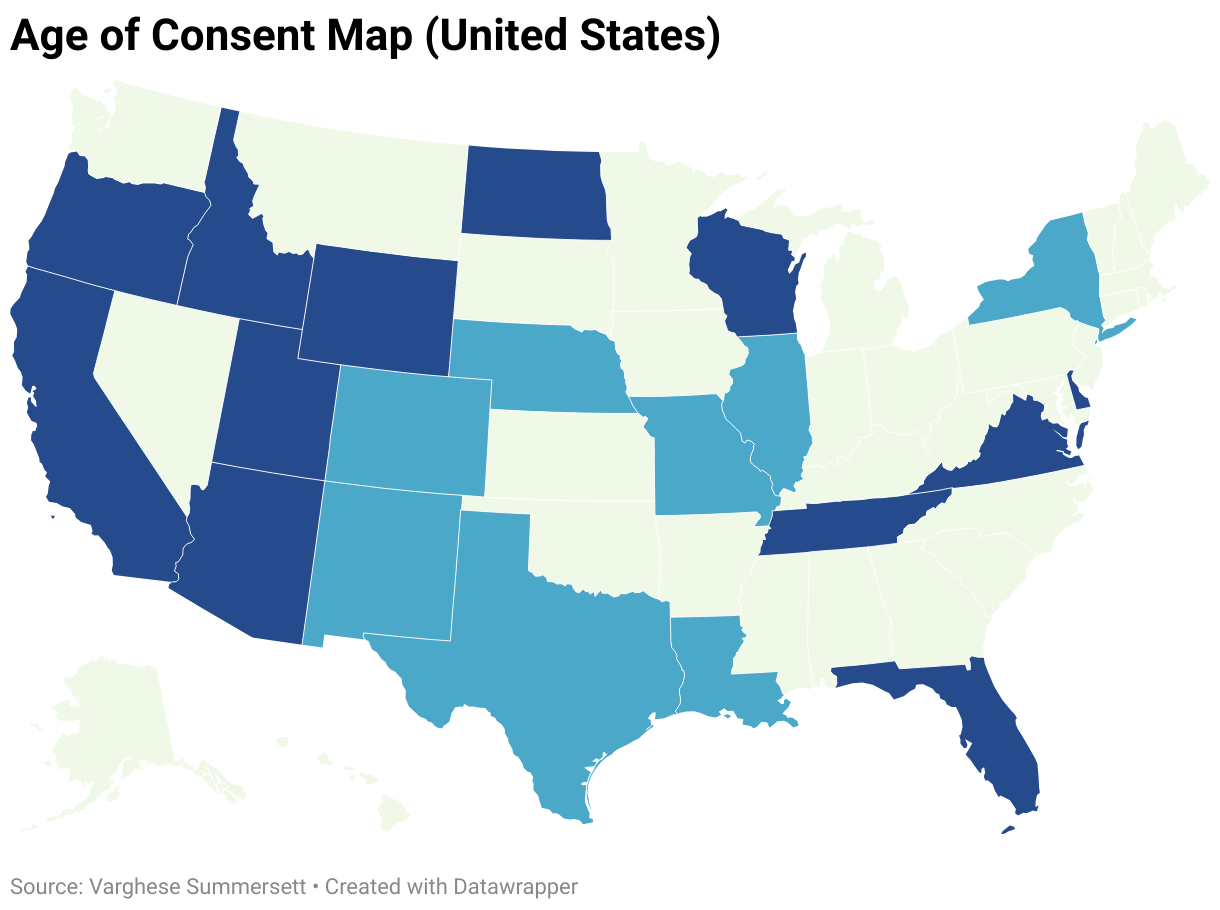
The 17-year-old threshold positions Texas among a group of states that have an age of consent higher than the more common 16 years, or even 18 years in some jurisdictions. This places a significant responsibility on individuals, particularly adults, to verify the age of anyone they engage with, especially in situations where intimacy might be involved. Ignorance of the law or a mistaken belief about a person’s age is generally not a valid defense in such cases, underscoring the importance of due diligence.
Key Legal Definitions and Terminology
Understanding the age of consent also requires familiarity with related legal terms, primarily statutory rape. In Texas, statutory rape refers to sexual intercourse or other sexual acts with a person who is below the age of consent. It is critical to grasp that the term “rape” in this context does not necessarily imply force or lack of verbal consent. The act is considered criminal solely because of the age of the victim. This is a crucial distinction from traditional definitions of rape, which typically involve non-consensual sexual acts (e.g., through force, threats, or incapacitation).
The relevant statutes are primarily found within the Texas Penal Code, specifically under Chapter 22, which addresses assaultive offenses. These sections outline the various degrees of sexual assault, with offenses involving minors generally categorized as aggravated sexual assault or sexual assault, depending on the specifics of the case (e.g., the age difference, the use of force, or the nature of the act). The legal framework is designed to be robust, providing strong protections for minors and imposing severe penalties on offenders. For instance, an offense might be classified as a first-degree felony, carrying a potential sentence of life imprisonment or a term of not less than 5 years or more than 99 years in prison. The severity of the penalty often increases with the age difference between the perpetrator and the victim, as well as the victim’s age.
Nuances and Exceptions to the Rule
While the age of consent in Texas is clearly set at 17, the law recognizes certain complexities and nuances that can affect how these statutes are applied. These exceptions and related legal concepts are important for a comprehensive understanding of the protective framework in place.
The “Romeo and Juliet” Exception
One of the most commonly discussed nuances in age of consent laws across various jurisdictions is the “Romeo and Juliet” exception, often referring to situations where both parties are minors and close in age. In Texas, the law does indeed provide a limited defense for certain situations. Specifically, Section 22.011(d) of the Texas Penal Code states that it is a defense to prosecution for sexual assault if:
- The victim was at least 14 years of age at the time of the offense.
- The actor was not more than two years older than the victim.
- The victim was not an individual whom the actor was prohibited from marrying under the Texas Family Code.
This provision is often colloquially referred to as the “statutory rape defense” or “Romeo and Juliet defense.” It acknowledges that sexual relationships can occur between young people close in age without the same level of predatory intent often associated with adult-on-minor offenses. However, it’s crucial to note that this is a defense to prosecution, meaning the act is still technically illegal but can be excused under these specific circumstances. It is not an outright permission for sexual activity below the age of 17. The applicability of this defense is narrowly construed and often depends on the specific facts of each case, including the actual age difference and the nature of the relationship.
Consent vs. Marriage Age
It is vital to distinguish between the age of consent for sexual activity and the legal age for marriage. In Texas, the legal age to marry without parental consent is 18 years old. This is generally consistent with the age of majority in the United States. However, there are provisions for individuals younger than 18 to marry under specific conditions:
- A person aged 16 or 17 may marry with parental consent.
- A person under 16 years of age may not marry unless they obtain a court order, which is typically granted only in exceptional circumstances, such as pregnancy.
This distinction highlights that while an individual aged 17 can legally consent to sexual activity, they still require parental consent to marry. The law recognizes different thresholds of maturity for different life decisions, reflecting a nuanced approach to safeguarding young people’s well-being and future. The complexities surrounding minor marriages have been a subject of ongoing legal and social debate, with many advocates pushing for stricter controls to prevent forced marriage or exploitation.

Emancipation and Its Implications
Emancipation is another legal concept that can sometimes intersect with age of consent laws, though its direct impact on sexual consent is limited. In Texas, a minor can petition a court for emancipation, which grants them certain legal rights typically reserved for adults, such as the ability to enter contracts, manage their finances, and live independently. To be eligible for emancipation, a minor must generally be at least 16 years old, be self-supporting, and live apart from their parents.
While emancipation grants a minor adult-like legal responsibilities, it does not automatically change the age of consent for sexual activity. An emancipated minor is still legally considered a minor under the age of consent laws until they reach the age of 17. The law’s primary concern in age of consent cases is the inherent vulnerability of individuals below a certain age, a vulnerability that emancipation does not negate in the context of sexual maturity. Therefore, engaging in sexual activity with an emancipated minor who is under 17 years old would still be considered statutory rape, subject to the same penalties as any other such offense.
Consequences of Violating Age of Consent Laws
The laws surrounding the age of consent in Texas are not merely guidelines; they carry severe legal ramifications for those who violate them. The state is committed to protecting its minors, and offenses related to statutory rape are prosecuted vigorously, often resulting in life-altering consequences for offenders.
Penalties for Statutory Rape
In Texas, offenses typically classified as statutory rape fall under the broader category of sexual assault or aggravated sexual assault in the Texas Penal Code. The specific charges and penalties depend on several factors, including:
- The age of the victim: Offenses involving younger victims (e.g., under 14) often carry more severe penalties.
- The age difference: A significant age disparity between the perpetrator and the victim can lead to harsher sentencing.
- The nature of the sexual act: Certain acts may be classified more severely.
- Prior criminal history of the offender: Repeat offenders face enhanced penalties.
Sexual assault, when the victim is a minor, is typically a first-degree felony if the victim is younger than 14 years of age at the time of the offense. A first-degree felony in Texas is punishable by imprisonment in a state prison for life or for any term of not more than 99 years or less than 5 years. Additionally, a fine of up to $10,000 may be imposed.
If the victim is 14 years of age or older but younger than 17 years of age, and the “Romeo and Juliet” defense (actor not more than two years older) does not apply, the offense can also be a serious felony, often a second-degree felony. A second-degree felony is punishable by imprisonment for a term of not more than 20 years or less than 2 years, and a fine of up to $10,000.
The penalties are not limited to incarceration and fines. Convicted individuals also face:
- Mandatory Sex Offender Registration: This is one of the most significant long-term consequences. Offenders are required to register as sex offenders, which involves public disclosure of their personal information, address, and nature of their crime. This registration requirement severely impacts an individual’s ability to find housing, employment, and maintain social relationships, often for life.
- Probation and Parole Conditions: Even if not incarcerated, individuals may be subject to strict probation or parole terms, including counseling, monitoring, and restrictions on contact with minors.
- Civil Lawsuits: Victims and their families may also pursue civil lawsuits against the offender for damages, which can result in substantial financial liabilities.
Legal Ramifications for Minors and Adults
The law primarily targets adults who engage in sexual activity with minors. However, it’s important to understand the varying legal ramifications based on the ages of all parties involved.
- Adult Perpetrators: As detailed above, adults who engage in sexual activity with a minor under 17 face severe felony charges, lengthy prison sentences, fines, and mandatory sex offender registration. The legal system in Texas takes these offenses extremely seriously, reflecting the state’s commitment to protecting its youth.
- Minor Perpetrators (within the “Romeo and Juliet” exception): If a minor (e.g., a 16-year-old) engages in sexual activity with another minor (e.g., a 15-year-old) and the specific conditions of the “Romeo and Juliet” defense are met (victim at least 14, actor not more than two years older), then the older minor may have a valid defense against sexual assault charges. However, this does not mean the act is entirely without consequence. There could still be involvement from Child Protective Services (CPS) if the relationship is deemed unhealthy or if other factors raise concerns about child welfare. The state’s juvenile justice system may also become involved, focusing on rehabilitation and protective measures rather than adult-level punitive measures.
- Minor Perpetrators (outside the “Romeo and Juliet” exception): If a minor engages in sexual activity with a younger minor, and the age difference is greater than two years, or if the victim is under 14, the older minor could face charges within the juvenile justice system. The approach here is generally rehabilitative, but serious offenses can lead to detention, probation, and mandatory counseling. The goal is to address the behavior and ensure the safety of both the perpetrator and the victim.
It’s critical for individuals, particularly those visiting Texas for tourism or lifestyle reasons, to be fully aware of these severe consequences. A momentary lapse in judgment or a misunderstanding of local laws can have devastating, life-long impacts.
Navigating Texas Laws as a Visitor or Resident
Understanding the age of consent laws in Texas is not just a legal obligation; it’s a fundamental aspect of responsible citizenship and respectful travel. For anyone experiencing the vastness and diversity of the Lone Star State, from the historic battlegrounds near The Alamo in San Antonio to the pristine beaches of South Padre Island, or the rugged trails of Big Bend National Park, being informed is crucial.
Importance for Travelers and Families
For tourists, the emphasis on local laws is often centered around traffic regulations, alcohol consumption, or public conduct. However, the age of consent should be at the forefront of understanding cultural and legal expectations, especially when traveling with family or interacting with local communities.
- Protecting Your Family: For parents traveling with children, being aware of these laws reinforces the importance of discussing boundaries and safety with their own children. It also helps parents understand the protections afforded to their children by Texas law.
- Responsible Interaction: When interacting with younger individuals in social settings, whether it’s a resort in Dallas, a festival in Austin, or a casual encounter, knowing the age of consent prevents accidental transgressions. It encourages a cautious and respectful approach to all interactions, particularly across perceived age differences.
- Legal Safeguard: Understanding the law serves as a personal safeguard. It prevents inadvertent legal issues that could escalate quickly and ruin a travel experience, leading to serious legal troubles far from home. A mistaken assumption about someone’s age, fueled by a foreign cultural context or simply poor judgment, is not a defense in Texas courts.
Resources and Legal Assistance
Should you or someone you know encounter a situation related to age of consent laws or sexual assault in Texas, knowing where to find help is vital.
- Emergency Services: In any immediate danger or emergency, contact 911. Law enforcement agencies in Texas, from municipal police departments in cities like El Paso and Corpus Christi to the Texas Department of Public Safety, are equipped to respond to such crises.
- Victim Support Services: Numerous organizations across Texas provide support, counseling, and advocacy for victims of sexual assault. These include local rape crisis centers, domestic violence shelters, and child advocacy centers. These resources can offer immediate support, help navigate the legal process, and provide long-term recovery assistance.
- Legal Counsel: If you are accused of an offense or require legal advice, it is imperative to seek representation from a qualified Texas attorney specializing in criminal defense immediately. Legal counsel can provide accurate information, protect your rights, and guide you through the complex legal system. For victims, an attorney can help understand rights and options within the criminal and civil justice systems.
- Official State Resources: The official websites of the Texas Attorney General and the Texas Department of Family and Protective Services also offer valuable information and resources regarding child protection laws and reporting procedures.
In conclusion, the age of consent in Texas is 17 years old, a clear and non-negotiable legal boundary designed to protect minors. Understanding this law, along with its nuances and severe consequences for violations, is essential for anyone living in or visiting this magnificent state. By being informed and acting responsibly, you contribute to a safe community and ensure your experiences in Texas are positive and within the bounds of the law, allowing you to fully appreciate its unique culture, breathtaking landmarks, and vibrant lifestyle offerings.
LifeOutOfTheBox is a participant in the Amazon Services LLC Associates Program, an affiliate advertising program designed to provide a means for sites to earn advertising fees by advertising and linking to Amazon.com. Amazon, the Amazon logo, AmazonSupply, and the AmazonSupply logo are trademarks of Amazon.com, Inc. or its affiliates. As an Amazon Associate we earn affiliate commissions from qualifying purchases.