
For many travelers and residents alike, understanding the local laws governing alcohol sales is an essential part of planning a seamless and enjoyable experience, especially when it comes to navigating the vibrant culture of a place like Texas. The Lone Star State, with its rich history, diverse landscapes, and bustling cities, presents a unique set of regulations concerning when and where you can purchase alcoholic beverages. Among the most frequently asked questions, particularly for those looking to enjoy a relaxed weekend or a celebratory brunch, is the specific timing for buying beer on Sundays.

Texas alcohol laws have a reputation for being somewhat intricate, often reflecting a blend of historical traditions and modern adjustments. What might seem straightforward in one state can be a nuanced affair here, influenced by state statutes, local ordinances, and even the specific type of establishment. Whether you’re unwinding after a week of exploring Dallas’s art scene, soaking in the live music vibes of Austin, enjoying a family trip to a Houston museum, or simply stocking up for a quiet evening at your chosen accommodation, knowing the Sunday beer sale hours is key. This guide aims to demystify these regulations, providing clear answers and practical insights to ensure your Texas adventure, or even just your Sunday errands, goes off without a hitch. We’ll delve into the specifics of off-premise and on-premise sales, explore the significant impact of recent legislative changes like the “Brunch Bill,” and touch upon the enduring influence of local control, all while connecting these rules to your overall travel and lifestyle experience in this expansive state.
Navigating Texas Alcohol Laws: A Traveler’s Guide
Exploring a new destination often involves immersing oneself in the local customs and regulations, and for visitors to Texas, understanding the alcohol laws is a crucial piece of the cultural puzzle. The state’s approach to alcohol sales, particularly on Sundays, has historically been a topic of much discussion, often shaped by evolving societal norms and legislative efforts. Unlike some states where alcohol sales follow a uniform pattern throughout the week, Texas has maintained certain distinctions, especially for Sunday transactions. These nuances can significantly impact a traveler’s plans, from simply grabbing a six-pack for a hotel room at a Holiday Inn Express to enjoying a leisurely brunch with mimosas at a charming San Antonio eatery overlooking the River Walk.
For those embarking on a Texas tourism journey, whether it’s for the vibrant nightlife in Austin, the historical landmarks in Galveston, or the bustling business districts of Fort Worth, being informed about Sunday alcohol sales is more than just a matter of compliance; it’s about enhancing your experience. The regulations are primarily divided into two categories: off-premise sales, which refer to purchases made for consumption elsewhere (like grocery stores or convenience stores), and on-premise sales, which cover consumption within the licensed establishment itself (bars, restaurants, and some hotels). Understanding these distinctions is the first step in successfully navigating the beer landscape on a Texas Sunday. The recent changes have largely harmonized Sunday sales with weekday hours for many establishments, but specific timing and types of beverages still require attention.
The Core Rules for Sunday Beer Sales
The heart of the matter lies in the specific times beer can be bought on Sundays in Texas, and these times differ based on whether you intend to drink the beer at the place of purchase or take it elsewhere. This distinction is crucial for both residents going about their weekend routines and visitors planning their lifestyle activities, from relaxing at a resort to enjoying local cuisine.
Off-Premise Beer Sales on Sunday
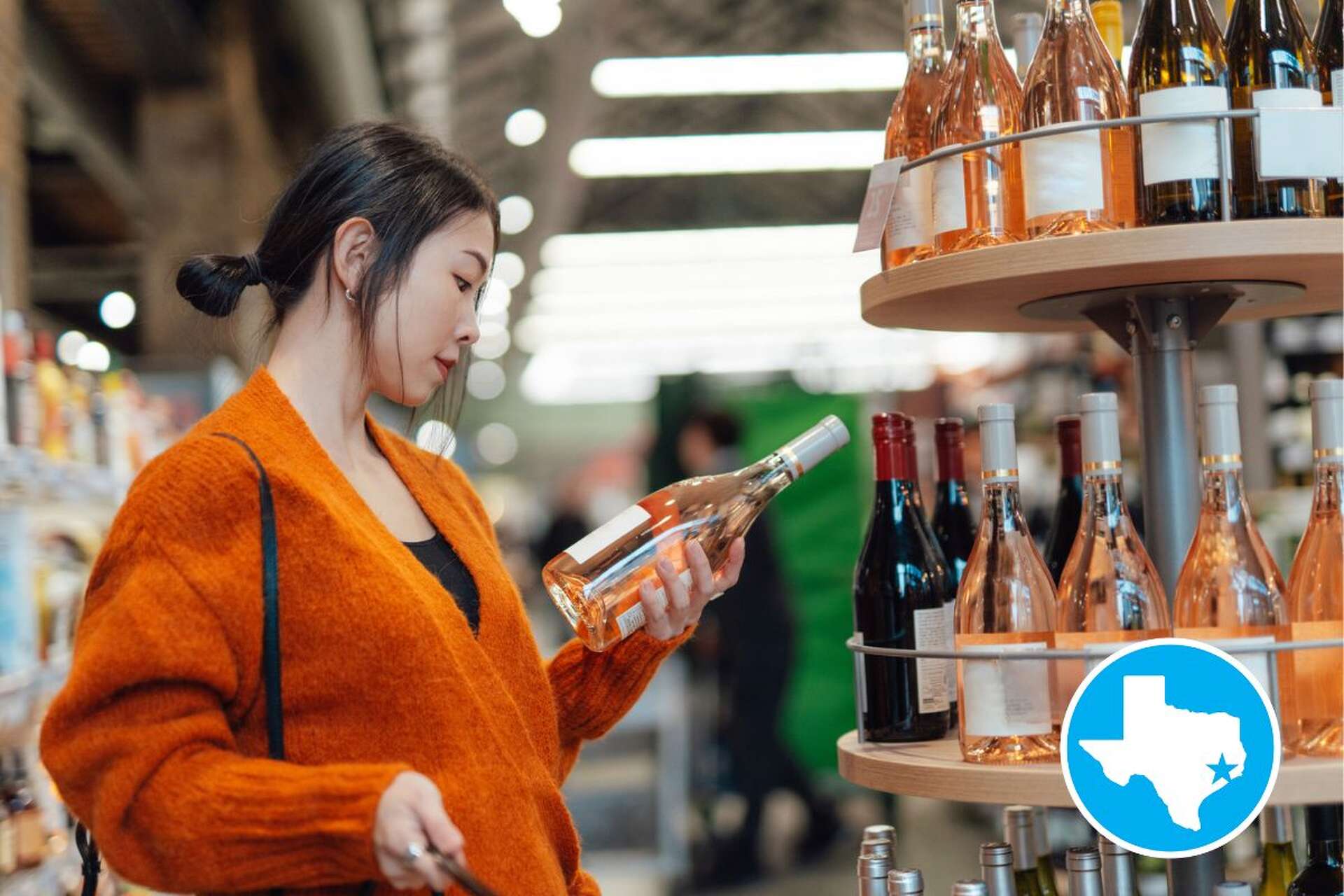
When it comes to purchasing beer from places like grocery stores, convenience stores, or gas stations – essentially, any location where you buy alcohol to take away and consume elsewhere – the rules have seen significant modernization. Prior to 2021, Sunday sales for off-premise beer and wine were restricted to starting at noon. However, thanks to the passage of House Bill 1545 (which built upon previous changes from the “Brunch Bill”), the hours for off-premise beer and wine sales on Sundays were significantly expanded.
Currently, you can buy beer for off-premise consumption from 10:00 AM until midnight on Sundays. This change brought Sunday sales hours much closer to those on weekdays, which typically run from 7:00 AM to midnight. This adjustment has been widely welcomed, offering greater convenience for everyone from families preparing Sunday dinner to friends heading to a tailgate party or simply stocking their vacation rentals. It means no more waiting until noon to grab a six-pack, allowing for earlier starts to weekend gatherings or quieter moments. It’s important to remember that this rule applies to beer and wine only. Liquor stores, which sell distilled spirits, remain closed on Sundays, a regulation that has largely remained unchanged.
On-Premise Beer Sales on Sunday
For those who prefer to enjoy their beer in a social setting – at a bar, restaurant, brewery, or a hotel lounge – the Sunday rules are slightly different and generally more expansive, especially after the legislative reforms. These establishments are licensed for “on-premise” consumption, meaning you drink the beverage at the venue itself.
The “Brunch Bill” (more formally known as Senate Bill 686), which became law in 2019, was a pivotal moment for Sunday alcohol sales in Texas. It specifically allowed earlier sales of alcoholic beverages, including beer, for on-premise consumption.
As a result, establishments with the proper permits can now sell beer for on-premise consumption starting at 10:00 AM on Sundays. This early start is particularly beneficial for the popular brunch scene across Texas cities like Austin, Houston, and Dallas, allowing patrons to enjoy beer, mimosas, or bloody marys with their morning meals. These sales can continue until 2:00 AM, matching the closing times of bars and restaurants on other nights, provided the establishment is licensed to do so. The ability to begin serving at 10:00 AM rather than the previous noon opening has been a boon for the hospitality industry and for travelers seeking to fully experience the local food and drink culture without temporal restrictions.
The “Brunch Bill” Effect: A Game-Changer for Sunday Funday
The passage of Senate Bill 686, widely dubbed the “Brunch Bill,” marked a significant turning point in Texas’s long-standing alcohol regulations. Prior to its implementation in September 2019, Sundays in the Lone Star State were characterized by a later start for alcohol sales, particularly for those enjoying a morning meal out. This legislative adjustment was not merely a minor tweak; it was a substantial shift that brought Texas more in line with the alcohol laws of many other states and profoundly impacted the lifestyle and tourism landscape of the region.
The core of the “Brunch Bill” was its provision to allow the sale of alcoholic beverages, including beer, wine, and mixed drinks, for on-premise consumption to begin at 10:00 AM on Sundays. This was a two-hour leap from the previous restriction of noon. For years, the inability to order an alcoholic beverage before midday on a Sunday had been a source of frustration for diners, restaurateurs, and visitors. The change was specifically designed to cater to the booming brunch culture, which had become an increasingly popular social activity across urban centers. The new law acknowledged that modern Texas life, particularly in its major cities, embraced a more relaxed and social Sunday morning.
The impact of this bill extended far beyond just facilitating a mimosa with eggs Benedict. It infused new energy into the Texas hospitality industry. Restaurants and bars, many of which are key attractions for tourists seeking local experiences, saw an immediate boost in Sunday morning revenue. It meant they could offer a complete dining experience earlier, making their establishments more competitive and appealing. For hotels and resorts offering weekend packages or Sunday buffets, the “Brunch Bill” allowed them to elevate their offerings, providing a seamless experience for guests without the awkward pause until noon. This change undoubtedly enhanced Texas’s appeal as a travel destination, offering a more flexible and enjoyable “Sunday Funday” for both residents and visitors alike. It truly was a game-changer, reflecting a progressive move to align state laws with contemporary consumer expectations and the vibrant culinary scene.
Beyond State Law: Local Ordinances and Dry Counties
While the “Brunch Bill” and subsequent legislation have standardized many aspects of Sunday alcohol sales across Texas, the state’s unique system of local control means that variations can still exist. Texas operates under a “local option” system, which grants counties, cities, and even specific precincts within those jurisdictions the power to determine the legality of alcohol sales. This means that while state law sets the general framework, local voters can choose to be “wet,” “dry,” or “partially wet” concerning different types of alcohol sales. This layered system adds another dimension for travelers and residents to consider, especially when venturing outside major metropolitan areas.
A “dry county” or “dry precinct” is a place where the sale of all or certain types of alcohol is prohibited. Historically, these areas were common, often reflecting the strong influence of temperance movements. While the number of entirely “dry” jurisdictions has decreased over the years, many areas remain “partially wet,” meaning they might allow beer and wine sales but prohibit liquor sales, or allow on-premise consumption but restrict off-premise sales. For instance, you might be able to enjoy a beer at a restaurant within a specific city limit, but unable to purchase one from a grocery store just a few miles down the road in an unincorporated dry area.
For tourists exploring Texas’s diverse destinations, from the charming small towns to the vast rural landscapes, this local option system necessitates a bit of pre-planning. Imagine arriving at a picturesque Bed and Breakfast in a seemingly idyllic town, only to discover there are no local stores selling beer or wine, even on a weekday, let alone a Sunday. This scenario, while less common in bustling urban centers like Dallas or Houston, is a real possibility when venturing into more remote regions or specific suburbs.
The easiest way to navigate this complexity is to check local regulations ahead of time, especially if your travel plans take you off the beaten path. Websites of local chambers of commerce or the Texas Alcoholic Beverage Commission (TABC) often provide information on local wet/dry status. Moreover, most businesses that sell alcohol will prominently display their licenses, indicating what they are permitted to sell. Understanding these local nuances ensures that your Texas experience, whether it involves enjoying a local craft brew or simply stocking up for your accommodation, remains seamless and free of unexpected surprises. It’s a testament to the state’s commitment to local governance, a key aspect of Texas culture that touches everything from politics to potable provisions.
Planning Your Texas Trip: Tips for Alcohol Enthusiasts
For travelers whose lifestyle includes enjoying local beverages, planning a trip to Texas requires a little extra insight into its unique alcohol laws. While the state has made significant strides in modernizing Sunday sales, particularly with the “Brunch Bill,” being well-informed ensures a smooth and enjoyable experience, whether you’re seeking a craft beer adventure, a fine dining experience, or simply a refreshing drink by the pool at your hotel. Navigating these regulations efficiently allows you to focus on the myriad of other attractions and experiences Texas has to offer.
One of the primary tips for alcohol enthusiasts is to always confirm the local ordinances of your specific destination. As previously discussed, Texas’s “local option” system means that rules can vary by county, city, or even precinct. While most major urban centers like Austin, Houston, Dallas, and San Antonio are generally “wet” and adhere to the state’s expanded Sunday hours, venturing into smaller towns or rural areas might bring you to a “dry” or “partially wet” jurisdiction. A quick online search for “[city/county name] alcohol laws” or checking the official website of the Texas Alcoholic Beverage Commission (TABC) before your arrival can save you from an unexpected disappointment. This due diligence is especially important if you plan to stay in a self-catering apartment or villa and wish to stock your own beverages.
Another excellent tip is to embrace the flourishing craft beverage scene in Texas. The state is home to a rapidly growing number of breweries, wineries, and distilleries, many of which offer on-site sales and tasting rooms. These establishments often have specific permits that allow them to sell their products for on-premise consumption and sometimes even for off-premise sales, within the bounds of state and local law. Visiting a Texas winery in the Hill Country or a craft brewery in North Texas can be a fantastic way to experience local culture and sample unique regional flavors. These venues are typically well-versed in the intricate regulations and can provide clear guidance on what you can purchase and when.
When booking accommodation, consider the amenities related to alcohol. Many resorts and high-end hotels feature on-site bars or restaurants that operate under the most expansive Sunday hours, meaning you won’t have to leave the property to enjoy a drink. If you’re staying at a Hyatt Regency or a similar full-service establishment, their concierge can also be an invaluable resource for local alcohol sale information. For those on a budget travel plan staying in more modest lodgings, simply knowing the location of the nearest grocery or convenience store that sells beer, and its Sunday hours, is a practical piece of information.
Finally, remember that while laws govern sales, personal responsibility is paramount. Always drink responsibly and designate a driver or utilize ride-sharing services, especially when exploring multiple venues. Texas is vast, and its diverse destinations offer everything from historic landmarks like the Alamo to modern entertainment complexes. Being prepared for its alcohol laws allows you to fully engage with the local scene, savor its unique flavors, and enjoy a truly unforgettable Texas travel experience.

The Cultural Significance of Texas Alcohol Laws
The trajectory of alcohol laws in Texas, particularly those pertaining to Sunday sales, is deeply intertwined with the state’s social and cultural history. Far from being arbitrary rules, these regulations reflect a complex interplay of religious traditions, moral sentiments, economic interests, and a fiercely independent spirit. Understanding this historical and cultural context adds another layer of appreciation for the nuances of life in the Lone Star State, transforming what might seem like mere bureaucratic hurdles into fascinating insights into Texas identity.
For decades, Sunday alcohol sales, especially for off-premise consumption, were heavily restricted, often framed by the concept of “Blue Laws.” These laws, which historically prohibited certain commercial activities on Sundays to promote church attendance and a day of rest, had deep roots in the state’s predominantly conservative and religious communities. The notion that Sunday should be reserved for spiritual and family activities meant that purchasing alcohol was seen as an inappropriate commercial endeavor, hence the later start times or outright prohibitions. This was a direct reflection of a significant portion of the Texas population’s values and beliefs, shaping the weekly rhythm of towns and cities across the state.
However, as Texas has grown and diversified, particularly with the influx of new residents and a burgeoning tourism industry, these traditional views have gradually evolved. The “Brunch Bill” and subsequent legislative changes are not just about economic benefits or convenience; they represent a societal shift towards a more liberal interpretation of Sunday activities. The increasing popularity of brunch, sporting events, and other weekend lifestyle pursuits created a demand for earlier alcohol access, and the legislature responded. This evolution showcases Texas’s capacity for adaptation while still holding onto certain aspects of its heritage – for instance, the continued closure of liquor stores on Sundays remains a nod to historical restrictions on spirits.
Moreover, the “local option” system for alcohol sales highlights another cornerstone of Texas culture: local control and community self-determination. The ability for towns and counties to decide their own alcohol policies reflects a deep-seated value in decentralized governance and the power of local voters. While it can create complexity for visitors, it is a living example of Texas’s unique approach to governance, where community values can directly shape the legal landscape. This local decision-making power has allowed communities to maintain aspects of their historical character, even as the state as a whole moves towards more liberal alcohol laws. For any traveler or potential resident, appreciating these cultural underpinnings provides a richer understanding of what makes Texas truly unique, beyond its vast landscapes and iconic landmarks.
Conclusion
Navigating the intricacies of Sunday beer sales in Texas is an essential aspect of truly experiencing the state, whether you’re a long-term resident or a first-time visitor. The Lone Star State has made significant strides in modernizing its alcohol laws, notably with the “Brunch Bill” and subsequent legislation, which have extended the hours for purchasing beer on Sundays. For off-premise consumption, you can now buy beer from 10:00 AM until midnight. For on-premise enjoyment at bars, restaurants, and other licensed establishments, sales also begin at 10:00 AM and can continue until 2:00 AM, aligning much more closely with weekday hours.
However, the enduring legacy of local option laws means that variations can still exist, particularly in rural areas or specific precincts where “dry” or “partially wet” regulations may apply. This unique blend of statewide modernization and local control underscores the importance of being informed – a small amount of pre-planning can ensure that your travel plans, tourism activities, or simply your weekend lifestyle remain uninterrupted.
Ultimately, understanding when and where you can buy beer on Sundays in Texas is more than just about following rules; it’s about appreciating a facet of the state’s evolving culture and history. From enjoying a craft brew at a bustling Austin brewery to picking up a six-pack for a quiet evening at your chosen accommodation, knowing the times will undoubtedly enhance your overall Texas experience. So, raise a glass (responsibly, of course) to a state that continually blends its proud traditions with a progressive outlook, ensuring there’s always something new to discover.
LifeOutOfTheBox is a participant in the Amazon Services LLC Associates Program, an affiliate advertising program designed to provide a means for sites to earn advertising fees by advertising and linking to Amazon.com. Amazon, the Amazon logo, AmazonSupply, and the AmazonSupply logo are trademarks of Amazon.com, Inc. or its affiliates. As an Amazon Associate we earn affiliate commissions from qualifying purchases.