
Embarking on a journey to the Lone Star State is an adventure teeming with diverse landscapes, vibrant cities, and a rich tapestry of culture. From the bustling metropolises of Dallas and Houston to the rugged, awe-inspiring beauty of West Texas, Texas offers an unparalleled range of experiences for every type of traveler. However, one seemingly simple question, “What time is it in Texas right now?”, holds a surprising nuance that can significantly impact your travel plans, accommodation bookings, and overall enjoyment of your trip. As a premier resource for travel, hotels, and tourism, understanding the intricacies of time zones within this vast state is crucial for seamless exploration and making the most of every precious moment.

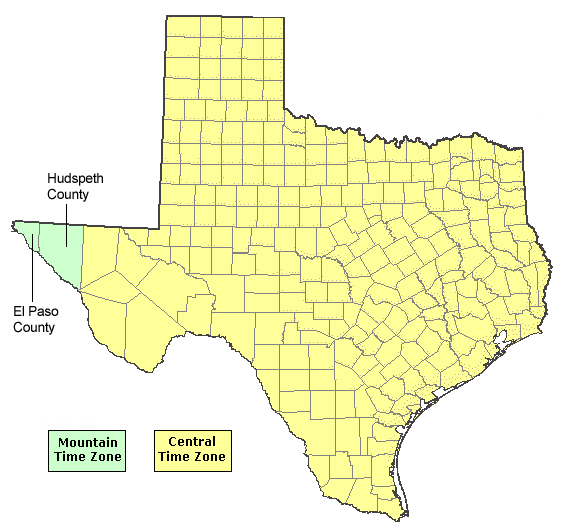
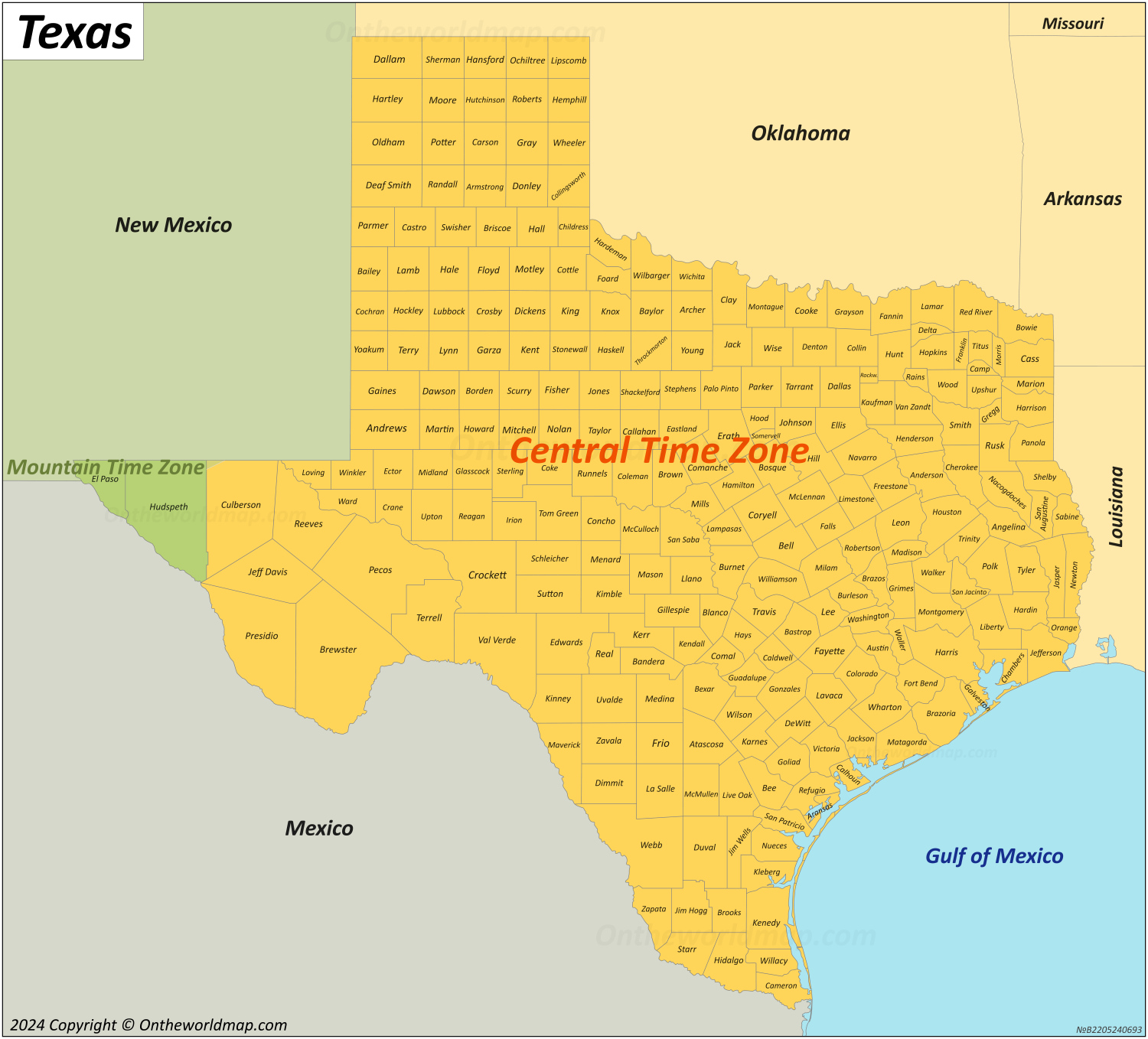
The sheer size of Texas means that it doesn’t adhere to a single time zone. While the vast majority of the state operates on Central Time Zone (CT), a notable portion in the westernmost region observes Mountain Time Zone (MT). This seemingly minor detail can become a major logistical hurdle if not accounted for, affecting everything from catching a flight connection to making a dinner reservation or arriving on time for a guided tour. For travelers, hoteliers, and tourism operators, precision in timing isn’t just a matter of convenience; it’s fundamental to a well-executed itinerary and a positive visitor experience. This guide delves into the specifics of Texas’s time zones, offering insights and practical advice to help you navigate its temporal landscape with confidence, ensuring your focus remains on creating unforgettable memories.
Understanding Texas Time Zones: The Dual Reality
At first glance, the concept of a state spanning two time zones might seem unusual, but for a state as expansive as Texas, it’s a geographical necessity. The continental United States is divided into four primary time zones, and Texas’s longitude places it squarely across two of them. Knowing which zone applies to your specific destination is the first step in mastering your travel schedule.
Central Time Zone (CT): The Heartbeat of Texas
The overwhelming majority of Texas operates on Central Time Zone, which is UTC-6 during standard time and UTC-5 during Daylight Saving Time (CDT). This encompasses all of the state’s major population centers, iconic landmarks, and bustling tourism hubs. From the lively music scene of Austin to the historical significance of San Antonio, and from the energy sector’s prowess in Houston to the cultural richness of Fort Worth, nearly every popular destination you might consider for your Texas itinerary will be on CT. This includes the entire Gulf Coast, the scenic Hill Country, and the vast plains stretching eastward. For most visitors, especially those focusing on the eastern and central parts of the state, planning will primarily revolve around Central Time Zone schedules. This consistency simplifies itineraries covering multiple cities within this vast area, allowing for smoother transitions between attractions, dining experiences, and accommodation check-ins.
Mountain Time Zone (MT): A Slice of the West
While less prevalent, the Mountain Time Zone (UTC-7 standard, UTC-6 Daylight Saving) plays a crucial role for travelers venturing into the far western reaches of Texas. Specifically, the westernmost counties of Texas – El Paso, Hudspeth, and Culberson – observe Mountain Time Zone. This means that if you’re flying into El Paso International Airport, hiking in Guadalupe Mountains National Park, or exploring the majestic Chihuahuan Desert landscapes near Van Horn or Fort Davis, you’ll need to adjust your watch an hour earlier than the rest of the state.
A notable exception to official time zone demarcations that often causes confusion is Big Bend National Park. While technically located within the Central Time Zone by federal law, the park, along with much of the surrounding Big Bend region, operates de facto on Mountain Time Zone for practical purposes. This informal local observance, driven by its proximity to El Paso and its remote location, means visitors should plan their activities, park entry, and local dining in accordance with Mountain Time Zone to avoid missing out. Always double-check with local establishments or park services when traveling to this unique area.
Planning Your Texas Adventure: Time Zone Considerations for Travelers
A well-planned trip to Texas hinges on more than just choosing your destinations; it requires a keen awareness of how time zones impact every facet of your journey. From the moment you book your flight to the minute you check out of your resort, time is of the essence.
Travel Logistics: Flights, Road Trips, and Public Transport
Understanding time zones is paramount when coordinating travel within and into Texas. For those arriving by air, a flight from New York to Dallas/Fort Worth International Airport will involve a two-hour time change, while a journey to El Paso from the same origin will entail a three-hour adjustment. When planning connecting flights, particularly between different parts of Texas, remember that a one-hour time difference between Central Time Zone and Mountain Time Zone can lead to missed connections if not factored in. For instance, a domestic flight from Houston (CT) to El Paso (MT) will appear to take an hour longer on the schedule than the actual flight duration because you “gain” an hour upon arrival. The reverse is true when traveling from El Paso to Houston, where you “lose” an hour.
Road trips across the state’s vast expanse also demand attention to the clock. Driving from Austin to Big Bend National Park involves a significant drive and a time zone shift (even if informal). It’s easy to miscalculate arrival times for scheduled activities, such as ranger-led tours or sunset viewing spots, if you forget to adjust your watch or phone. Public transport schedules, including intercity bus lines or Amtrak routes, will always operate on local time, necessitating vigilance from travelers. Always confirm local times for departures and arrivals, especially when crossing into or out of the Mountain Time Zone pocket.
Accommodation and Booking: Synchronizing Your Stay
Booking accommodation requires careful consideration of time zones, particularly regarding check-in and check-out times. A hotel in El Paso will have its check-in cut-off an hour earlier than one in San Antonio, relative to your originating time zone if it’s Central Time Zone. This is crucial for late arrivals, as missing a designated check-in window could lead to complications. When making online bookings, confirm that the displayed times correspond to the local time of your chosen destination, rather than your current location or a default time zone.
For longer stays, or when comparing different types of accommodations like villas, apartments, or resorts, ensure that any scheduled services or amenities align with your arrival and departure plans. For instance, if you’ve booked a luxury resort package that includes spa treatments or dining reservations upon arrival, confirm the exact local times to avoid disappointment. Whether you’re opting for a budget-friendly stay or an opulent experience at a boutique hotel like The Driskill in Austin or the Grand Hyatt San Antonio Riverwalk, a quick double-check of time zone details can save you from unnecessary stress.
Attractions and Activities: Never Miss an Opening
Texas is brimming with attractions, from historical sites and museums to sprawling theme parks and natural wonders. Each has specific operating hours that are strictly enforced based on local time. Imagine planning a morning visit to the Alamo in San Antonio, only to discover you’ve mixed up your time zones and arrived an hour early (or worse, an hour late) if you’ve recently crossed from Mountain Time Zone. The same applies to iconic spots like the Space Center Houston, the Sixth Floor Museum in Dallas, or any of the state’s numerous state parks and national monuments.
Outdoor activities, especially those with guided tours or fixed schedules, demand particular attention. Hiking expeditions in Franklin Mountains State Park near El Paso, kayaking tours along the San Antonio Riverwalk, or even stargazing events in the remote Davis Mountains will all operate on their local time. Confirming these details in advance and setting your devices to the correct time zone upon arrival at your destination will ensure you maximize your time and avoid missing out on planned experiences.
Dining and Entertainment: Savory Experiences, On Time
Food and entertainment are integral components of any Texas travel experience. From savoring authentic Texas BBQ to enjoying a live music performance, precise timing is key. Restaurant reservation systems often default to the restaurant’s local time, but confusion can arise if you’re booking from a different time zone. A dinner reservation for 7:00 PM in Marfa (MT), for example, would feel like 8:00 PM to someone who just drove in from Midland (CT).
Similarly, tickets for sporting events featuring teams like the Dallas Cowboys or Houston Rockets, concerts, theatre shows, or rodeo events will always be advertised in the local time of the venue. Ensuring your watch aligns with the local time prevents awkward late arrivals or, worse, missing the beginning of a highly anticipated event. This attention to detail extends to leisure activities, whether it’s happy hour at a local brewery, enjoying a sunset cruise off South Padre Island, or catching a movie at a historic cinema.
Iconic Texas Destinations and Their Time Zones
To further clarify, let’s categorize some of Texas’s most beloved destinations by their respective time zones, offering a clearer picture for planning your itinerary.
East Texas Gems: Cities in Central Time
The majority of Texas’s major urban centers and popular tourist spots are firmly within the Central Time Zone.
- Dallas & Fort Worth: The dynamic DFW Metroplex is a hub for business, culture, and entertainment. From the Dallas Arts District to the Fort Worth Stockyards National Historic District, all activities operate on CT.
- Houston: Home to NASA’s Johnson Space Center and a thriving culinary scene, Houston is a massive city entirely within CT.
- Austin: The “Live Music Capital of the World” and state capital, Austin buzzes on CT, with its famous South by Southwest (SXSW) festival and countless outdoor activities along Lady Bird Lake.
- San Antonio: Rich in history and culture, featuring the Alamo and the scenic Riverwalk, San Antonio also observes CT.
- Galveston: This historic island city on the Gulf Coast offers beaches, Victorian architecture, and family attractions, all on CT.
- Corpus Christi: Another coastal gem, known for its beaches and the Texas State Aquarium, operates on CT.
These cities and their surrounding regions are the core of Texas tourism, making Central Time Zone the most commonly encountered time.
West Texas Wonders: Embracing Mountain Time
For those venturing into the majestic landscapes of West Texas, the clock shifts back an hour, offering a slightly different rhythm to your journey.
- El Paso: As the largest city in West Texas and a vibrant border town, El Paso is squarely in the Mountain Time Zone. When visiting attractions like Mission Trail or exploring the Franklin Mountains State Park, remember to adjust your time.
- Hudspeth and Culberson Counties: These sparsely populated counties, home to the town of Van Horn and the breathtaking Guadalupe Mountains National Park, also observe Mountain Time Zone. Hikers tackling Guadalupe Peak, the highest point in Texas, should be mindful of park hours set in MT.
- Big Bend National Park and Surrounding Area: As mentioned, this iconic park, along with nearby towns like Terlingua, Lajitas, and the famous art town of Marfa, generally operates on Mountain Time Zone despite being officially designated Central Time Zone. This local custom is deeply ingrained, so always plan your visits and activities in this area using MT to ensure you’re in sync with local services and park operations. This includes the vast Big Bend Ranch State Park as well.
When traversing these regions, remember that simply crossing a county line can shift your local time, making it essential to confirm the time zone of your specific destination. Modern smartphones and GPS devices usually adjust automatically, but it’s always wise to manually confirm.
Beyond the Clock: Maximizing Your Texas Experience
While understanding time zones is a practical necessity, it’s just one piece of the puzzle when crafting an exceptional Texas experience. Our aim is to help you delve deeper, ensuring every aspect of your trip, from booking your stay to immersing yourself in local culture, is perfectly orchestrated.
Embracing Local Culture and Events
Texas’s vibrant cultural calendar is packed with events year-round, from county fairs and music festivals to art exhibitions and sporting events. Knowing the correct time zone for these gatherings is crucial. Imagine planning to see the Houston Rodeo or a Texas Rangers game, only to miscalculate your arrival due to a time difference. Local markets, food truck parks, and spontaneous street performances often have fluid schedules, but main attractions and ticketed events adhere strictly to their published times. Being punctual allows you to fully engage with the local scene, whether it’s joining a historic tour, participating in a cooking class focused on Tex-Mex cuisine, or catching a show at the Paramount Theatre in Austin. It’s about more than just showing up; it’s about respect for local customs and maximizing your opportunity to connect with the heart of Texas.
From Luxury Resorts to Budget-Friendly Stays: Accommodation Across Time Zones
The breadth of accommodation options in Texas caters to every preference and budget, from opulent suites in city-center hotels to rustic cabins in the wilderness and convenient long-term stays for business travelers. Whether you choose a lavish retreat like the JW Marriott San Antonio Hill Country Resort & Spa or the Four Seasons Hotel Austin, or a cozy Airbnb in a smaller town, proper time management is key. This includes coordinating early check-ins or late check-outs, scheduling amenity usage, or even participating in hotel-organized activities. When booking from afar, always confirm the local time for any booking windows, confirmation deadlines, or cancellation policies to avoid unexpected charges or lost reservations. Reviews and comparisons often highlight logistical details, but the time zone factor is something travelers often overlook until it’s too late. Being proactive in confirming these details ensures a smooth transition into your chosen lodging, allowing you to settle in and begin your adventure without a hitch.
Navigating Nature and Landmarks
Texas’s natural landmarks and outdoor recreational areas are among its most cherished treasures, offering breathtaking vistas and unparalleled opportunities for adventure. From hiking the canyons of Palo Duro Canyon State Park to birdwatching along the Great Texas Coastal Birding Trail, timing can significantly impact your experience. Sunrise and sunset times vary considerably across the state, and a beautiful vista in East Texas will occur at a different clock time than an equally stunning one in West Texas due to both longitude and time zones. Park entrance gates, visitor centers, and guided tours in national parks like Big Bend National Park or Guadalupe Mountains National Park adhere to specific local operating hours, which, as we’ve noted, might be Mountain Time Zone.
For outdoor enthusiasts, knowing the local time can be critical for safety and planning. Day hikers need to allocate enough time before dusk, while campers might need to arrive before dark for designated check-ins. Even navigating historical sites, such as the San Antonio Missions National Historical Park, requires adherence to published opening and closing times. By staying attuned to local time zones, you ensure you have ample opportunity to explore Texas’s natural beauty and historical grandeur without the stress of missed opportunities.
In conclusion, answering “What time is it in Texas right now?” is more complex than a simple glance at your watch. It’s a crucial aspect of planning a memorable and seamless travel experience in the Lone Star State. By understanding the division between the Central Time Zone and the Mountain Time Zone, and by meticulously factoring this into your travel logistics, accommodation bookings, and activity schedules, you unlock the full potential of your Texas adventure. So, set your clocks, embrace the vastness, and prepare to discover the countless wonders that await you in Texas, on time, every time.
LifeOutOfTheBox is a participant in the Amazon Services LLC Associates Program, an affiliate advertising program designed to provide a means for sites to earn advertising fees by advertising and linking to Amazon.com. Amazon, the Amazon logo, AmazonSupply, and the AmazonSupply logo are trademarks of Amazon.com, Inc. or its affiliates. As an Amazon Associate we earn affiliate commissions from qualifying purchases.