
Tonight, the skies above Texas are set to stage a breathtaking celestial performance: a lunar eclipse. For avid stargazers, curious travelers, and anyone simply looking for an extraordinary experience, this astronomical event offers a unique opportunity to witness the cosmos unfold from one of America’s most diverse and welcoming states. Far more than just a fleeting moment in the night sky, a lunar eclipse in Texas presents the perfect excuse to embark on a memorable journey, blending the wonders of the universe with the rich tapestry of Texas culture, hospitality, and natural beauty.
This guide will not only pinpoint the prime viewing times and locations but also inspire you to transform this astronomical event into an unforgettable travel adventure. From the sprawling dark sky preserves of West Texas to vibrant urban centers and serene coastal retreats, we’ll explore how to best experience tonight’s lunar eclipse, ensuring you not only catch every magical moment but also enjoy the very best in accommodation, local cuisine, and unique activities that Texas has to offer. Whether you’re planning a luxurious escape, a budget-friendly family trip, or a romantic stargazing getaway, prepare to be captivated by both the heavens and the heart of the Lone Star State.
Unveiling the Celestial Spectacle: When and Why Texas is Your Prime Viewing Spot
A lunar eclipse is a phenomenon that has captivated humanity for millennia, turning the moon into a dramatic, often fiery, red orb. Tonight, Texas is perfectly positioned to offer spectacular views, making it an ideal destination for those eager to witness this cosmic ballet.
The Magic of a Lunar Eclipse Explained
A lunar eclipse occurs when the Earth passes directly between the moon and the sun, casting a shadow over the moon. Unlike a solar eclipse, which requires specialized viewing equipment, a lunar eclipse is safe to observe with the naked eye, making it an accessible and enjoyable event for everyone. As the Earth’s shadow engulfs the moon, the direct sunlight is blocked, but some sunlight still filters through the Earth’s atmosphere, scattering blue light and allowing red light to reach the moon. This is what gives the eclipsed moon its distinctive coppery, red, or even brownish hue, often earning it the moniker “blood moon.” The specific shade depends on factors like dust and clouds in Earth’s atmosphere at the time of the eclipse.
For travelers, the appeal of a lunar eclipse extends beyond mere scientific observation. It’s an opportunity to connect with the ancient rhythms of the cosmos, to gather with loved ones under a blanket of stars, and to appreciate the profound beauty of our solar system. In a world increasingly dominated by artificial light, the chance to truly see the night sky in all its glory is a rare and precious experience, and a lunar eclipse amplifies this wonder tenfold.
Tonight’s Texas Eclipse: Key Timings and Visibility
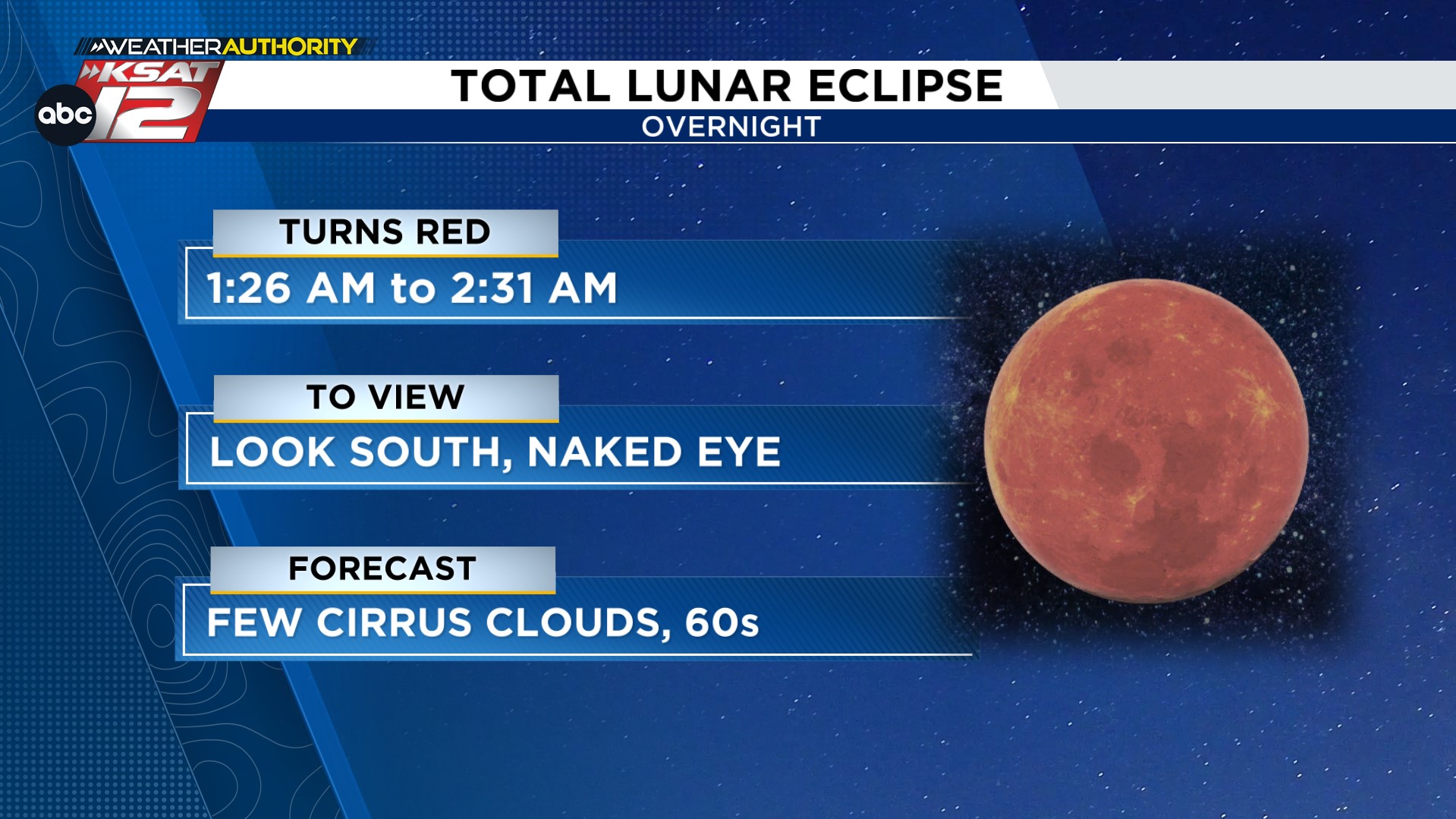
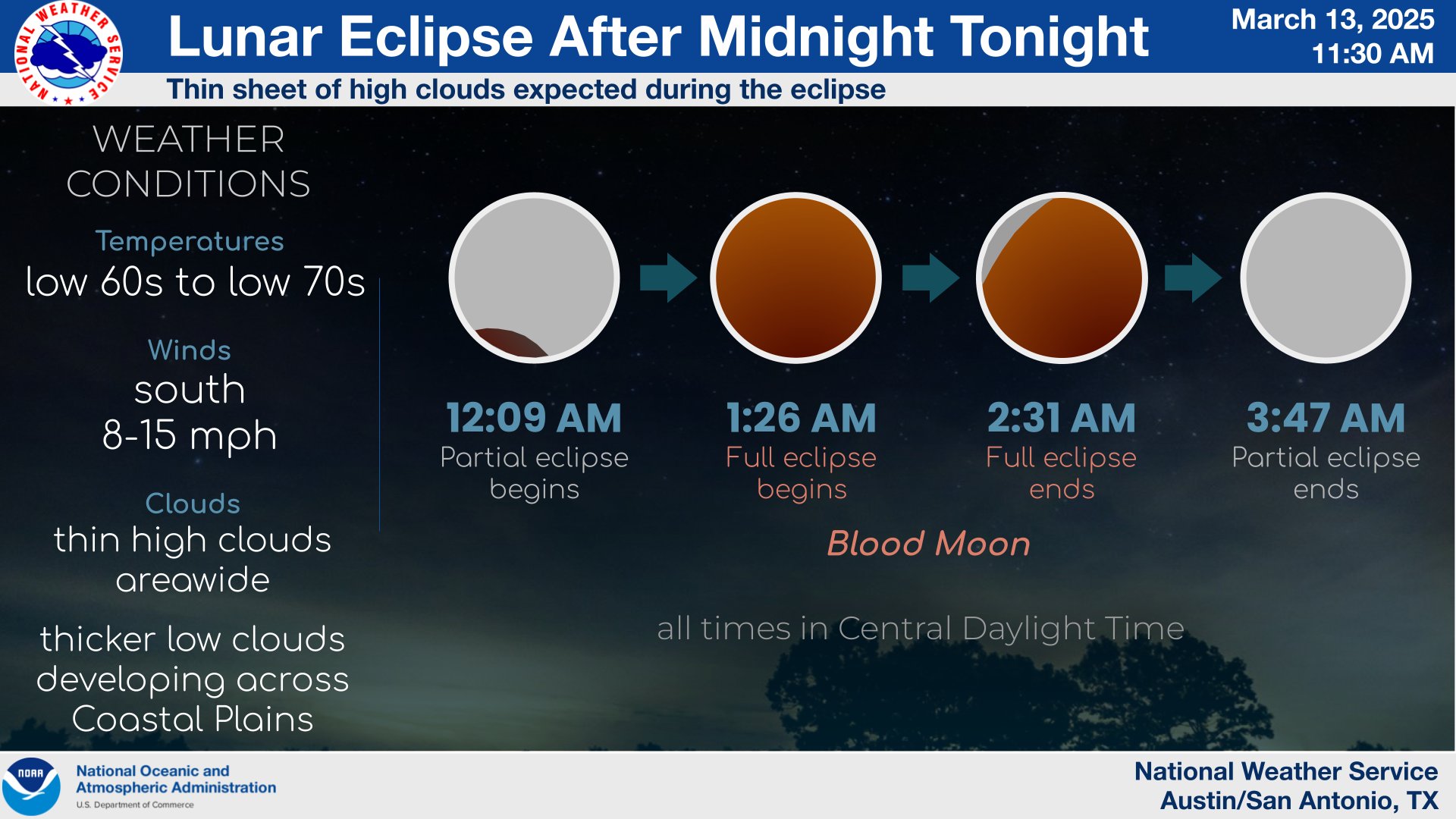
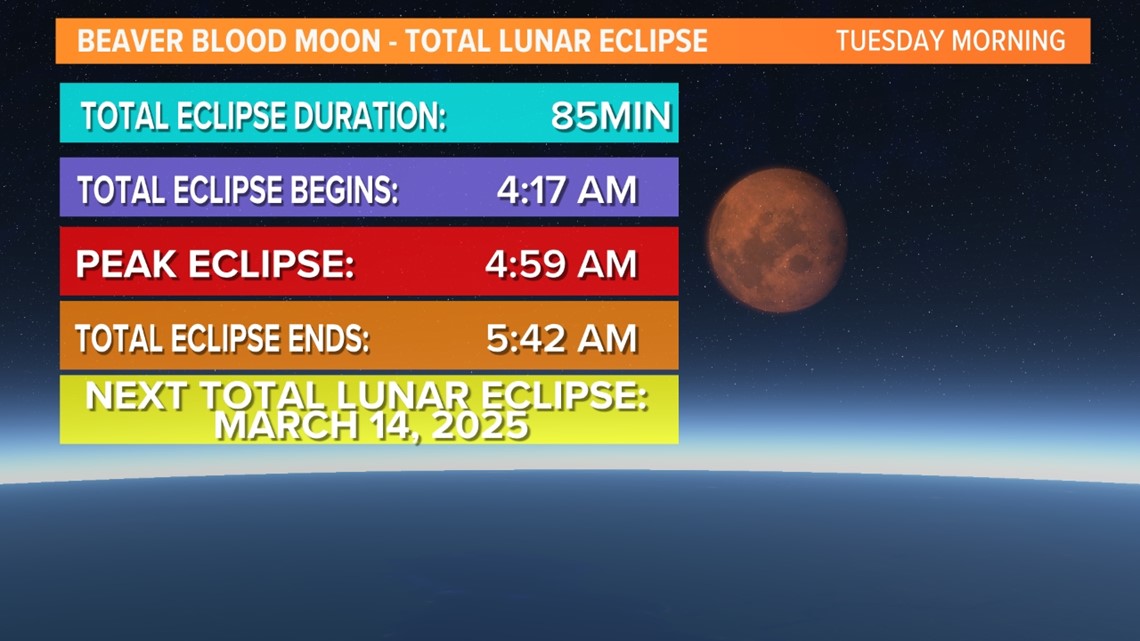
Tonight’s lunar eclipse in Texas promises to be a memorable event. While exact timings can vary slightly across the vast expanse of the state, the penumbral phase (when the Earth’s faint outer shadow begins to touch the moon) is expected to begin around 9:30 PM CST. The partial eclipse, where the darker part of Earth’s shadow (the umbra) starts to cover the moon, will become noticeable closer to 10:45 PM CST. The moment of greatest eclipse, when the moon is deepest within the Earth’s shadow and will display its most vivid reddish tones, is projected for approximately 12:15 AM CST. The partial eclipse will then recede, concluding around 1:45 AM CST, with the moon fully emerging from the penumbral shadow by 3:00 AM CST.
These times are approximate, so it’s always wise to check local astronomical resources closer to the date. What’s crucial for optimal viewing in Texas is finding a location with minimal light pollution and a clear, unobstructed view of the eastern sky where the moon will be rising higher throughout the night. Texas’s expansive landscapes, from its desert plains to its rolling hills, offer numerous such opportunities, making it a prime destination for this celestial spectacle.
Top Texas Destinations for an Unforgettable Eclipse Experience
To truly appreciate the lunar eclipse, selecting the right vantage point is paramount. Texas offers an array of incredible locations, each providing a unique backdrop for your stargazing adventure, perfectly aligning with diverse travel preferences, from rugged outdoor explorations to urban escapes.
Dark Sky Havens: Immersive Stargazing in West Texas
For the ultimate, unadulterated view of tonight’s lunar eclipse, nothing compares to Texas’s designated dark sky areas. These remote regions, largely untouched by light pollution, provide unparalleled clarity and depth to the night sky, making the moon’s transformation even more dramatic.
The undisputed champion for stargazing in Texas is Big Bend National Park. Recognized as an International Dark Sky Park, Big Bend National Park boasts some of the darkest skies in North America. Imagine witnessing the lunar eclipse framed by the rugged Chisos Mountains and the vast expanse of the Chihuahuan Desert. Accommodations range from primitive camping sites within the park to more comfortable options at the Chisos Mountain Lodge or nearby towns like Terlingua.
Another prime location is the McDonald Observatory in the Davis Mountains near Fort Davis. While their public programs often focus on general stargazing, the area itself offers incredibly dark skies. Visitors can often find charming boutique hotels or vacation rentals in Fort Davis, Marfa, or Alpine, turning an eclipse viewing into a broader West Texas art and culture tour. The solitude and grandeur of these landscapes create an awe-inspiring setting for the lunar spectacle, a truly immersive experience for any visitor.
Urban Oasis: City Parks and Rooftop Views
Even if you prefer the convenience and amenities of city life, you don’t have to miss out on the eclipse. Texas’s major metropolitan areas have surprisingly good viewing spots, often found in parks, elevated viewpoints, or atop buildings designed for entertainment.
In Houston, escaping the dense city lights can lead you to the George Observatory at Brazos Bend State Park, located just southwest of the city. This state park offers vast open spaces ideal for setting up a telescope or simply laying back on a blanket. Within Houston itself, finding a park away from major thoroughfares, such as the expansive Memorial Park, can still offer decent views, especially if you can get above the immediate street-level light pollution. Many hotels in Houston also boast rooftop bars or rooms with panoramic city views, which could provide an exciting urban eclipse experience.
Dallas and Fort Worth, collectively known as the Metroplex, also offer options. Klyde Warren Park in downtown Dallas, while urban, offers an open space that can be surprisingly good for sky-watching. For a truly iconic urban view, the observation deck of Reunion Tower provides a 360-degree panorama of the city and the sky above. Similarly, Fort Worth has several large parks, and many of its newer hotels offer balconies or rooftop access.
Austin, with its hilly terrain, provides several elevated viewpoints perfect for eclipse watching. Mount Bonnell offers a stunning vista of the city skyline and Lake Austin, making it a popular spot for sunsets and, tonight, the lunar eclipse. Other options include Zilker Park or venturing slightly out of the city to areas with less light interference.
In San Antonio, while the historic River Walk might be beautiful, it’s not ideal for eclipse viewing due to surrounding lights. Instead, head to larger parks like Government Canyon State Natural Area on the city’s outskirts or seek out hotels with balconies or rooftop lounges that offer unobstructed views of the night sky. The juxtaposition of the historic city and the celestial event can be quite magical.
Coastal Charm and Hill Country Serenity
For those seeking a different atmospheric backdrop, Texas’s coast and Texas Hill Country provide enchanting settings for eclipse viewing.
Along the coast, places like Galveston and South Padre Island offer the unique experience of watching the lunar eclipse over the vast expanse of the Gulf of Mexico. Imagine the moon turning crimson as it hangs above the dark waves – a truly romantic and tranquil scene. In Galveston, you could view it from the historic Seawall or find a spot on the beach. Resorts like Moody Gardens often have open areas or elevated spaces. South Padre Island and Port Aransas are more remote, especially if you venture into the Padre Island National Seashore, promising darker skies and the soothing sound of the ocean.
The Texas Hill Country is another fantastic region, known for its rolling hills, charming small towns, and increasingly, its dark sky initiatives. Towns like Fredericksburg, Dripping Springs, and Wimberley are actively working to preserve their dark skies. Enchanted Rock State Natural Area near Fredericksburg offers an incredible, unobstructed view from atop its ancient granite dome, though night access might require special arrangements. Many of the boutique hotels, bed & breakfasts, and vineyard accommodations in the Texas Wine Country offer private patios or grounds perfect for an intimate eclipse viewing, often accompanied by local wines.
Elevating Your Eclipse Adventure: Accommodation and Amenities
An extraordinary celestial event deserves an equally exceptional place to stay. Texas offers a vast array of accommodation options that can significantly enhance your lunar eclipse experience, transforming a simple night of stargazing into a luxurious retreat, a family adventure, or a romantic escape.
Hotels and Resorts: Perfect Perches for Planetary Pondering
For those who prioritize comfort and convenience, numerous hotels and resorts across Texas are ideal for eclipse chasers. When booking, look for properties that emphasize balconies, rooftop access, or rooms with expansive views.
In major cities like Dallas, Houston, and Austin, luxury hotels such as the Ritz-Carlton, JW Marriott, or Grand Hyatt often feature high-floor rooms with floor-to-ceiling windows, offering an urban panorama perfect for catching the moon as it rises above the cityscape. Many also have sophisticated rooftop bars or pools that provide an elevated and often festive atmosphere for evening viewing, complete with crafted cocktails and delicious bites. Imagine sipping a fine drink as the moon shifts from bright silver to deep red, all without leaving the comfort and luxury of your hotel.
For a more serene resort experience, consider properties in the Texas Hill Country. Resorts near Fredericksburg or Dripping Springs often have large, open grounds, private cabins, or villas with spacious patios – perfect for setting up a tripod or simply lounging under the stars. These resorts often blend rustic charm with upscale amenities, providing a peaceful escape where the only light pollution comes from the distant glow of a campfire. Similarly, coastal resorts on Galveston or South Padre Island offer beachfront access, allowing you to enjoy the eclipse with the soothing sound of ocean waves as your soundtrack.
When selecting a hotel, inquire about their highest floors, corner rooms, or any special event viewing areas they might arrange for the eclipse. Some hotels might even offer stargazing packages, complete with late check-outs or breakfast under the morning stars.
Unique Stays and Budget-Friendly Options
Beyond traditional hotels, Texas abounds with unique accommodation options that can turn your eclipse trip into an extraordinary lifestyle experience, catering to various budgets and preferences.
For those seeking an immersive nature experience, glamping sites are becoming increasingly popular, especially in areas bordering dark sky regions. Picture luxury tents, yurts, or tiny homes equipped with comfortable beds and amenities, often featuring transparent domes or expansive decks perfect for stargazing. These offer a blend of outdoor adventure and creature comforts, ideal for a romantic or family trip. Many state parks, while primarily offering basic camping, also have cabins or screened shelters that provide a more robust shelter while keeping you close to nature and away from city lights. Checking availability at parks near Big Bend National Park or within the Texas Hill Country is highly recommended.
Vacation rentals through platforms like Airbnb or VRBO offer incredible flexibility and a chance to experience local culture. You can find secluded cabins in the woods, charming cottages in small towns like Fredericksburg, or spacious homes with large yards and minimal light pollution. These are particularly great for families or groups, offering shared living spaces and often equipped kitchens, allowing for a more personalized and budget-friendly trip. Look for rentals with outdoor living spaces like fire pits, hot tubs, or large decks for prime eclipse viewing.
For budget-conscious travelers, motels and budget hotels near smaller towns surrounding the dark sky areas or on the outskirts of major cities can be a practical choice. While they might lack the luxurious amenities, they offer a clean and comfortable base from which to drive to a prime viewing spot. Many RV parks across Texas are also fantastic options, especially for those who travel with their own lodging. These parks often have open spaces and a community feel, perfect for sharing the eclipse experience with fellow travelers. Some even organize social events around astronomical phenomena.
Regardless of your choice, booking in advance is crucial, especially for popular destinations and unique accommodations, as celestial events often draw significant interest.
Beyond the Eclipse: Crafting a Memorable Texas Getaway
Witnessing a lunar eclipse is undeniably the highlight of your trip, but Texas offers so much more. Transform your eclipse viewing into a comprehensive travel experience by exploring the local culture, savoring the cuisine, and engaging in unique activities that define the Lone Star State.
Daytime Delights: Exploring Local Culture and Cuisine
Before the night sky comes alive, spend your day immersing yourself in the local flavor of your chosen Texas destination. Each region of Texas boasts its own distinct charm and attractions.
If you’re in West Texas for the dark skies, explore the quirky art scene of Marfa or the historic military fort in Fort Davis. Hiking in Big Bend National Park or the Davis Mountains offers stunning desert landscapes and unique flora and fauna. The local eateries in these towns often serve hearty, authentic Tex-Mex and classic Texas comfort food, perfect for fueling up before a long night of stargazing.
In Houston, a visit to the Houston Space Center (the official visitor center for NASA Johnson Space Center) is a must, perfectly complementing your astronomical theme. Explore the Museum District, enjoy world-class dining, or catch a show in the Theater District. Dallas offers cultural institutions, luxury shopping, and a vibrant arts scene. Be sure to indulge in Dallas’s renowned steakhouse culture or its innovative culinary landscape.
Austin, the “Live Music Capital of the World,” invites you to explore its vibrant music venues, food truck scene, and unique shops along South Congress Avenue. Don’t miss a dip in Barton Springs Pool or a kayak on Lady Bird Lake. San Antonio is steeped in history, home to The Alamo and the historic missions, alongside its iconic River Walk with its charming restaurants and shops.
The Texas Hill Country is synonymous with its burgeoning Texas Wine Country, offering numerous vineyards and tasting rooms around Fredericksburg and Grapevine. Explore charming small towns, swim in natural springs, or go antiquing. Along the coast, enjoy fresh seafood, explore historic piers, or simply relax on the beach during the day.
No matter where you are, always seek out local diners, barbecue joints, and cafes to truly taste the flavors of Texas. Dining out with a view, perhaps at a restaurant with an outdoor patio, can extend the magic of the evening, blending culinary delights with the celestial show.
Essential Tips for the Ultimate Eclipse Viewing Experience
To ensure your lunar eclipse viewing is comfortable and enjoyable, a little preparation goes a long way.
- Check Local Times: While general timings are provided, confirm the precise start, peak, and end times for your specific location in Texas using a reliable astronomy app or website.
- Scout Your Location: Arrive at your chosen viewing spot well before the eclipse begins to get oriented, find the best vantage point, and set up your equipment. Look for an unobstructed view of the moon’s path across the sky.
- Dress Warmly: Even on a clear night, temperatures in Texas can drop significantly after dark, especially in rural or elevated areas. Layers are key. Bring blankets or sleeping bags if you plan to lay down.
- Bring Comforts: A comfortable reclining chair, a picnic blanket, and snacks and drinks (non-alcoholic, please, especially if driving) will enhance your experience.
- Binoculars or Telescope: While a lunar eclipse is visible with the naked eye, binoculars or a small telescope will dramatically enhance the view, allowing you to observe craters and the moon’s surface detail as it passes through Earth’s shadow.
- Red Light Flashlight: Regular white flashlights can impair your night vision for up to 30 minutes. A red-light flashlight (easily found online or by covering a regular flashlight with red cellophane) allows you to see without affecting your adaptation to the dark.
- Photography Gear: If you’re keen on capturing the event, a camera with manual settings, a sturdy tripod, and a telephoto lens will be invaluable. Practice your night photography beforehand.
- Patience and Enjoyment: Stargazing is about slowing down and appreciating the moment. Be patient, let your eyes adjust to the dark, and simply soak in the majesty of the cosmos.
- Leave No Trace: Always remember to pack out everything you pack in. Preserve the natural beauty of Texas’s viewing spots for future generations.
Tonight’s lunar eclipse in Texas is more than just an astronomical event; it’s an invitation to explore, to relax, and to create lasting memories under an extraordinary sky. Whether you’re a seasoned astronomer or a first-time sky watcher, Texas offers the perfect stage for this captivating celestial show, promising a travel experience that’s truly out of this world.
LifeOutOfTheBox is a participant in the Amazon Services LLC Associates Program, an affiliate advertising program designed to provide a means for sites to earn advertising fees by advertising and linking to Amazon.com. Amazon, the Amazon logo, AmazonSupply, and the AmazonSupply logo are trademarks of Amazon.com, Inc. or its affiliates. As an Amazon Associate we earn affiliate commissions from qualifying purchases.