
The vast expanse of Texas, the second-largest state in the United States, presents a unique and often overlooked consideration for any traveler or resident: time. While a simple question on the surface, “What time now in Texas?” unveils a fascinating layer of logistical planning, cultural immersion, and seamless travel experiences that can significantly impact your visit or stay. Understanding the nuances of its time zones is not just about punctuality; it’s about optimizing your itinerary, ensuring timely access to attractions, making the most of your accommodation bookings, and fully engaging with the rich tapestry of Texan lifestyle.
From the bustling metropolises that pulse with innovation and entertainment to the serene landscapes that stretch into the horizon, every corner of the Lone Star State offers distinct adventures. However, without a grasp of its temporal divisions, you might find yourself an hour early or late for a crucial meeting, missing a once-in-a-lifetime sunset view, or even facing a closed restaurant door. This guide delves into the specifics of Texas time, exploring its impact on everything from grand hotels and hidden resorts to iconic landmarks and local tourism experiences, ensuring your journey through Texas is as smooth and enjoyable as possible.
Texas Time Zones: A Traveler’s First Stop
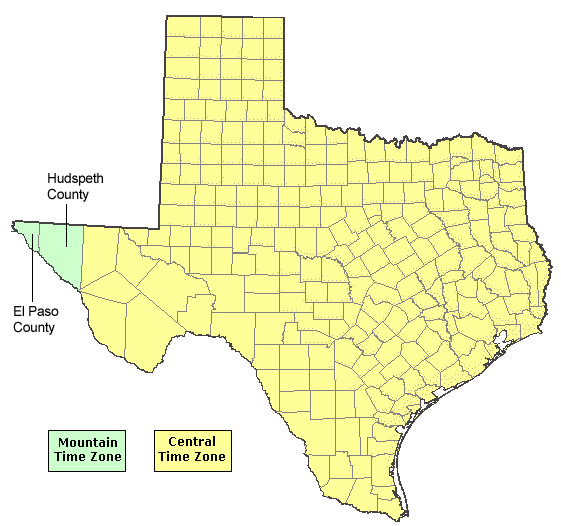
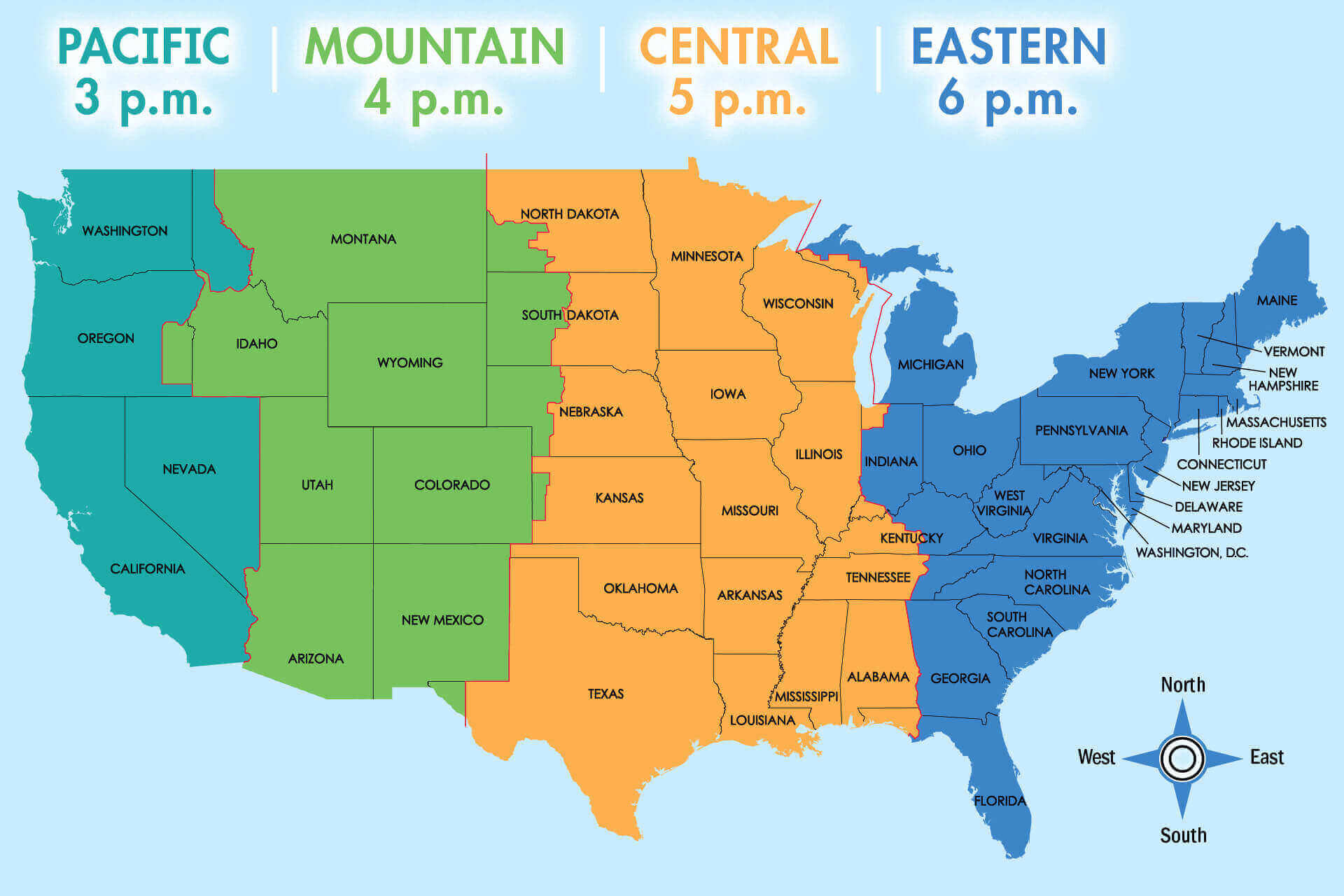
For a state of its immense size, Texas impressively spans across two distinct time zones, a detail that often surprises first-time visitors and can cause minor confusion if not accounted for. The vast majority of Texas operates on Central Time Zone (CT), observing Central Daylight Time (CDT) during the warmer months. However, a small yet significant western sliver of the state, most notably the city of El Paso and all of Hudspeth County, adheres to Mountain Time Zone (MT), transitioning to Mountain Daylight Time (MDT) when applicable. This seemingly minor discrepancy holds significant implications for scheduling, transportation, and overall enjoyment of your Texas adventure.
Central Time vs. Mountain Time: Understanding the Divide
The distinction between Central Time and Mountain Time in Texas is a geographical and historical quirk that traces back to the Standard Time Act of 1918. For most of Texas, including major cities like Dallas, Houston, Austin, and San Antonio, the rhythm of life beats to Central Time. This means that during standard time, they are UTC-6, and during daylight saving time, they shift to UTC-5. This alignment connects them with much of the Midwest and South Central United States.
However, as you venture far west, towards the New Mexico border, you cross into Mountain Time. This segment of Texas, encompassing El Paso and Hudspeth County, operates one hour behind Central Time. So, when it’s 3:00 PM in Dallas, it’s 2:00 PM in El Paso. This difference is not just a trivial detail; it’s a critical piece of information for coordinating across the state, especially for those undertaking extensive road trips or relying on precise timing for events, flights, or business meetings. Misjudging this time zone change could lead to missed appointments, delayed departures, or even an unexpectedly early check-out from your hotel, highlighting the importance of verifying the local time specific to your destination within Texas.
The Impact on Travel Planning and Logistics
The subtle yet significant time zone shift within Texas necessitates careful planning across various aspects of travel and tourism. For those flying into or out of El Paso from a Central Time city within Texas, or vice versa, understanding the one-hour difference is paramount. Flight schedules are typically listed in local time, but coordinating transfers or informing contacts about your arrival time requires conversion. Similarly, if you’re planning a scenic road trip that takes you from the bustling streets of San Antonio to the rugged beauty of Guadalupe Mountains National Park or Big Bend National Park (which are mostly in CT but near the MT border), you’ll need to adjust your internal clock and itinerary accordingly.
Accommodation check-in and check-out times are strictly adhered to, and arriving an hour late due to a time zone miscalculation can cut into your precious vacation time or even incur late fees. For business travelers, scheduling remote meetings with colleagues across the state requires explicit communication of time zones to avoid frustrating delays. Even for leisurely activities, such as making restaurant reservations, booking guided tours, or catching a live music performance, confirming the local time in your specific Texas destination is a fundamental step towards a stress-free and well-executed experience. Ignoring this temporal nuance is a common pitfall that can easily be avoided with a quick check of the local time upon arrival or before departure.
Navigating Texas: Destinations, Attractions, and Local Culture
Texas offers an incredibly diverse range of destinations, from cosmopolitan hubs to charming small towns and breathtaking natural wonders. Each location boasts its own unique flavor, history, and set of attractions, all operating within the rhythm of their respective time zones. Understanding these temporal differences isn’t just about avoiding a missed appointment; it’s about fully immersing yourself in the local culture, maximizing your sightseeing hours, and truly experiencing the essence of the Lone Star State.
Iconic Cities and Their Time-Bound Experiences
The major urban centers of Texas, predominantly situated in the Central Time Zone, are vibrant hubs offering endless opportunities for exploration. Dallas, a powerhouse of business and culture, invites visitors to explore world-class museums, indulge in upscale dining, and experience its dynamic nightlife. Timing your visits to popular spots like the Dallas Arts District or the Dallas World Aquarium is crucial, as opening and closing hours adhere strictly to CT.
Further south, Houston pulsates with an equally diverse energy, home to the renowned Space Center Houston, a must-visit for space enthusiasts. Planning your visit here, perhaps for a specific mission control tour or astronaut encounter, requires adhering to the Central Time schedule to ensure you don’t miss out. Its burgeoning food scene, from gourmet restaurants to hidden taco trucks, also operates on a time-sensitive basis, with peak hours and closing times to consider.
Austin, the “Live Music Capital of the World,” offers a more laid-back vibe, but its famous music venues, food trucks, and outdoor activities (like kayaking on Lady Bird Lake) still operate on a Central Time schedule. Catching a sunset bat flight from the Congress Avenue Bridge or securing a table at a popular BBQ joint requires careful timing within the CT framework.
San Antonio, rich in history, is home to the iconic The Alamo and the picturesque River Walk. While these landmarks offer extended visiting hours, understanding the Central Time schedule is essential for planning boat tours, dining experiences along the river, or attending special historical reenactments.
Contrastingly, El Paso, nestled in the Mountain Time Zone, offers a distinct border culture experience. Exploring its vibrant downtown, visiting the El Paso Mission Trail, or hiking in Franklin Mountains State Park requires adjusting your internal clock. For travelers journeying from the state’s Central Time core, the one-hour difference in El Paso can mean a crucial head start for morning excursions or an earlier end to evening plans than anticipated, making temporal awareness a key component of effective sightseeing.
Beyond the Cities: Nature, Landmarks, and Leisure
Beyond the urban centers, Texas unfolds into vast natural landscapes and historical sites, each offering unique experiences that are intrinsically linked to the time of day and year. The expansive Big Bend National Park, a wilderness of mountains, desert, and river, primarily operates within Central Time. Here, the timing of sunrise hikes, stargazing opportunities, and river trips along the Rio Grande are crucial. The park’s remote location means that planning for optimal daylight hours for hiking or scenic drives is paramount, and understanding the local time ensures you catch those breathtaking moments.
Similarly, Guadalupe Mountains National Park, home to Guadalupe Peak, the highest point in Texas, lies squarely in the Mountain Time Zone. For ambitious hikers aiming to conquer the peak, starting early in the morning, adjusted to MT, is vital to avoid the midday heat and allow ample time for the descent. The natural light cycles, often shifted by an hour compared to Central Texas, become critical factors for photography, wildlife viewing, and ensuring safety during outdoor activities.
The sun-kissed Texas Coast, stretching from Galveston to South Padre Island, operates entirely within Central Time. Here, beach lovers and water sports enthusiasts plan their days around tide schedules, sunrise dolphin watching tours, and sunset cruises, all orchestrated by the CT clock. Whether it’s the historical charm of Galveston or the vibrant spring break scene of South Padre Island, recognizing the local time ensures you can fully partake in the leisure experiences on offer without missing a beat. From planning a fishing charter to enjoying a beachfront resort amenity, time awareness enhances every aspect of coastal relaxation.
Curating Your Texas Stay: Hotels, Resorts, and Lifestyle Choices
Beyond the mere act of telling time, understanding the temporal landscape of Texas significantly influences how you curate your entire stay, from selecting the perfect accommodation to embracing the diverse lifestyle options available. Every aspect of your journey, whether it’s a luxurious escape or a budget-conscious family trip, is interwoven with the clock. Effective time management, informed by geographical awareness, becomes a silent guide to a truly remarkable Texan experience.
Selecting the Perfect Accommodation Across Texas
When considering hotels or other forms of accommodation in Texas, the time zone of your chosen location plays a subtle yet critical role in your planning. Whether you’re seeking the opulent suites of a luxury hotel in Houston or a cozy apartment for a long-term stay in Austin, check-in and check-out times are rigid. A miscalculation of even one hour, particularly when traveling across the CT/MT divide, can lead to unnecessary stress or even forfeited booking nights. Many online booking platforms automatically adjust to local time, but it’s always wise to double-check, especially for early morning arrivals or late departures.
Consider the sprawling JW Marriott San Antonio Hill Country Resort & Spa, a haven of relaxation and amenities operating in Central Time. Booking spa treatments, golf tee times, or dinner reservations requires precise timing within the CT framework. Similarly, for those seeking urban sophistication, The Post Oak Hotel in Houston offers unparalleled luxury travel experiences, where punctuality for exclusive services or private dining is expected. Even more rustic options like charming villas in the Texas Hill Country or boutique hotels like Hotel Drover in Fort Worth’s Stockyards District maintain strict schedules for their offerings. Consulting reviews and performing a careful comparison of properties often highlights practical tips regarding check-in flexibility, but the fundamental rule of respecting local time remains steadfast.
For travelers specifically headed to El Paso or Hudspeth County, remembering the Mountain Time Zone is paramount. If you’ve booked a car rental for pickup at 10 AM, ensure you arrive at 10 AM MT, not CT. This small detail prevents frustration and ensures a smooth start to your western Texas adventures. From selecting the right resort to coordinating with your Airbnb host, a clear understanding of the local time zone lays the groundwork for a comfortable and convenient stay.

Experiencing Texas Lifestyle: From Business to Leisure
The vibrant lifestyle of Texas is as diverse as its landscape, catering to every type of traveler. For the business traveler, time is money, and accurate scheduling across time zones is non-negotiable. Major Texan cities are powerhouses for conferences and corporate events, and coordinating meetings between Dallas and El Paso or with national and international partners demands meticulous attention to time zone conversions. Missed calls or late arrivals due to a temporal oversight can have significant repercussions in the corporate world.
On the other hand, luxury travel in Texas often involves carefully curated experiences that rely on impeccable timing. Think private jet charters, exclusive vineyard tours in the Hill Country, or bespoke shopping excursions. These high-end activities are meticulously scheduled, and guests are expected to adhere to the designated times to ensure a seamless and personalized service.
Family trips also benefit immensely from time-conscious planning. Coordinating nap times, meal schedules, and visits to child-friendly attractions like theme parks or zoos requires a firm grip on the local clock. The difference of an hour can mean the difference between happy children and tired, cranky ones. Similarly, budget travel often involves leveraging off-peak hours or specific daily deals, making time awareness crucial for maximizing savings.
Even the simple pleasure of indulging in local cuisine, like a famous Texas barbecue, is time-dependent. Many legendary BBQ joints operate until they sell out, making an early arrival (adjusted to local time) a strategic move to secure your share of brisket. The lively nightlife of Austin or Houston kicks off at specific times, and knowing the local hour ensures you’re there for the start of the show or happy hour. Ultimately, embracing the “What time now in Texas” question as a fundamental aspect of planning transforms potential pitfalls into opportunities for deeper engagement and a more enriching exploration of the Lone Star State’s diverse offerings and unique charm.
LifeOutOfTheBox is a participant in the Amazon Services LLC Associates Program, an affiliate advertising program designed to provide a means for sites to earn advertising fees by advertising and linking to Amazon.com. Amazon, the Amazon logo, AmazonSupply, and the AmazonSupply logo are trademarks of Amazon.com, Inc. or its affiliates. As an Amazon Associate we earn affiliate commissions from qualifying purchases.