
Planning a trip to the vast and vibrant state of Texas involves more than just picking a destination; it’s about understanding the rhythm of local life, which profoundly impacts everything from hotel prices to crowd levels at popular attractions. For many families and travelers, the question, “When do Texas schools start?” is surprisingly crucial. It’s a key piece of information that unlocks the secrets to a seamless and enjoyable Texas experience, whether you’re seeking bustling city life, serene natural escapes, or a blend of both.
The academic calendar in Texas acts as an invisible hand guiding the ebbs and flows of tourism. From the bustling beaches of the Gulf Coast to the historic streets of San Antonio and the cosmopolitan centers of Dallas and Houston, school schedules dictate when families are free to travel, creating distinct peak and off-peak seasons. Understanding these patterns is essential for savvy travelers looking to optimize their itineraries, manage budgets, and make the most of their time in the Lone Star State. This guide will delve into the typical Texas school calendar, explore its ripple effect on travel and tourism, and provide invaluable tips for planning your perfect Texas adventure, irrespective of whether you’re traveling with children or simply aiming to avoid the busiest times.
Understanding the Texas School Calendar Landscape
The academic year in Texas, much like in other states, generally follows a predictable pattern, though precise dates can vary slightly by district. These variations are significant for travelers, as even a week’s difference can mean the distinction between shoulder season tranquility and peak season crowds.
General Start Dates and Variations
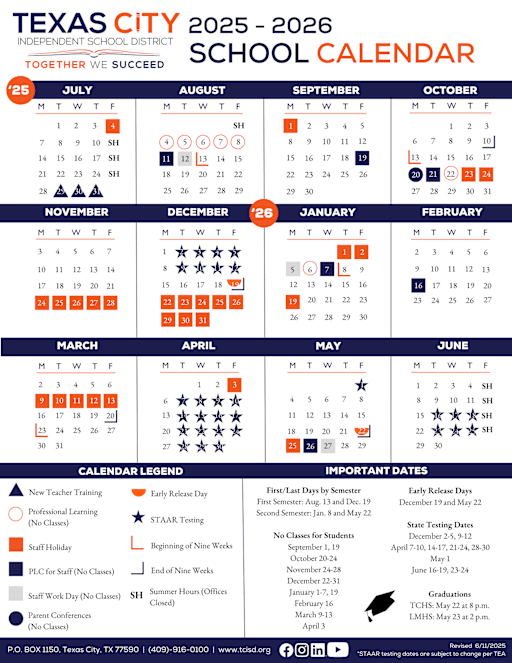
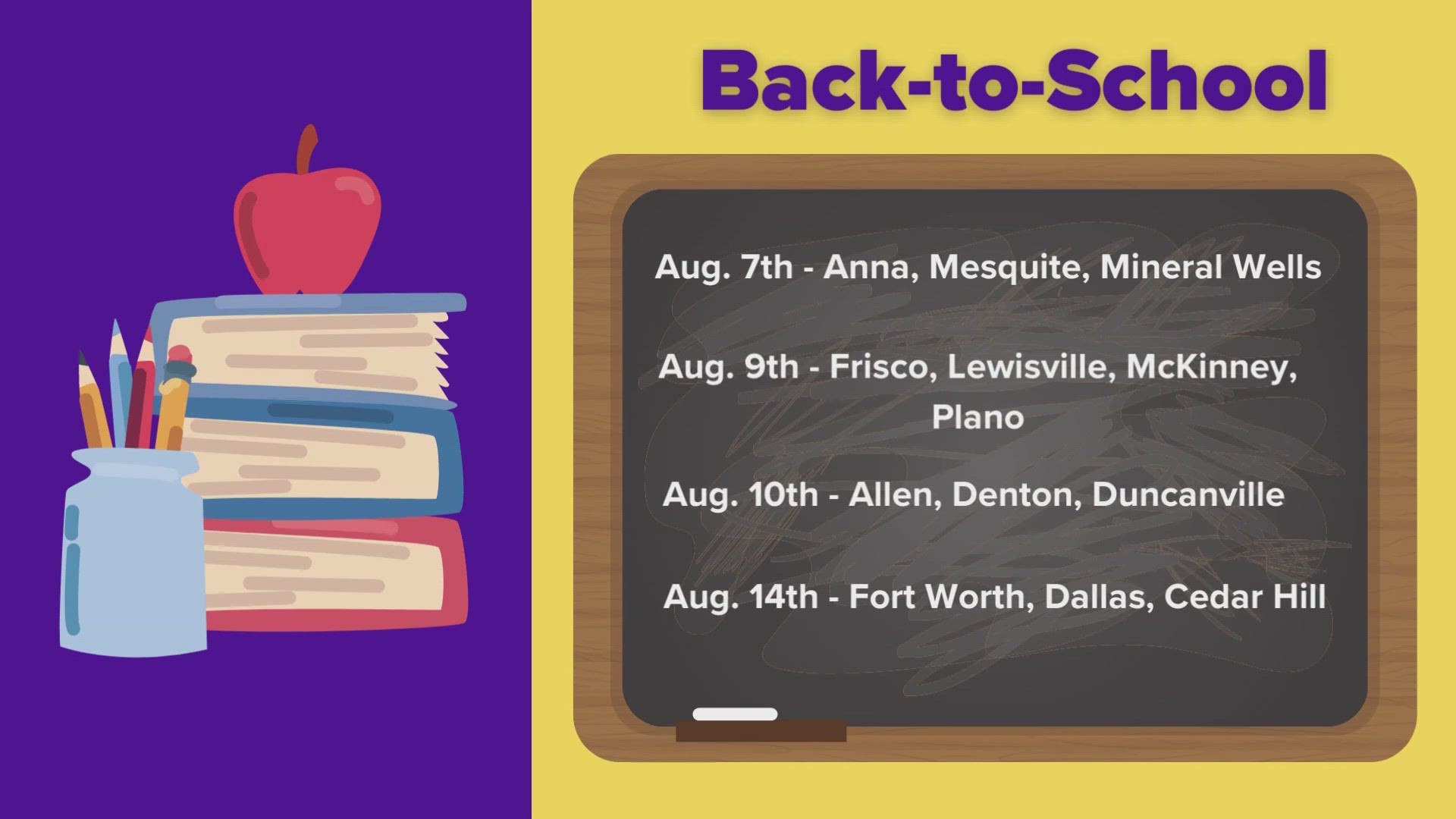
Most public schools in Texas typically kick off their academic year in late August, usually around the third or fourth week. This timing is a critical marker for the unofficial end of the summer travel season. While some smaller districts or private schools might start a week earlier or later, the vast majority of students are back in classrooms by the first week of September. This means that the entire month of August, particularly the first half, sees a gradual winding down of peak family travel, offering a brief window of opportunity for slightly fewer crowds before the school year fully commences. Conversely, summer break generally begins in late May or early June, effectively opening the floodgates for family vacations. Knowing these general parameters allows travelers to anticipate when attractions will be most crowded and when accommodations will be at their highest demand.
Key Breaks and Holidays
Beyond the summer and initial start dates, several key breaks punctuate the Texas school year, each creating mini-peak seasons for travel within the state and beyond.
- Thanksgiving Break (Late November): Typically a full week off, this holiday period sees a surge in family travel, particularly for short-haul trips and visits to relatives. Popular destinations like the Texas Hill Country and major cities experience increased traffic and accommodation bookings.
- Christmas/Winter Break (Late December – Early January): This extended break, usually two weeks long, is a major travel window. Many families take advantage of the time off to visit festive urban centers like Dallas for holiday lights or head south to warmer climates. Hotels and resorts, especially those offering holiday-themed experiences, see high occupancy rates.
- Spring Break (Mid-March): Perhaps the most notorious travel period for students, Texas Spring Break usually falls in the second or third week of March. This is when coastal towns like South Padre Island or Galveston, as well as popular theme parks, witness massive influxes of visitors. Accommodation prices can soar, and booking well in advance is essential if you plan to travel during this time.
- Long Weekends: Public school calendars also often include several long weekends tied to federal holidays like Labor Day (early September), Columbus Day (October), Martin Luther King Jr. Day (January), and Presidents’ Day (February). While shorter, these breaks can still lead to localized increases in tourism, particularly for weekend getaways to state parks, wineries in Fredericksburg, or small towns.
Understanding these breaks is not just about avoiding crowds; it’s about appreciating the dynamic landscape of Texas tourism and how it aligns with families’ lifestyles and travel aspirations.
The Impact on Texas Travel and Tourism
The rhythm of the Texas school calendar is a powerful determinant of travel experiences across the state. From the quiet serenity of off-season visits to the vibrant energy of peak times, each period offers a unique way to explore Texas.
Peak Season Travel: Summer and School Breaks
The summer months (June, July, August) and the various school breaks (Thanksgiving, Christmas, Spring Break) represent peak travel periods in Texas. During these times, destinations like San Antonio’s River Walk, Austin‘s bustling live music venues, and family-friendly attractions such as Schlitterbahn Waterpark or Six Flags Over Texas are abuzz with activity.
- Crowds: Expect larger crowds at major landmarks, museums, and outdoor recreation areas. Navigating popular spots like The Alamo or Space Center Houston can involve longer queues and more people.
- Higher Prices: Demand drives prices up for flights, rental cars, and, most notably, accommodation. Hotels, resorts, and even short-term rentals often implement peak-season pricing. Booking well in advance becomes critical to securing desired options and potentially better rates.
- Vibrant Atmosphere: Despite the crowds and costs, peak season also offers a unique energy. Many cities host special events, festivals, and extended operating hours for attractions, creating a festive atmosphere perfect for those who thrive on vibrant energy and don’t mind sharing their experiences with many others.
Off-Peak Advantages: Fall, Winter, and Spring
Traveling during off-peak times – generally from early September through mid-November (before Thanksgiving), and from mid-January through early March (before Spring Break) – can transform your Texas experience, offering numerous advantages.
- Fewer Crowds: Enjoy a more relaxed pace at attractions, shorter wait times, and easier navigation. Imagine exploring the Sixth Floor Museum in Dallas or hiking in Big Bend National Park with significantly fewer people around.
- Better Deals: This is often the sweet spot for budget-conscious travelers. Hotels, particularly luxury resorts and suites that cater to families, may offer reduced rates, package deals, or special promotions to attract guests. Airfares and car rentals can also be more affordable.
- Ideal Weather: Many parts of Texas experience pleasant, mild weather in the fall and spring, making it perfect for outdoor activities like exploring the Texas Hill Country wineries or enjoying the mild winters in South Texas. Even winter in major cities can be quite enjoyable, with festive lights without the massive crowds of late December.
Family-Friendly Destinations and Timing
For families with school-aged children, timing is everything. If traveling during school breaks is unavoidable, focus on destinations that cater specifically to families and book early. Places like Grapevine, known for its festive holiday events, or Corpus Christi with its marine attractions, are perennial family favorites. Consider alternative activities that are less affected by crowds, such as exploring smaller towns or seeking out hidden gems. For those with flexibility, traveling just before or after a major school break can offer a good compromise between decent weather and manageable crowds. For example, visiting San Antonio in early May (after most Spring Breaks but before summer rush) can be delightful.
Accommodation Strategies for Your Texas Getaway
Your choice and timing of accommodation are intrinsically linked to the school calendar. Savvy booking strategies can lead to significant savings and a more comfortable stay, aligning with various lifestyle preferences from luxury to budget.
Booking Hotels and Resorts During Peak vs. Off-Peak
During peak seasons, popular hotel names like the Hyatt Regency Dallas or the JW Marriott San Antonio Hill Country Resort & Spa will experience rapid bookings and higher prices. For those seeking luxury travel, these periods mean less availability of premium suites and villas unless booked many months in advance. Conversely, during off-peak times, you might find significant discounts or extended stay offers at these same establishments. Even boutique hotels in Austin or charming inns in the Texas Hill Country are more accessible and affordable. It’s also worth noting that many resorts tailor their amenities and activities to families during school breaks, offering kids’ clubs and special entertainment, which might be less prevalent during quieter times.
Long-Term Stays and Alternative Accommodations
For those considering a longer visit or preferring a home-away-from-home experience, understanding school schedules is equally important. Apartments, villas, and vacation rentals are a popular choice. During peak times, these accommodations are in high demand and can be costly, especially for larger groups or families. However, during off-peak periods, you might find more availability and negotiable rates for long-term stays, making them an excellent option for digital nomads, extended family visits, or those seeking an immersive local culture experience without the daily hotel costs. Websites that compare accommodation options will clearly show the price fluctuations, guiding you towards the best deals for your preferred stay.
Leveraging Lifestyle for Budget or Luxury Travel
Your travel lifestyle significantly influences how you approach accommodation booking around the school calendar.
- Budget Travel: If you’re a budget traveler, targeting off-peak seasons is paramount. Not only will standard hotel rooms be cheaper, but you might also find better deals on hostels, motels, and even basic apartments. Traveling during the school year means lower food costs at popular eateries and cheaper entry to attractions.
- Luxury Travel: Even for luxury travelers, understanding the calendar helps. While you might be less concerned with price, securing the best suites or exclusive resort amenities requires early booking during peak times. However, for a truly serene luxury experience, consider visiting during shoulder seasons. You might find more personalized service and a less crowded environment at high-end properties like The Driskill Hotel in Austin or the Hotel Emma in San Antonio, allowing you to fully indulge in the pampering and bespoke experiences offered.
- Family Trips: Families often have limited flexibility due to school schedules. To balance costs and experience, consider booking accommodations with family-friendly amenities well in advance. Resorts with water parks, kids’ clubs, or spacious suites become highly sought after. Look for packages that bundle attractions or meals to maximize value during busy periods.
Exploring Texas Landmarks and Attractions During Different Seasons
The vastness of Texas means there’s always something to explore, but the optimal time to visit depends heavily on what you want to see and the experience you desire, influenced by school schedules.
Iconic Cities and Their Seasonal Appeal
- Austin: The Live Music Capital of the World can be enjoyed year-round. During peak Spring Break or summer, its swimming holes like Barton Springs Pool are packed. Visiting in the fall or spring (outside of South by Southwest (SXSW)) offers pleasant weather for exploring its vibrant food scene and outdoor activities without intense crowds.
- San Antonio: A city steeped in history and culture. The River Walk is enchanting during the holiday season (Christmas break), but expect dense crowds. For a more leisurely stroll and easier access to The Alamo, consider visiting in late autumn or early spring. Fiesta San Antonio in April is a major draw, but also a very busy time.
- Dallas and Houston: These metropolitan hubs offer world-class museums, arts districts (like the Dallas Arts District), and diverse culinary experiences. Summer can be very hot, making indoor attractions appealing, but also drawing families on vacation. Off-peak fall and spring offer comfortable temperatures for exploring outdoor markets, parks, and city tours. The State Fair of Texas in Dallas (late September/early October) is an exception, drawing huge crowds during a generally quieter time. Similarly, the Houston Livestock Show and Rodeo in March is a major event.
Natural Wonders and Outdoor Activities
Texas’ diverse landscapes offer outdoor adventures for every season.
- Big Bend National Park: Located in West Texas, summers are intensely hot, making fall, winter, and spring the best times to visit for hiking and exploring its rugged beauty. While winter breaks can bring more visitors, the sheer size of the park often prevents it from feeling overcrowded.
- Padre Island National Seashore: A haven for nature lovers, the coastal areas are most popular during summer and Spring Break. However, migrating birds make fall and spring excellent times for birdwatching, and the milder weather in these seasons is ideal for beachcombing and camping without the intense heat or crowds.
- Texas Hill Country: Known for its wineries, scenic drives, and charming towns like Fredericksburg and Gruene. Spring brings wildflowers, making it a beautiful, though sometimes busy, period. Fall offers pleasant temperatures for wine tours and exploring historic dance halls like Gruene Hall, often with fewer crowds than the peak summer months.

Cultural Experiences and Events
Many of Texas’ cultural events are scheduled outside of major school holidays to attract local attendees, offering unique off-peak tourism opportunities. However, some, like the Houston Livestock Show and Rodeo or South by Southwest (in March), are massive draws that transcend school calendars, creating their own peak periods. Researching local event calendars is crucial for any trip, as a small-town festival could add immense value to your travel experience, or a major city event could unexpectedly impact accommodation availability and pricing. Embrace the opportunity to experience local culture, food, and activities, whether it’s attending a rodeo in Fort Worth in the winter or exploring the missions in El Paso during a quiet autumn week.
In conclusion, understanding when Texas schools start and when their breaks occur is an invaluable tool for any traveler eyeing the Lone Star State. It empowers you to make informed decisions about when to visit, where to stay, and what to experience, ultimately shaping your journey into a more personalized and memorable adventure. Whether you prioritize avoiding crowds, saving money, or immersing yourself in the state’s vibrant energy during its busiest times, the school calendar provides a reliable roadmap for your Texas travels. Plan wisely, and prepare to discover the myriad charms of this incredible state.
LifeOutOfTheBox is a participant in the Amazon Services LLC Associates Program, an affiliate advertising program designed to provide a means for sites to earn advertising fees by advertising and linking to Amazon.com. Amazon, the Amazon logo, AmazonSupply, and the AmazonSupply logo are trademarks of Amazon.com, Inc. or its affiliates. As an Amazon Associate we earn affiliate commissions from qualifying purchases.