
For avid waterfowl hunters and nature enthusiasts alike, few experiences rival the thrill of duck season in Texas. The Lone Star State, with its diverse ecosystems ranging from the marshy Gulf Coast to the vast High Plains playa lakes, offers an unparalleled canvas for this cherished outdoor pursuit. More than just a hunt, duck season in Texas is an immersive travel experience, a rendezvous with nature that blends the adrenaline of the chase with the tranquility of the great outdoors. It’s a prime example of how a specialized activity can become the centerpiece of a memorable lifestyle journey, offering diverse accommodation options, rich local tourism, and unique cultural encounters.
Understanding when and where to pursue these migratory birds is paramount to planning your adventure. Texas operates under a carefully structured system of hunting zones and season dates, designed to manage wildlife populations responsibly while providing ample opportunity for hunters. This comprehensive guide will not only pinpoint the prime times for duck season but also weave in the myriad travel and lifestyle considerations that make a Texas duck hunting trip an unforgettable escape. Whether you’re a seasoned waterfowler or considering your first duck hunting excursion, the possibilities for adventure, relaxation, and cultural immersion in Texas are as vast as its landscapes.
The Allure of Duck Season in the Lone Star State
Texas stands as a premier destination for waterfowl hunting, thanks to its strategic location along the Central Flyway, a major migratory route for millions of ducks and geese. Each autumn and winter, a spectacular procession of species—from pintails and wigeon to mallards, teal, and gadwall—descends upon the state’s wetlands, agricultural fields, and coastal marshes. This annual migration transforms Texas into a vibrant hub for the hunting community, offering diverse ecological settings and unique hunting challenges.
The appeal extends beyond the sheer number and variety of birds. Texas offers a unique blend of rugged wilderness and accessible hunting grounds, making it suitable for various skill levels and preferences. Imagine the crisp morning air on the Gulf Coast, the sunrise painting the horizon as ducks cup their wings over decoys, or the quiet solitude of a timber hunt in East Texas. These are the experiences that draw hunters back year after year, fostering a deep connection to the land and its wildlife.
Moreover, a duck hunting trip to Texas is never just about the hunt itself. It’s an opportunity for a complete travel experience. For those seeking luxury travel, opulent lodges offer gourmet meals, professional guides, and plush amenities, ensuring a comfortable stay after a day in the field. For budget travelers or families, numerous state parks, campgrounds, and more modest accommodations provide a cost-effective way to enjoy the outdoors. The lifestyle aspect of a Texas duck hunt can be tailored to individual tastes, whether it’s a dedicated hunting expedition, a family trip combining hunting with other attractions, or a group retreat focused on camaraderie and nature. The vibrant local cultures, particularly in the coastal towns and smaller inland communities, offer a chance to savor authentic Texan cuisine, from fresh seafood to legendary BBQ, and engage with the friendly locals who often share a passion for the outdoors.
Navigating the Texas Duck Hunting Calendar
Understanding the specific dates and zones is crucial for any successful duck hunting trip in Texas. The Texas Parks and Wildlife Department (TPWD) meticulously plans the seasons, dividing the state into distinct zones to account for varied habitat conditions and migratory patterns. These regulations ensure sustainable hunting practices and optimal opportunities for hunters.
Key Dates and Zones: When to Plan Your Trip
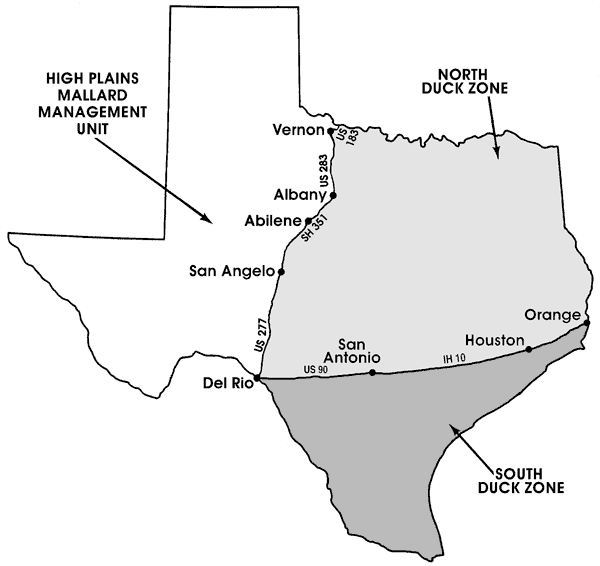
Texas is divided into three primary hunting zones for waterfowl: the High Plains Mallard Management Unit, the North Zone, and the South Zone. Each zone has slightly different season dates, reflecting the staggered arrival and departure of migratory birds.
- Early Teal Season: This specialized season typically kicks off in September, offering a fantastic opportunity to hunt blue-winged, green-winged, and cinnamon teal before the main duck season begins. It’s a fast-paced, action-packed hunt, often favored by those who enjoy warmer weather and an early start to the waterfowl season. The dates for early teal are generally consistent across all zones, usually running for about two weeks in mid-September.
- Regular Duck Season – North Zone: Covering the northern half of Texas, this zone typically sees its duck season open in late October or early November, running through various splits and concluding in late January or early February. Major cities like Dallas and Fort Worth fall within this zone, providing access to impressive hunting grounds along the Red River and various reservoirs.
- Regular Duck Season – South Zone: Encompassing the southern half of the state, including the expansive Gulf Coast and its famous marshes, the South Zone usually opens a bit later than the North Zone, often in early to mid-November, and extends through late January or early February. This zone is particularly renowned for its diverse species and the sheer volume of wintering waterfowl. Coastal hubs like Galveston, Rockport, and Corpus Christi are prime spots here.
- Regular Duck Season – High Plains Mallard Management Unit: This distinct unit, primarily covering the Texas Panhandle, often has its own set of dates, typically opening in late October and extending into late January. It’s famed for its mallard hunting over playa lakes and agricultural fields near cities like Amarillo and Lubbock.
It is imperative that all hunters consult the official Texas Parks and Wildlife Department (TPWD) Outdoor Annual for the precise, most up-to-date season dates, bag limits, and regulations. These details can vary slightly year to year based on federal guidelines and waterfowl population assessments. The TPWD website is your go-to resource for accurate planning.
Beyond the Blind: Optimal Times for Related Activities
While duck season dictates the primary travel window for hunters, the broader period from late fall through winter in Texas offers a wealth of complementary activities for non-hunting companions or for extending your trip. The milder Texas winter weather is ideal for exploring without the oppressive summer heat.
- Birdwatching and Photography: The same migratory patterns that bring ducks also bring a spectacular array of other bird species. The Gulf Coast is a world-renowned birding destination, with numerous refuges and state parks offering incredible opportunities for birdwatching and wildlife photography. This is a perfect activity for family members or partners not participating in the hunt.
- Fishing: Winter fishing along the Texas coast can be excellent, particularly for redfish and speckled trout in the bays and estuaries. Many hunting lodges and coastal towns offer charter fishing services.
- Cultural Exploration: Small towns adjacent to hunting areas often host local festivals, markets, or community events during the cooler months. Cities like San Antonio, Houston, and Austin are vibrant urban centers brimming with museums, historical landmarks like The Alamo and the Riverwalk in San Antonio, and world-class dining, perfect for a day trip or an extended stay before or after the hunting portion of your journey.
- Outdoor Recreation: Hiking, biking, and exploring natural areas are comfortable during the Texas winter. Places like Palo Duro Canyon State Park in the Panhandle offer breathtaking scenery and trails.
Integrating these activities allows for a truly holistic travel experience, transforming a specialized hunting trip into a multifaceted vacation that caters to diverse interests and creates lasting memories for everyone involved.
Planning Your Ultimate Texas Waterfowl Adventure
A successful and enjoyable duck hunting trip in Texas requires careful planning, from selecting the ideal hunting grounds to arranging comfortable accommodations and sampling local flavors. This is where the elements of travel, accommodation, tourism, and lifestyle truly converge to create a bespoke experience.
Choosing Your Destination: Premier Duck Hunting Regions
Texas’ diverse geography offers a variety of hunting environments, each with its own charm and challenges.
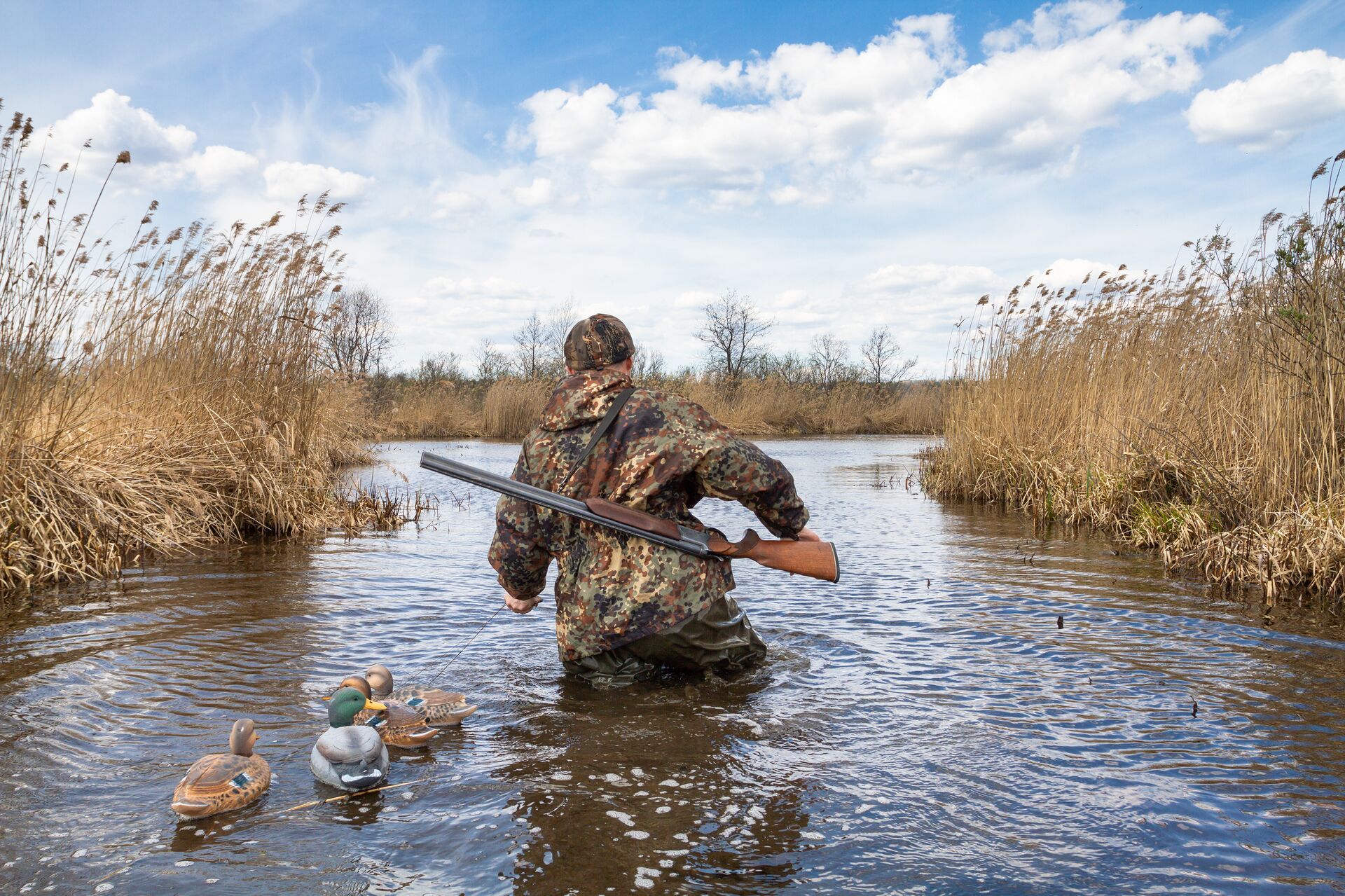
- Coastal Texas (The Gulf Coast): Without a doubt, the Texas Gulf Coast is synonymous with waterfowl hunting. From Sabine Lake near Port Arthur down to the Laguna Madre near Corpus Christi, the vast marshlands, bays, and estuaries attract an incredible concentration of ducks and geese. Species like pintails, wigeon, redheads, and gadwall are common. Destinations like Galveston, Rockport, and Port O’Connor offer a robust tourism infrastructure with numerous guides, lodges, and coastal attractions. A trip here often involves boat blinds, airboats, and a truly dynamic hunting experience.
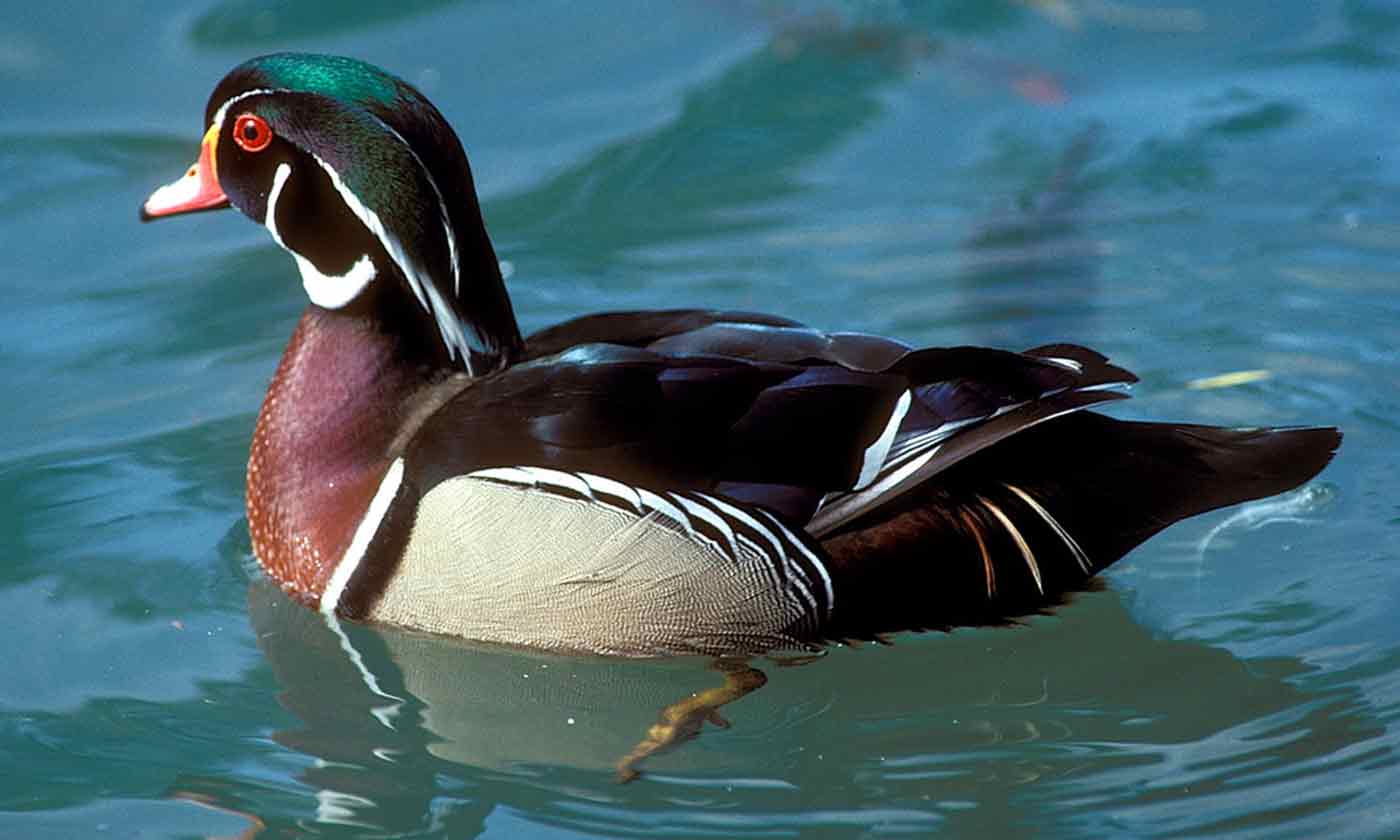
- East Texas Lakes and Timber: The piney woods and numerous reservoirs of East Texas provide a different kind of waterfowl experience, especially for mallards and wood ducks. Lakes such as Sam Rayburn Reservoir, Lake Fork, and the historic Caddo Lake offer unique timber and flooded field hunting. This region offers a more secluded, often serene, hunting atmosphere, with opportunities to explore charming small towns and enjoy freshwater fishing.
- North and Central Texas: The rolling plains and river bottoms of North Texas, particularly along the Trinity River and its tributaries, draw a variety of dabbling ducks. Public hunting lands and private leases offer diverse experiences. Cities like Dallas and Fort Worth provide a convenient base with ample amenities for extended stays.
- Texas Panhandle (High Plains): For a truly unique experience, the High Plains region is renowned for its mallard hunting over ephemeral Playa Lakes and irrigated agricultural fields. This area near Amarillo and Lubbock offers a starkly different landscape and hunting challenge, often involving pit blinds and extensive decoy spreads.
Accommodation and Lifestyle: From Rustic Retreats to Luxury Lodges
Your choice of accommodation can significantly shape your Texas duck hunting experience, aligning with your travel style, whether it’s a luxury escape, a budget-friendly adventure, or a family trip.
- Hunting Lodges and Resorts: For a seamless and often luxurious experience, dedicated hunting lodges are an excellent choice. Many offer all-inclusive packages that cover guides, meals, field transportation, and comfortable lodging. Some even feature amenities like heated blinds, dog kennels, and cleaning facilities. These establishments cater to discerning travelers seeking a high level of service and comfort, making the hunting experience truly effortless. They are ideal for business stays or luxury travel groups.
- Hotels and Motels: In towns near popular hunting areas—such as Galveston, Rockport, Port Arthur, or even larger cities like Houston or Dallas—standard hotels and motels provide a convenient base. Look for accommodations that are pet-friendly if you’re bringing a hunting dog, and inquire about secure storage for firearms and gear. Many offer early breakfast options to accommodate hunters’ schedules.
- Vacation Rentals (VRBO, Airbnb): For families or larger groups, booking a vacation rental through platforms like VRBO or Airbnb can offer more space, privacy, and amenities such as full kitchens, which are great for preparing your own meals or even cooking your harvested ducks. These often provide a more home-like atmosphere, perfect for long-term stays or family trips, allowing for a personalized and budget-friendly experience.
- Camping and RV Parks: For the ultimate budget travel experience and a deep immersion in nature, numerous state parks and private campgrounds across Texas offer camping and RV facilities. This option is particularly appealing to self-sufficient hunters who enjoy rustic retreats and want to be as close to the hunting grounds as possible.
When booking, consider amenities like dog washing stations, mudrooms for gear, and proximity to launch points or hunting leases. Always read reviews to ensure the accommodation meets the specific needs of hunters.
Culinary Delights and Local Culture: A Taste of Texas
No travel experience in Texas is complete without indulging in its legendary cuisine and soaking up the local culture. Duck season provides a perfect opportunity to explore these facets.
- Texan Cuisine: From the spicy kick of Tex-Mex to the smoky perfection of Texas BBQ, the state’s culinary landscape is as diverse as its geography. Along the Gulf Coast, fresh seafood—shrimp, oysters, and various fish—is a must-try. Many coastal restaurants specialize in preparing local catches, offering a delightful contrast to traditional game fare.
- Local Culture and Attractions: Beyond the hunt, explore the quaint towns that dot the Texas landscape. Visit local breweries, historical sites, or small art galleries. Engage with the friendly locals, many of whom are deeply connected to the land and hunting traditions. In larger cities like Houston or Austin, the food scene is global, and attractions range from world-class museums to live music venues, offering a rich tapestry of experiences for non-hunting family members or for unwinding after an intense morning in the blind. Consider visiting a local rodeo or attending a high school football game for an authentic Texas experience during your stay.
Essential Tips for a Seamless Texas Duck Hunt Trip
Ensuring your duck hunting trip to Texas is smooth and enjoyable involves more than just knowing the season dates; it’s about preparation, safety, and maximizing the experience for everyone involved.
Licenses, Regulations, and Gear
Before heading to the field, diligent preparation regarding legal requirements and equipment is paramount.
- Licenses and Stamps: All hunters, resident and non-resident, must possess a valid Texas hunting license. Additionally, a migratory game bird endorsement, a federal duck stamp, and a Texas duck stamp are required for waterfowl hunting. These can be purchased online through the TPWD website or at licensed retailers across the state.
- Regulations: Familiarize yourself with daily bag limits, possession limits, shooting hours, and legal methods of take. The TPWD Outdoor Annual is an indispensable resource. Understanding these rules ensures a legal and ethical hunt.
- Essential Gear:
- Waders and Waterproof Clothing: Depending on the region, waders (chest or waist-high) are often essential for navigating marshes, flooded fields, or retrieving birds. Layered, waterproof, and camouflage clothing is crucial for warmth and concealment.
- Firearm and Ammunition: A reliable shotgun (12 gauge being the most common) and non-toxic shot (steel, bismuth, or tungsten-matrix) are mandatory for waterfowl hunting. Bring plenty of shells.
- Decoys and Calls: While guides typically provide these, if hunting independently, a good spread of decoys and proficiency with duck calls will significantly improve your chances.
- Safety Equipment: Always carry a first-aid kit, a whistle, a fully charged cell phone (though service can be spotty in remote areas), and personal flotation devices if hunting from a boat.
- Hunting Dog (Optional): If bringing a retrieving dog, ensure it is well-trained, conditioned for the weather, and has appropriate gear (e.g., dog vest, kennel).
- Guide Services: Especially for first-time visitors or those without prior experience in Texas, hiring a reputable guide service is highly recommended. Guides provide local knowledge, access to prime hunting grounds (often private leases), decoys, calls, and expert instruction, dramatically increasing your success rate and overall enjoyment. They also handle many logistical challenges, making for a truly seamless experience.
Making it a Memorable Family or Group Experience
A duck hunting trip can be more than just a solitary pursuit; it can be an incredible family trip or a bonding experience for a group of friends.
- Activities for Non-Hunters: Plan parallel activities for family members or friends who aren’t hunting. As mentioned, Texas offers abundant opportunities for birdwatching, fishing, hiking, cultural tours, and city explorations. Many coastal areas are excellent for beachcombing or kayaking.
- Youth-Only Hunting Days: TPWD typically designates youth-only waterfowl hunting days. These are fantastic opportunities to introduce younger generations to the sport in a supportive and less pressured environment, fostering a love for the outdoors and conservation.
- Shared Meals and Storytelling: The camaraderie of sharing meals, especially after a successful hunt, is a highlight. Many lodges offer communal dining, and vacation rentals provide the perfect setting for group cooking and reliving the day’s adventures. Consider a cooking class focused on preparing wild game or Texan cuisine.
- Photography and Journaling: Encourage documentation of the trip through photos or a travel journal. The stunning sunrises, diverse wildlife, and unique Texas landscapes make for beautiful memories.
In conclusion, duck season in Texas offers much more than just a hunt; it’s a comprehensive travel, tourism, and lifestyle experience. By understanding the season dates and zones, selecting the right destination and accommodation, and embracing the local culture, you can plan an unforgettable adventure that caters to all interests and ensures a seamless, memorable trip to the heart of waterfowl country. Whether you seek the thrill of the chase, the tranquility of nature, or a rich cultural immersion, Texas during duck season promises an extraordinary journey.
LifeOutOfTheBox is a participant in the Amazon Services LLC Associates Program, an affiliate advertising program designed to provide a means for sites to earn advertising fees by advertising and linking to Amazon.com. Amazon, the Amazon logo, AmazonSupply, and the AmazonSupply logo are trademarks of Amazon.com, Inc. or its affiliates. As an Amazon Associate we earn affiliate commissions from qualifying purchases.